ReptileAds.com
  • Market
  • Categories
  • Stores
  • Genetic Calculator
  • Pricing
Login
  • Dashboard
  • Market
  • Stores
  • Genetic Calculator
  • Pricing
  • Regions
    • All Regions
    • Canada
    • United States
    • Europe
    • Great Britain
    • Australia
    • South Africa
    • Other Regions
  • ConnectHusbandry.Pro
  • Login
  • Register
Image

ReptileAds.com is from Purple Turtle Technologies LLC with a strategic partnership with Husbandry.Pro and Redline Shipping. Decades of experience brought together to create the future of reptile classifieds.

  • Husbandry.Pro
  • Redline Shipping

Copyright 2025 Purple Turtle Technologies LLC. All Rights Reserved.

Marketplace
  • All Animals
  • Ball Pythons
  • Buy Turtles
  • Buy Frogs
  • Buy Toads
Resource
  • Resources
  • Care Guides
  • About Us
  • Contact
  • News
  • FAQs
  • Privacy Policy
  • Terms and Conditions
My account
  • Profile
  • Sign Up
  • Login
  • Redline Shipping
  • Sitemap
Subscribe to our newsletter

Signup for our newsletter to get the latest news in your inbox.

ReptileAds.com
  • Market
  • Categories
  • Stores
  • Genetic Calculator
  • Pricing
Login
  • Dashboard
  • Market
  • Stores
  • Genetic Calculator
  • Pricing
  • Regions
    • All Regions
    • Canada
    • United States
    • Europe
    • Great Britain
    • Australia
    • South Africa
    • Other Regions
  • ConnectHusbandry.Pro
  • Login
  • Register

Skinks for Sale

Explore a variety of healthy, captive-bred skinks for sale.

$
$

9 Animals Found

Showing 1 to 9 of 9 animals

9 Animals Found

Showing 1 to 9 of 9 animals

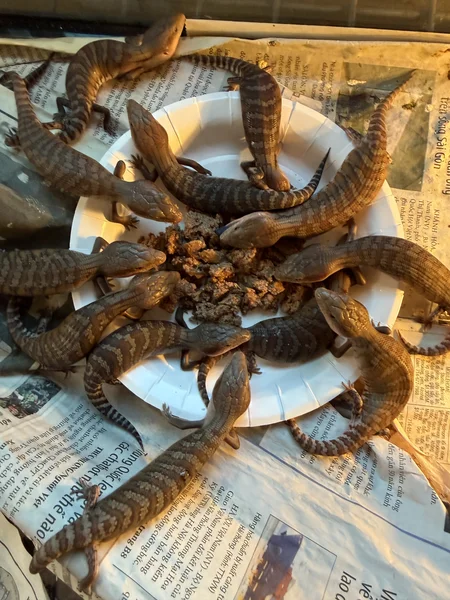
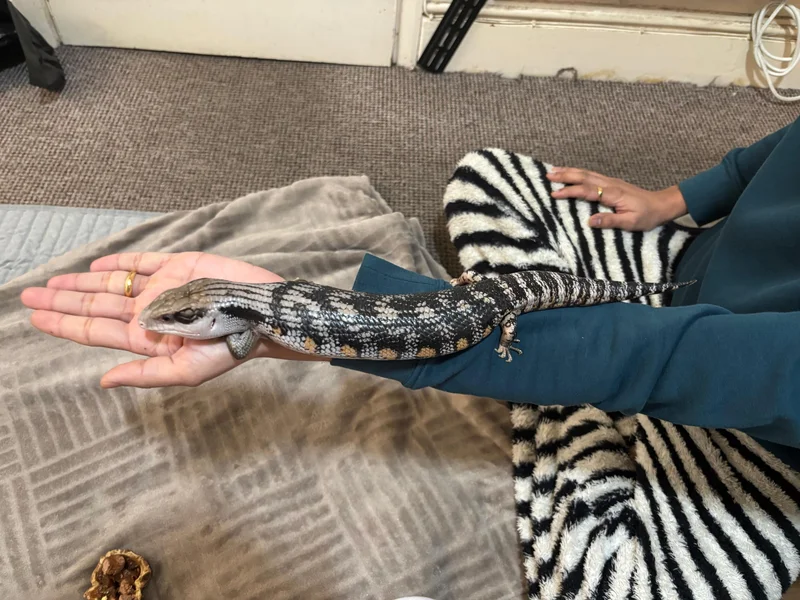
northern blue-tongued skinks
Skink
SkinksOC
baby
$200
10% OFF WITH THIS AD!
Sponsored

10% OFF WITH THIS AD!

Parpart's Pristine Pythons

SAVE 10% OFF ONE ANIMAL! MUST MENTION THIS AD FOR DISCOUNT!

AdvertisementWhy am I seeing this?
Blue-Tongued Skink + Vivarium / Full Setup – £350 Ono
Skink
Cy
juvenile
$360
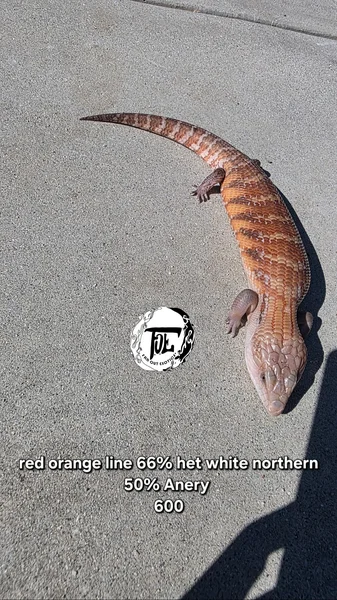
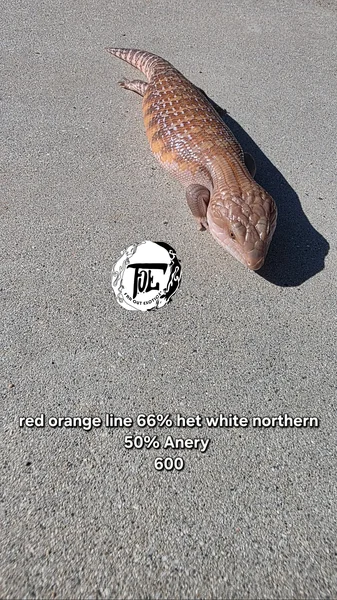
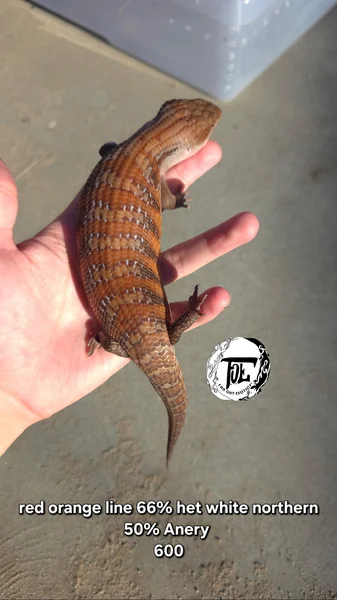
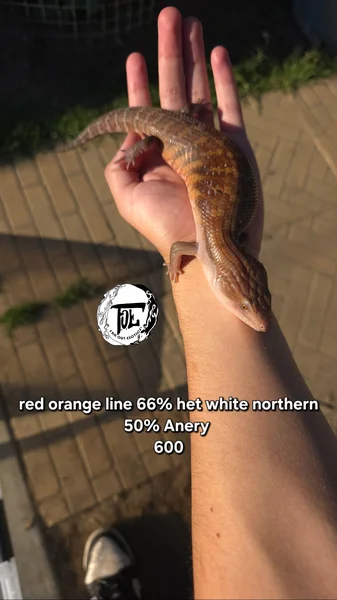
Red Orange Line 66% Het Ivory 50% het Anery
Skink
Far Out Exotics
baby
$600
Red Orange Line 66% Het Ivory 50% het Anery
Skink
Far Out Exotics
baby
$600
Red Orange Line 66% Het Ivory 50% het Anery
Skink
Far Out Exotics
baby
$600
Red Orange Line 66% Het Ivory 50% het Anery
Skink
Far Out Exotics
baby
$600
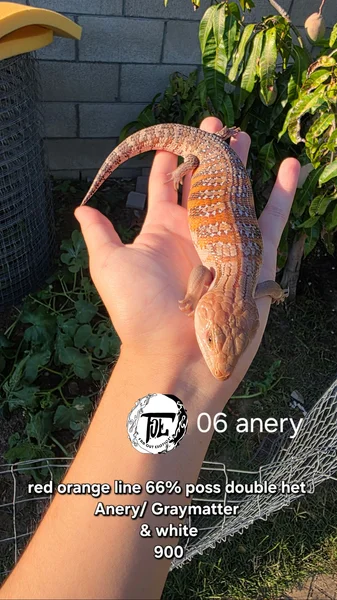
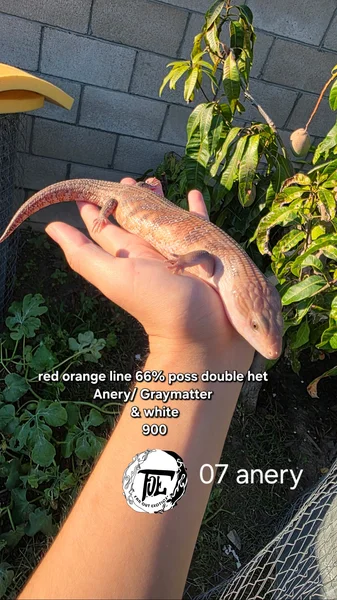
Red Orange Line 66%Double Het Anery/Ivory
Skink
Far Out Exotics
juvenile
$1000
Red Orange Line 66%Double Het Anery/Ivory
Skink
Far Out Exotics
juvenile
$1000
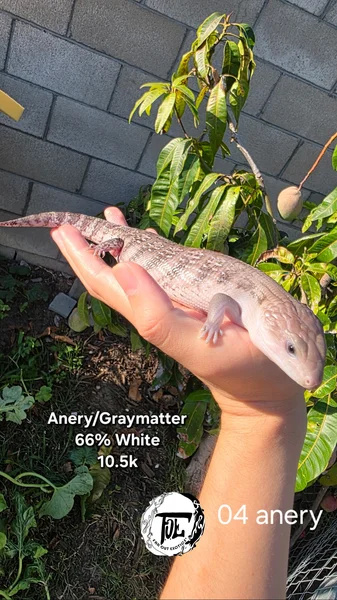
Graymatter/Anery 66% het White/Ivory Blue Tongue Skink
Skink
Far Out Exotics
juvenile
$10500
1

Pet Skinks: A Buyer's Guide to Blue-Tongues and Beyond

Adult size
About 3 to 14 inches, varying by species
Lifespan
Around 5 to 15 years depending on species
Diet
Omnivorous: insects, greens, vegetables and some fruit
Native range
Worldwide, mainly tropical and subtropical regions
Care level
Beginner to intermediate depending on species

Skinks make up one of the most diverse lizard families on the planet, found across Africa, Asia, Australia and the Americas. In the hobby they are valued for their sturdy builds, curious personalities and flexible diets. Knowing which species you are looking at is the key to setting up the right home.

Which skinks are popular as pets?

Blue-tongued skinks (Tiliqua) are the best-known pet skinks. Keepers often talk about Australian types such as Northern and Eastern blue-tongues, and Indonesian types such as Tanimbar, Halmahera and Merauke forms. Beyond blue-tongues, fire skinks, Schneider's skinks, and various other species appear in the hobby, each with its own look and habits.

Most skinks share a smooth, glossy scale texture and relatively short legs, and many are ground-dwellers that enjoy burrowing. Some are more secretive than others, so it is worth reading up on the activity level of a species before you choose.

How big do skinks get and how long do they live?

Adult size spans roughly 3 to 14 inches depending on species. Blue-tongued skinks are among the larger ones commonly kept, while many other skinks remain small enough for modest enclosures.

Lifespans usually fall between 5 and 15 years depending on species. Larger, well-established pet species often reach the higher end of that range with good husbandry, so plan for a long-term companion.

Setting up a skink enclosure

Skinks generally benefit from floor space rather than height. A secure enclosure with multiple hides, a warm basking area and a cooler side lets them move between temperatures as they need. Substrate that holds its shape and allows digging is appreciated by most species.

Humidity is where species differ most. Australian blue-tongues often do well in moderate humidity, while Indonesian blue-tongues and many tropical skinks prefer it higher. Many keepers also provide UVB lighting. The ReptileAds skink care guide has species-level recommendations.

What do skinks eat?

Most commonly kept skinks are omnivorous. A typical captive diet mixes insects and other invertebrates with leafy greens, vegetables and some fruit, with the balance adjusted to the species. Blue-tongues in particular are known for eating a broad variety of foods.

Keeping notes on what you feed, how often, and your skink's weight helps you see whether the routine is working. Husbandry.Pro is a handy way to log feedings, sheds and weights in one place so patterns are easy to spot.

How to choose and buy a skink online

Decide on the species first, then compare listings for age, captive-bred status, locality or lineage and feeding history. Clear photos and a thorough description are good signs that a seller knows their animals.

On ReptileAds you can message sellers through built-in chat to ask about temperament, current temperatures and humidity, and how the animal will be shipped or picked up. Reviewing the seller's profile and past buyer reviews helps you choose confidently. Skinks are generally lightly regulated, but local rules can still apply, so check them before you buy.

AI-assisted guide reviewed by the ReptileAds team. General information about these animals — not care, veterinary or legal advice, and not a description of any individual listing above.

Browse Skinks for Sale from Trusted Breeders


Welcome to the Reptileads skink marketplace - your destination for finding healthy, captive-bred skinks from experienced breeders and reptile enthusiasts. Skinks are a diverse group of lizards known for their smooth scales, sturdy bodies, and adaptable behavior, making them popular pets among reptile keepers.

Whether you're searching for your first reptile or expanding your collection, this category helps you explore available listings and connect directly with sellers.

Each listing typically includes:

  1. Species information
  2. Age and size
  3. Feeding habits
  4. Photos
  5. Seller details
  6. Availability and shipping options

These details help buyers make informed decisions before purchasing.

About Skink Lizards
Basic Skink Care Overview
Sell Skinks on Reptileads

Skinks are found in many parts of the world, including Australia, Africa, Asia, and the Americas. They vary widely in size and behavior, but many species are known for being hardy and relatively easy to care for when proper husbandry is provided.

Common characteristics include:

  1. Smooth, shiny scales
  2. Moderate activity levels
  3. Omnivorous or insect-based diets
  4. Strong digging and burrowing behavior
  5. Long lifespan with proper care

Many skinks adapt well to captivity and can become calm, manageable pets.

Understanding proper husbandry is essential before purchasing a skink.

Temperature

  1. Basking temperature: typically 90–100°F depending on species
  2. Ambient temperature: 75–85°F

Humidity

  1. Moderate humidity requirements depending on species

Enclosure

  1. Secure enclosure with hiding areas and substrate for burrowing

Diet

  1. Insects, vegetables, and prepared diets depending on species

Providing a proper environment helps skinks remain healthy and active.

If you breed or keep skinks, you can list them on Reptileads and connect with buyers searching for healthy reptiles.

Creating a listing allows you to reach a targeted audience while building trust through seller feedback and reputation.
Frequently Asked Questions

Yes, many are. Blue-tongued skinks in particular are sturdy, often calm with handling and eat a varied diet, which makes them a popular choice for new keepers.
Skinks range from about 3 inches to around 14 inches depending on species. Blue-tongued skinks sit near the top of that range, while many other species stay much smaller.
Most pet skinks are omnivores. Keepers usually offer a mix of insects and other invertebrates plus leafy greens, vegetables and small amounts of fruit.
Skinks commonly live around 5 to 15 years depending on species, and larger species like blue-tongues often reach the upper end of that range.
Look for the species, age, whether it is captive-bred, recent feeding notes and clear photos. Message the seller with any questions before you buy.
Image

ReptileAds.com is from Purple Turtle Technologies LLC with a strategic partnership with Husbandry.Pro and Redline Shipping. Decades of experience brought together to create the future of reptile classifieds.

  • Husbandry.Pro
  • Redline Shipping

Copyright 2025 Purple Turtle Technologies LLC. All Rights Reserved.

Marketplace
  • All Animals
  • Ball Pythons
  • Buy Turtles
  • Buy Frogs
  • Buy Toads
Resource
  • Resources
  • Care Guides
  • About Us
  • Contact
  • News
  • FAQs
  • Privacy Policy
  • Terms and Conditions
My account
  • Profile
  • Sign Up
  • Login
  • Redline Shipping
  • Sitemap
Subscribe to our newsletter

Signup for our newsletter to get the latest news in your inbox.