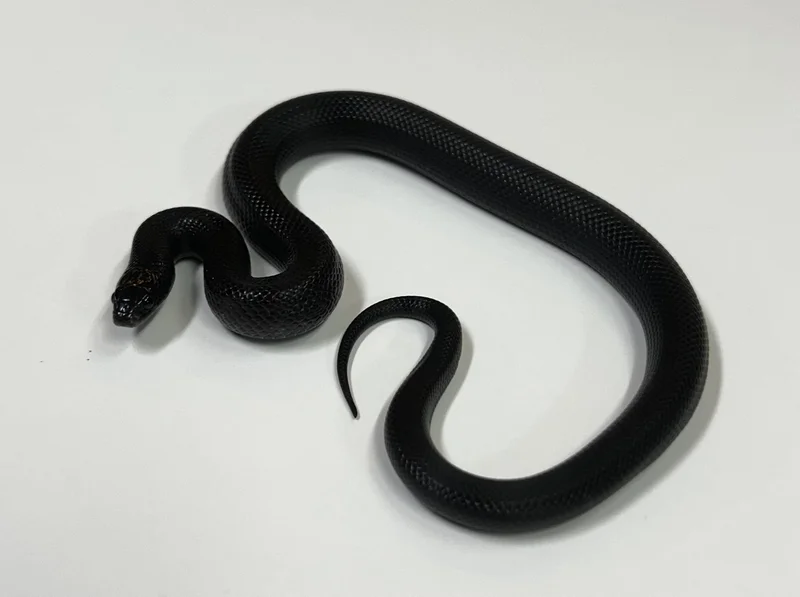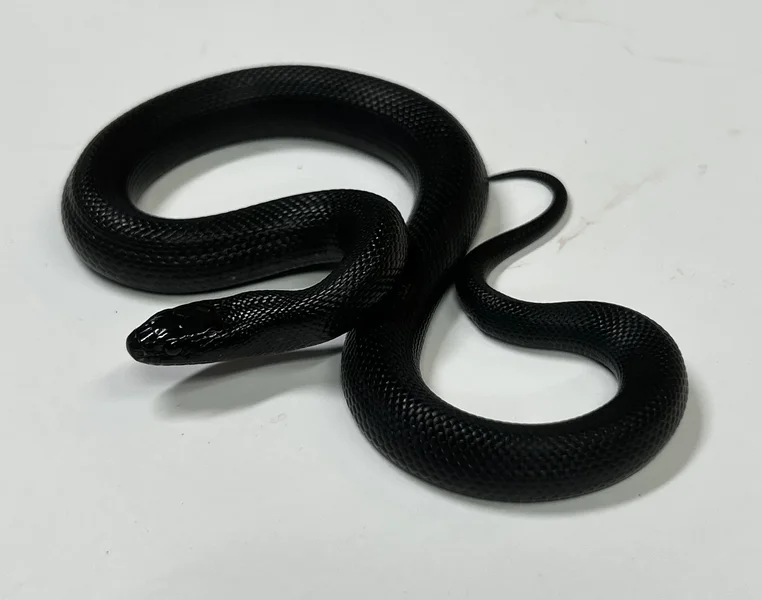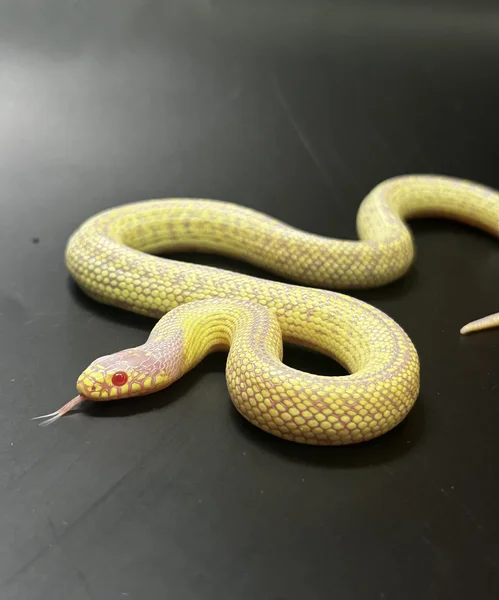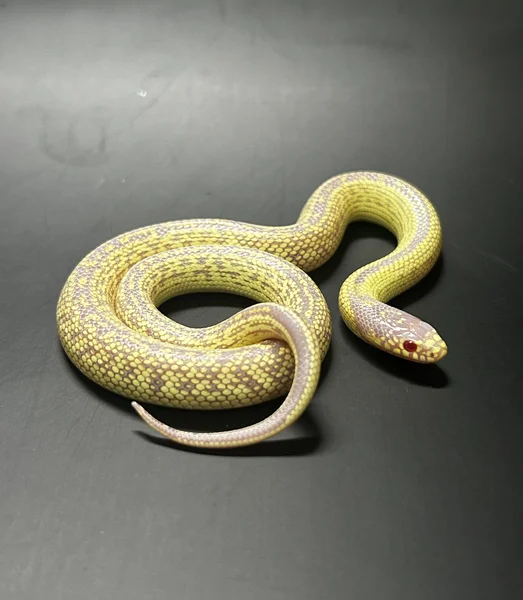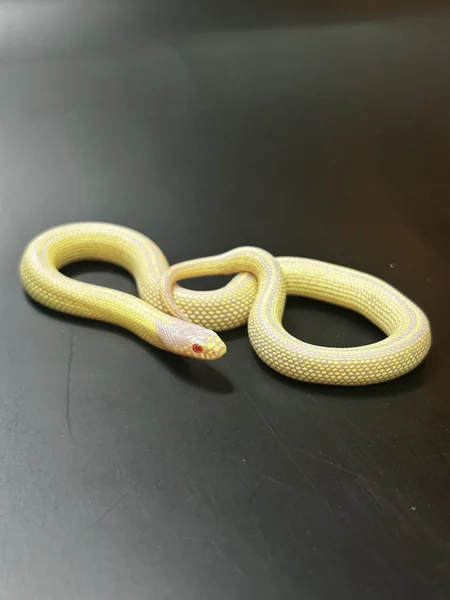
Browse kingsnakes for sale from breeders and keepers, from California and Mexican black kingsnakes to gray-banded, eastern and mountain kingsnakes, and message sellers directly.
Showing 1 to 9 of 9 animals
Showing 1 to 9 of 9 animals

Watch Now!!!
Kingsnakes are sturdy, bold colubrids found from southern Canada through Mexico, and they have been staples of the reptile hobby for decades. The group ranges from glossy black desert snakes to banded mountain species and small tricolored mimics. This guide introduces the main kingsnake types on ReptileAds, their shared care needs and how to decide which one suits you.
Kingsnakes belong to the genus Lampropeltis, which also includes milk snakes. On ReptileAds, the most commonly kept species each have their own subcategory: California Kingsnakes, Mexican Black Kingsnakes, Eastern Kingsnakes, Scarlet Kingsnakes, Gray-Banded Kingsnakes, Speckled Kingsnakes and Mountain Kingsnakes. Species and localities outside those groups can be found under Other Kingsnakes.
The common kingsnake complex, which includes the California, eastern, speckled and Mexican black kingsnakes, has been reorganized by taxonomists several times, so you will see a mix of older subspecies names and newer species names. The common name is usually the easiest way to search.
Size varies more than many buyers expect. Scarlet kingsnakes are among the smallest, often under 2 feet, while gray-banded and mountain kingsnakes are moderate in size. California and Mexican black kingsnakes typically reach 3 to 4 feet, and eastern kingsnakes can grow larger still.
Kingsnakes are long-lived, and many reach 15 to 20 years in captivity. That makes record-keeping worthwhile, and Husbandry.Pro gives you an easy way to log feedings, sheds and weights over the years, or to track pairings and clutches if you breed.
Most kingsnakes do well in a secure enclosure with a warm side, a cooler side and a hide at each end. Humidity needs are moderate for most species, while desert kingsnakes such as the gray-banded prefer drier conditions with a humid hide available for shedding. They are strong and determined, so a well-fitted, locking lid matters.
Kingsnakes are known for their feeding response, and most take frozen-thawed rodents readily. Because they eat other snakes in the wild, they must always be housed alone. Each species subcategory has a ReptileAds care guide with more specific ranges.
Start by matching the species to your space and interests. If you want a hardy, widely kept snake with lots of pattern variety, the California kingsnake is a common starting point. If you are drawn to locality work, gray-banded and mountain kingsnakes have dedicated followings.
Once you have a species in mind, open its subcategory and compare listings by age, sex and genetics. Message sellers through built-in chat about feeding history and lineage, review their profiles, and save a Hit List alert for anything you are still waiting on.
AI-assisted guide reviewed by the ReptileAds team. General information about these animals — not care, veterinary or legal advice, and not a description of any individual listing above.
The kingsnake category gathers Lampropeltis kingsnakes from breeders and keepers, and each species has its own subcategory. Jump into California, Mexican black, eastern, scarlet, gray-banded, speckled or mountain kingsnakes, or check Other Kingsnakes for species and localities that fall outside those groups.
Within each subcategory, filter by sex, age and genetics, then open listings to compare photos, hatch dates and feeding notes. Locality information is especially valued with kingsnakes, so look for it in the description or ask the seller.
Built-in chat lets you ask questions directly, seller profiles and reviews give you context, and a Hit List alert tells you when a kingsnake matching your search is listed.
ReptileAds organizes kingsnake listings by species so you can find the snake you want quickly.
Browse dedicated categories for California, Mexican black, eastern, gray-banded and other kingsnakes instead of sorting through everything at once.
Compare locality animals and selectively bred forms from different breeders, with photos and descriptions in one grid.
Ask about feeding, lineage and shipping through built-in chat before you make a decision.
Kingsnake care is similar across most species, with some differences in size and climate. In general:
Each species page links to a detailed ReptileAds care guide with specific ranges.
Before you buy, it helps to think through a few points and ask the seller:
Comparing a few listings within the same species gives you a clear sense of typical ages and lines.