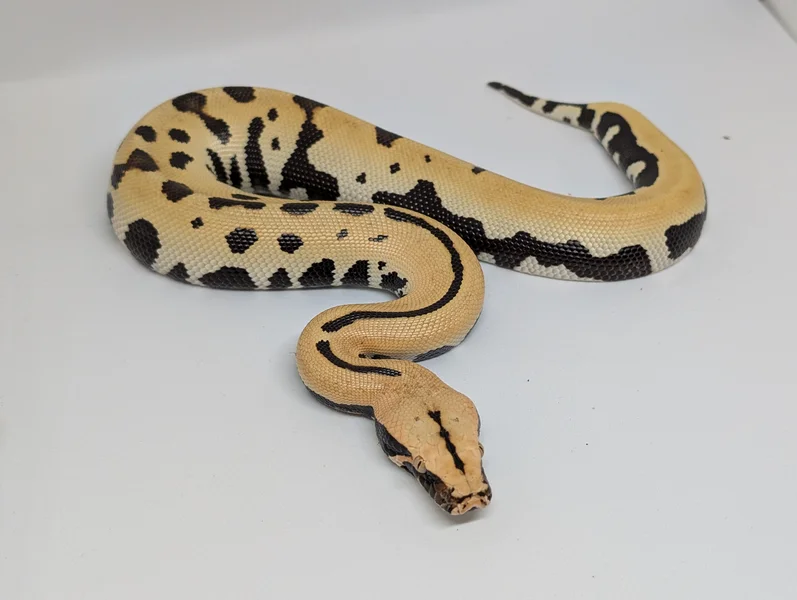
Explore short-tailed pythons for sale, including blood pythons and Borneo and Sumatran short-tailed pythons, and connect with breeders who work with these heavy-bodied Southeast Asian snakes.
Showing 1 to 5 of 5 animals
Showing 1 to 5 of 5 animals

SAVE 10% OFF ONE ANIMAL! MUST MENTION THIS AD FOR DISCOUNT!
Short-tailed pythons are stout, powerful snakes from the humid lowlands of Southeast Asia. The group includes three species that share a heavy build and a stubby tail but differ in color, size and origin. Knowing how they compare makes it much easier to choose the right one.
The blood python, Python brongersmai, is the most widely kept and is found on the Malay Peninsula, Sumatra and nearby islands. The Borneo short-tailed python, P. breitensteini, is limited to Borneo, and the Sumatran short-tailed python, P. curtus, is found on Sumatra. For many years all three were treated as one species, which is why older sources can be confusing.
On ReptileAds each has its own category, and an Other Short-Tailed Pythons category covers animals whose origin or identity sits outside those three.
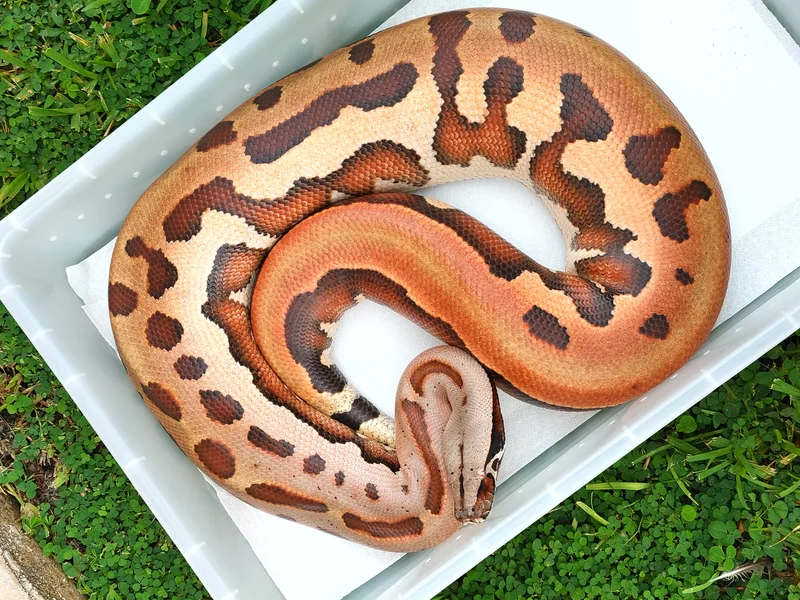
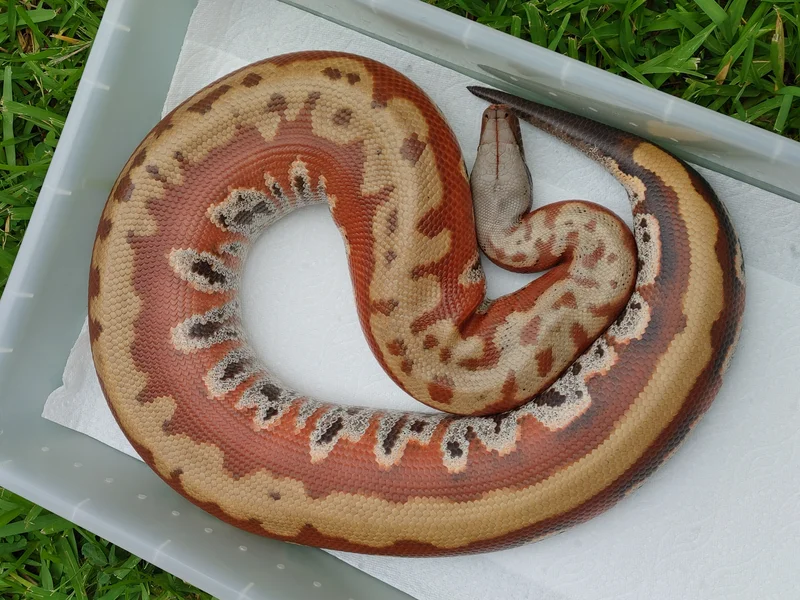
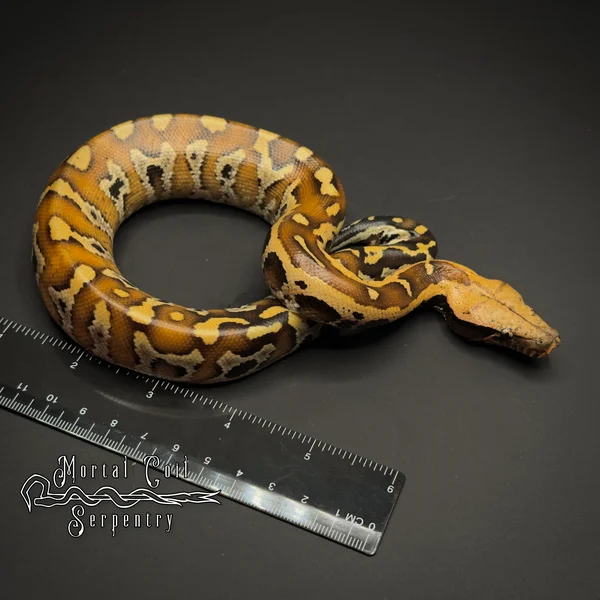
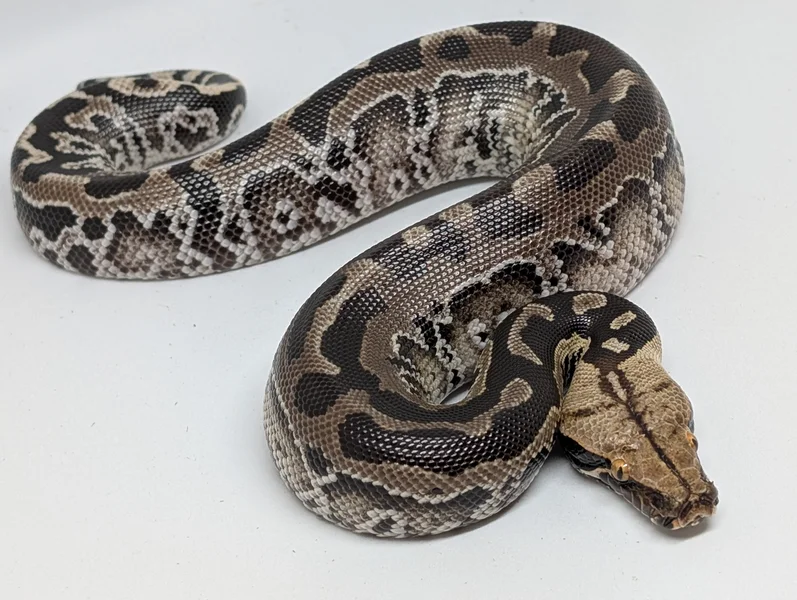
Blood pythons are best known for warm red, orange and yellow coloration and tend to be the heaviest of the three. Borneo short-tailed pythons are usually tan, brown or olive with a more subtle pattern, and Sumatran short-tailed pythons are often darker, with gray, silver or nearly black tones.
All three stay relatively manageable in length, but their weight and girth surprise many first-time owners. Temperament varies between individuals, and young snakes often become calmer with consistent, gentle handling.
These snakes spend most of their time on the ground, often partly buried in leaf litter or resting in water. A secure enclosure with good floor space, sturdy hides, a moisture-retaining substrate and a large water bowl suits them well. They generally prefer moderate warmth rather than a very hot basking spot, along with high humidity.
Tracking feedings, sheds and weights over time is worthwhile with any python, and Husbandry.Pro gives you a straightforward place to keep those logs and any breeding records together.
Decide first whether color, size or a particular species matters most to you, then browse the blood, Borneo and Sumatran categories to compare listings. Ask sellers about origin, captive-bred status and feeding history, and review seller profiles before committing. If a species is scarce, set a Hit List alert so you hear about new listings quickly, and read the ReptileAds care guides to have the enclosure ready in advance.
AI-assisted guide reviewed by the ReptileAds team. General information about these animals — not care, veterinary or legal advice, and not a description of any individual listing above.
The short-tailed python group covers three closely related snakes, and ReptileAds gives each its own category: Blood Pythons, Borneo Short-Tailed Pythons and Sumatran Short-Tailed Pythons, plus Other Short-Tailed Pythons for animals that do not fit neatly elsewhere.
Start here to see the whole group, then drill into a species once you know which look and adult size you prefer. Blood pythons are known for red, orange and yellow tones, while Borneo and Sumatran animals are often darker or more subtly colored.
Message sellers through built-in chat to confirm species, origin and feeding history, and check seller profiles and reviews. A Hit List alert will notify you when a matching snake is listed.
ReptileAds groups all three short-tailed python species in one place so you can compare them easily.
Move between blood, Borneo and Sumatran categories to compare color, build and adult size before narrowing your search.
Ask about origin, feeding response and how the snake has settled. Built-in chat keeps the whole conversation in one thread.
Borneo and Sumatran animals can be harder to find. Set a Hit List alert and be notified when one is posted.
These are thick, ground-dwelling snakes from humid Southeast Asian forests and swamps. Keepers generally provide:
See the ReptileAds care guide for each species for fuller detail.
Because the three species look similar when young, clear information from the seller matters. Ask: