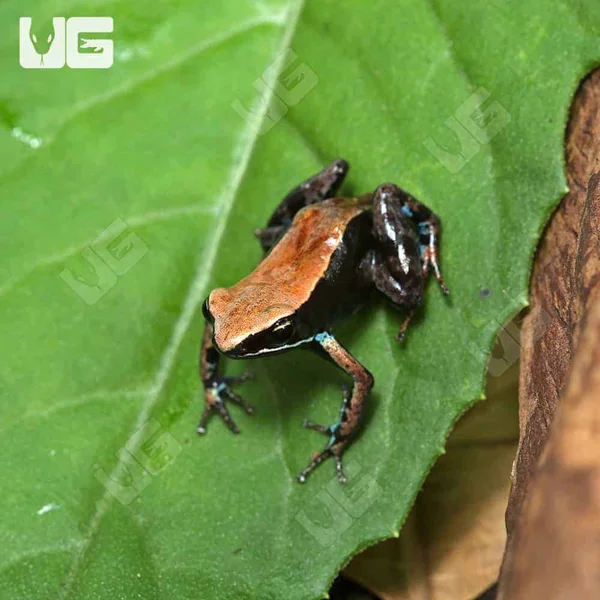
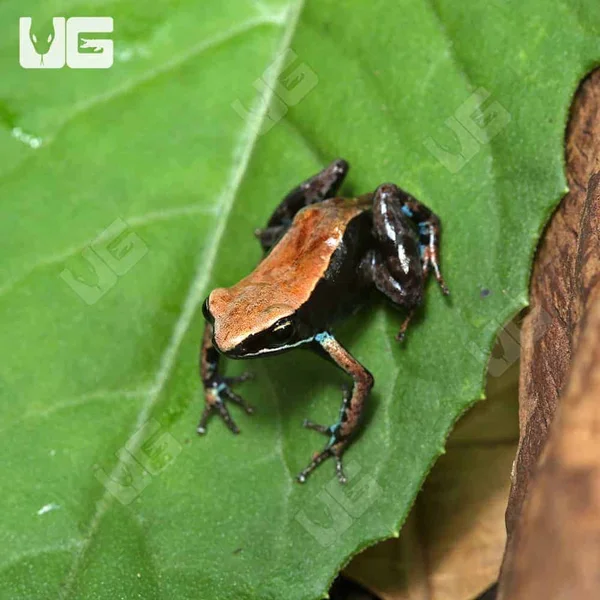
Shop dart frogs for sale from breeders and hobbyists, including tinctorius, auratus, leucomelas and thumbnail species, and chat with sellers to plan a planted vivarium for these vivid little frogs.
Showing 1 to 2 of 2 animals
Showing 1 to 2 of 2 animals

Buy one and get 50% off either of the other animals (equal or lesser value). Mention this ad.
Dart frogs are some of the most colorful amphibians in the hobby, and unlike many frogs they are active during the day. Native to rainforests of Central and South America, including Colombia, Ecuador, Peru, Brazil and Panama, they live well in planted vivariums that double as living displays. Understanding their needs before you buy helps you enjoy them for years.
Dendrobates tinctorius is a favorite, with many named morphs such as Azureus, Citronella and Powder Blue that keepers seek out. Dendrobates auratus, the green and black dart frog, and Dendrobates leucomelas, the bumblebee dart frog, are also classic choices known for their visibility and bold behavior.
Keepers who enjoy smaller frogs often look at Ranitomeya species, sometimes called thumbnails, such as R. imitator and R. variabilis. Phyllobates species, including the golden poison frog, round out the range. Localities matter to many hobbyists, so listings frequently include both the species and its locality.
Most dart frogs measure only 1 to 2 inches as adults, which is why a well-planted vivarium can comfortably house a pair or small group. Thumbnail species sit at the small end, while tinctorius and some Phyllobates are among the larger options.
Lifespans range from about 3 to 15 years depending on species. Many of the larger Dendrobates can live toward the top of that range, so a dart frog vivarium is a long-term project.
Dart frogs do best in a bioactive-style glass vivarium with a drainage layer, a moisture-holding substrate, leaf litter and live plants such as bromeliads, pothos and ferns. Cork bark and hides give them places to retreat, and a cleanup crew of springtails and isopods helps break down waste.
High, steady humidity is essential, balanced with enough ventilation to prevent stagnant air. Most species prefer moderate temperatures and can struggle when it gets too warm, so avoid placing the vivarium in direct sun. The ReptileAds dart frog care guide covers setups in more depth.
Dart frogs eat tiny live prey. Fruit flies, usually flightless Drosophila melanogaster or the slightly larger D. hydei, are the staple, supplemented with springtails and, for bigger frogs, small crickets. Dusting feeders with calcium and vitamins is a routine part of care, and keeping fly cultures going is a skill in itself.
For keepers working with pairs, egg clutches and tadpoles add another layer to track. Logging feedings, supplement schedules, clutches and morph lines in Husbandry.Pro makes it much easier to see what is working over time.
Decide on a species that fits your vivarium size and the feeders you can culture, then read listings carefully for species, locality and age. Juveniles are commonly offered and are usually harder to sex, so ask the seller whether sex is known before you plan on a pair.
Use the chat to confirm what the frogs are eating and how they will be packed, especially during temperature extremes. Some dart frog species are regulated in certain places, so check your local rules. With a settled vivarium and fly cultures ready, your frogs will have a smooth start.
AI-assisted guide reviewed by the ReptileAds team. General information about these animals — not care, veterinary or legal advice, and not a description of any individual listing above.
Dart frogs are small, day-active frogs from Central and South America, prized for their bold colors and busy behavior in planted vivariums. Here you will find listings from breeders and keepers covering popular groups such as Dendrobates tinctorius, D. auratus, D. leucomelas and the tiny Ranitomeya thumbnails, often labeled by locality or morph.
Many keepers buy dart frogs as juveniles, in pairs or in small groups, so check how each listing is offered and whether sex is known. Ask the seller through built-in chat what size feeder insects the frogs are on and how they will be shipped in hot or cold weather. Browse seller profiles and reviews, and set a Hit List alert if you are waiting for a particular locality.
ReptileAds brings dart frog breeders and hobbyists together so you can compare localities and ask questions in one place.
Compare listings by species and locality, and ask sellers about the lineage of their frogs.
Message sellers directly to confirm feeder size, age and shipping arrangements before you buy.
Set a Hit List alert and be notified when the dart frog you are looking for is listed.
Dart frogs thrive in lush, humid vivariums that mimic a rainforest floor. Here are the essentials:
Visit the full ReptileAds dart frog care guide to plan your vivarium.
A little planning helps you pick frogs that fit your vivarium and schedule.