Explore other frogs for sale, from African bullfrogs and tomato frogs to mossy frogs, mantellas and aquatic species, listed by breeders and keepers who specialize in less common frogs.
Showing 1 to 4 of 4 animals
Showing 1 to 4 of 4 animals

Proudly Support Vets & 1st Responders
Frogs are found on every continent except Antarctica, in habitats ranging from rainforest canopies to deserts and wetlands. Beyond the dart, tree and Pacman frogs that dominate the hobby, there is a wide world of species with fascinating shapes, colors and lifestyles. This category is where many of those frogs are listed.
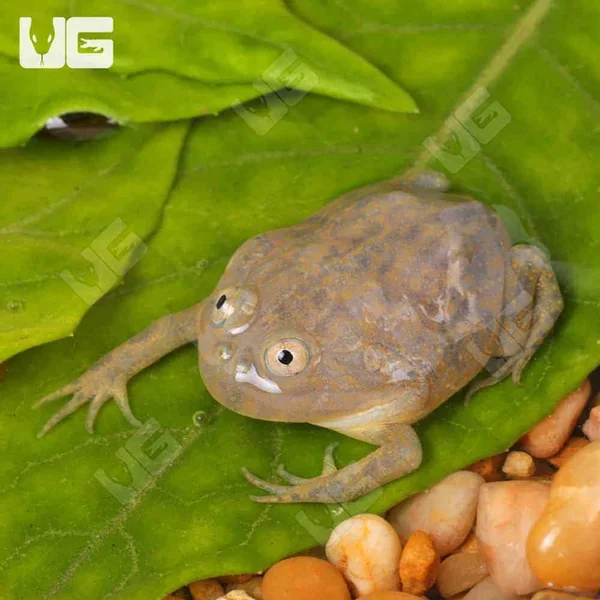
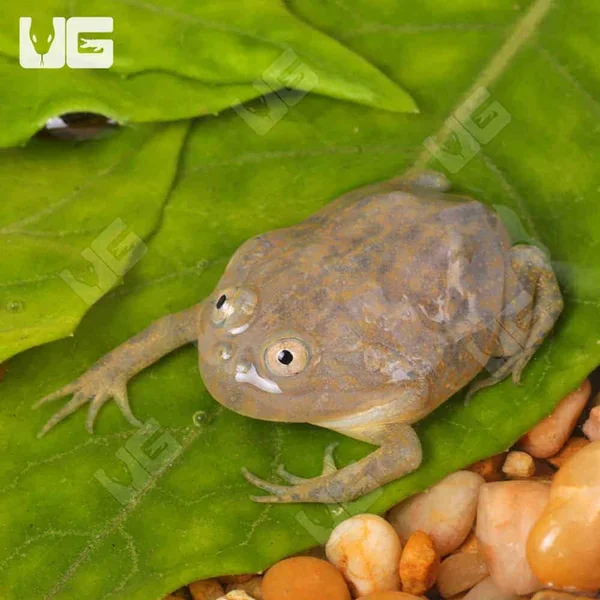
Some of the most requested species here are large terrestrial frogs. The African bullfrog is a heavyweight burrower with a bold feeding response, the tomato frog is a round, bright orange-red frog from Madagascar, and Budgett's frog is a flattened, wide-mouthed ambush predator from South America.
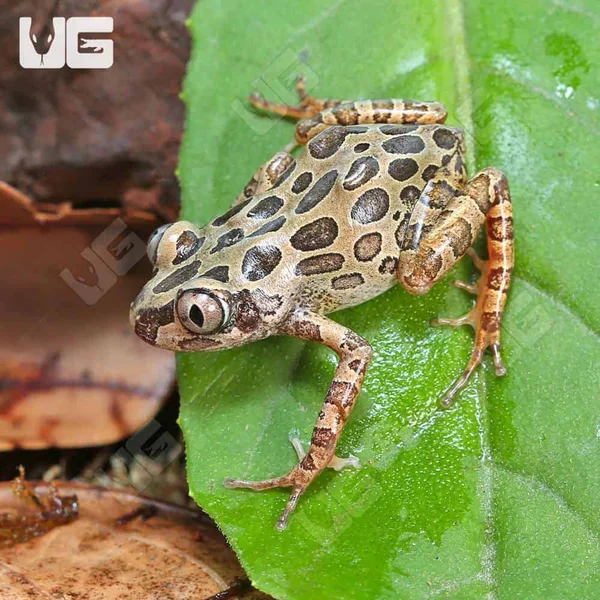
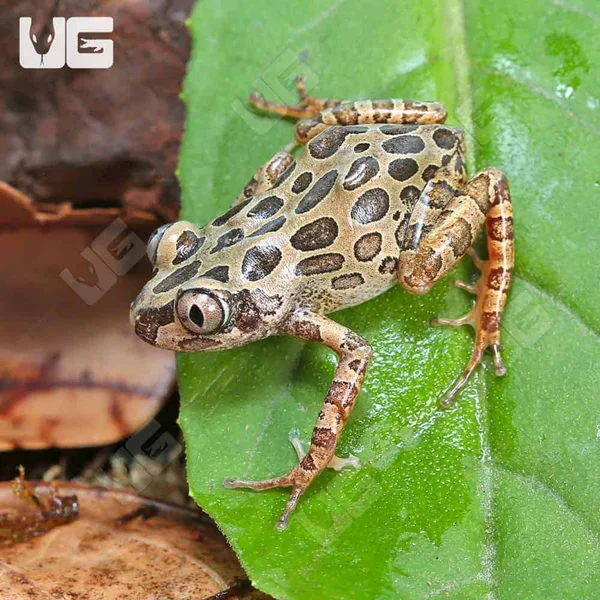
Others are prized for appearance. Vietnamese mossy frogs are camouflaged with textured green and brown skin, mantellas are small, colorful Madagascan frogs often compared to dart frogs, and reed frogs are slender climbers with patterned backs. Aquatic species such as African dwarf frogs and clawed frogs round out the group.
Across all frogs, adult size spans from a few millimeters in the tiniest species to roughly 30 centimeters in the largest. Among those kept as pets, African dwarf frogs and mantellas stay small, while African bullfrogs become some of the heaviest frogs in the hobby.
Lifespans typically fall between 3 and 15 years, depending on species and care. Some large species live well beyond that, so it is worth researching the specific frog you are considering.
Start by identifying how your frog lives. Burrowers such as African bullfrogs and tomato frogs want a deep, damp substrate and plenty of floor space. Mossy frogs do well in a humid paludarium with shallow water and textured surfaces, and fully aquatic frogs need a filtered aquarium with a secure lid.
Temperatures follow the native climate, so a cool-loving montane frog and a lowland tropical frog may need quite different rooms. Clean, dechlorinated water and steady humidity are important for all of them. The ReptileAds care guides cover setups for individual species.
Most frogs are carnivores or insectivores. Terrestrial species typically eat crickets, roaches and worms, while small frogs like mantellas need tiny prey such as fruit flies and springtails. Aquatic frogs often take bloodworms, blackworms or sinking pellets made for them.
When you are keeping a less familiar species, notes about what it eats and how often can be invaluable. Recording meals, weights and water changes in Husbandry.Pro helps you build a picture of what keeps your frog thriving.
Confirm the scientific name first, since common names vary. Ask the seller whether the frog is captive bred, how old it is and what it eats, and request recent photos showing clear skin and good body weight. Captive-bred animals of many uncommon species are increasingly available and tend to settle in smoothly.
Some exotic frogs are regulated in certain places, so check your local rules before buying. Once your enclosure is set up and stable, you can welcome a frog that few keepers get to enjoy.
AI-assisted guide reviewed by the ReptileAds team. General information about these animals — not care, veterinary or legal advice, and not a description of any individual listing above.
This category collects frogs that don't belong in the Dart Frogs, Tree Frogs or Pacman Frogs sections. Typical listings include African bullfrogs, tomato frogs, Vietnamese mossy frogs, Budgett's frogs, mantellas, reed frogs and aquatic species such as African dwarf frogs and clawed frogs.
Because these frogs vary so much in size and habitat, read each listing carefully and confirm the species with the seller. Use the built-in chat to ask whether the frog is captive bred, what it is eating and how it will be packed for travel. Browse seller profiles and reviews, and set a Hit List alert if the species you want isn't listed right now.
Less common frogs are easier to track down when keepers and breeders list them together.
Browse terrestrial, arboreal and aquatic frogs that fall outside the main frog categories.
Chat directly with sellers who keep unusual frogs and ask how they house and feed them.
Set a Hit List alert to be notified the moment a rare frog you want is listed.
Care varies widely between frog species, but most share a few fundamentals:
Look up the ReptileAds care guide for your chosen species before buying.
Clear answers make it much easier to prepare for an uncommon frog.