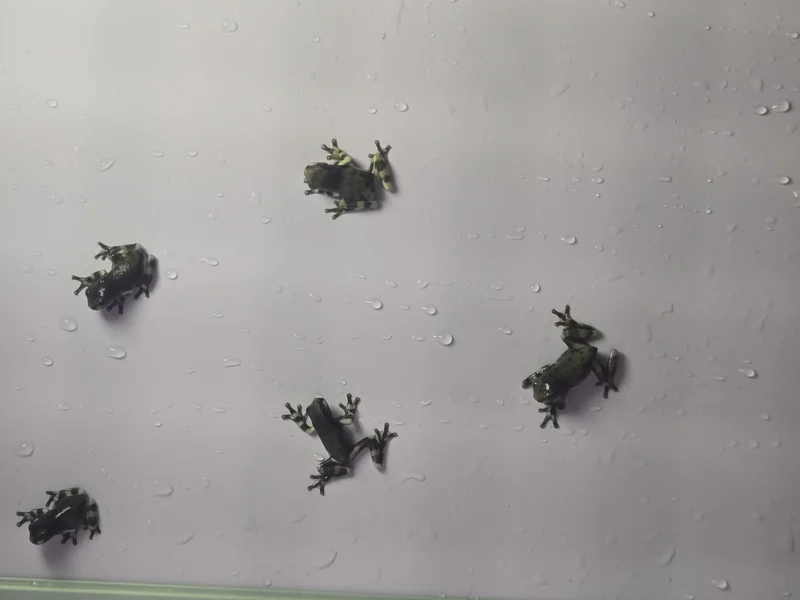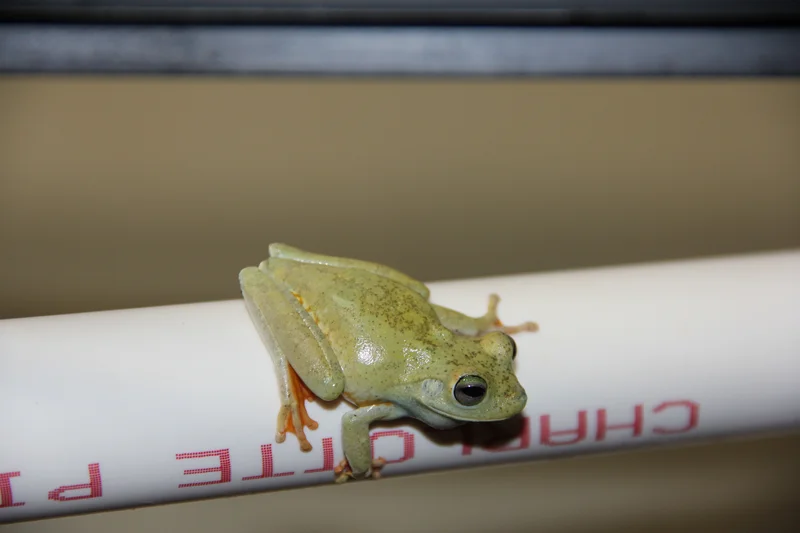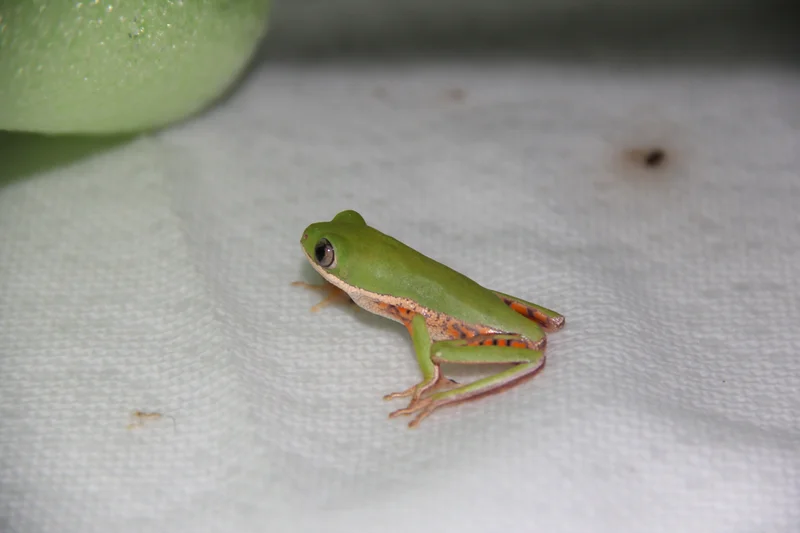
Find tree frogs for sale from breeders and keepers, from White's and red-eyed tree frogs to gray, green and Amazon milk frogs, and message sellers directly to choose the right climber for your terrarium.
Showing 1 to 3 of 3 animals
Showing 1 to 3 of 3 animals

Watch Now!!!
Tree frogs bring a vertical, living-display element to amphibian keeping, clinging to glass and leaves with their adhesive toe pads. The name covers a range of climbing frogs from the Americas, Australasia, Europe and Asia, including the Hylidae family and several close relatives. Most are nocturnal, which makes an evening check on the terrarium part of the enjoyment.
White's tree frog, sometimes called the dumpy tree frog, is widely kept thanks to its calm nature and robust build. The red-eyed tree frog is another favorite, admired for its green body, blue and yellow flanks and vivid red eyes. Amazon milk frogs are prized for their banded juvenile coloration and large adult size.
Native North American species such as American green tree frogs and gray tree frogs are smaller and often more active. Some species in the hobby, like White's and red-eyed tree frogs, are now placed in closely related families rather than Hylidae itself, but keepers still group them all as tree frogs.
Adult tree frogs generally measure 1 to 5 inches, depending heavily on species. Smaller North American species sit toward the lower end, while White's tree frogs and Amazon milk frogs reach the upper end and have noticeably heavier bodies.
Most tree frogs live around 3 to 10 years. The larger, sturdier species tend to be the longest lived, so choosing one is often a commitment of many years.
Because they climb, tree frogs need an enclosure taller than it is wide, furnished with branches, cork tubes, vines and sturdy live or artificial plants. A moisture-holding substrate helps keep humidity steady, and a shallow water dish gives them a place to soak.
Most tropical tree frogs appreciate warm daytime temperatures and a slight drop at night, alongside regular misting and enough ventilation to prevent stale air. Temperate species tolerate cooler rooms. Light should be gentle, and a care guide for your exact species will help fine-tune the details.
Tree frogs are insectivores that ambush prey at night. Crickets and roaches are common staples, with moths, flies and other insects adding variety. Feeders are usually dusted with calcium and vitamins, and the right prey size is roughly no wider than the space between the frog's eyes.
Larger species like White's tree frogs have big appetites and can gain weight easily, so portion control matters. Recording meals, sheds and weights in Husbandry.Pro gives you an easy way to keep an eye on body condition over time.
Start with the species that suits your space and expectations. A White's tree frog tolerates short, gentle interaction, while red-eyed tree frogs and many smaller species are better enjoyed as display animals. Look for listings with recent photos of alert frogs with clean skin and good body condition.
Ask the seller whether the frog is captive bred, what it is eating and how it will be shipped. Some species are subject to import or export rules, so check your local regulations. With a tall, humid terrarium ready and running, your new tree frog can settle in quickly.
AI-assisted guide reviewed by the ReptileAds team. General information about these animals — not care, veterinary or legal advice, and not a description of any individual listing above.
Tree frogs are climbing frogs with sticky toe pads, and this category gathers the species keepers most often call tree frogs. Look for White's tree frogs, red-eyed tree frogs, Amazon milk frogs, American green and gray tree frogs, and other arboreal species, listed by breeders and hobbyists.
Sizes and temperaments differ quite a bit, from small, skittish green tree frogs to large, relaxed White's tree frogs, so compare listings with your enclosure in mind. Ask sellers through built-in chat about age, current feeders and how the frog will be shipped, and review seller profiles and feedback before you decide. A Hit List alert can let you know when a specific species or color phase is listed.
ReptileAds makes it easy to compare tree frog listings and talk to the people who raised them.
Compare popular and less common tree frogs side by side, with photos and details from each seller.
Use built-in chat to ask about feeding, housing and shipping plans directly with the seller.
Read ReptileAds care guides to prepare a tall, humid terrarium before your frog arrives.
Tree frogs spend much of their time off the ground, so their setup focuses on height and climbing space:
Read the full ReptileAds tree frog care guide for species-specific advice.
Keep these points in mind as you compare tree frog listings.