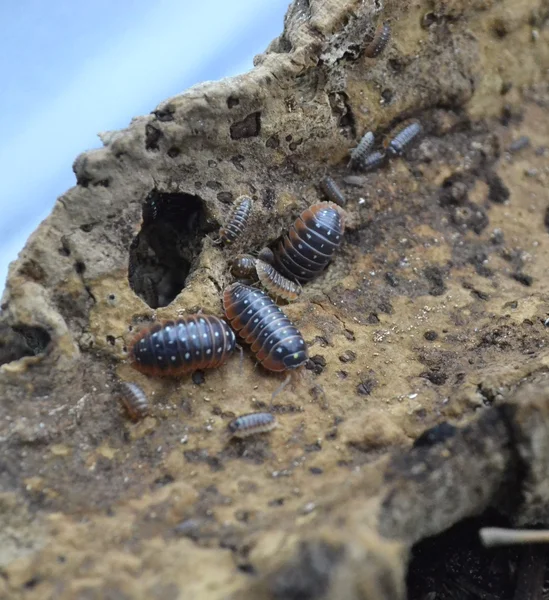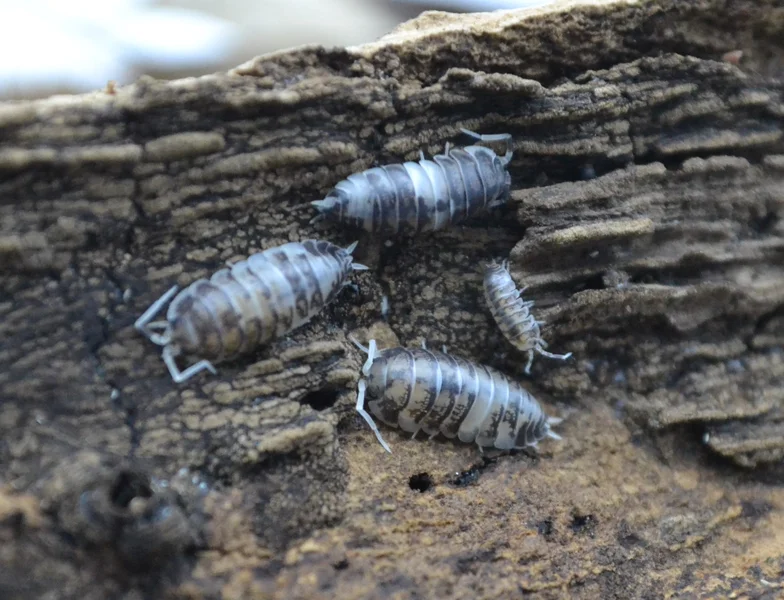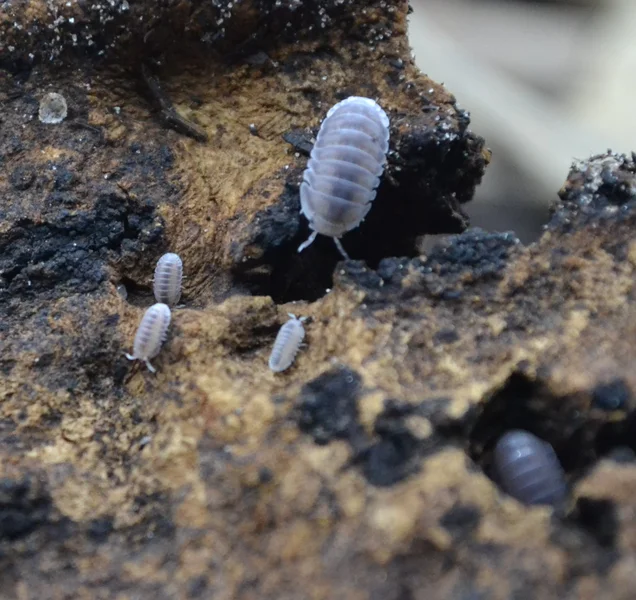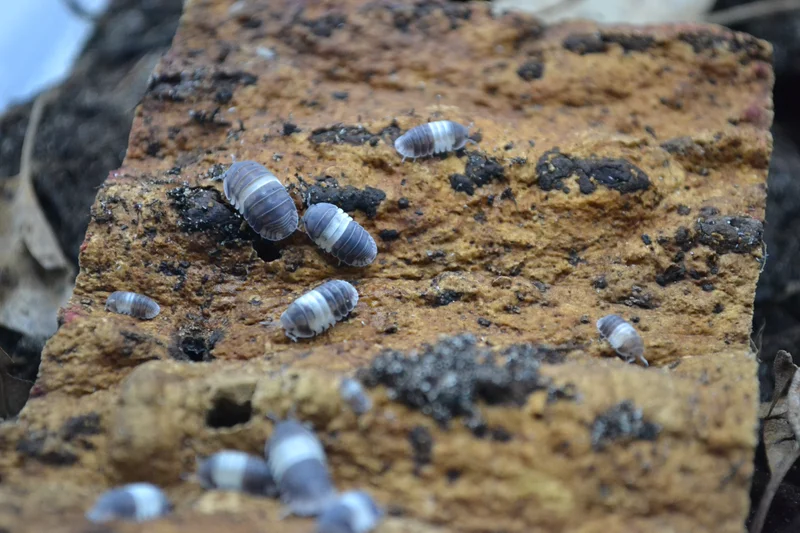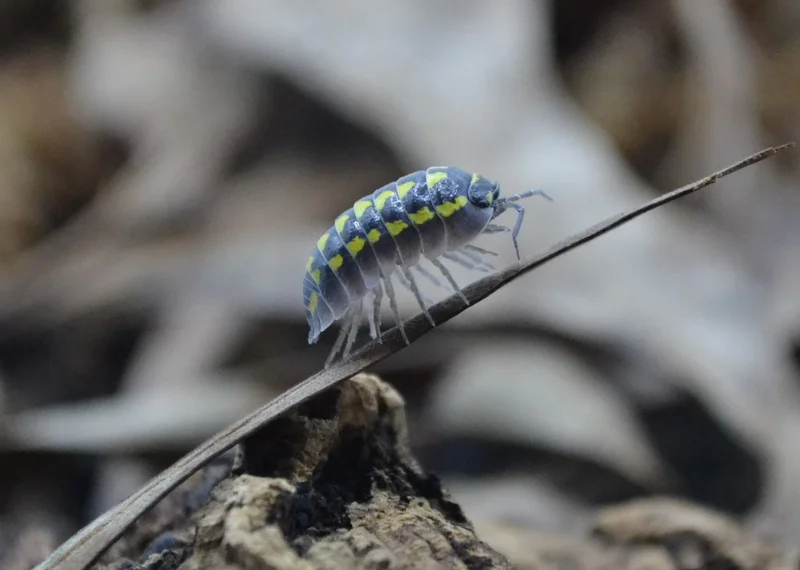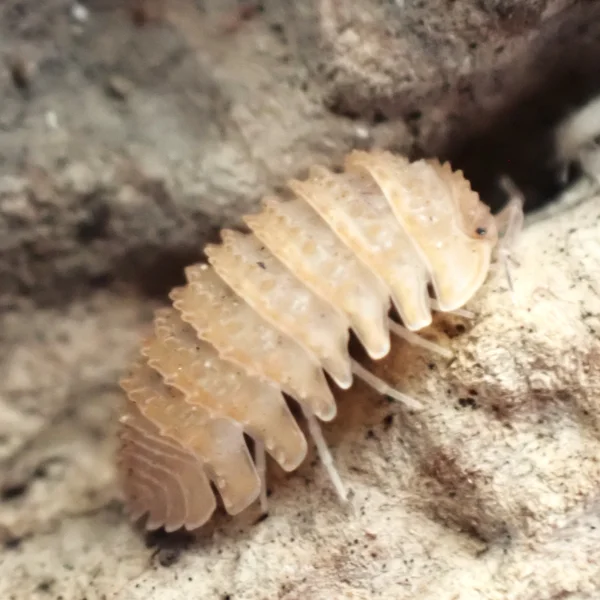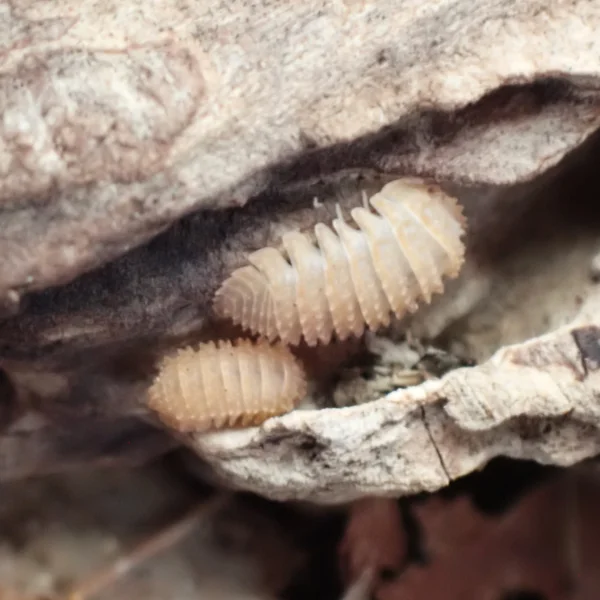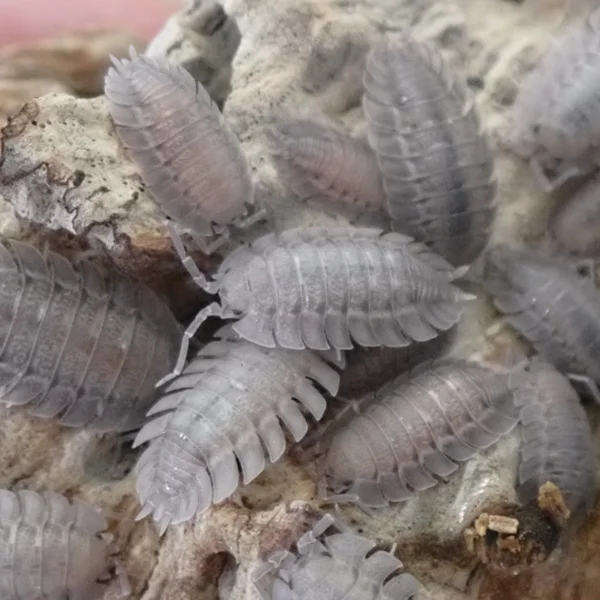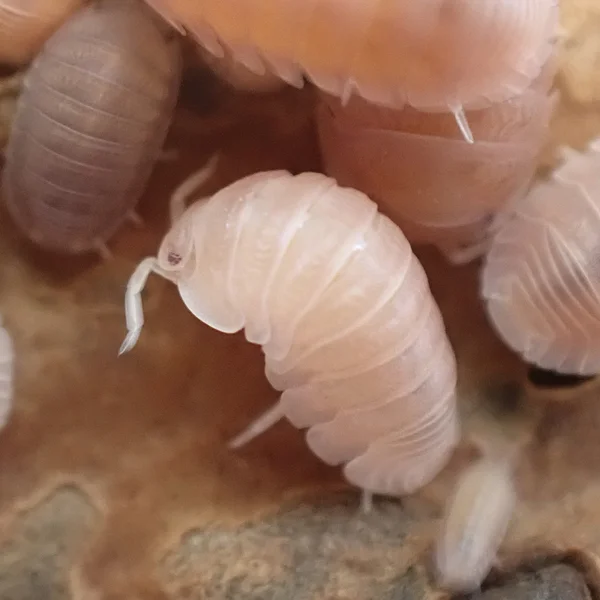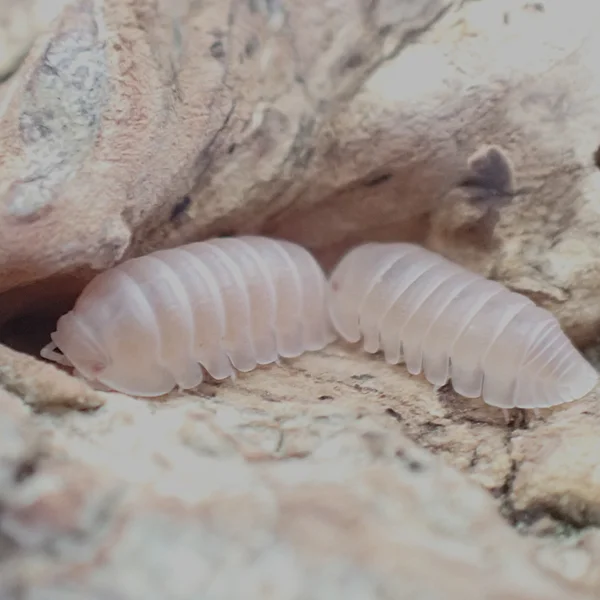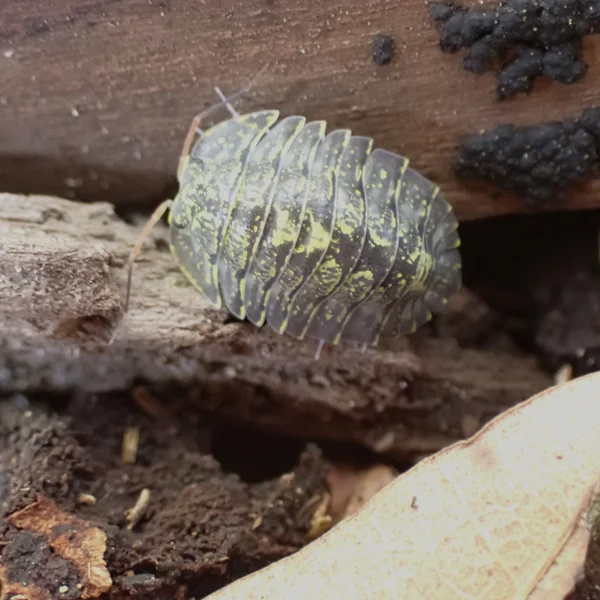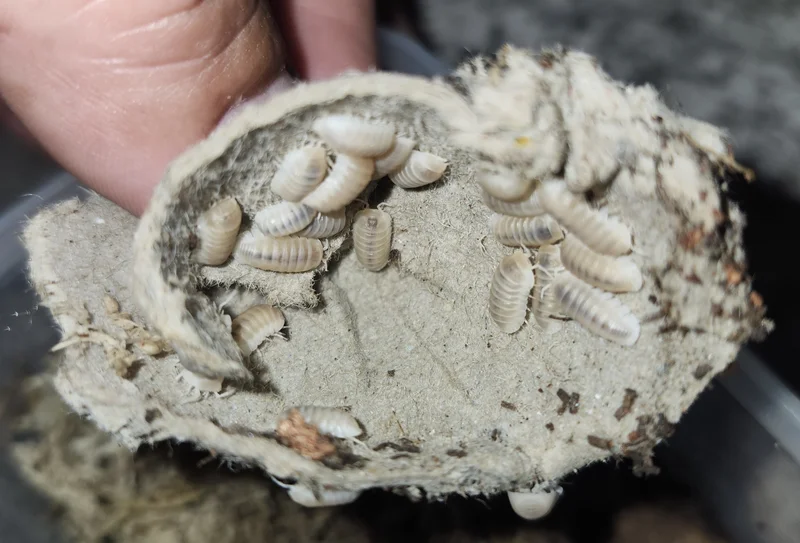
Find isopods for sale from breeders and hobbyists, including dairy cows, powder blues, zebras and rubber duckies, for display cultures or as a cleanup crew in your bioactive vivarium.
Showing 1 to 17 of 17 animals
Showing 1 to 17 of 17 animals

Proudly Support Vets & 1st Responders
Isopods, often called woodlice, pill bugs or roly-polies, are small crustaceans that have adapted to life on land. They play a valuable role breaking down decaying organic matter, which makes them popular both as cleanup crews and as collectible display animals. With a rich substrate and a little moisture, a colony can grow steadily.
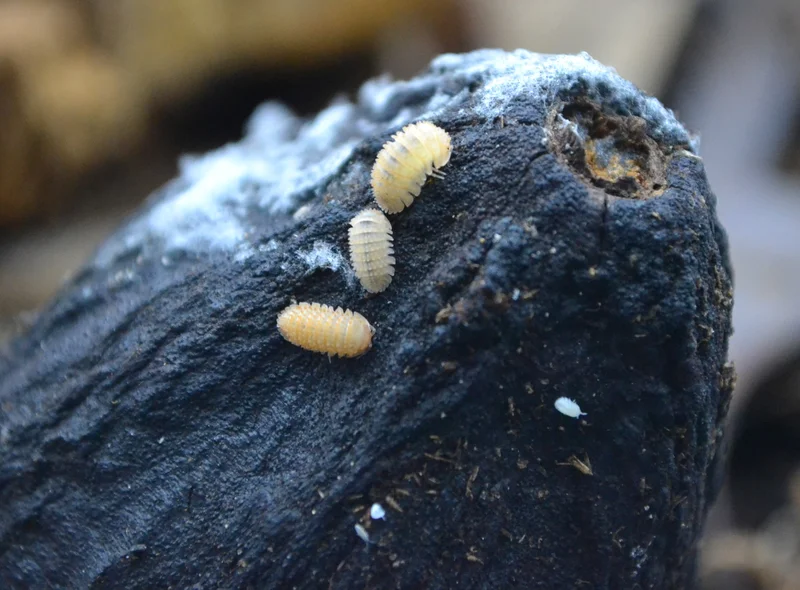
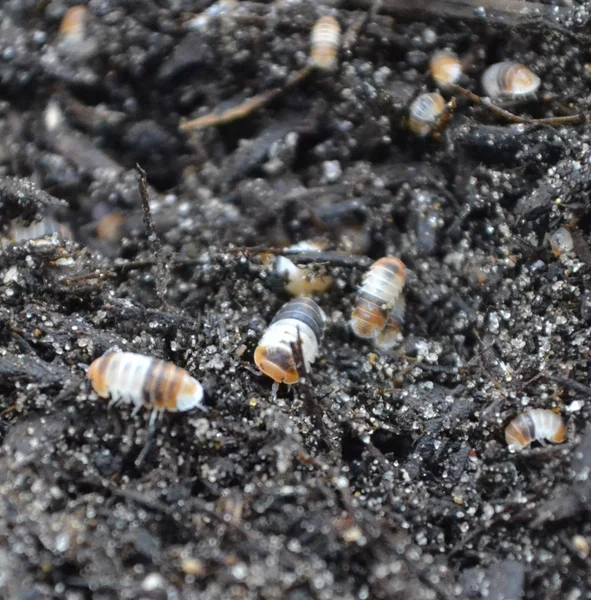
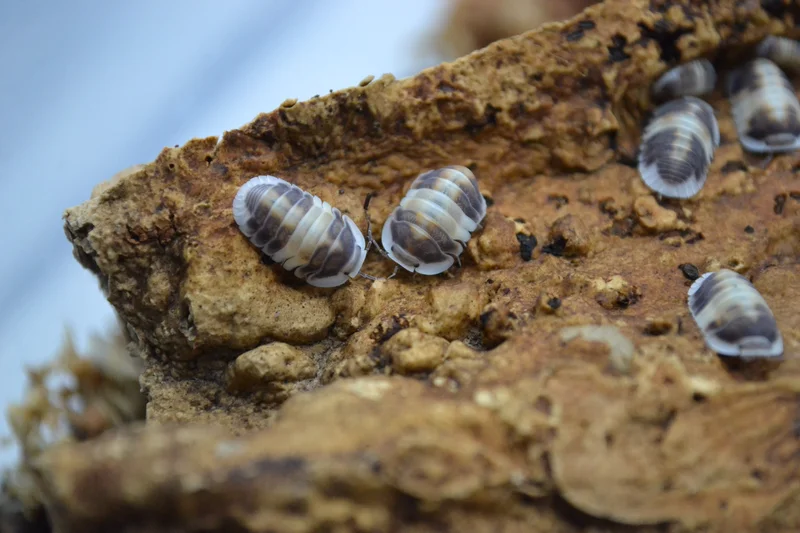
Porcellio species are favorites for their size and activity, with morphs such as dairy cow, orange and spanish orange commonly sought after. Armadillidium species are the classic pill bugs that roll into a ball, and keepers look for morphs like magic potion and zebra.
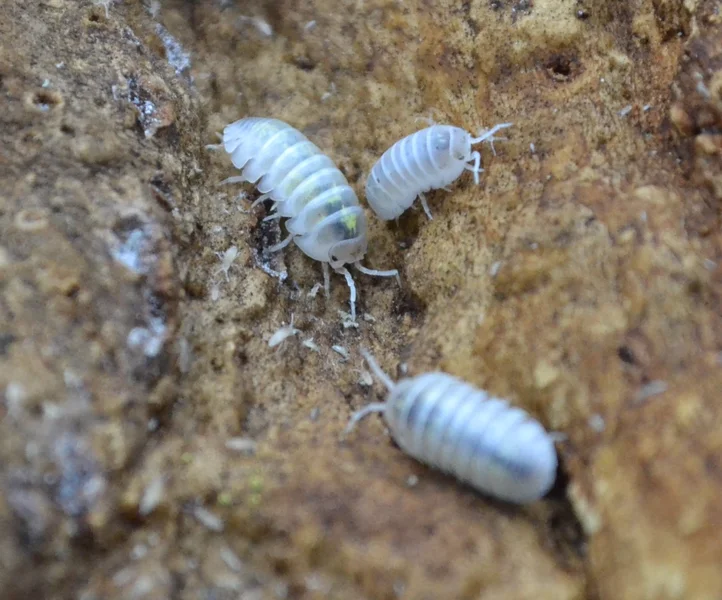
Porcellionides pruinosus, often called powder isopods, come in powder blue and powder orange and are known for fast breeding. Cubaris species, including the widely known rubber ducky, are prized by collectors. Dwarf white isopods are small, prolific cleanup crew members for tropical vivariums.
Most isopods in the hobby measure about 0.2 to 1.2 inches long, depending on species. Dwarf species stay tiny, while larger Porcellio and some Cubaris reach the upper end of that range.
Individual isopods typically live around 1 to 2 years, but a healthy colony keeps going for much longer because new generations are always being born. Females carry their young in a brood pouch, and the babies, called mancae, emerge as tiny versions of the adults.
A ventilated plastic tub works well for most isopods. Add a few inches of organic substrate such as coconut fiber mixed with topsoil and decaying hardwood leaves, then layer leaf litter and cork bark on top for hiding spots. Keeping one side damp and the other drier gives the colony a choice.
Feed a steady supply of leaves and rotting wood, and add vegetables, fish flakes and a calcium source such as cuttlebone. Most species do well at room temperature. The ReptileAds care guides go into species-specific humidity and ventilation needs.
In a bioactive enclosure, isopods eat shed skin, waste, uneaten food and dead plant matter, helping to keep the substrate healthy. Matching the species to the enclosure's humidity is the key to success, so tropical species suit humid frog or gecko vivariums, while some hardier species handle drier setups.
Keepers running several cultures and bioactive enclosures often log when each colony was seeded, fed or split. Tracking these dates in Husbandry.Pro makes it easier to see which cultures are thriving and when they are ready to expand.
Decide whether you want a display culture or a cleanup crew, and pick a species that matches that goal and your humidity. Check each listing for the number of isopods included, their sizes and whether mixed ages are part of the culture.
Ask the seller what substrate and foods the colony has been kept on, and how the culture will be packed for shipping. Having a prepared tub ready before arrival helps your new isopods settle in and begin breeding sooner.
AI-assisted guide reviewed by the ReptileAds team. General information about these animals — not care, veterinary or legal advice, and not a description of any individual listing above.
Isopods have become one of the most popular corners of the invertebrate hobby, both as colorful collectibles and as hardworking cleanup crews for bioactive enclosures. Here you will find listings for Porcellio, Armadillidium, Porcellionides and Cubaris species, including well-known morphs such as dairy cow, zebra, magic potion and rubber ducky.
Isopods are usually sold as starter cultures or small groups, so read each listing to see how many animals are included and what sizes they are. Use the built-in chat to ask about the substrate, humidity and food the colony is used to, and review seller profiles and feedback. Set a Hit List alert to catch new listings for a particular morph.
ReptileAds gathers isopod breeders and hobbyists in one place, making it easy to compare cultures and morphs.
Browse cultures of popular and rarer isopods, with photos and morph names from each seller.
Chat with sellers about culture size, substrate and feeding before you place an order.
Save a Hit List alert and be notified when the isopod you want is listed.
Isopods are hardy detritivores, and most colonies thrive with a few simple essentials:
Read the full ReptileAds isopod care guide for species-specific tips.
Use these tips to pick isopods that suit your goals.