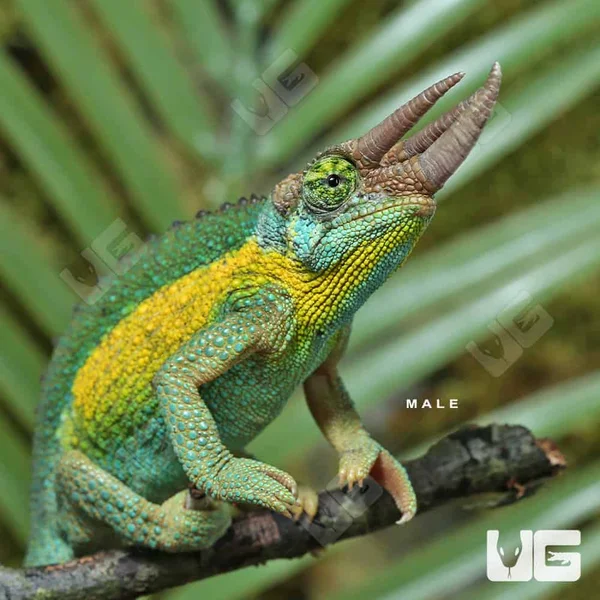
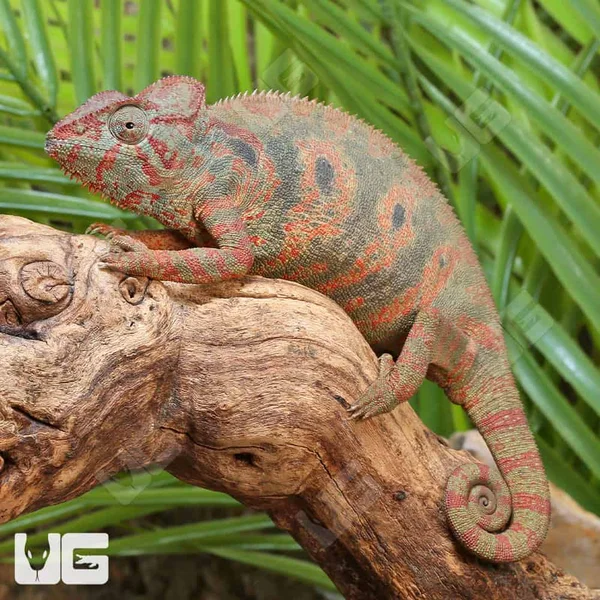
Discover other chameleons for sale, from pygmy leaf chameleons to Meller's, four-horned and carpet chameleons, listed by breeders and keepers who specialize in less common species.
Showing 1 to 2 of 2 animals
Showing 1 to 2 of 2 animals

Buy one and get 50% off either of the other animals (equal or lesser value). Mention this ad.
Beyond the three chameleons most people know, the family Chamaeleonidae includes a remarkable variety of species found across Africa, Madagascar, southern Europe and parts of Asia. Some are no bigger than a thumb, while others rival the largest pet chameleons. This guide covers the breadth of species you may find here and how to approach buying one.
Pygmy leaf chameleons, such as Rhampholeon species, are tiny, brown, leaf-mimicking chameleons that live low in the vegetation. Meller's chameleons are large, heavy-bodied animals from East Africa, while four-horned and Fischer's chameleons are known for their horns and rostral ornaments. Carpet chameleons and Oustalet's chameleons from Madagascar are also seen in the hobby.
If you are after a veiled, panther or Jackson's chameleon, those have their own categories on ReptileAds, which makes them faster to browse.
Size is the most obvious difference, with species ranging from about 2 inches to roughly 24 inches. Temperature is just as important: highland species prefer mild days and cool nights, while lowland species tolerate more warmth. Humidity, enclosure size and feeder size all follow from where a species lives in the wild.
Lifespans typically fall between 3 and 10 years depending on species. Because each chameleon is so different, reading a species-specific ReptileAds care guide before you buy is the best way to prepare.
For species that are kept less often, your own observations are some of the most useful information you have. Logging feedings, weights, sheds and changes to temperature or misting helps you see what your chameleon responds to. Husbandry.Pro gives you one place for those records, and breeders can track pairings, clutches or live births too.
Confirm the species and scientific name with the seller, and ask whether the animal is captive-bred, captive-born or imported. Find out what temperatures, humidity and feeders it has been kept on so you can match them at home.
Some chameleon species are covered by import, export or ownership rules, so check your local regulations and ask the seller about any paperwork. On ReptileAds, seller profiles and reviews help you decide who to buy from, and a Hit List alert keeps you informed when a species you want is listed.
AI-assisted guide reviewed by the ReptileAds team. General information about these animals — not care, veterinary or legal advice, and not a description of any individual listing above.
This category collects chameleons outside the three most widely kept species. Listings may include pygmy leaf chameleons, Meller's chameleons, four-horned chameleons, carpet chameleons, Fischer's chameleons and other species that turn up less often in the hobby.
These chameleons vary a great deal in size, temperature preference and humidity needs, so confirm the exact species with each seller and ask how the animal has been kept. Captive-bred or captive-born status, current diet and hydration habits are all worth discussing through built-in chat.
If you are shopping for one of the popular species instead, head to the Veiled Chameleons, Panther Chameleons or Jacksons Chameleons categories. A Hit List alert can also notify you when a specific species is listed.
ReptileAds helps you find uncommon chameleons from the specialists who keep and breed them.
Less common chameleons are often listed by keepers who focus on them. Check profiles and reviews to learn more about each seller.
Use built-in chat to ask about species-specific temperatures, humidity and feeding before you buy.
Waiting on a hard-to-find chameleon? Set a Hit List alert and be notified when one is listed.
Care varies widely across chameleon species, but most share these needs.
Look up your species in the ReptileAds care guides before setting up.
Confirm the details that matter for a less familiar species.