Find veiled chameleons for sale from breeders and keepers, including classic and translucent lines, and message sellers directly about age, sex, feeding and setup history.
Showing 1 to 2 of 2 animals
Showing 1 to 2 of 2 animals

Buy one and get 50% off either of the other animals (equal or lesser value). Mention this ad.
The veiled chameleon, Chamaeleo calyptratus, is one of the most widely kept chameleons in the world. Its tall casque, rolling eyes and color changes make it a striking display animal, and its hardiness has made it a favorite first chameleon. A tall, airy enclosure and a steady routine are the foundations of keeping one well.
Veiled chameleons are native to the Arabian Peninsula, particularly the mountainous regions of Yemen and neighboring southwestern Saudi Arabia. Their habitat includes areas with hot days, cooler nights and seasonal moisture, which helps explain why they adapt well to captivity.
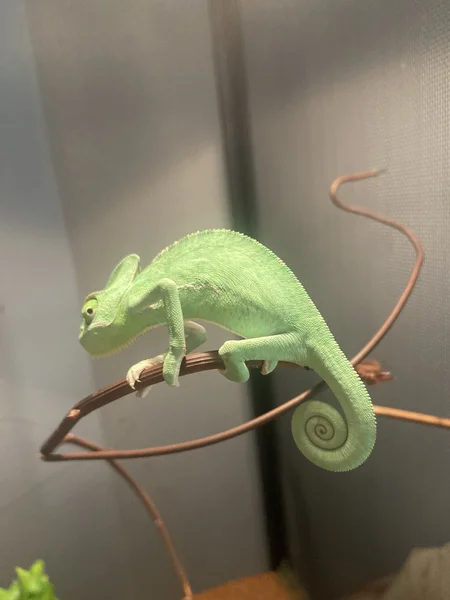
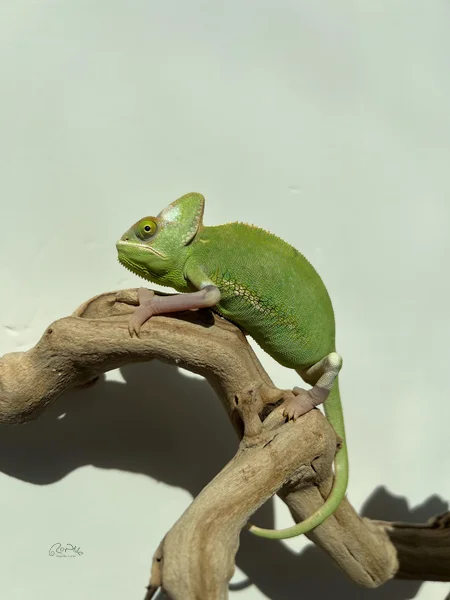
The name comes from the tall, helmet-like casque on the head, which is especially large in males. Classic veileds are mostly green with bands of yellow, orange and blue, and breeders have also developed translucent and other selectively bred lines.
Adults usually measure about 14 to 24 inches in total length, including the tail. Males are clearly larger than females and have taller casques, while females stay more compact.
Typical lifespans run around 5 to 8 years. Males often reach the upper end of that range, while females that lay eggs regularly may have shorter lives, which is one reason good female care matters.
Chameleons live up in the branches, so enclosure height matters more than floor space. Keepers typically use a tall screen or hybrid enclosure with lots of ventilation and plenty of branches, vines and plants to climb and hide in.
A basking area near the top, a cooler lower zone and quality UVB lighting create the temperature gradient veileds need. Because chameleons rarely drink from standing water, a misting routine or dripper is essential. The ReptileAds care guide covers typical temperature ranges and layouts.
Veileds are primarily insectivores. Common feeders include crickets, roaches, mealworms and other small invertebrates, gut-loaded and dusted with supplements. Some veileds also nibble on leafy greens or plant matter, which is unusual among chameleons.
Young chameleons eat daily and grow quickly, while adults are often fed less frequently. Husbandry.Pro is a helpful way to log feedings, supplements, weights and egg-laying events so you can keep an eye on trends over time.
Start by deciding whether you want a male or female, and whether you are after a classic or selectively bred line. Males show more color and a larger casque, while females need an egg-laying area as adults. Ask the seller whether the sex has been confirmed or estimated.
On ReptileAds, compare listings by age, parent information and photos, and use chat to ask about feeding, hydration and how the chameleon has been housed. Checking seller profiles and reviews helps you choose confidently. Veileds are established in the wild in a few places outside their native range, so check local rules before buying.
AI-assisted guide reviewed by the ReptileAds team. General information about these animals — not care, veterinary or legal advice, and not a description of any individual listing above.
Veiled chameleons, also called Yemen chameleons, are recognized by the tall casque on their heads and their shifting green, gold and blue coloring. Many keepers choose them as a first chameleon, and breeders often offer translucent and other selectively bred lines alongside classic animals.
As you browse, compare the age and sex listed by each seller, the parents where shown, and the photos. Young veileds grow fast, so ask what the chameleon is eating, how it has been housed and whether it drinks well from misting or a dripper.
Built-in chat puts you in touch with sellers directly, and profiles and reviews help you choose. If the right veiled is not listed today, save a Hit List alert to be notified when one is.
ReptileAds brings veiled chameleon breeders and keepers together so you can compare animals and get your questions answered first.
See classic and translucent veileds side by side, with ages and parent details provided by sellers.
Chat with sellers about feeding, hydration and how the chameleon has been housed.
Read the ReptileAds veiled chameleon care guide so your enclosure is running before your new chameleon arrives.
Veileds are hardy chameleons, and a well-planned setup does most of the work.
For detailed temperatures and setup layouts, read the full ReptileAds veiled chameleon care guide.
These questions help you compare listings.