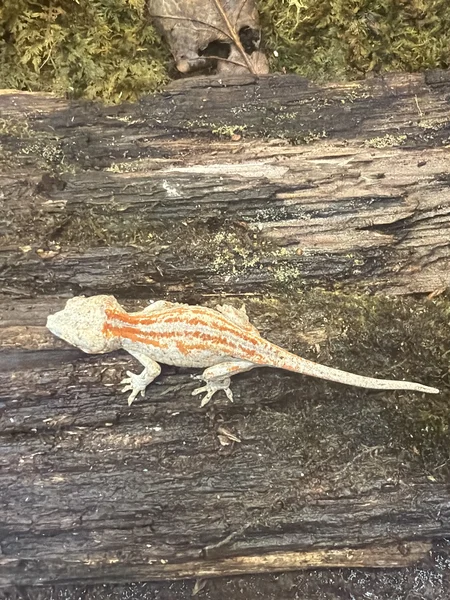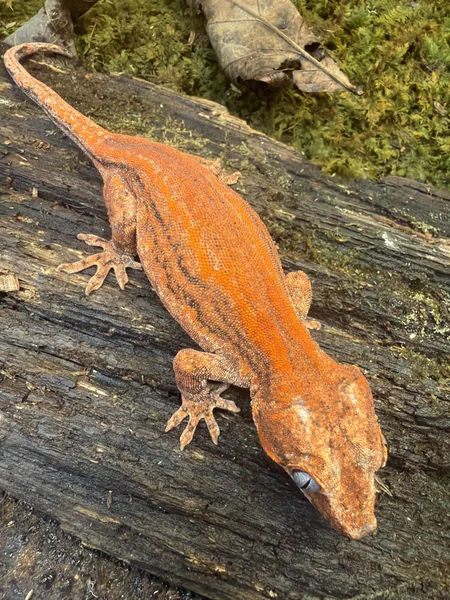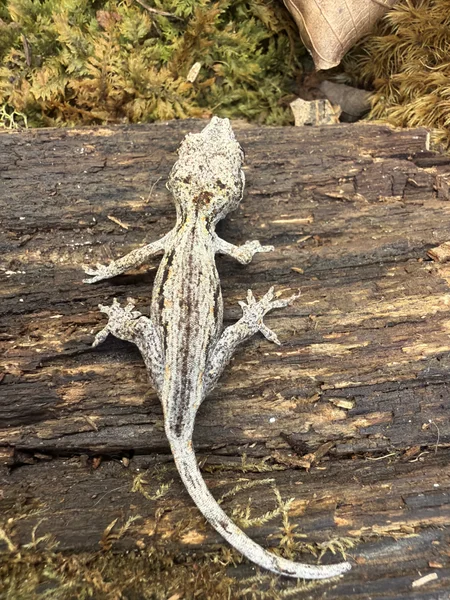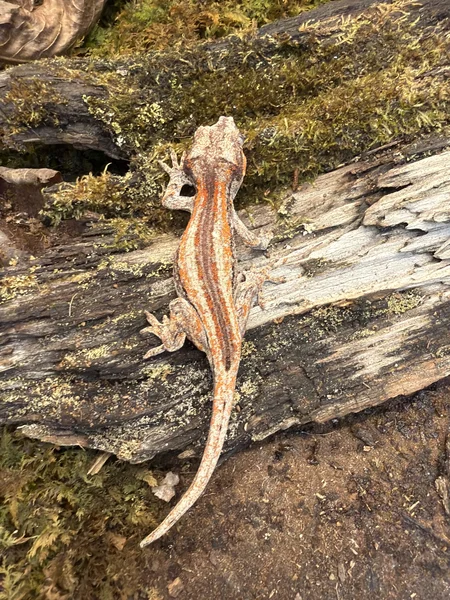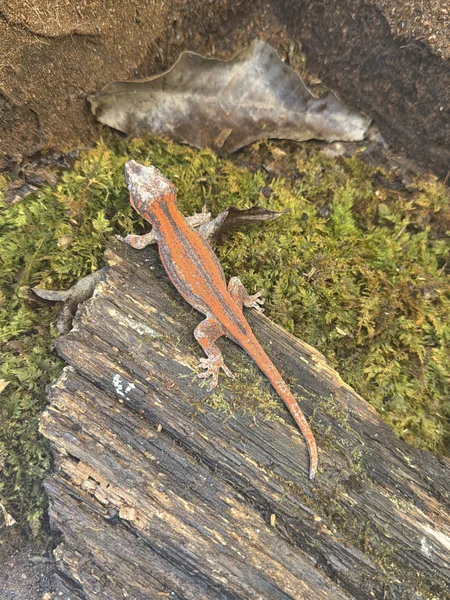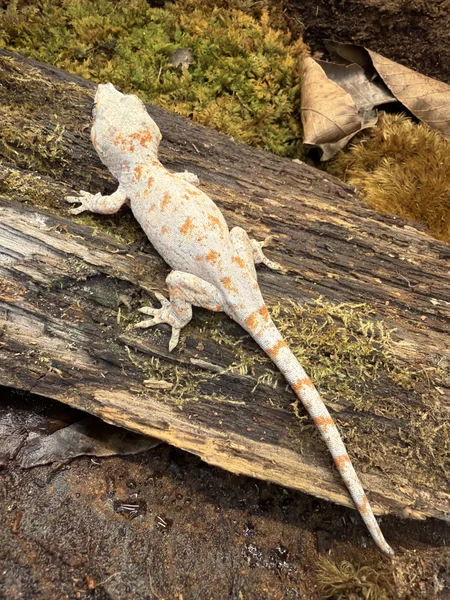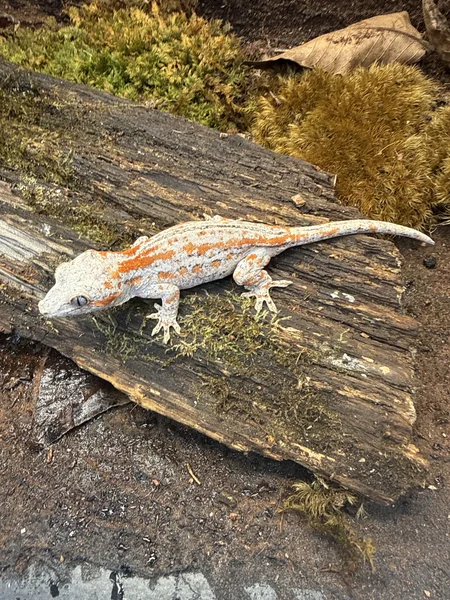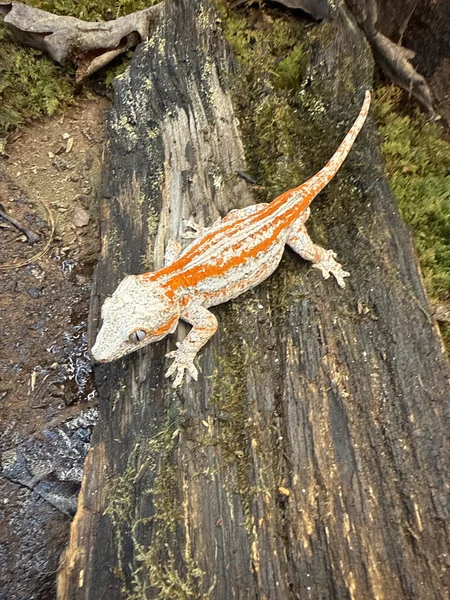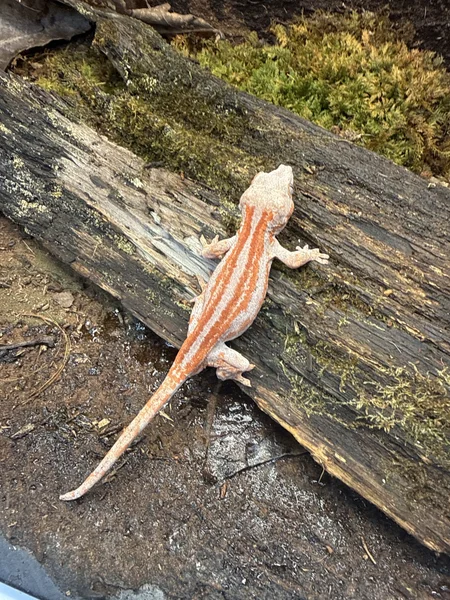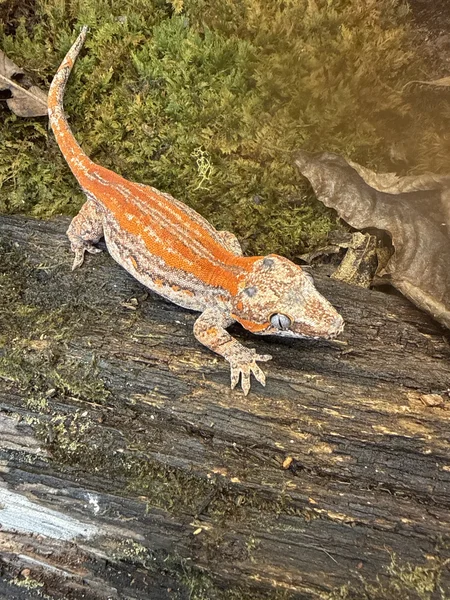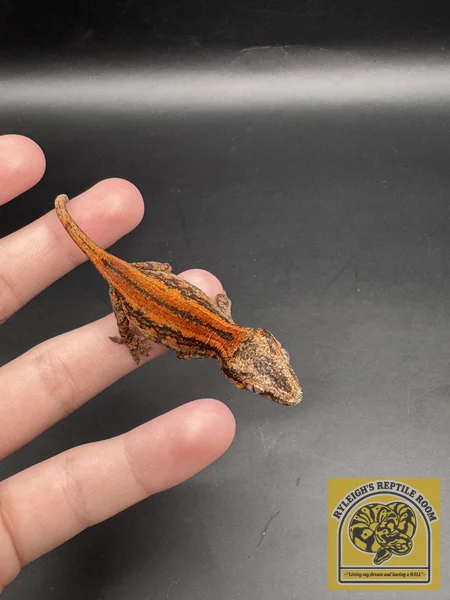
Browse gargoyle geckos for sale from breeders and keepers, including red stripe, orange blotched and reticulated animals, and message sellers directly about lineage, age and feeding.
Showing 1 to 19 of 25 animals
Showing 1 to 19 of 25 animals
SAVE 10% OFF ONE ANIMAL! MUST MENTION THIS AD FOR DISCOUNT!
The gargoyle gecko, Rhacodactylus auriculatus, earns its name from the bony knobs on its head that give it a carved-stone look. Native to New Caledonia, it is a close relative of the crested gecko and has a similar room-temperature lifestyle. Keepers love gargoyles for their sturdy bodies, bold patterns and inquisitive nature.
Gargoyle geckos are endemic to New Caledonia in the southwest Pacific, where they live in the humid forests and shrublands of the southern part of the main island. They are nocturnal and spend much of their time climbing, though they are also comfortable moving along lower branches and closer to the ground than some relatives.
In the wild they eat insects, fruit, nectar and occasionally small vertebrates. That broad appetite carries over into captivity, where gargoyles often show a stronger interest in insects than crested geckos do.
Adults typically reach around 6 to 8 inches in total length. They are heavier-bodied than they look, with a broad head and a thick, prehensile tail that helps them grip branches. Hatchlings are small and grow gradually over the first year or two.
With consistent care, gargoyles often live 15 to 20 years. That long lifespan is part of their appeal, and it is also a reason to choose a gecko thoughtfully and plan for its long-term care.
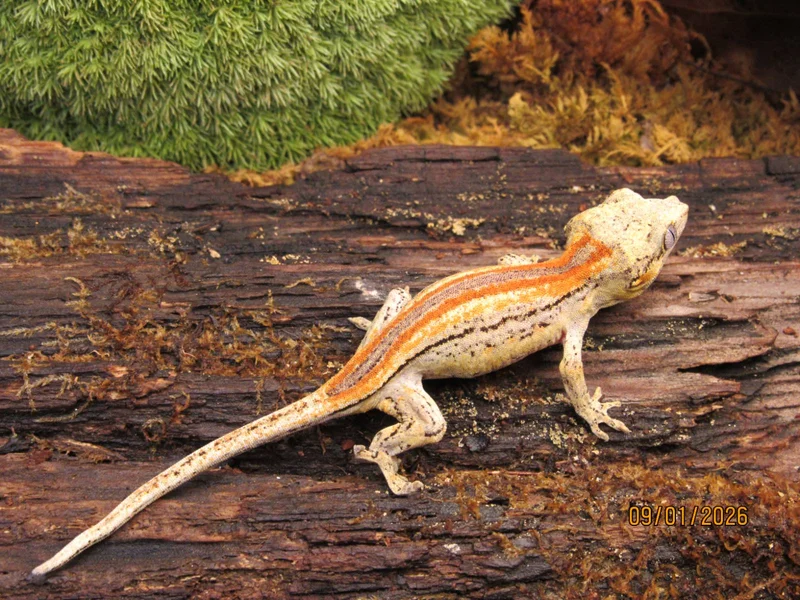
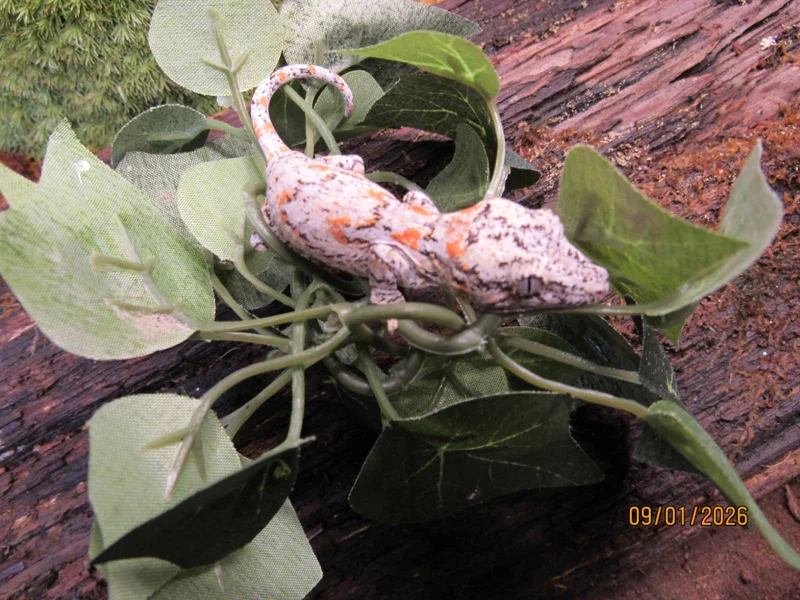
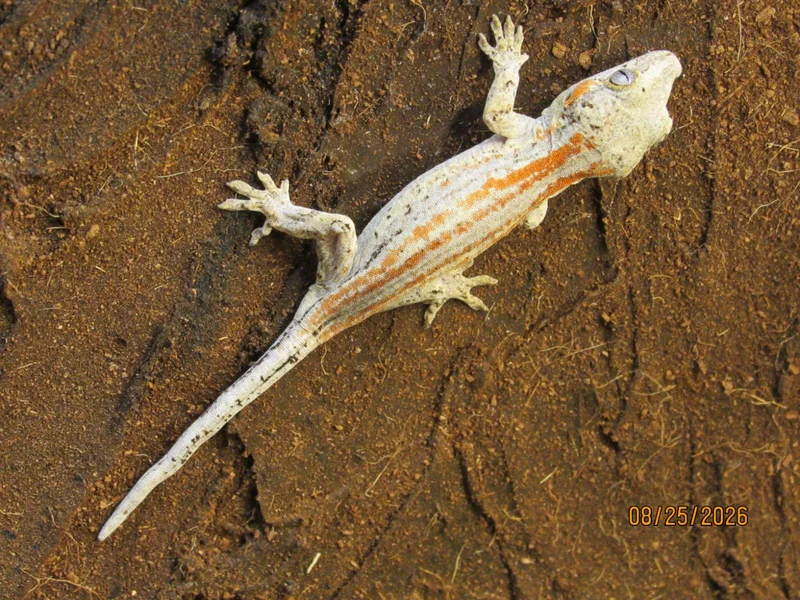
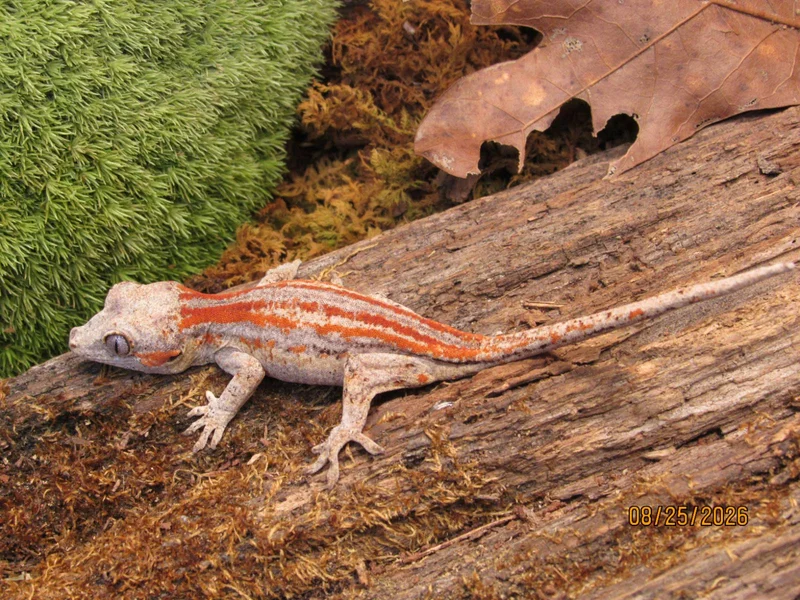
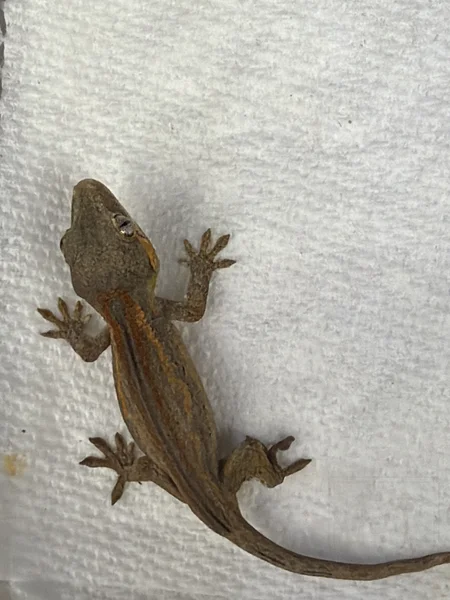
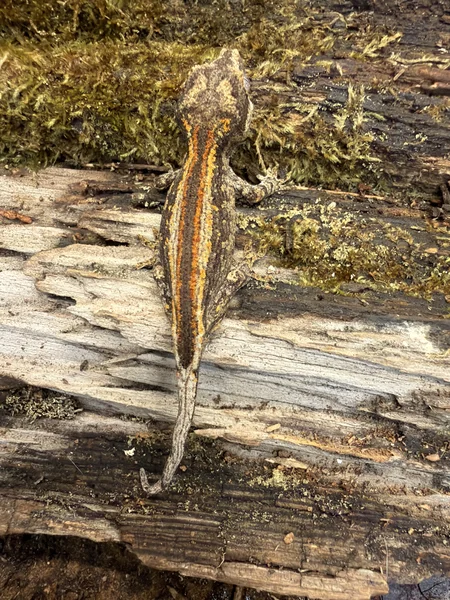
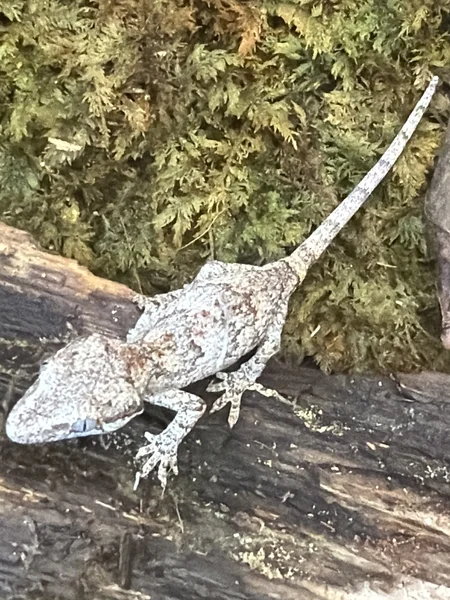
Gargoyle morphs are mostly described by pattern and color. Striped gargoyles carry lines running down the back, and red stripe animals have bold red or orange striping. Blotched gargoyles show large patches of color, with orange blotched a sought-after look. Reticulated gargoyles display a netted pattern, and many breeders also work toward high-white or heavily patterned lines.
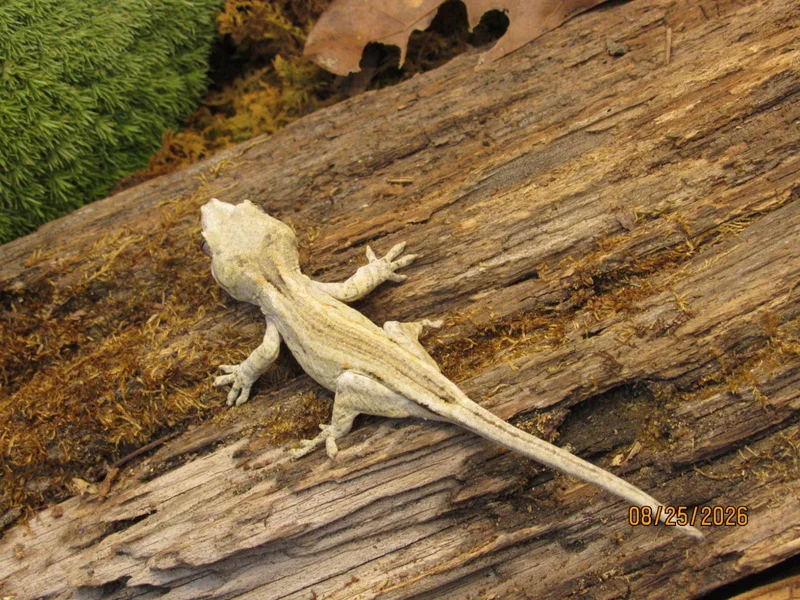
Coloring can develop and intensify with age, so the look of a juvenile is not always the look of the adult. Parent photos are one of the best ways to get a sense of where a young gargoyle may head, although no breeder can promise the final appearance.
A vertically oriented enclosure with branches, cork bark, live or artificial plants and several hides gives a gargoyle room to climb and places to retreat. They generally do well at comfortable room temperatures, and many keepers provide a slightly warmer area and optional low-level UVB. Overheating should be avoided.
Regular misting provides humidity and drinking water, and allowing the enclosure to dry partly between mistings keeps conditions fresh. Many keepers house gargoyles individually because they can nip at the tails of cagemates. The ReptileAds gargoyle gecko care guide covers enclosure sizing, temperature ranges and humidity in more detail.
In captivity, gargoyles typically eat a complete commercial gecko diet, the same kind used for crested geckos, mixed with water and offered a few times a week. Most also take gut-loaded, supplement-dusted insects such as crickets and roaches with enthusiasm.
Monitoring weight is the easiest way to confirm a routine is working, especially for growing juveniles. Husbandry.Pro lets you log feedings, weights and sheds, and it is also handy for recording pairings and egg-laying dates if you decide to breed gargoyles.
Begin by deciding what you want: a specific pattern, a hatchling to raise or a sexed adult. Compare listings on age, weight, sex and parent photos, and look for clear, recent pictures of the gecko itself. Ask whether the gecko has an original or regenerated tail if that matters to you.
Message sellers on ReptileAds to confirm what the gecko eats, how it has been housed and how it will be shipped or picked up. Check seller profiles and reviews before you buy. Rules for keeping reptiles can differ by region, so confirm what applies locally, and set a Hit List alert if you are waiting on a particular look.
AI-assisted guide reviewed by the ReptileAds team. General information about these animals — not care, veterinary or legal advice, and not a description of any individual listing above.
Gargoyle geckos are sturdy, knobby-headed geckos from New Caledonia, and breeders have developed a range of striking patterns. Keepers often search for red stripe, orange blotched, striped and reticulated gargoyles, as well as high-white and heavily patterned lines.
Most listings show age, weight and sex (or unsexed status), and many include photos of the parents. Coloring can shift as gargoyles grow, so ask the seller how the gecko has changed so far and what the parents look like as adults.
Use built-in chat to confirm the diet the gecko is eating and how it will be shipped. Seller profiles and reviews help you choose a breeder you are happy with, and a Hit List alert will notify you when a gargoyle with the traits you want is listed.
ReptileAds brings together gargoyle gecko breeders and keepers so you can compare patterns and talk to sellers before buying.
Browse red stripe, blotched, reticulated and other gargoyles with parent photos and lineage notes from sellers.
Ask sellers about weight, feeding and temperament through built-in chat before you commit.
Check each seller's profile and reviews from other buyers to help you choose with confidence.
Gargoyle geckos share many care basics with crested geckos, with a few differences.
For detailed setup and feeding advice, read the full ReptileAds gargoyle gecko care guide.
These questions help you compare gargoyle geckos.