ReptileAds.com
  • Market
  • Categories
  • Stores
  • Genetic Calculator
  • Pricing
Login
  • Dashboard
  • Market
  • Stores
  • Genetic Calculator
  • Pricing
  • Regions
    • All Regions
    • Canada
    • United States
    • Europe
    • Great Britain
    • Australia
    • South Africa
    • Other Regions
  • ConnectHusbandry.Pro
  • Login
  • Register
Image

ReptileAds.com is from Purple Turtle Technologies LLC with a strategic partnership with Husbandry.Pro and Redline Shipping. Decades of experience brought together to create the future of reptile classifieds.

  • Husbandry.Pro
  • Redline Shipping

Copyright 2025 Purple Turtle Technologies LLC. All Rights Reserved.

Marketplace
  • All Animals
  • Ball Pythons
  • Buy Turtles
  • Buy Frogs
  • Buy Toads
Resource
  • Resources
  • Care Guides
  • About Us
  • Contact
  • News
  • FAQs
  • Privacy Policy
  • Terms and Conditions
My account
  • Profile
  • Sign Up
  • Login
  • Redline Shipping
  • Sitemap
Subscribe to our newsletter

Signup for our newsletter to get the latest news in your inbox.

ReptileAds.com
  • Market
  • Categories
  • Stores
  • Genetic Calculator
  • Pricing
Login
  • Dashboard
  • Market
  • Stores
  • Genetic Calculator
  • Pricing
  • Regions
    • All Regions
    • Canada
    • United States
    • Europe
    • Great Britain
    • Australia
    • South Africa
    • Other Regions
  • ConnectHusbandry.Pro
  • Login
  • Register

Leopard Geckos for Sale

Browse leopard geckos for sale from breeders and keepers, from normals to tangerines, Mack snows and albinos, and message sellers directly about age, genetics, sex and feeding.

$
$

65 Animals Found

Showing 1 to 19 of 65 animals

65 Animals Found

Showing 1 to 19 of 65 animals

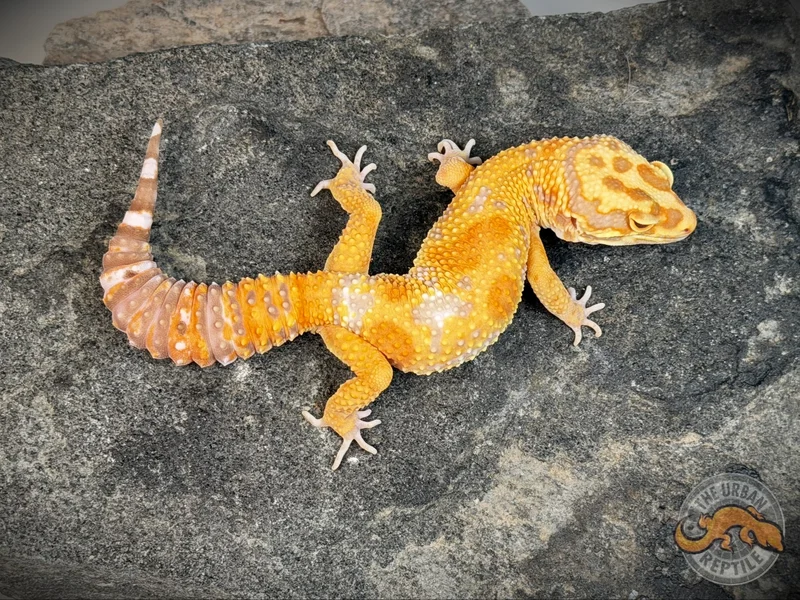
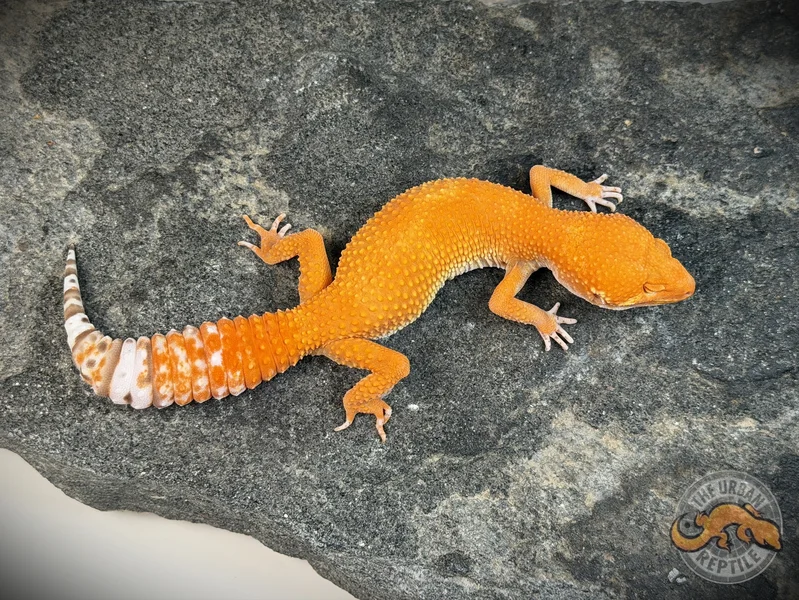
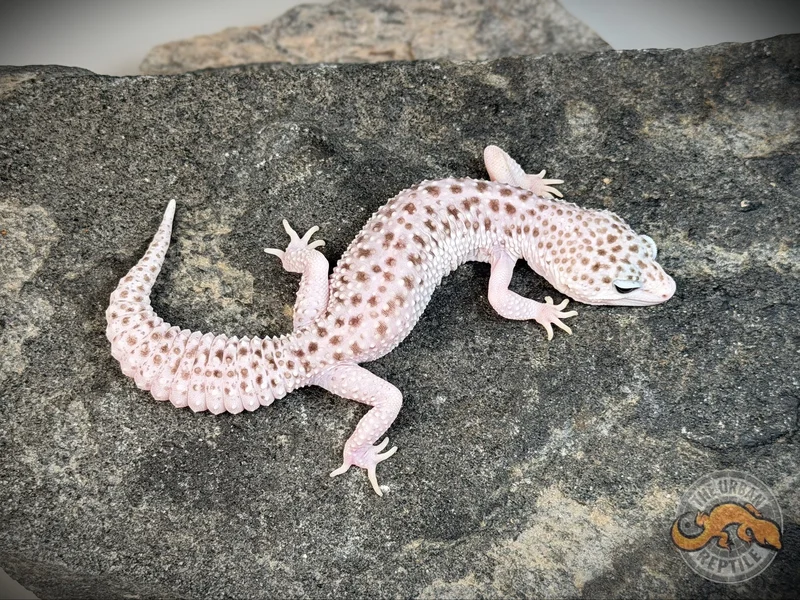
Red Diamond
Red Diamond
Leopard Geckos
The Urban Reptile
juvenile
$375
BOGO 1/2 Off!
Sponsored

BOGO 1/2 Off!

Small Town

Buy one and get 50% off either of the other animals (equal or lesser value). Mention this ad.

AdvertisementWhy am I seeing this?
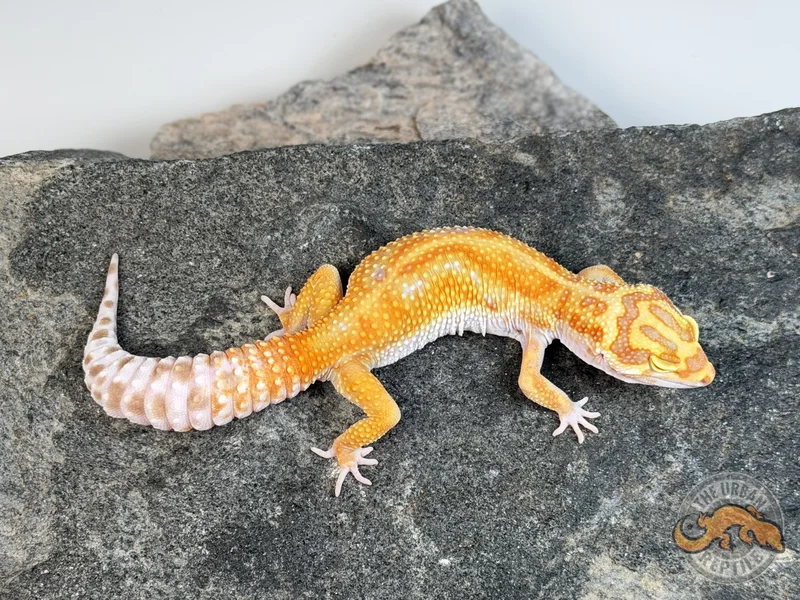
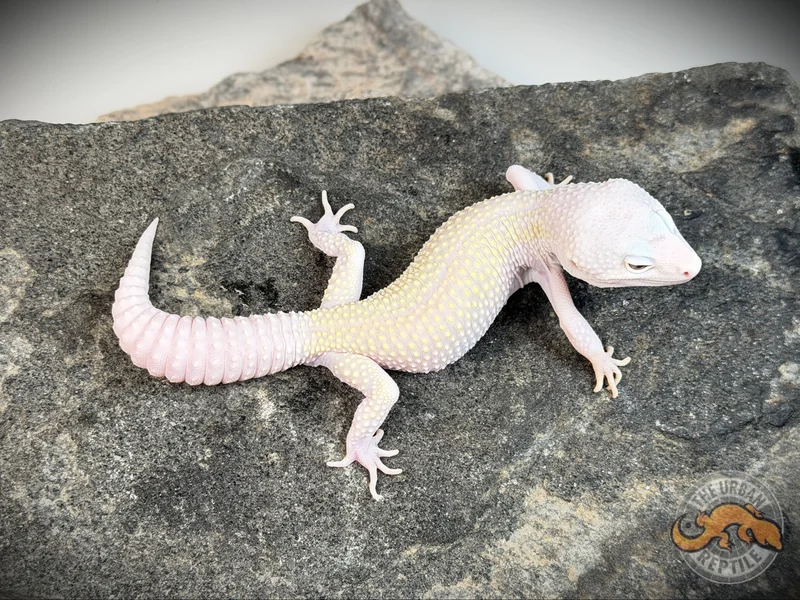
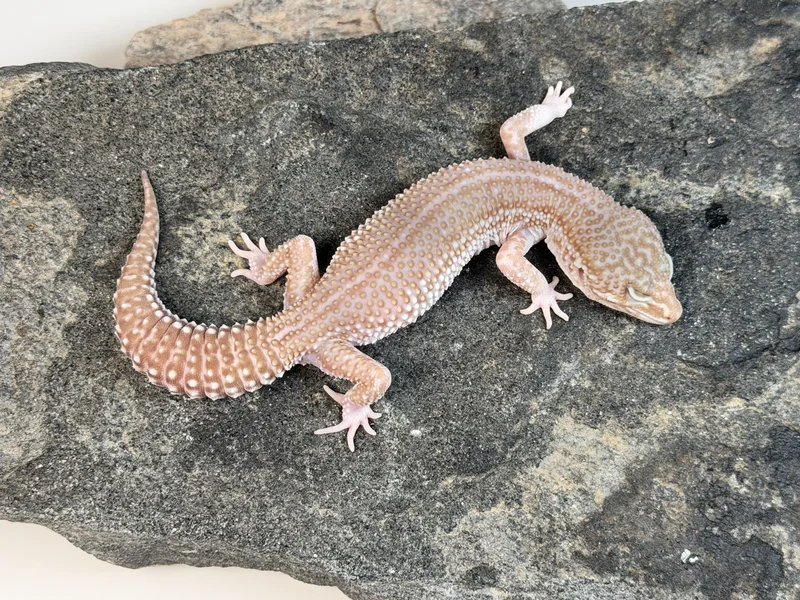
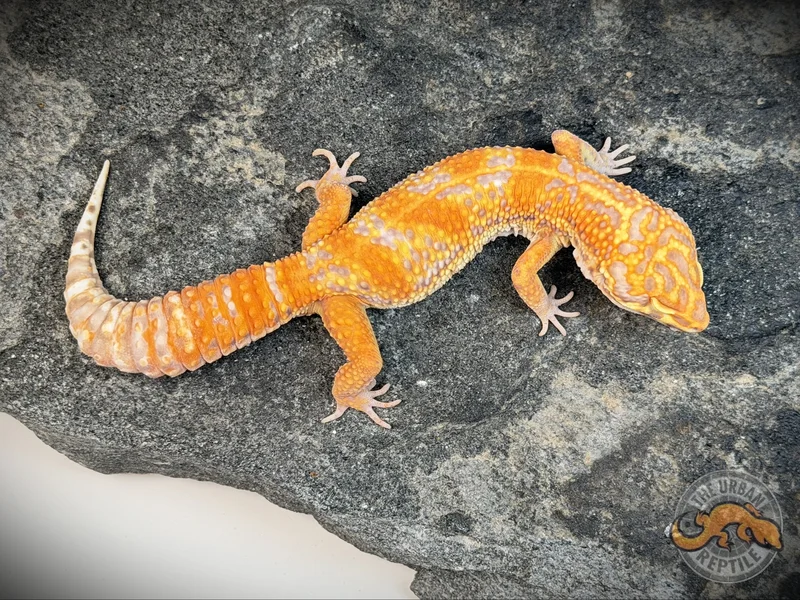
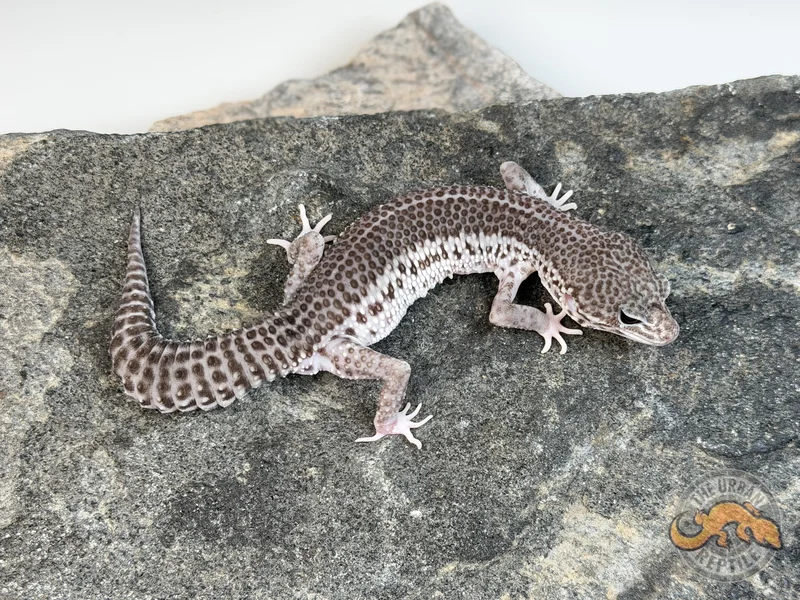
White & Yellow Tremper Giant Jungle
Leopard Geckos
The Urban Reptile
juvenile
$425
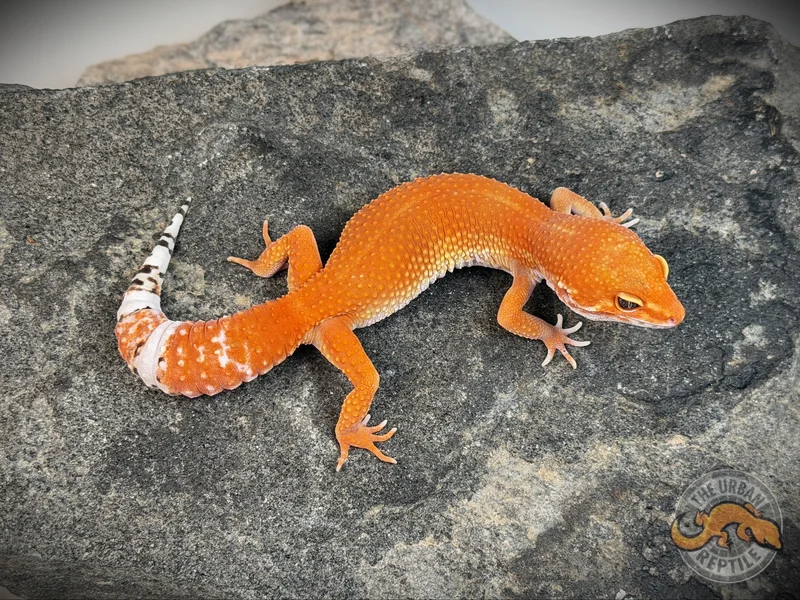
Red Diamond
Red Diamond
Leopard Geckos
The Urban Reptile
juvenile
$325
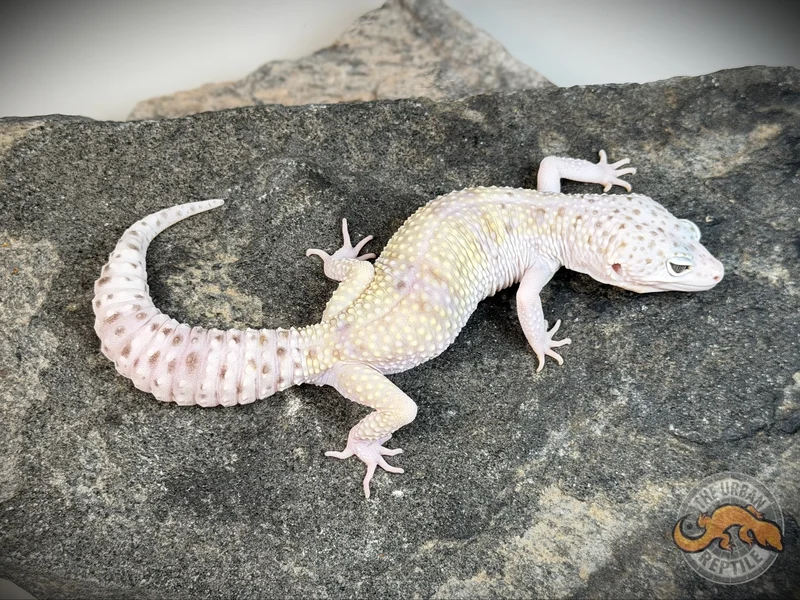
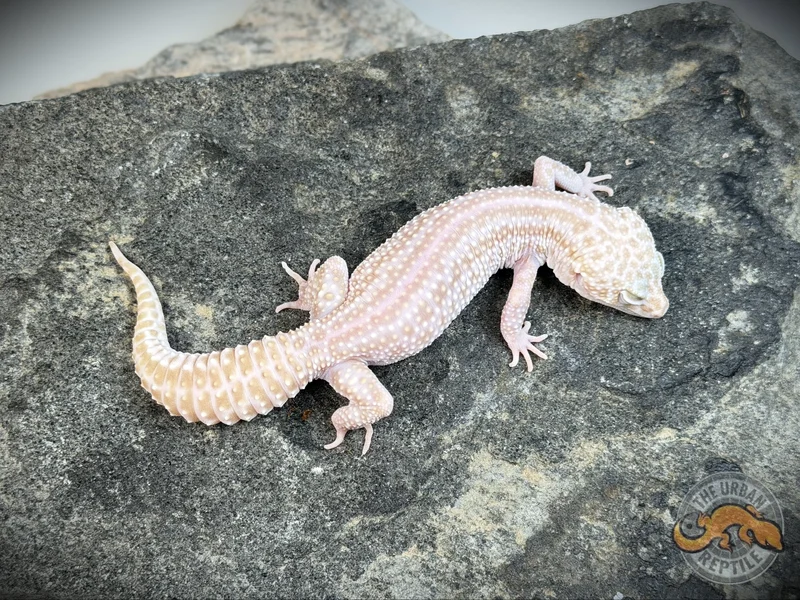
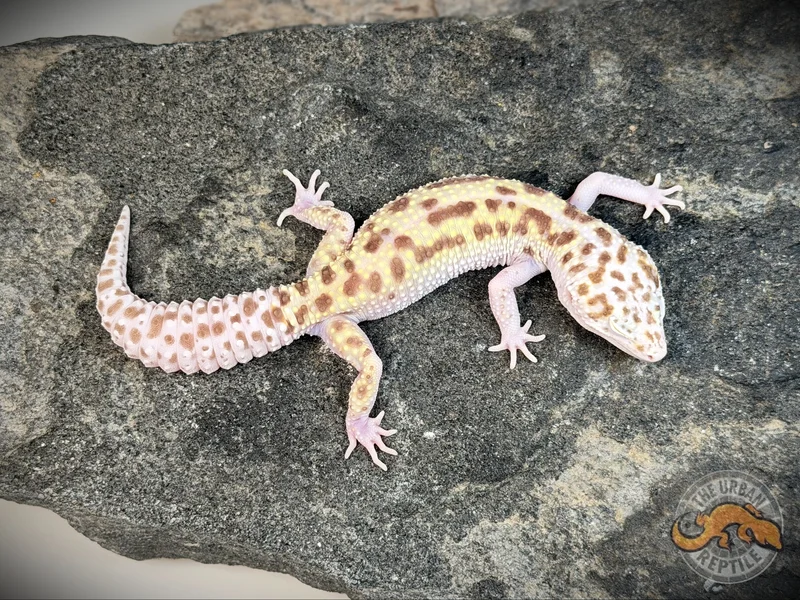
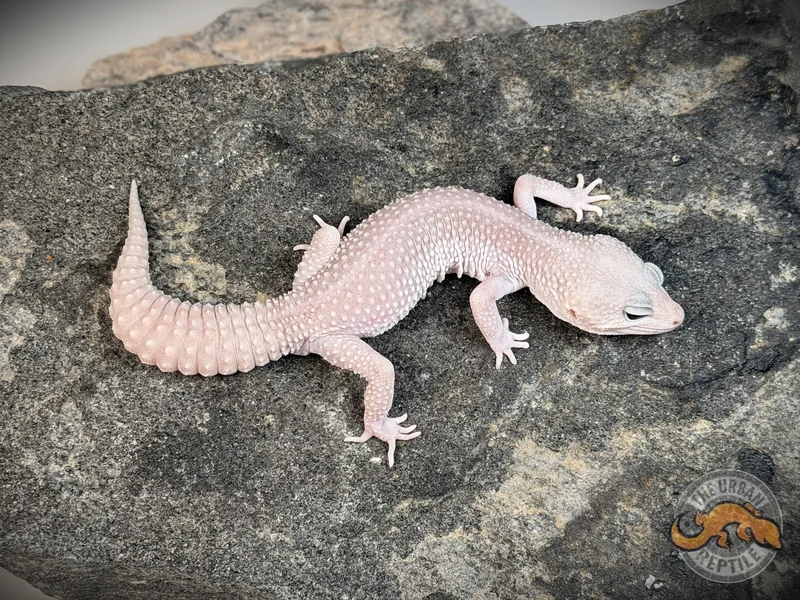
White & Yellow TUG Snow
Leopard Geckos
The Urban Reptile
juvenile
$225
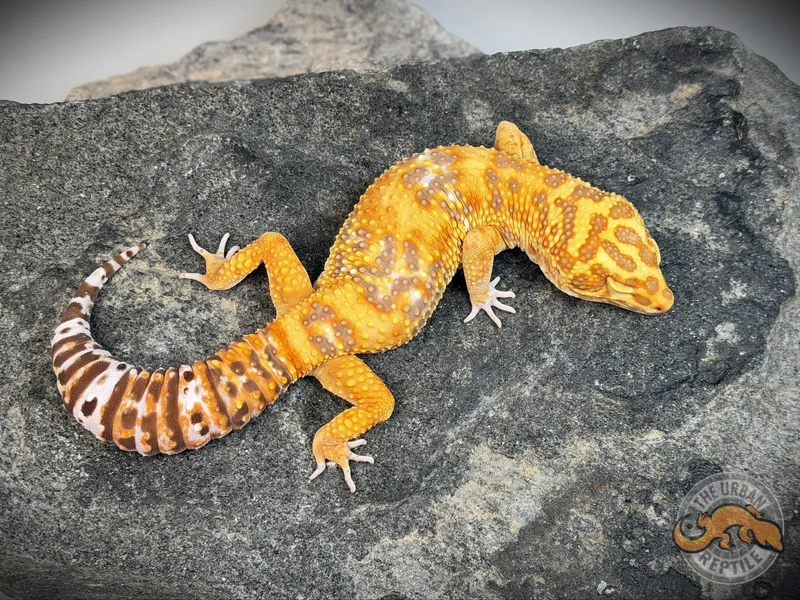
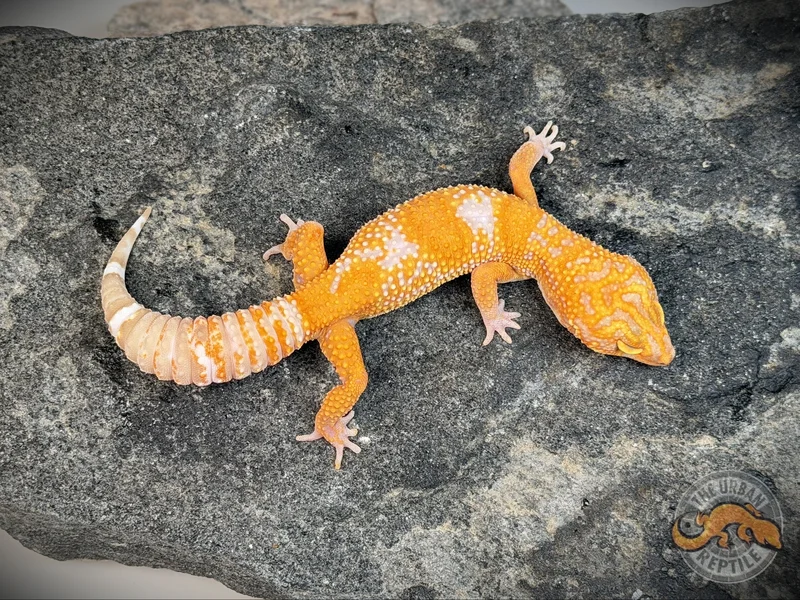
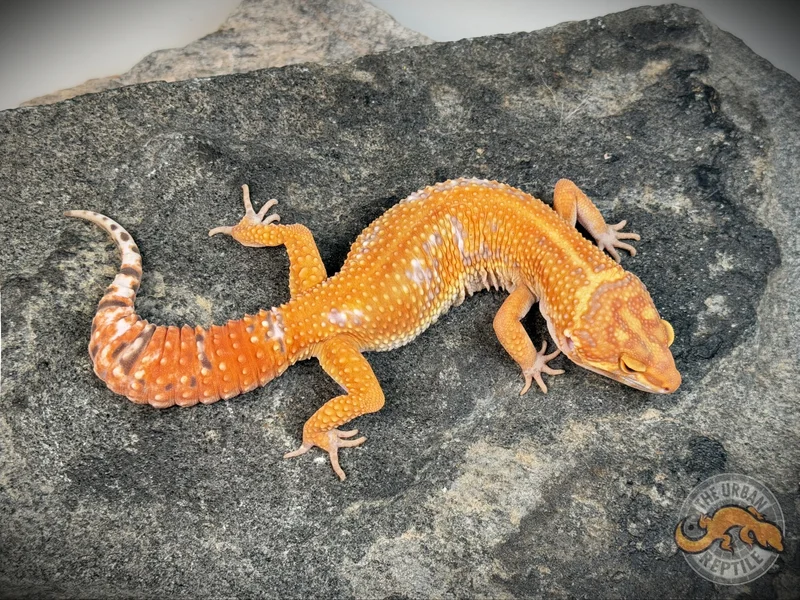
Mandarin Tangerine Tremper Giant
Leopard Geckos
The Urban Reptile
juvenile
$450
Super RADAR
Super RADAR
Leopard Geckos
The Urban Reptile
juvenile
$250
Black Night Mandarin Tremper
Leopard Geckos
The Urban Reptile
juvenile
$550
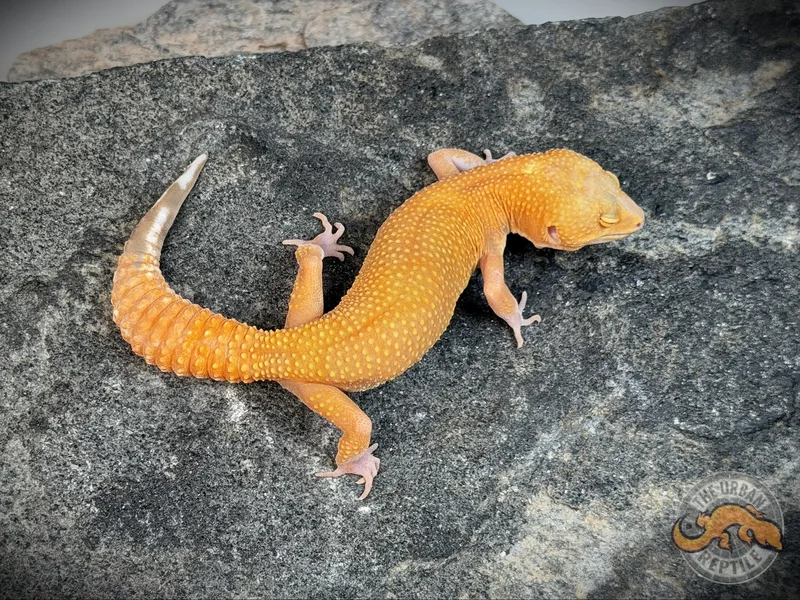
Raining Blood Sunglow
Leopard Geckos
The Urban Reptile
juvenile
$400
Mack Snow Rainwater Patternless
Leopard Geckos
The Urban Reptile
juvenile
$275
Candy Glow
Candy Glow
Leopard Geckos
The Urban Reptile
juvenile
$425
Black Night Mack Super Snow Tremper
Leopard Geckos
The Urban Reptile
juvenile
$650
White & Yellow RADAR
Leopard Geckos
The Urban Reptile
juvenile
$275
Candy Glow
Candy Glow
Leopard Geckos
The Urban Reptile
juvenile
$450
Total Eclipse
Total Eclipse
Leopard Geckos
The Urban Reptile
juvenile
$225
Candy Glow
Candy Glow
Leopard Geckos
The Urban Reptile
juvenile
$475
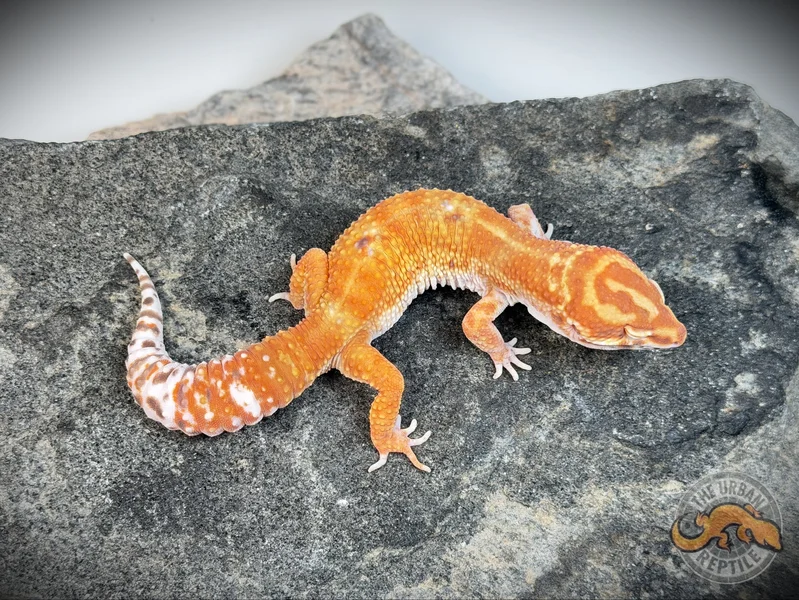
Tangerine Tornado
Tangerine Tornado
Leopard Geckos
The Urban Reptile
juvenile
$825
Mack Super Snow Eclipse Patternless
Leopard Geckos
The Urban Reptile
juvenile
$275
Black Night Mack Super Snow
Leopard Geckos
The Urban Reptile
juvenile
$550
Tangerine Bold ph Tremper & Eclipse
Leopard Geckos
NXSgeckos
adult
$300
1234

Leopard Gecko Guide: Morphs, Care and How to Choose One

Adult size
About 6 to 10 inches (15 to 25 cm)
Lifespan
Around 10 to 20 years in captivity
Diet
Insectivorous: crickets, dubia roaches, mealworms
Native range
South Asia and the Middle East
Activity
Ground-dwelling; active at dusk and night
Care level
Beginner-friendly

The leopard gecko, Eublepharis macularius, is one of the most widely kept reptiles in the world, and for good reason. It is hardy, generally calm, easy to house and available in a huge variety of colors and patterns. Whether you want a classic spotted normal or a multi-gene morph, knowing the basics makes choosing one much easier.

Where do leopard geckos come from?

Leopard geckos are native to dry grasslands and rocky, semi-arid regions of South Asia and the Middle East, including parts of Afghanistan, Pakistan, India and Iran. They are ground-dwelling and mostly active around dusk and at night, spending the hottest part of the day sheltering under rocks or in burrows.

Unlike many geckos, leopard geckos have movable eyelids and lack sticky toe pads, so they do not climb glass. They store fat in their thick tails, which is one reason a plump tail is often mentioned in listings.

How big do leopard geckos get and how long do they live?

Adults typically reach about 6 to 10 inches, or roughly 15 to 25 centimeters, in total length. Males are usually larger and heavier than females, and some selectively bred lines, often called giants, are known for growing bigger than average.

With good care, leopard geckos often live 10 to 20 years in captivity. That makes them a long-term commitment, and it is worth planning for years of feeding, enclosure maintenance and attention.

What are the most popular leopard gecko morphs?

Leopard gecko morphs are inherited traits that change color, pattern or eyes. Three separate albino lines are well established: Tremper, Bell and Rainwater, which are not compatible with one another. Mack snow is a co-dominant gene that produces cooler, white-and-black tones, and two copies create the super snow. Other traits keepers commonly look for include blizzard, eclipse, Murphy patternless and tangerine, along with combinations such as RAPTOR.

Because many morphs involve recessive genes, sellers often list genes as visual, het (carried but not visible) or possible het. Understanding those terms helps when you plan pairings, but no seller can guarantee exactly how genetics will express in offspring.

How do you set up a leopard gecko enclosure?

Leopard geckos need floor space more than height. A typical setup includes a warm side and a cooler side, with a hide on each end plus a moist hide filled with damp substrate to help with shedding. Many keepers use belly heat from a heat mat on a thermostat, overhead heat, or both, and a growing number add low-level UVB.

A shallow water dish, secure lid and simple décor such as rocks and cork bark round out the enclosure. The ReptileAds leopard gecko care guide covers typical temperature ranges, substrate choices and enclosure sizes in detail.

What do leopard geckos eat?

Leopard geckos are insectivores. Common staples include crickets, dubia roaches and mealworms, with other feeders such as superworms and silkworms offered for variety. Insects are usually gut-loaded before feeding and dusted with calcium and vitamin supplements.

Juveniles eat more often than adults, and many keepers watch tail thickness and body weight to judge condition. Husbandry.Pro makes it easy to log each feeding, weight and shed, and breeders use it to keep pairing, clutch and incubation records organized across many geckos.

How to choose a leopard gecko from a breeder

Start by deciding what you want: a particular morph, a pet-only gecko, or animals for a future breeding project. Then compare listings on age, weight, sex and the genetics the seller lists. Look for clear photos taken recently, and ask for more if you want to see the gecko from different angles.

Message sellers on ReptileAds to ask which insects the gecko is eating, how often, and how it will be shipped or picked up. Checking seller profiles and reviews from other buyers helps you choose someone you are comfortable with. Leopard geckos are generally lightly regulated, but local rules can vary, so check what applies to you. If the gecko you want is not listed yet, a Hit List alert will let you know when it is.

AI-assisted guide reviewed by the ReptileAds team. General information about these animals — not care, veterinary or legal advice, and not a description of any individual listing above.

How to Shop for a Leopard Gecko

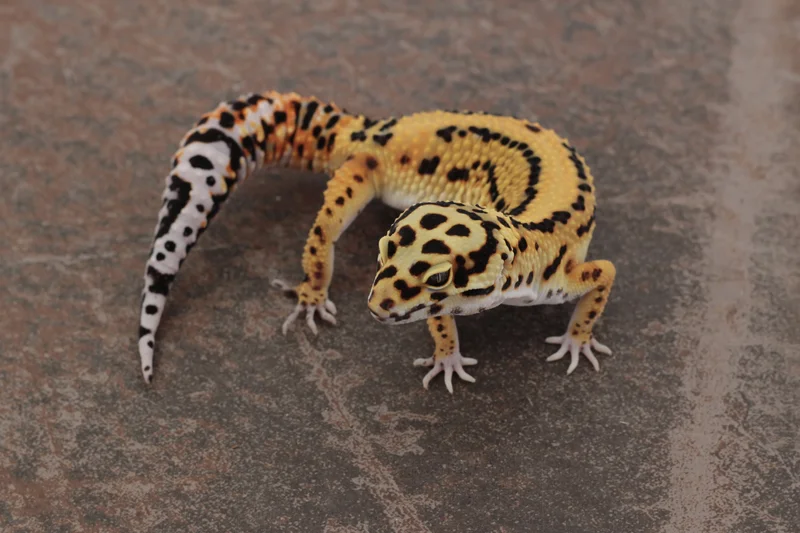
Leopard geckos are among the most popular pet reptiles, and breeders produce an enormous range of colors and patterns. Buyers often search for Tremper albino, Mack snow, tangerine, blizzard and eclipse geckos, as well as combinations built from several genes.

Listings typically show age, weight, sex and the genetics the seller lists for the gecko. Read those details alongside the photos, and ask about any possible (het or pos het) genes if you are planning future breeding projects. Built-in chat is the quickest way to get extra photos or feeding notes.

Seller profiles and buyer reviews help you decide who to buy from. If you have a particular morph in mind, save a Hit List alert and ReptileAds will notify you when a match is listed.

Why Buy Leopard Geckos on ReptileAds?
Leopard Gecko Care at a Glance
Choosing a Leopard Gecko

ReptileAds brings leopard gecko breeders and keepers together so you can compare morphs and talk to sellers before you buy.

Browse Morphs and Genetics

Compare normals, albinos, snows, tangerines and multi-gene combos, with genetics listed by each seller.

Chat With Sellers

Ask about weight, feeding response and shipping or pickup through built-in messaging.

Morph Alerts

Set a Hit List alert for the morph you want and get notified when a matching gecko is listed.

Leopard geckos are hardy, ground-dwelling geckos with a straightforward setup.

  • Enclosure: A floor-space-focused enclosure with a warm hide, a cool hide and a humid hide for shedding.
  • Heat and light: A warm side, often with a surface temperature around the high 80s to low 90s °F, and a cooler side; many keepers add low-level UVB.
  • Humidity: Generally low to moderate, with a moist hide to help with sheds.
  • Diet: Insects such as crickets, dubia roaches and mealworms, gut-loaded and dusted with supplements.
  • Handling: Most leopard geckos become comfortable with calm, regular handling.

For a complete setup walkthrough, read the full ReptileAds leopard gecko care guide.

These questions help you compare leopard gecko listings.
  • How old is the gecko, and what does it weigh now?
  • Is the sex confirmed, or was it incubated for a particular sex?
  • What genetics does it carry, and are any genes only possible?
  • Which insects is it eating, and how often?
  • How will it be shipped or picked up?

Frequently Asked Questions

Yes. Leopard geckos are hardy, calm and easy to house, and they eat readily available insects, which is why they are often recommended as a first reptile.
Adults usually reach about 6 to 10 inches (15 to 25 cm) in total length. Males are typically larger and bulkier than females.
Leopard geckos commonly live 10 to 20 years in captivity, so they are a long-term companion.
Morphs are inherited color and pattern traits. Some, like Tremper albino, are recessive, while others, like Mack snow, are co-dominant.
Compare listings by age, weight, sex and genetics, message the seller with questions, check their reviews, then arrange shipping or pickup with them.
Image

ReptileAds.com is from Purple Turtle Technologies LLC with a strategic partnership with Husbandry.Pro and Redline Shipping. Decades of experience brought together to create the future of reptile classifieds.

  • Husbandry.Pro
  • Redline Shipping

Copyright 2025 Purple Turtle Technologies LLC. All Rights Reserved.

Marketplace
  • All Animals
  • Ball Pythons
  • Buy Turtles
  • Buy Frogs
  • Buy Toads
Resource
  • Resources
  • Care Guides
  • About Us
  • Contact
  • News
  • FAQs
  • Privacy Policy
  • Terms and Conditions
My account
  • Profile
  • Sign Up
  • Login
  • Redline Shipping
  • Sitemap
Subscribe to our newsletter

Signup for our newsletter to get the latest news in your inbox.