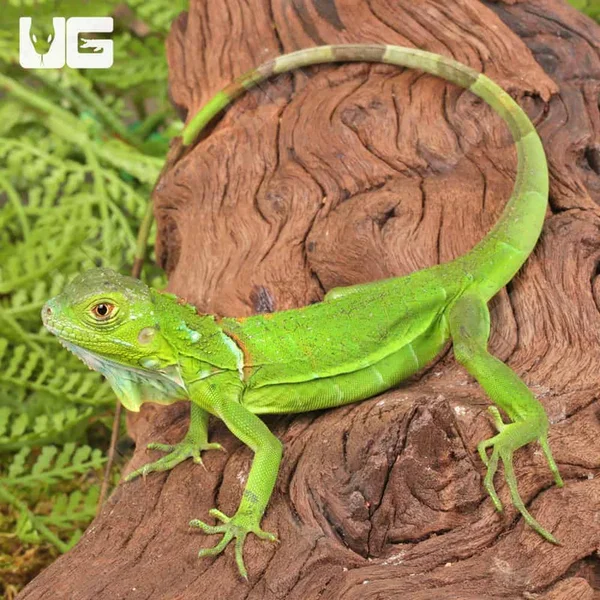
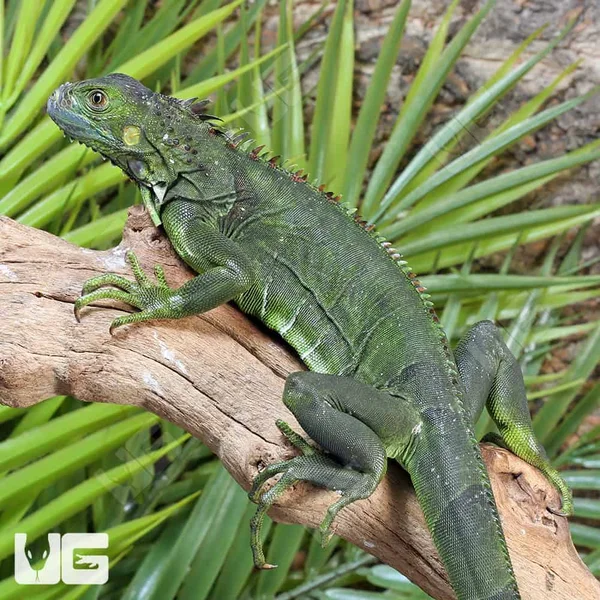
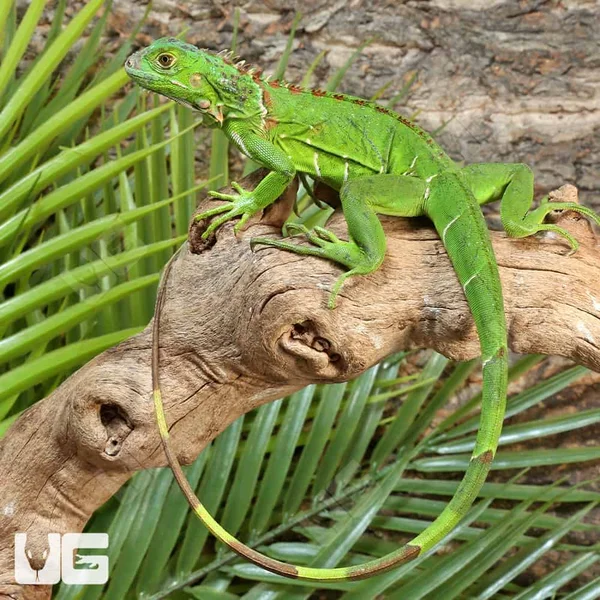
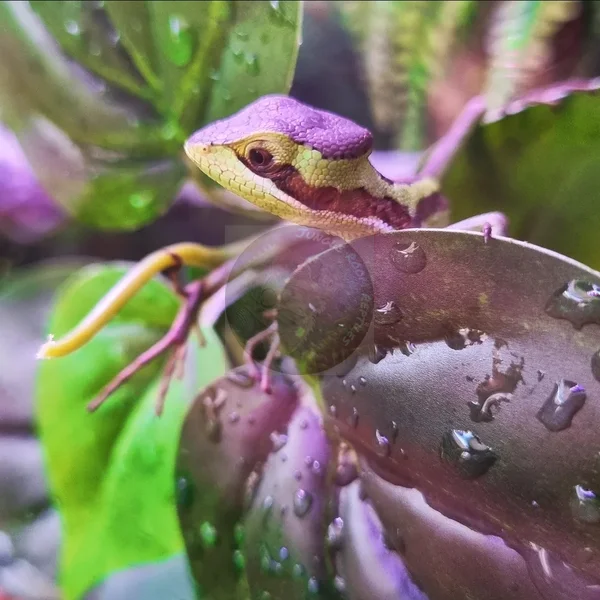
Browse other iguanas for sale, including chuckwallas, desert iguanas and less common Iguanidae that fall outside our green, rock and spinytail iguana categories.
Showing 1 to 4 of 4 animals
Showing 1 to 4 of 4 animals

Buy one and get 50% off either of the other animals (equal or lesser value). Mention this ad.
The iguana family stretches well beyond the green iguana. From sun-baked desert species to rarely seen island lizards, this category collects the iguanids that do not have their own ReptileAds page, so it pays to understand the range before you buy.
The family Iguanidae includes the green iguana, the Caribbean rock iguanas (Cyclura) and the spinytail iguanas (Ctenosaura), each of which has a dedicated category on ReptileAds. Beyond those, keepers work with chuckwallas (Sauromalus), stocky rock-dwellers from the deserts of the southwestern United States and Mexico, and the desert iguana (Dipsosaurus), a smaller, heat-loving species from similar habitats.
Other iguanids, including several island species, are rarely offered and are often protected. When one appears, the listing and the seller's paperwork are your best guides.
Size is where this category varies most. Desert iguanas and chuckwallas stay far smaller than their tree-dwelling relatives, while larger iguanids can reach 4 to 6 feet in total length. Check the adult size of the exact species so you can plan an enclosure that will last.
Lifespans are generally long, with many iguanas living 10 to 20 years in captivity.
Most iguanids are herbivores that do well on calcium-rich greens, vegetables and flowers, with fruit offered in moderation. Nearly all need a hot basking area, a cooler retreat and strong UVB lighting. Desert species want low humidity and rock piles to climb and wedge into, while tropical species need more humidity and vertical space.
Because needs differ this much, read a full care guide for your species and set up the enclosure before your iguana arrives. Recording basking temperatures, feedings and weights as you go is easier with a log, and Husbandry.Pro is one option for keeping those records organized.
Confirm the scientific name first, then compare listings on age, photos and whether the animal is captive bred. Use built-in chat to ask about diet, housing and any documentation, and look over seller profiles and reviews. Some iguanas are regulated and permits may be required, so check the rules where you live.
If you are open to the more familiar species, browse the Green Iguanas, Rock Iguanas and Spinytail Iguanas categories too, and set a Hit List alert for anything rare you are waiting on.
AI-assisted guide reviewed by the ReptileAds team. General information about these animals — not care, veterinary or legal advice, and not a description of any individual listing above.
This section gathers iguanid lizards that do not have a dedicated category. Depending on what breeders are producing, you may find chuckwallas, desert iguanas or less frequently offered members of the family.
These species differ widely in size and climate needs, so start by confirming the scientific name in each listing. Then message the seller through built-in chat about origin, age, diet and any paperwork.
If you already know you want a green, rock or spinytail iguana, their own categories will be quicker to browse. For hard-to-find species, set a Hit List alert and ReptileAds will notify you when a match is listed.
Unusual iguanas turn up rarely, and ReptileAds helps you spot them and talk to the seller quickly.
Browse iguanids that fall outside the main categories, all listed by breeders and keepers.
Ask about species, origin and diet directly through built-in chat.
Save a search and be notified as soon as a matching iguana appears.
Iguanids share a love of heat and a plant-based diet, but their setups vary with their home habitat.
Read the ReptileAds care guide for your specific species before buying.
These questions help you understand exactly what you are buying.