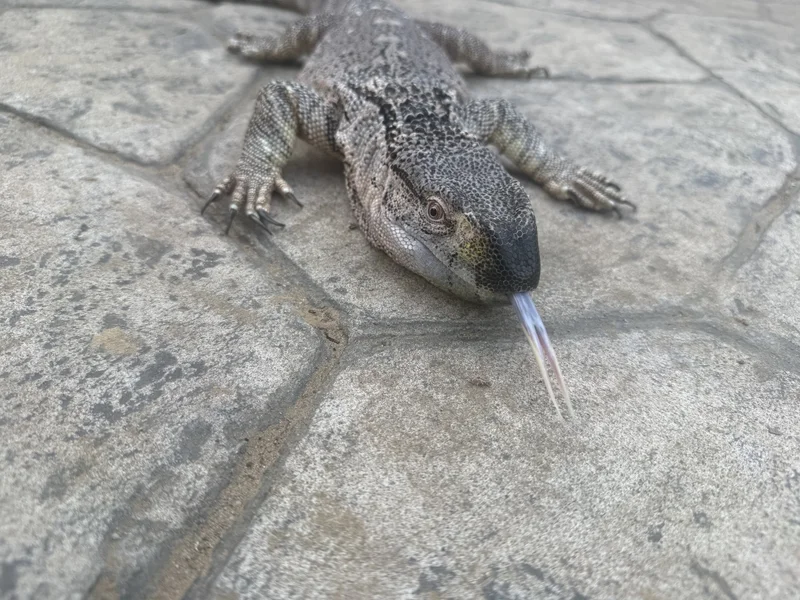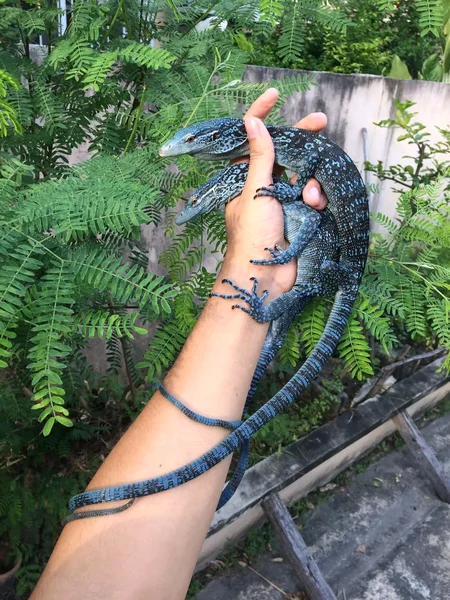
Explore a selection of captive-bred monitor lizards for sale.
Showing 1 to 2 of 2 animals
Showing 1 to 2 of 2 animals

Proudly Support Vets & 1st Responders
Monitor lizards are among the most intelligent and active lizards kept in captivity, and the genus Varanus includes animals that range from under 2 feet to over 6 feet long. That range is the single most important thing to understand before you buy. Choosing the right species for your space and experience makes keeping a monitor far more rewarding.
Monitors are found across Africa, Asia and Australia, with most species native to tropical and subtropical regions. In captivity, keepers tend to group them by adult size. Dwarf monitors, including the ackie (spiny-tailed) monitor and several tree-dwelling species, often stay in the 1 to 3 foot range. Mid-size and large species such as the savannah monitor, black-throated monitor, Nile monitor and Asian water monitor can reach 4 feet and beyond.
Each group behaves differently. Ackies are busy, curious diggers; tree monitors spend much of their time climbing; and larger terrestrial species patrol and forage over wide areas. Picking the lifestyle you want to support is as important as picking the look you like.
Across the genus, adult size runs from roughly 1 foot to as much as 10 feet, varying widely by species. Most pet species fall well below the upper end, but planning around the adult size of the exact species you choose is essential.
Lifespans typically fall between 10 and 20 years depending on species. That is a long commitment, so it helps to think about housing upgrades, feeding costs and long-term care before bringing a hatchling home.
Monitors do best in enclosures that give them room to move, a hot basking area and a cooler side where they can regulate their body temperature. Many species appreciate deep, moisture-holding substrate for digging and burrowing, which also helps maintain humidity. Quality UVB lighting is widely used, and secure lids and locks are important because monitors are strong and persistent.
Dwarf monitors can live in a large custom or commercial enclosure, while larger species often end up in built enclosures or dedicated rooms as adults. The full ReptileAds monitor care guide covers temperatures and layouts species by species.
Monitors are carnivorous. In the wild they take small mammals, birds, eggs, insects and occasionally fish. In captivity, keepers build diets around appropriately sized whole prey and insects, adjusting portions and frequency to the species, age and body condition.
Monitors can put on weight quickly if overfed, so tracking meals and body weight over time is useful. Many keepers use Husbandry.Pro to log feedings, sheds and weights, which makes it easier to spot trends and adjust the routine.
Start with local rules. Monitor lizards are regulated in many jurisdictions and permits are sometimes required, so confirm what applies where you live before messaging a seller. Next, decide on a species based on the adult size you can house for its full lifespan.
When comparing listings on ReptileAds, look for clear photos, the animal's age and whether it is captive-bred or imported. Message the seller to ask what it is eating, how it reacts to people and how shipping or pickup works. Checking the seller's profile and reviews helps you choose someone you are comfortable buying from. If nothing matches today, a Hit List alert will let you know when a suitable monitor is listed.
AI-assisted guide reviewed by the ReptileAds team. General information about these animals — not care, veterinary or legal advice, and not a description of any individual listing above.
Welcome to the Reptileads monitor lizard marketplace - your destination for finding healthy, captive-bred monitor lizards from knowledgeable breeders and reptile enthusiasts. Monitor lizards are highly intelligent reptiles known for their curiosity, strength, and unique personalities.
Whether you're researching your first monitor species or expanding your collection, this category helps you explore available listings and connect directly with sellers.
Each listing typically includes:
These details help buyers make informed decisions before purchasing.
Monitor lizards belong to the genus Varanus and are found across Africa, Asia, and Australia. They are known for their advanced problem-solving abilities, strong hunting instincts, and active behavior.
Common characteristics include:
Monitor lizards vary greatly in size, from relatively small species to very large reptiles requiring significant space and care.
Proper husbandry is essential when keeping monitor lizards due to their activity level and environmental needs.
Temperature
Humidity
Enclosure
Diet
Providing adequate space and enrichment is critical for monitoring lizard health and behavior.
If you breed or keep monitor lizards, you can list them on Reptileads and connect with buyers searching for healthy reptiles.
Creating a listing allows you to reach a targeted audience while building trust through seller reviews and reputation.