ReptileAds.com
  • Market
  • Categories
  • Stores
  • Genetic Calculator
  • Pricing
Login
  • Dashboard
  • Market
  • Stores
  • Genetic Calculator
  • Pricing
  • Regions
    • All Regions
    • Canada
    • United States
    • Europe
    • Great Britain
    • Australia
    • South Africa
    • Other Regions
  • ConnectHusbandry.Pro
  • Login
  • Register
Image

ReptileAds.com is from Purple Turtle Technologies LLC with a strategic partnership with Husbandry.Pro and Redline Shipping. Decades of experience brought together to create the future of reptile classifieds.

  • Husbandry.Pro
  • Redline Shipping

Copyright 2025 Purple Turtle Technologies LLC. All Rights Reserved.

Marketplace
  • All Animals
  • Ball Pythons
  • Buy Turtles
  • Buy Frogs
  • Buy Toads
Resource
  • Resources
  • Care Guides
  • About Us
  • Contact
  • News
  • FAQs
  • Privacy Policy
  • Terms and Conditions
My account
  • Profile
  • Sign Up
  • Login
  • Redline Shipping
  • Sitemap
Subscribe to our newsletter

Signup for our newsletter to get the latest news in your inbox.

ReptileAds.com
  • Market
  • Categories
  • Stores
  • Genetic Calculator
  • Pricing
Login
  • Dashboard
  • Market
  • Stores
  • Genetic Calculator
  • Pricing
  • Regions
    • All Regions
    • Canada
    • United States
    • Europe
    • Great Britain
    • Australia
    • South Africa
    • Other Regions
  • ConnectHusbandry.Pro
  • Login
  • Register

Sand Boas for Sale

Browse sand boas for sale from breeders and keepers, including Kenyan, rough-scaled, Arabian and other Eryx species. Small, burrowing and easy to house, they suit many homes.

$
$

22 Animals Found

Showing 1 to 19 of 22 animals

22 Animals Found

Showing 1 to 19 of 22 animals

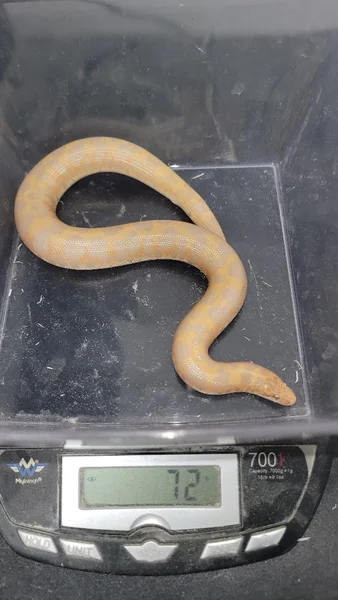
Dodoma
Dodoma
Sand Boa
Rufus Darden Reptiles
adult
$350
Operation: Deeds, Not Words
Sponsored

Operation: Deeds, Not Words

The Fatman Nation & Green Line Morphs

Proudly Support Vets & 1st Responders

AdvertisementWhy am I seeing this?
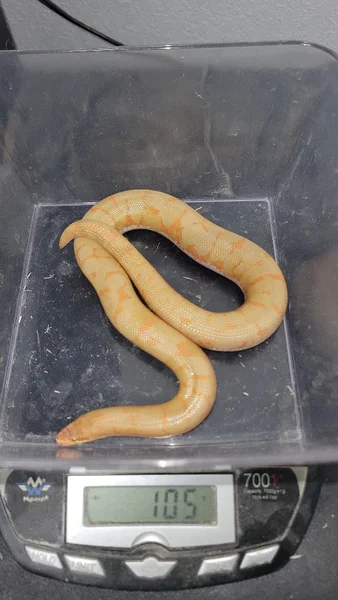
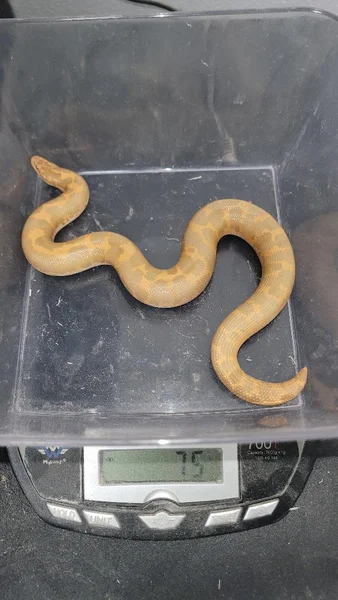
Anery GX Paint
Anery GX Paint
Sand Boa
Rufus Darden Reptiles
juvenile
$600
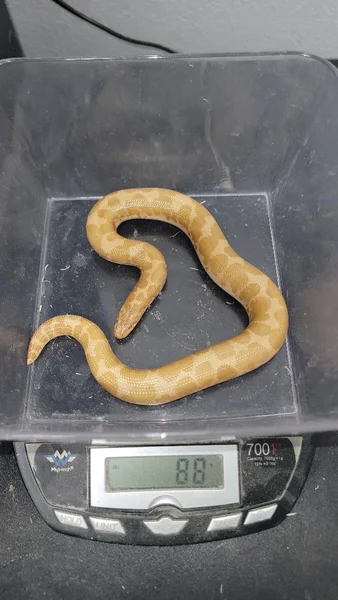
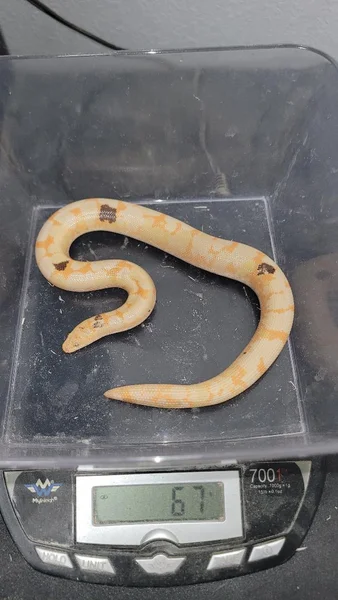
Paradox Neon
Paradox Neon
Sand Boa
SofloSandBoas
adult
$1200
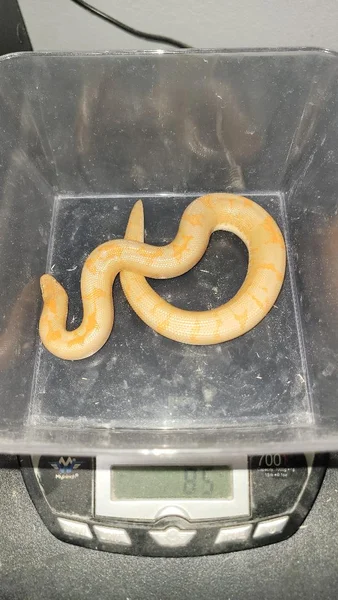
Paradox Albino Stripe
Sand Boa
SofloSandBoas
adult
$400
Paradox Whiteout
Paradox Whiteout
Sand Boa
SofloSandBoas
subadult
$475
Albino Hypo Metallic
Sand Boa
SofloSandBoas
adult
$200
Albino Tiger Reduced Pattern Het JPB/Splash
Sand Boa
SofloSandBoas
adult
$200
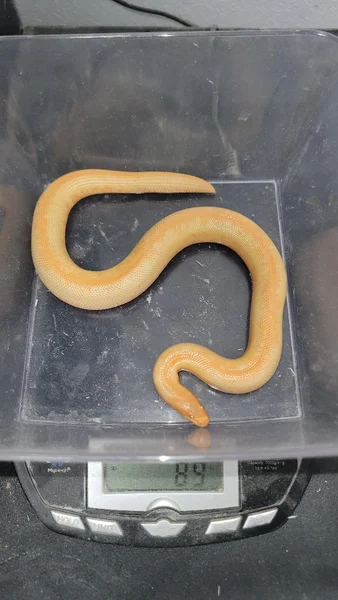
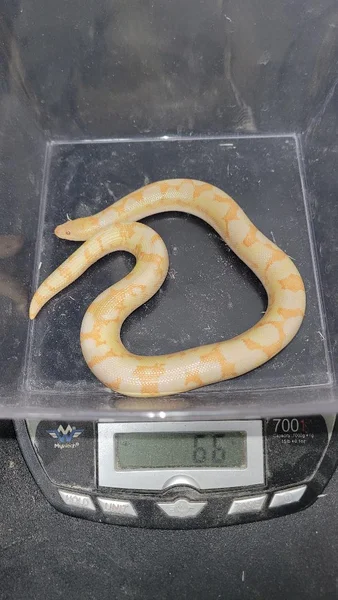
Blonde Albino
Blonde Albino
Sand Boa
SofloSandBoas
adult
$200
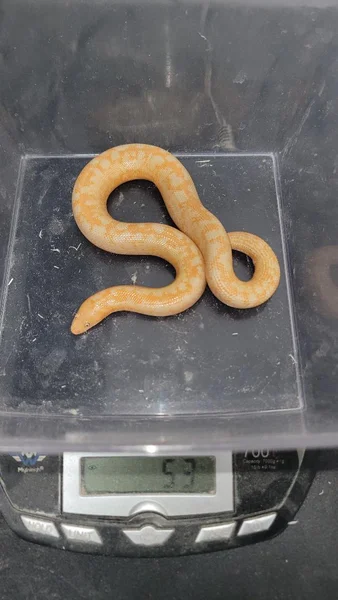
Albino Het JPB
Albino Het JPB
Sand Boa
SofloSandBoas
adult
$150
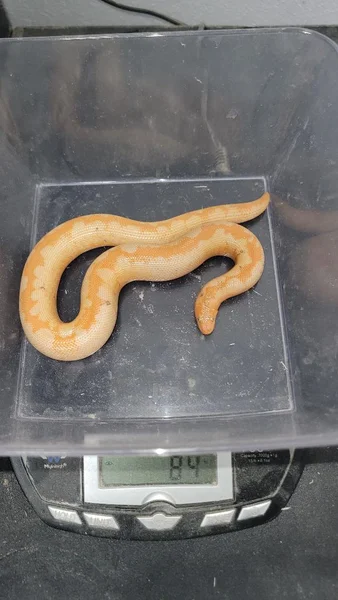
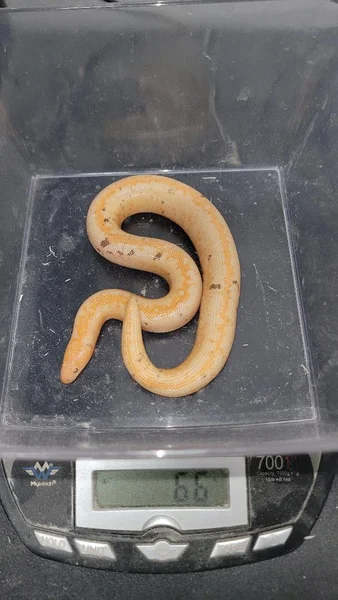
Albino Hypo
Albino Hypo
Sand Boa
SofloSandBoas
adult
$150
Paradox Albino JPB
Paradox Albino JPB
Sand Boa
SofloSandBoas
subadult
$450
Albino Stripe Het JPB
Sand Boa
SofloSandBoas
adult
$175
Paradox Albino Stripe JPB
Sand Boa
SofloSandBoas
adult
$200
Albino Het Whiteout/Neon
Sand Boa
SofloSandBoas
subadult
$375
Paradox Albino Stripe JPB
Sand Boa
SofloSandBoas
subadult
$250
Albino JPB Cool Pattern
Sand Boa
SofloSandBoas
subadult
$175
Anery Het Splash Kenyan Sand Boa
Sand Boa
SofloSandBoas
juvenile
$85
Het Gx Paint 66% Albino 50% Anery
Sand Boa
Scaly Crew
juvenile
$120
GX Paint 66% Het Snow
Sand Boa
Scaly Crew
juvenile
$395
12

Sand Boas Guide: Kenyan, Rough-Scaled and Other Eryx Species

Adult size
About 2-3 feet; female Kenyans larger
Lifespan
15-20 years in captivity
Diet
Mice in captivity
Native range
North Africa, Middle East, Central and South Asia
Lifestyle
Burrowing ambush hunter
Care level
Intermediate

Sand boas are small, stocky boas that spend most of their time buried in loose sand, waiting for prey to pass overhead. Their compact size and simple dry setup make them one of the most approachable snakes in the hobby. This guide covers the main species, their care and how to choose one.

What kinds of sand boas are kept as pets?

Sand boas belong to the genus Eryx and range across North Africa, the Middle East and Central and South Asia, from Morocco and Egypt to Iran, Pakistan and India. The Kenyan sand boa, Eryx colubrinus, is the most widely kept, followed by the rough-scaled sand boa, Eryx conicus, from the Indian subcontinent.

Keepers also work with the Arabian sand boa, Eryx jayakari, known for eyes set high on its head, as well as the javelin sand boa, the Tartar sand boa and the smooth-scaled Indian sand boa, Eryx johnii. Each has its own look and small differences in care, so it is worth reading up on the specific species before you buy.

How big do sand boas get?

Most sand boas reach about 2 to 3 feet in total length, with thick bodies, small heads and short, blunt tails. Size varies by species and by sex. In Kenyan sand boas the difference is dramatic: females are much longer and heavier, while males often stay well under two feet.

That size difference is one reason buyers pay attention to how an animal was sexed. Sellers commonly describe sand boas as male or female based on probing or popping, and asking which method was used helps you understand how confident that description is.

Popular Kenyan sand boa morphs

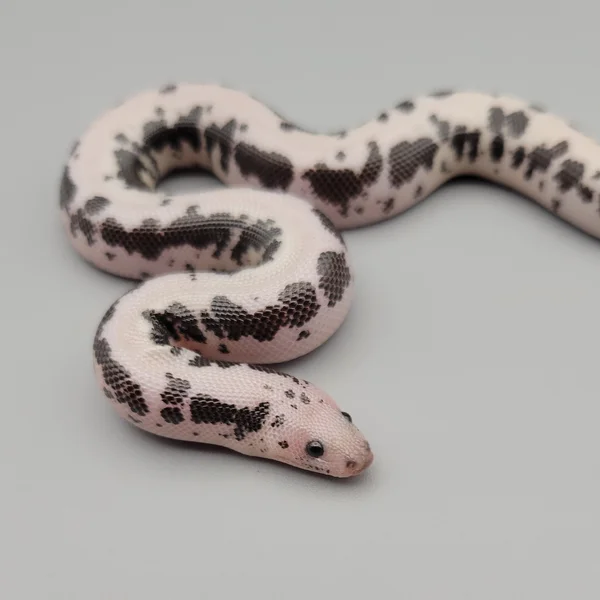
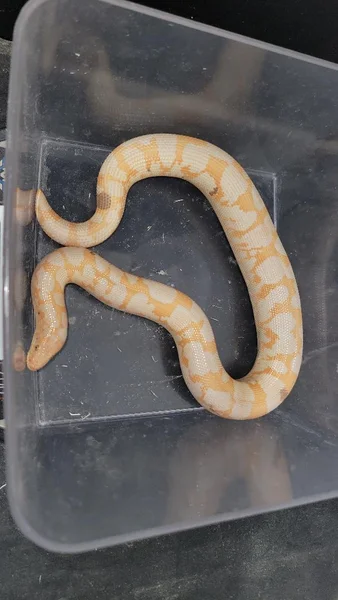
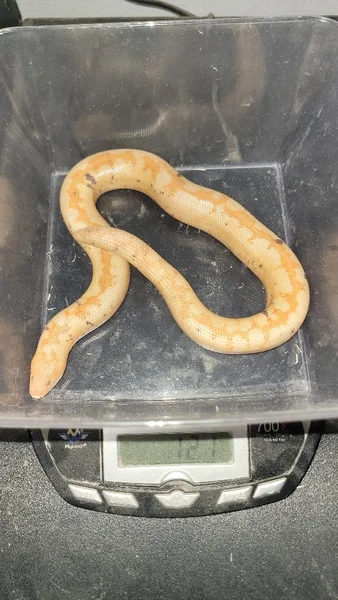
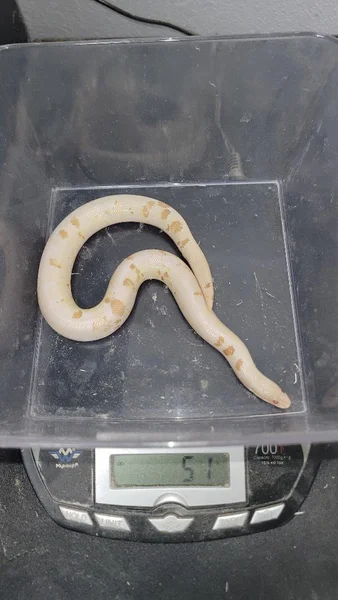
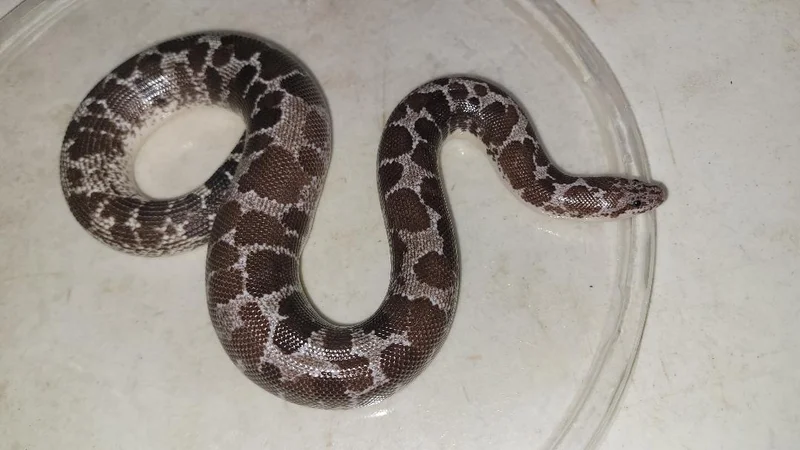
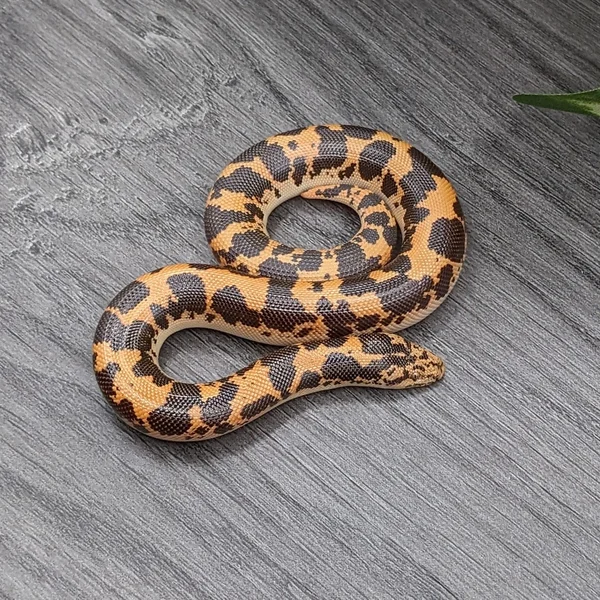
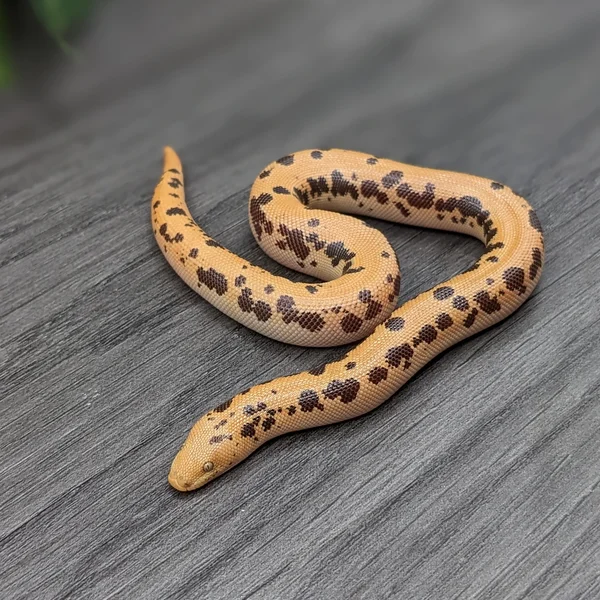
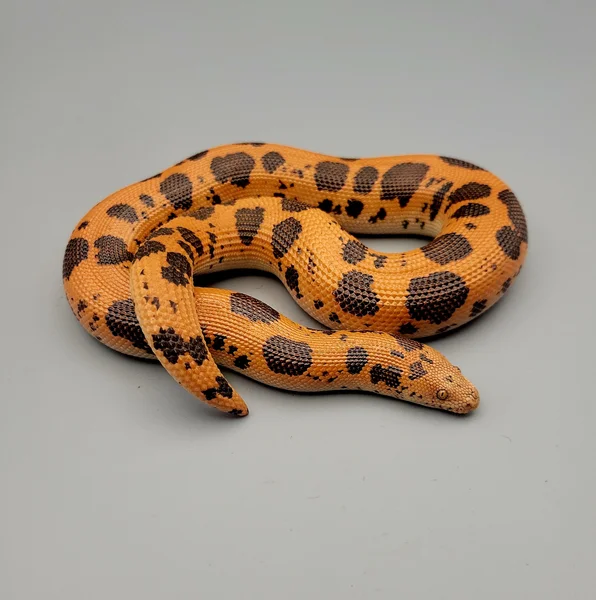
Kenyan sand boas have a wide range of morphs. Keepers commonly look for albino, anerythristic and snow animals, as well as stripe, paradox and hypomelanistic lines. Normal Kenyans are also popular, with their bold orange and dark brown patches. Rough-scaled sand boas have their own following too, prized for their textured scales and patterns that can look surprisingly similar to a small Russell's viper, a resemblance that often starts conversations among keepers.

Many morphs are recessive, so hets and possible hets appear often in listings. If you plan to breed, ask the seller which genes are proven and request photos of the parents.

How long do sand boas live?

Sand boas commonly live 15 to 20 years in captivity, and their steady, low-key routine makes them easy companions over that time. Many keepers find they eat reliably and settle quickly into a new home.

Because they spend so much time buried, it is easy to lose track of when a sand boa last ate or shed. Keeping a simple log helps, and an app such as Husbandry.Pro lets you record feedings, sheds, weights and breeding notes in one place.

What does a sand boa need at home?

A sand boa enclosure focuses on floor space and substrate rather than height. Several inches of loose, dry substrate let the snake burrow, and a warm end with a cooler end gives it a choice of temperatures under the surface. Humidity is generally kept low, with a small water dish available.

They eat mice sized to their body, and many keepers offer prey with tongs at the surface or near where the snake is buried. Sand boas are usually easy to handle once lifted gently from the substrate. The ReptileAds sand boa care guide explains species-specific setups in more detail.

How to choose and buy a sand boa online

Decide which species or morph interests you, then compare several listings. Look for a clear photo of the whole animal, a hatch date, the sex as described by the seller and notes on what it is eating.

Use built-in chat to ask how the snake was sexed, how many meals it has taken and how shipping or pickup will work. Read the seller's profile and reviews on ReptileAds. Rules can differ by species and location, so check local regulations first, and set a Hit List alert if you are waiting for a specific morph.

AI-assisted guide reviewed by the ReptileAds team. General information about these animals — not care, veterinary or legal advice, and not a description of any individual listing above.

Shopping for Sand Boas

Sand boas are compact, burrowing boas from arid parts of Africa, the Middle East and Asia. This category includes Kenyan sand boas, rough-scaled sand boas, Arabian sand boas and other Eryx species, along with Kenyan morphs such as albino, anerythristic, snow and stripe.

Sand boas are often sold as sexed pairs or as individuals, and males and females differ noticeably in adult size. Check each listing for species, sex as described by the seller, hatch date and what the snake is eating.

If you like small desert boas, the Rosy Boas category is a good companion browse. A Hit List alert will let you know when a sand boa matching your search is posted.

Why Buy Sand Boas on ReptileAds?
Sand Boa Care at a Glance
Choosing a Sand Boa

ReptileAds lets you compare sand boa species and morphs from many breeders and keepers in one place.

Many Species in One Place

Browse Kenyan, rough-scaled, Arabian and other sand boas without jumping between sites.

Morph Details

Compare Kenyan sand boa morphs and het claims, then ask sellers to explain the genetics.

Chat Before You Buy

Message sellers directly about feeding, sex and shipping or pickup arrangements.

Sand boas spend most of their lives just under the surface, and their care follows that habit.

  • Enclosure: a secure enclosure with more floor space than height and deep, loose substrate for burrowing.
  • Heat: a warm end, often with heat below or above, and a cooler end.
  • Humidity: generally low, with dry substrate and a small water dish.
  • Diet: appropriately sized mice.
  • Handling: most are slow and easy to handle once lifted gently from the substrate.

Read the ReptileAds sand boa care guide for species-specific details.

Use these questions to find the right sand boa.
  • Which species is it, and where did the line originate?
  • Is the animal described as male or female, and how was it sexed?
  • What size prey is it eating, and how many meals has it taken?
  • For Kenyan morphs, which genes are visual and which are het?
  • Are there any permits needed for this species where you live?

Frequently Asked Questions

Most sand boas reach about 2 to 3 feet in total length. In Kenyan sand boas, females are much larger and heavier than males.
Yes. Kenyan sand boas are small, slow-moving and happy in a simple dry setup, which makes them a popular choice for a first snake.
In captivity sand boas are typically fed mice sized to the snake. Most take frozen-thawed prey offered with tongs.
Yes, burrowing is central to their behavior. A deep layer of loose, dry substrate lets them tunnel and ambush prey as they would in the wild.
Sand boas commonly live 15 to 20 years in captivity, and many keepers report long, steady lives from well-kept animals.
Image

ReptileAds.com is from Purple Turtle Technologies LLC with a strategic partnership with Husbandry.Pro and Redline Shipping. Decades of experience brought together to create the future of reptile classifieds.

  • Husbandry.Pro
  • Redline Shipping

Copyright 2025 Purple Turtle Technologies LLC. All Rights Reserved.

Marketplace
  • All Animals
  • Ball Pythons
  • Buy Turtles
  • Buy Frogs
  • Buy Toads
Resource
  • Resources
  • Care Guides
  • About Us
  • Contact
  • News
  • FAQs
  • Privacy Policy
  • Terms and Conditions
My account
  • Profile
  • Sign Up
  • Login
  • Redline Shipping
  • Sitemap
Subscribe to our newsletter

Signup for our newsletter to get the latest news in your inbox.