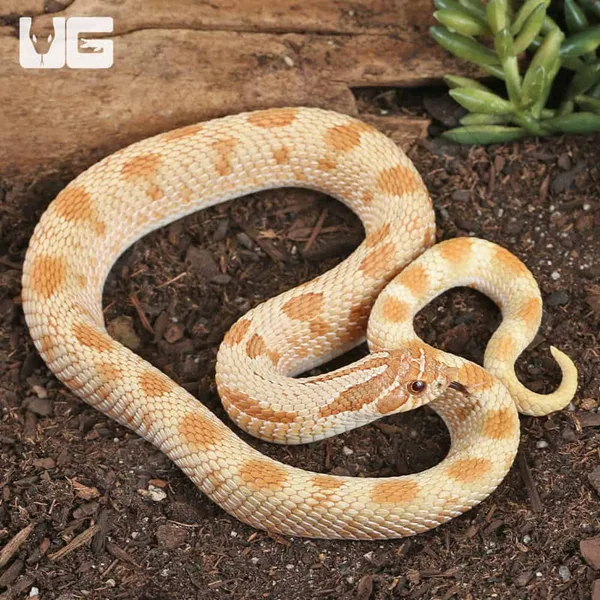
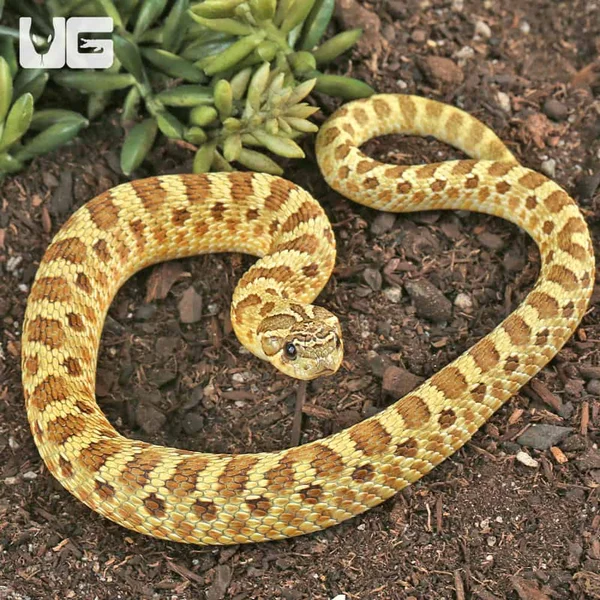
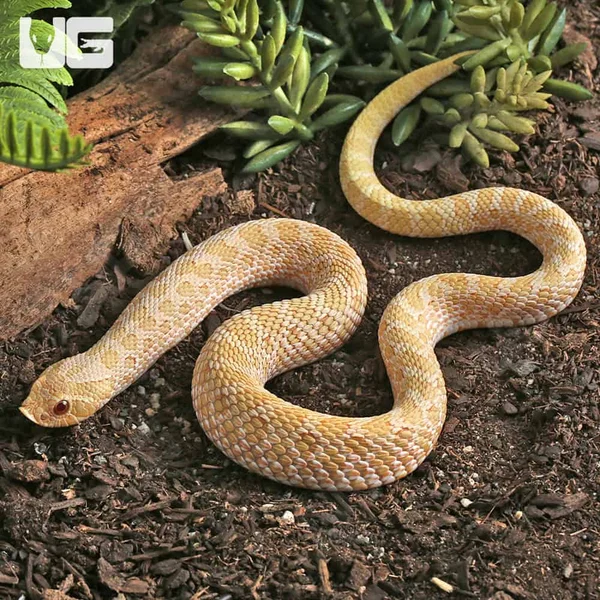
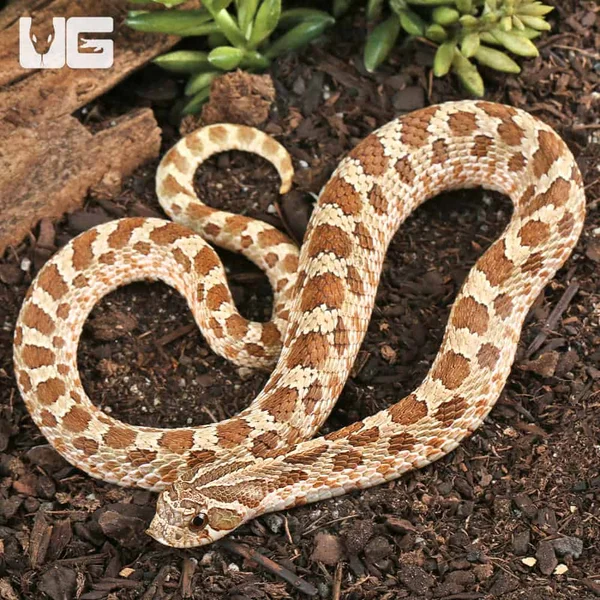
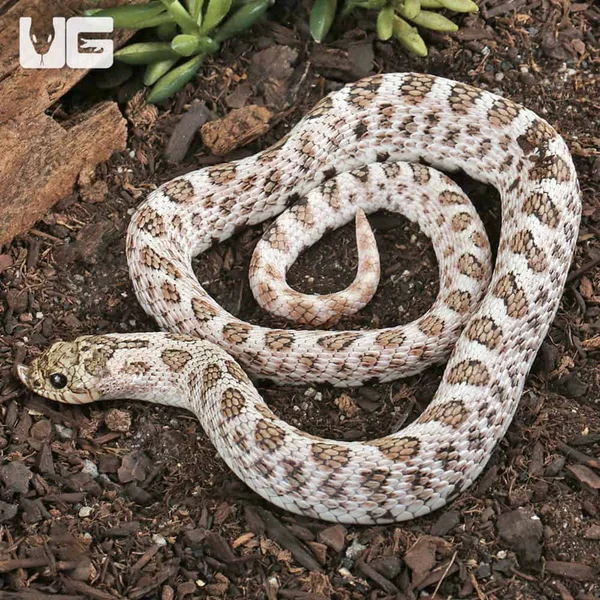
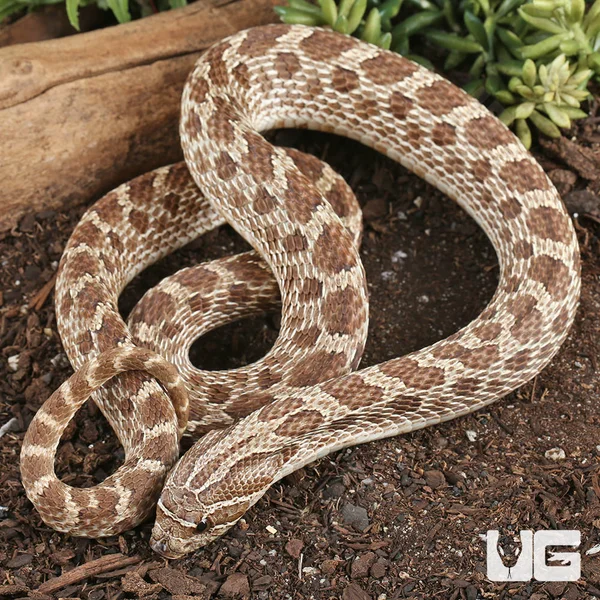
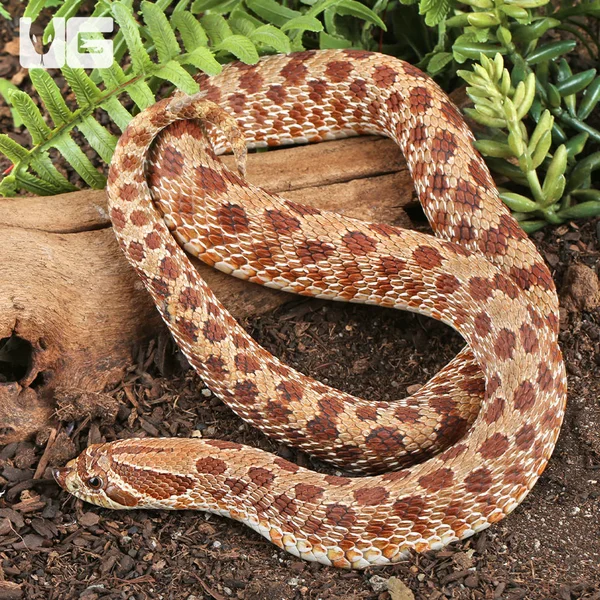
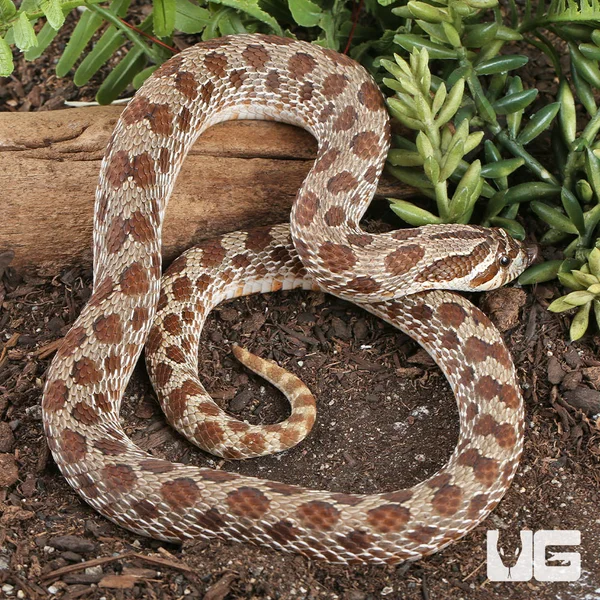
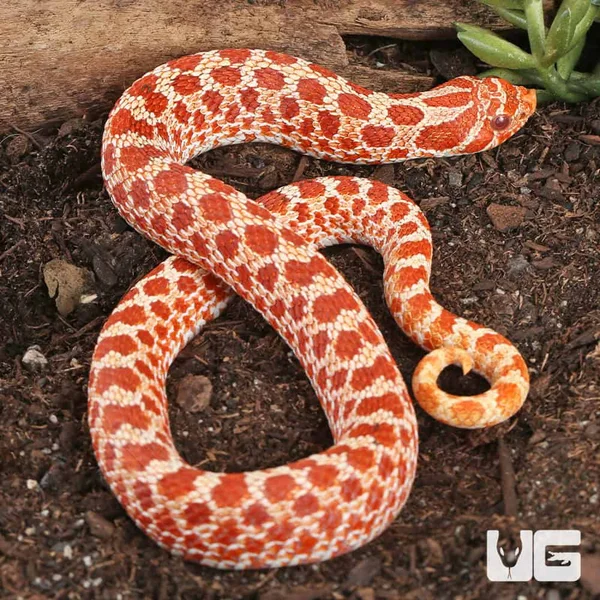
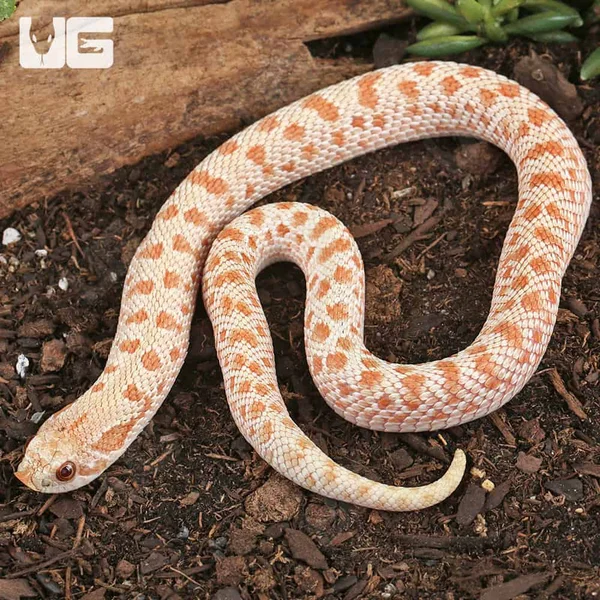
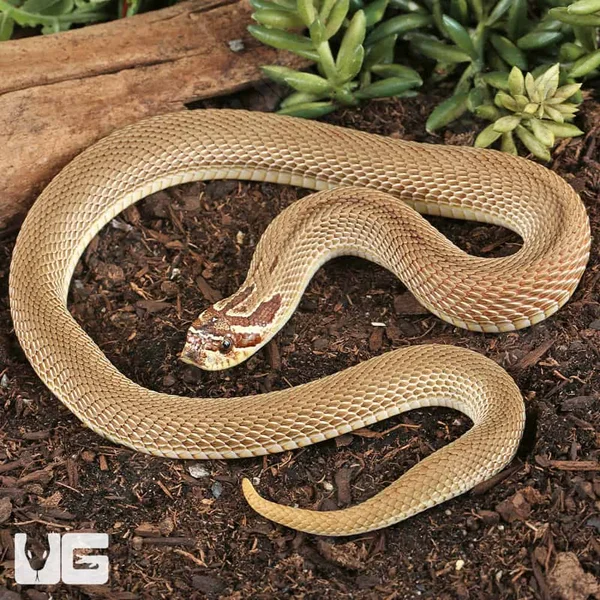
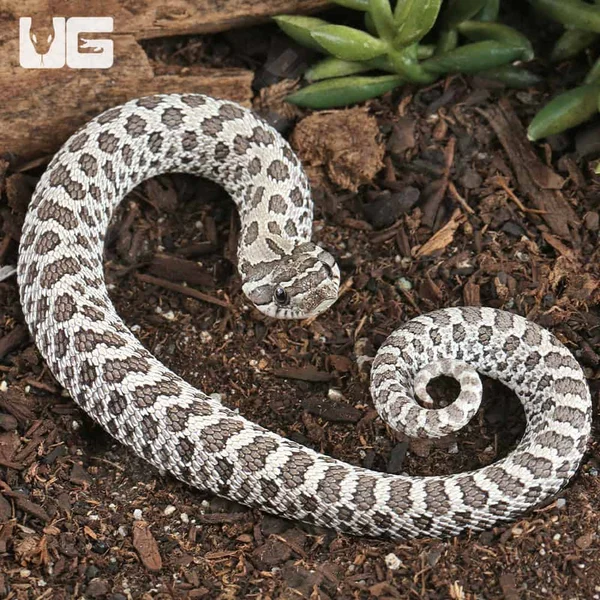
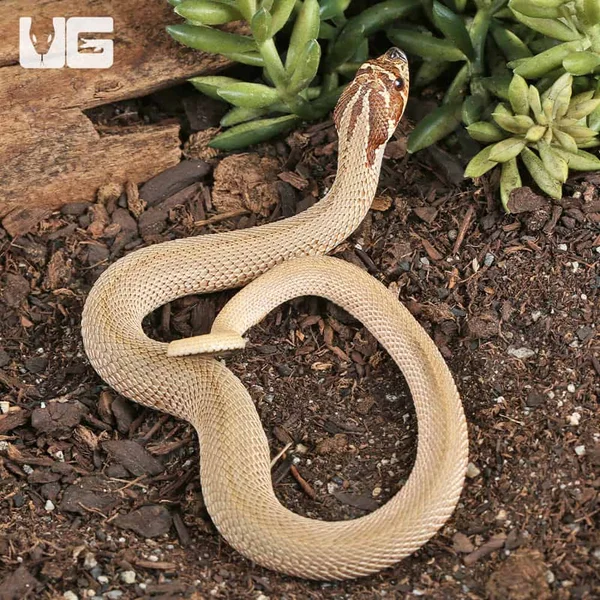
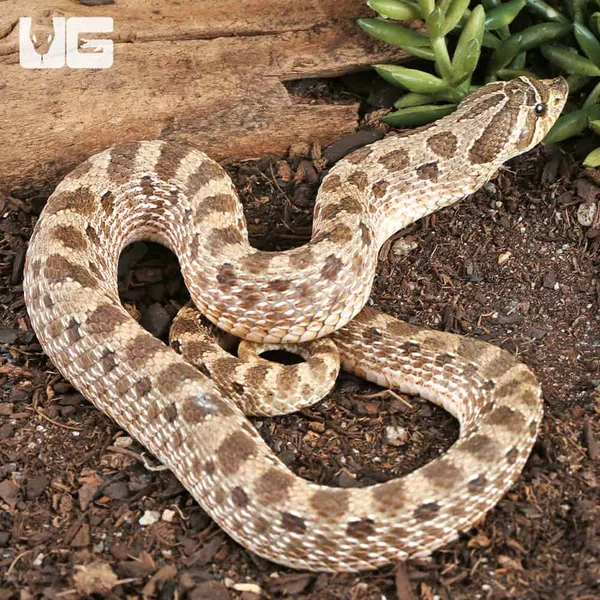
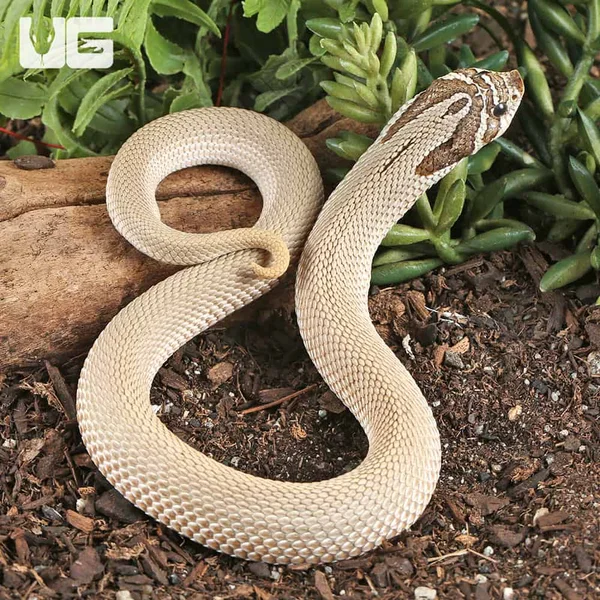
Discover other hognose snakes for sale, including Mexican hognoses and less common hognose species, listed by breeders and keepers who can tell you how each snake is feeding.
Showing 1 to 19 of 31 animals
Showing 1 to 19 of 31 animals

SAVE 10% OFF ONE ANIMAL! MUST MENTION THIS AD FOR DISCOUNT!
Beyond the popular western and eastern hognoses, there are several other snakes that carry the hognose name. Some are close relatives in the genus Heterodon, while others come from entirely different continents. This guide explains what you may find in this category and how to shop for an uncommon hognose.
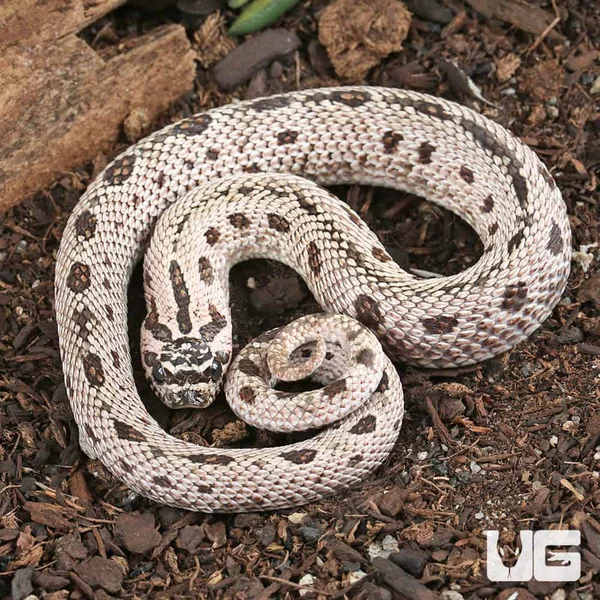
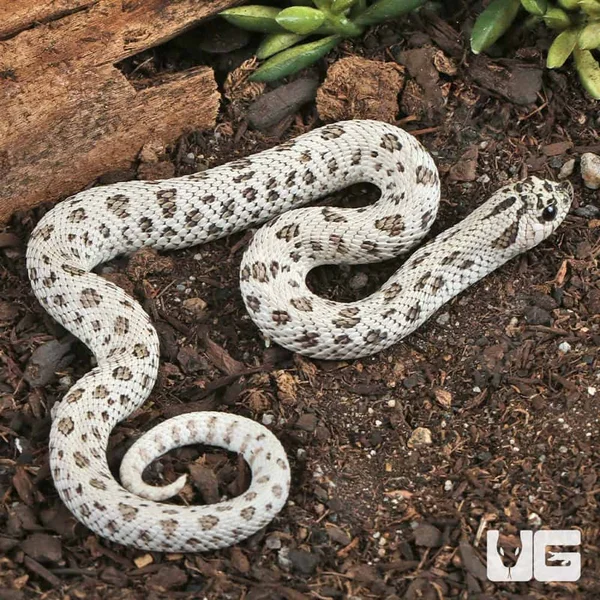
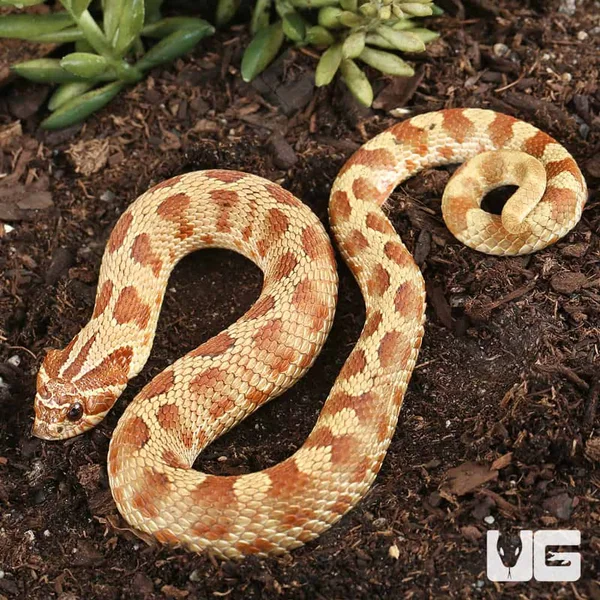
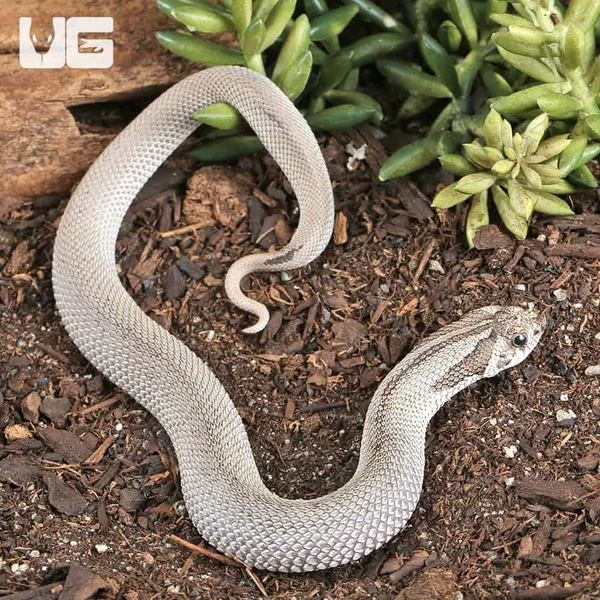
The most common species here is the Mexican hognose, Heterodon kennerlyi, found in southern Texas and northern Mexico. It closely resembles the western hognose and has sometimes been treated as a subspecies of it, so you may see both names used. The southern hognose, Heterodon simus, is a small Southeastern species that is rarely kept and protected in some areas.
The hognose name is also used for unrelated snakes, such as South American hognoses and the much larger Madagascar giant hognose. Western and eastern hognoses have their own categories on ReptileAds.
Heterodon hognoses are compact, generally 2 to 3 feet as adults depending on the species, with females larger than males. The Mexican hognose is at the small end of that range. Most live around 10 to 15 years in captivity. Snakes from other groups that share the hognose name can differ considerably in size and care, so check the species on each listing.
Mexican hognoses are kept much like westerns: a secure enclosure with a warm side, a cooler side, loose substrate to dig in and fairly dry conditions. Most captive-bred animals eat mice. Species with a stronger preference for amphibians may need scented prey, at least at first.
Hognoses are known for dramatic defensive displays, including hissing, hooding and playing dead, which usually fade with gentle handling. Keeping a steady record of meals, sheds and weights is helpful with any less familiar species, and Husbandry.Pro makes that easy to maintain.
Confirm the exact species with the seller, along with whether the snake is captive-bred and what it is eating. Check your local and state rules before buying, since some hognose species are protected or regulated. Use built-in chat, review seller profiles and reviews, and set a Hit List alert so you know when the species you want is listed.
Clear photos help too, since the Mexican hognose and the western hognose can look very alike. Ask the seller how the species was identified and what is known about the parents, and have the enclosure running at stable temperatures before your new hognose comes home.
AI-assisted guide reviewed by the ReptileAds team. General information about these animals — not care, veterinary or legal advice, and not a description of any individual listing above.
Other Hognoses is where keepers list hognose snakes that are not western or eastern hognoses. That most often means the Mexican hognose, along with occasional listings of rarer North American species and, in some cases, snakes from other parts of the world that share the hognose name.
Since several species end up here, check each listing's scientific name, adult size and feeding notes. If anything is unclear, message the seller through built-in chat and look over their profile and reviews.
You can also save a Hit List alert to be notified when a matching hognose is listed, or browse the Western Hognoses and Eastern Hognoses categories.
ReptileAds brings less common hognose snakes together so enthusiasts can find them in one place.
Browse the hognose species and forms that do not fit the two main categories.
Use built-in chat to confirm a snake's species, locality and whether it is captive-bred.
Check seller profiles and reviews from other buyers to shop with more confidence.
Care depends on the species, but most North American hognoses share similar needs:
Look for the ReptileAds care guide for your species for more detailed ranges.
These questions help when you are buying a less common hognose:
Checking local rules before you buy is especially important with rarer species.