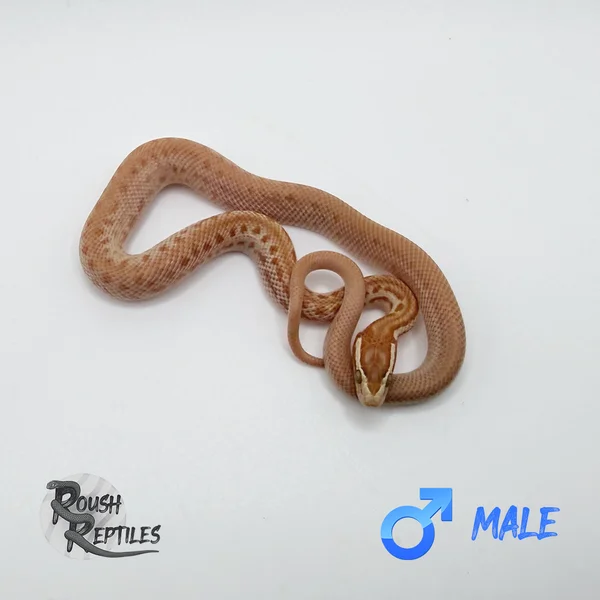
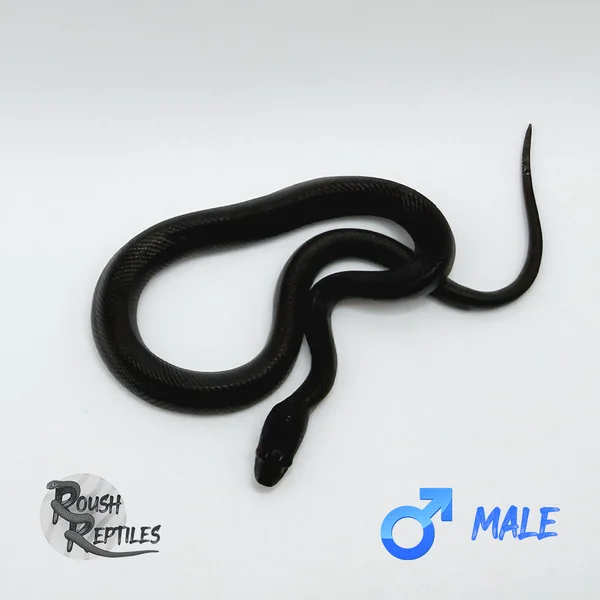
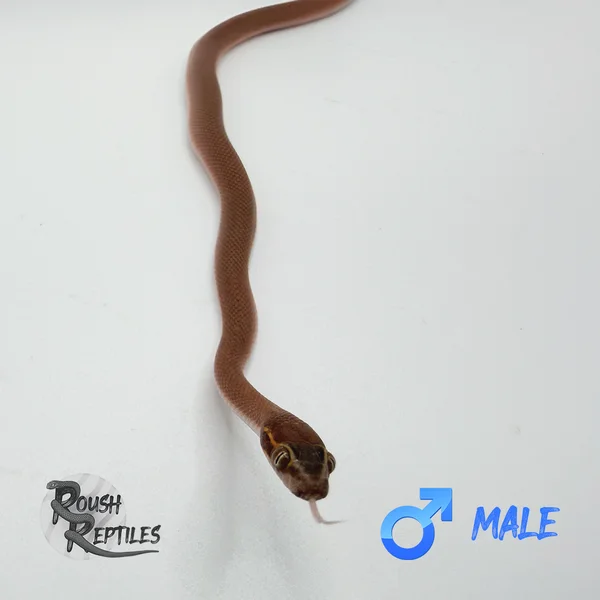
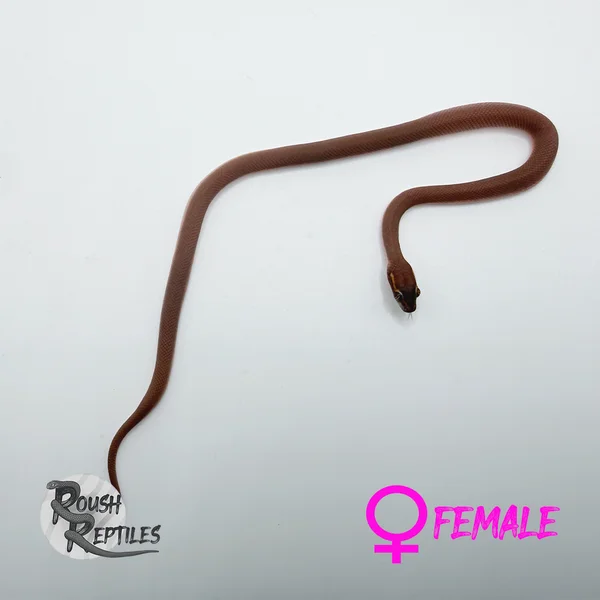
Find African house snakes for sale from breeders and keepers, including Boaedon species in wild-type and albino forms, and message sellers directly to ask about feeding and parentage.
Showing 1 to 5 of 5 animals
Showing 1 to 5 of 5 animals

Watch Now!!!
African house snakes are small, glossy colubrids from sub-Saharan Africa that got their name from their habit of hunting rodents around homes. They are nocturnal, eat readily and stay compact, which has made them a favorite with keepers who want an active snake that does not need a huge enclosure. Here is what to know about their size, lifespan, care and how to choose one.
House snakes in the hobby belong to the genus Boaedon. The Cape house snake and the brown house snake are the most familiar, and the striped house snake, with its pale lines running from the head, is also kept. Classification within the genus has changed in recent years, so the same animal may be listed under an older or newer species name.
Selective breeding has produced several color forms, with albino and hypomelanistic animals among the best known. Wild-type house snakes range from warm brown to deep reddish or almost black, often with a pale stripe along each side of the head.
Most adult house snakes measure 2 to 4 feet depending on the species, and the difference between the sexes is striking. Females grow longer and much heavier, while males often stay small and slender. A male can live comfortably in a modest enclosure, while a mature female needs somewhat more room and larger prey.
Hatchlings are tiny at first and grow quickly with regular feeding, so expect noticeable changes in size during the first couple of years.
House snakes do well in a secure enclosure with a gentle temperature gradient: a warm area on one side and a cooler area on the other, each with a snug hide. They are nocturnal, so they tend to stay tucked away during the day and explore after dark. Moderate humidity and a humid hide help them shed cleanly, and a stable water bowl should always be available.
In the wild they eat rodents, lizards and other small vertebrates. In captivity most eat frozen-thawed mice with enthusiasm, and larger females may move up to small rats. They are quick and alert as hatchlings, and regular, calm handling usually produces a relaxed adult. The ReptileAds care guide covers temperatures, substrate and feeding schedules in detail.
With good husbandry, African house snakes commonly live 10 to 15 years in captivity. Because females grow quickly and breed readily, keeping records is useful from the start. Husbandry.Pro lets you log feedings, sheds and weights, and it is also a handy place to track pairings and clutch dates if you decide to breed your house snakes.
Start by deciding whether you want a small male, a larger female, or a pair, and whether a particular color form matters to you. Then browse the house snake listings, compare photos and ages, and read the seller's notes on feeding.
Message sellers through built-in chat to confirm the species, the snake's feeding history and how it will be shipped. Check their profile and reviews, and set up a Hit List alert if you are waiting for something specific. Have the enclosure ready and holding steady temperatures before your snake arrives.
AI-assisted guide reviewed by the ReptileAds team. General information about these animals — not care, veterinary or legal advice, and not a description of any individual listing above.
This category covers African house snakes of the genus Boaedon, listed by breeders and keepers. You may come across Cape house snakes, brown house snakes and striped house snakes, along with selectively bred forms such as albino and hypomelanistic animals.
Because females grow noticeably larger than males, check the sex and age on each listing before comparing. Open a listing to see photos, feeding notes and what the seller knows about the parents.
Use built-in chat to ask the seller questions, look through their profile and reviews, and set a Hit List alert if you want to be notified when new house snakes are listed.
ReptileAds lets you compare African house snake listings from different breeders and keepers in one place.
See several house snakes side by side, with photos, ages and feeding notes, and filter by sex and genetics.
Message sellers through built-in chat about the snake's appetite, locality or species, and shipping plans.
Save a Hit List alert and hear about new house snake listings that match what you are looking for.
House snakes are compact, nocturnal colubrids with straightforward needs. In broad terms:
For full details on temperatures, substrate and feeding, read the ReptileAds house snake care guide.
A few questions help you pick a well-started house snake:
Recent photos and a short feeding record make listings much easier to compare.