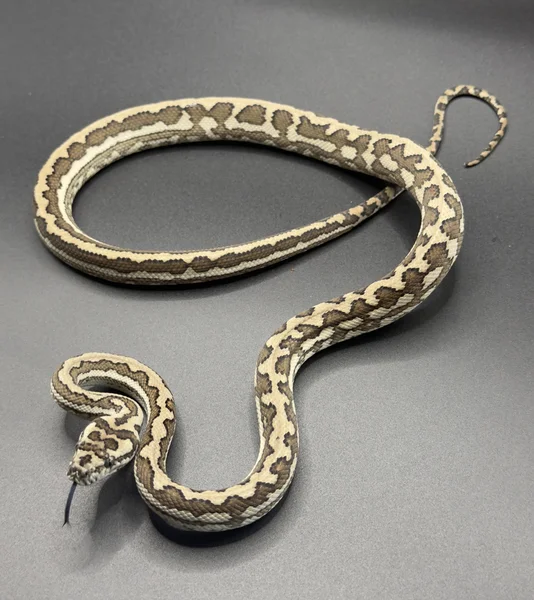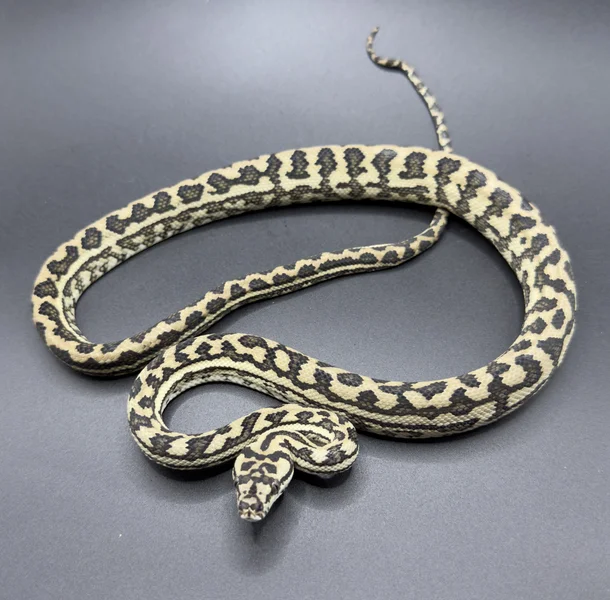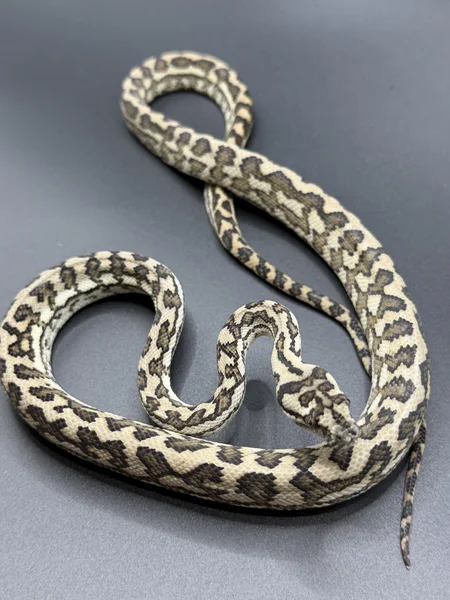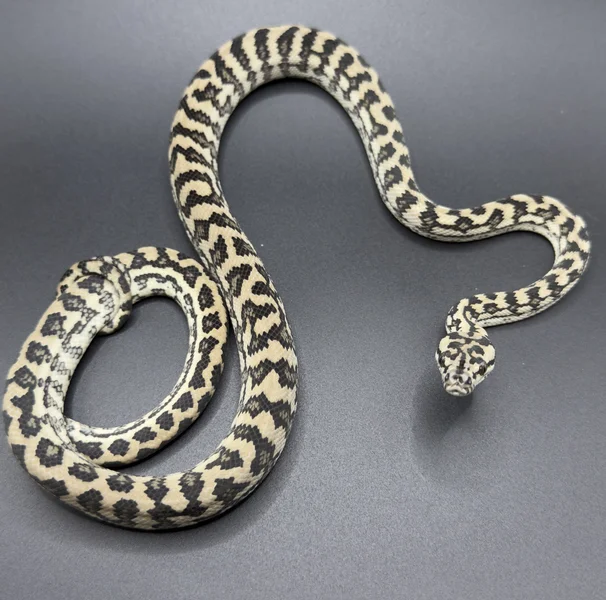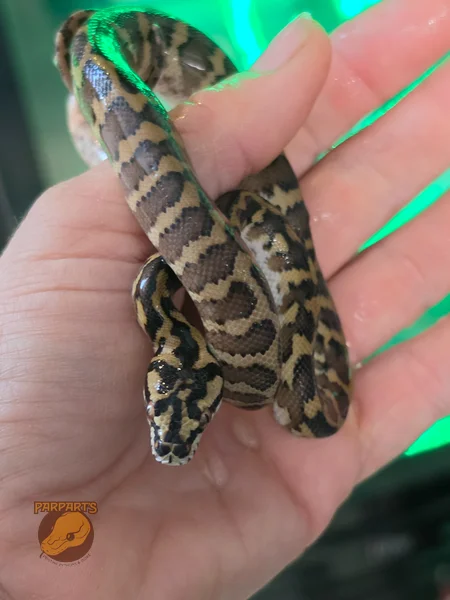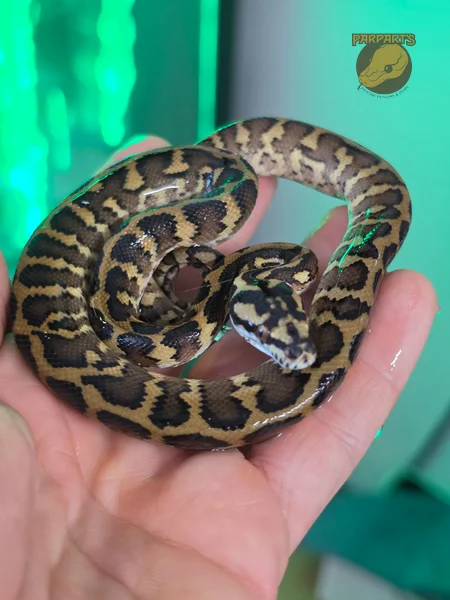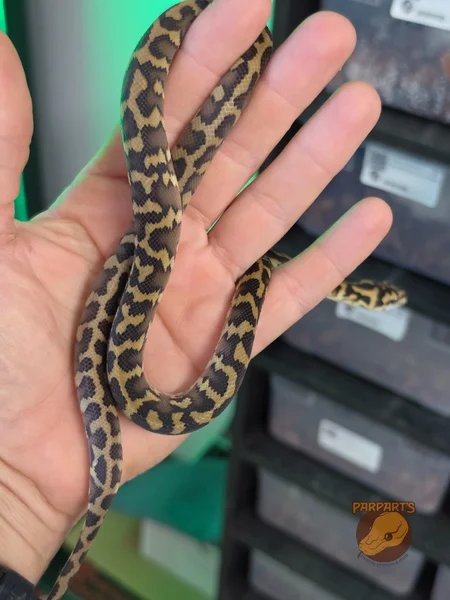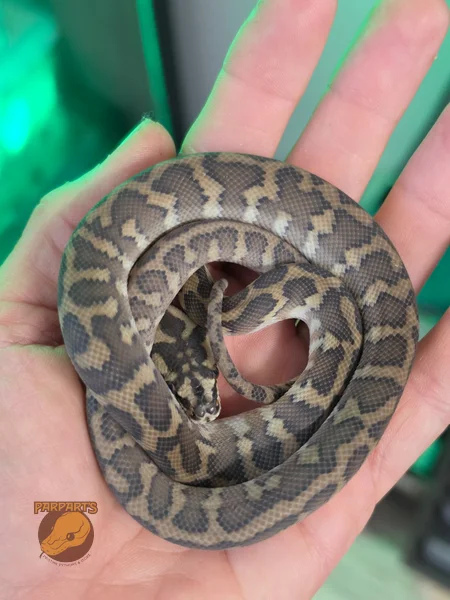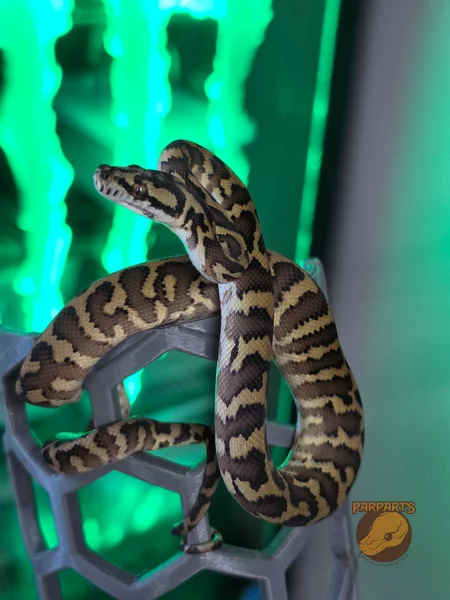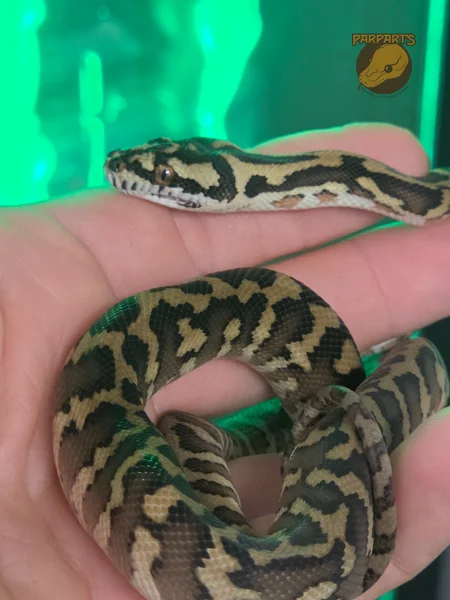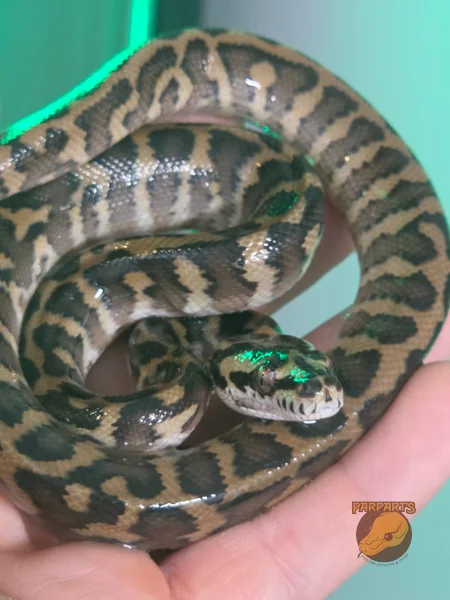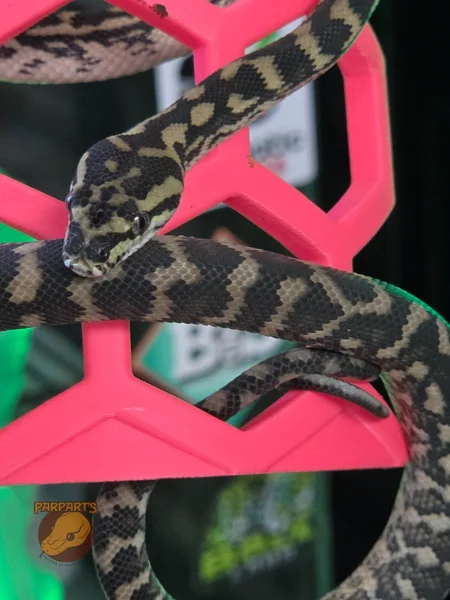
Browse Carpet Pythons for sale from trusted breeders worldwide.
Showing 1 to 19 of 47 animals
Showing 1 to 19 of 47 animals
SAVE 10% OFF ONE ANIMAL! MUST MENTION THIS AD FOR DISCOUNT!
Carpet pythons are active, curious snakes from Australia and New Guinea, known for their striking patterns and love of climbing. With several subspecies and localities to choose from, there is a lot of variety within a single species, and knowing the differences helps you pick the right one.
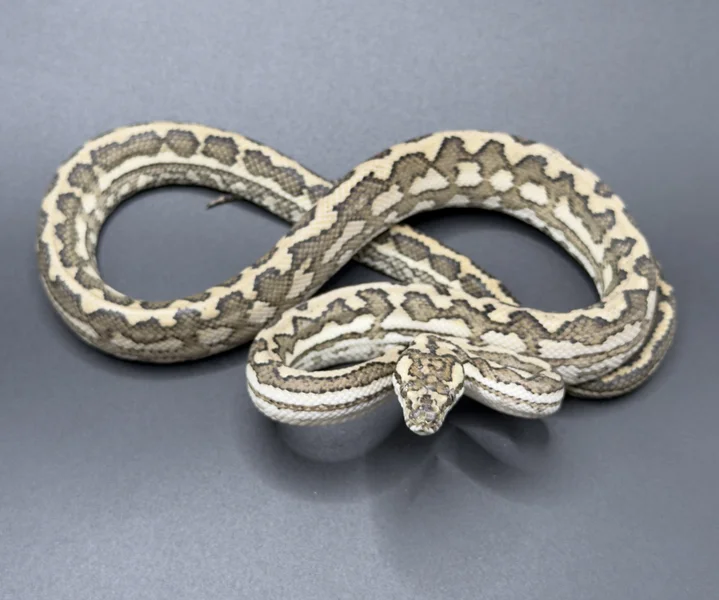
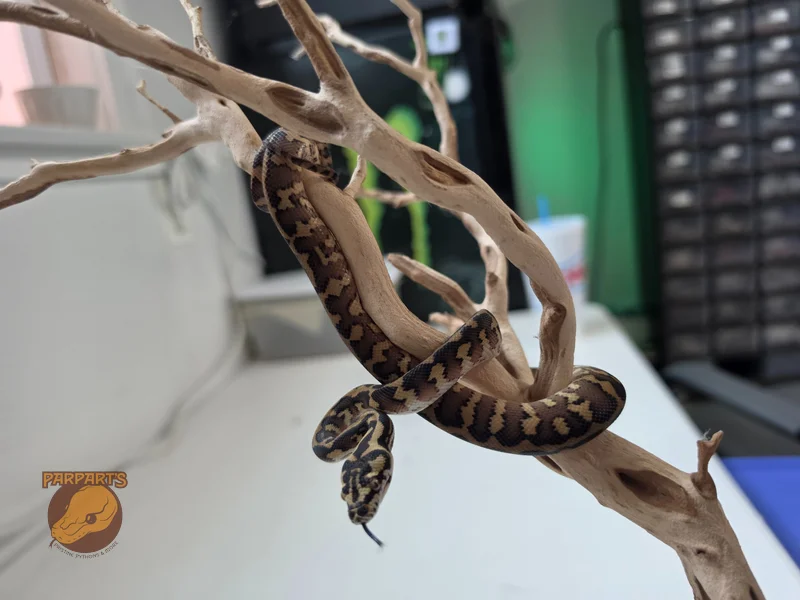
Carpet pythons (Morelia spilota) are split into several subspecies and localities, and ReptileAds gives the main ones their own sections. Jungle and Northern Coastal Carpet Pythons come from northeastern Australia, and jungles are known for high-contrast yellow and black patterns. Southern Coastal Carpet Pythons are larger, robust snakes from the east coast, and Diamond Pythons from the cooler southeast have a distinctive speckled pattern.
Inland Carpet Pythons come from drier interior regions, and Papuan (Irian Jaya and Darwin) Carpet Pythons cover northern forms. Bredl's Pythons, from central Australia, are closely related and usually grouped with carpets. Crosses and anything else appear under Other Carpet Pythons.
Adult size depends on type. Many carpet pythons reach roughly 5 to 8 feet, with jungles and inland carpets tending toward the smaller end and southern coastals growing larger and heavier. They are slimmer than many pythons, so even long adults are manageable.
Carpet pythons often live 20 years or more in captivity, so choose a type you will be happy to keep for decades.
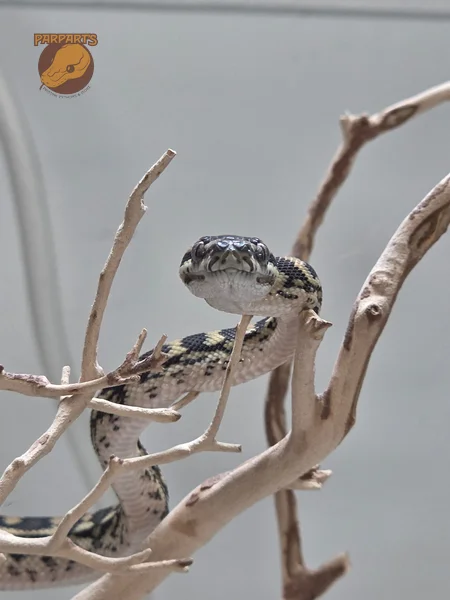
Carpet pythons are semi-arboreal, so a secure enclosure with sturdy horizontal perches, ground-level hides, a warm basking area and a cooler side suits them well. Most do well at moderate humidity, and they readily accept frozen-thawed mice or rats sized to the snake.
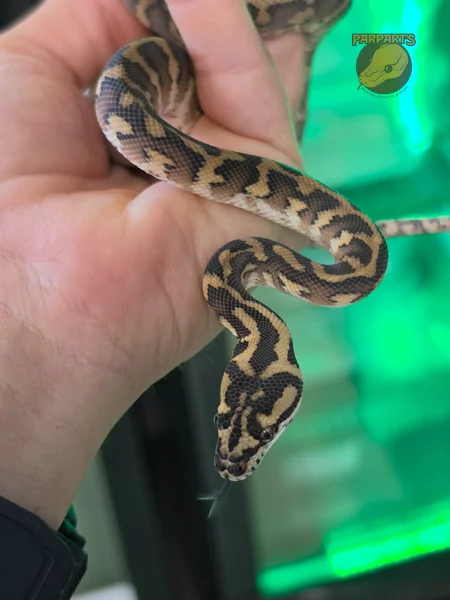
Young carpets can be defensive, but many become calm, confident adults with regular handling. Logging handling sessions, meals and sheds shows how a snake is progressing, and Husbandry.Pro is a convenient place to keep those notes along with any breeding records.
Alongside natural localities, keepers commonly look for established morphs such as albino, axanthic, granite and zebra, as well as jaguar lines. Crosses between types are common too, so read listings closely to see whether a snake is a pure locality or a mix.
Decide which type suits you, then browse its category and compare individual snakes. Check hatch dates, weights, feeding history and whether the seller describes the animal as a pure line or a cross. Use built-in chat to ask about handling behavior and shipping.
Seller profiles and reviews help you decide who to buy from, and a Hit List alert lets you know when a particular locality or morph is listed.
AI-assisted guide reviewed by the ReptileAds team. General information about these animals — not care, veterinary or legal advice, and not a description of any individual listing above.
Looking for carpet pythons for sale? Explore the selection on Reptileads where breeders list captive-bred carpet pythons (genus Morelia / Morelia spilota and related) across a range of sizes, morphs and ages. Each listing features photos, age/sex/morph details, seller ratings, and clear shipping information—helping you buy with confidence.
Listings typically include subspecies or morph, age, sex and feeding details, along with seller reviews. You can also look for the Verified badge on sellers who have completed identity verification.
While many sellers use methods like Redline Shipping, buyers and sellers may mutually agree on any safe shipping method for live animals.
From classic “jungle carpets” and coastal subspecies to designer morphs, you’ll find broad variety—ideal for pets and breeding projects.
Carpet pythons (often Morelia spilota or related) are large, semi-arboreal snakes native to Australia, New Guinea and surrounding islands. They are valued by keepers for their bold patterns, climbing ability and interactive behaviour. Care must reflect their size and activity level.
Because many carpet pythons grow large and like to climb, you’ll need a tall, spacious terrarium. For example: 6-8 ft long × 3 ft wide × 3 ft high is a good minimum for large adults. Provide secure locks, safe branches, hides at both warm & cool ends.
Basking spots of ~88-100 °F (31-38 °C) and cooler zones near ~70-80 °F (21-26 °C) depending on subspecies. A thermal gradient is crucial. Use quality thermostats, radiant heat panels or ceramic emitters in large setups.
Humidity generally falls around 40-60%, though some rainforest subspecies may benefit from higher levels (~50-70%). Provide a humid hide with moist moss. Substrate options include eco-soil mixes, coconut fibre, bark chips.
Carpet pythons are carnivorous and appreciate variety. Juveniles feed more often (weekly), adults every 2-4 weeks depending on size and condition. Prey items may include mice, rats and even small rabbits for large adults.
Many carpet pythons are semi-arboreal and enjoy climbing. Young carpets may be more nervous or “snappy” than other species, so patience and gradual handling build trust.
Filter listings by subspecies, size, morph, price, and seller rating to find your ideal carpet python.
👉 Explore now: Carpet Pythons for Sale
If you are a breeder or experienced keeper with carpet pythons ready for new homes, list them on Reptileads.