ReptileAds.com
  • Market
  • Categories
  • Stores
  • Genetic Calculator
  • Pricing
Login
  • Dashboard
  • Market
  • Stores
  • Genetic Calculator
  • Pricing
  • Regions
    • All Regions
    • Canada
    • United States
    • Europe
    • Great Britain
    • Australia
    • South Africa
    • Other Regions
  • ConnectHusbandry.Pro
  • Login
  • Register
Image

ReptileAds.com is from Purple Turtle Technologies LLC with a strategic partnership with Husbandry.Pro and Redline Shipping. Decades of experience brought together to create the future of reptile classifieds.

  • Husbandry.Pro
  • Redline Shipping

Copyright 2025 Purple Turtle Technologies LLC. All Rights Reserved.

Marketplace
  • All Animals
  • Ball Pythons
  • Buy Turtles
  • Buy Frogs
  • Buy Toads
Resource
  • Resources
  • Care Guides
  • About Us
  • Contact
  • News
  • FAQs
  • Privacy Policy
  • Terms and Conditions
My account
  • Profile
  • Sign Up
  • Login
  • Redline Shipping
  • Sitemap
Subscribe to our newsletter

Signup for our newsletter to get the latest news in your inbox.

ReptileAds.com
  • Market
  • Categories
  • Stores
  • Genetic Calculator
  • Pricing
Login
  • Dashboard
  • Market
  • Stores
  • Genetic Calculator
  • Pricing
  • Regions
    • All Regions
    • Canada
    • United States
    • Europe
    • Great Britain
    • Australia
    • South Africa
    • Other Regions
  • ConnectHusbandry.Pro
  • Login
  • Register

Other Pythons for Sale: Rare & Uncommon Species

Find other pythons for sale beyond the usual favorites, from Children's and spotted pythons to woma, white-lipped and Angolan pythons, listed by breeders and keepers who specialize in them.

$
$

5 Animals Found

Showing 1 to 5 of 5 animals

5 Animals Found

Showing 1 to 5 of 5 animals

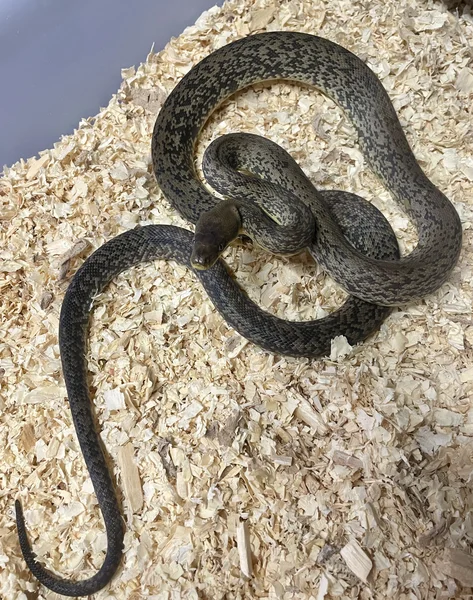
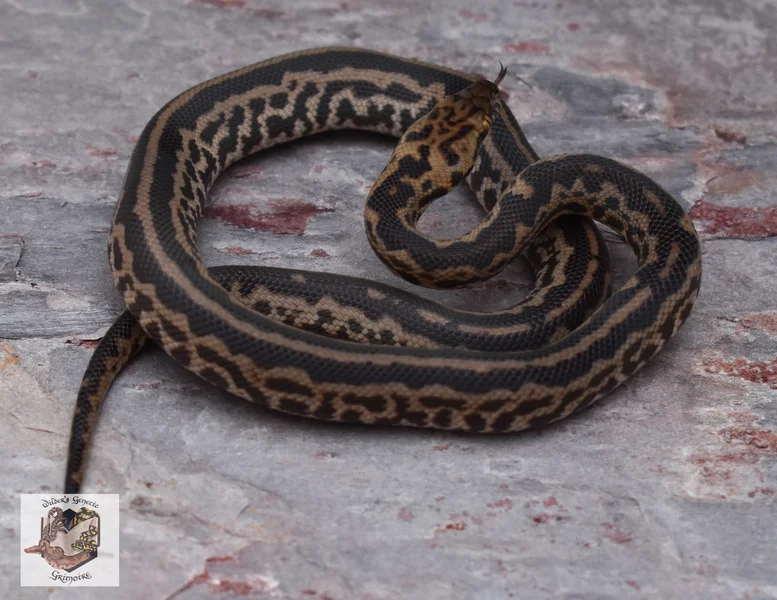
Striped Spotted Python
Spotted Python
Wilder’s Genetic Grimoire, LLC
baby
$350
10% OFF WITH THIS AD!
Sponsored

10% OFF WITH THIS AD!

Parpart's Pristine Pythons

SAVE 10% OFF ONE ANIMAL! MUST MENTION THIS AD FOR DISCOUNT!

AdvertisementWhy am I seeing this?
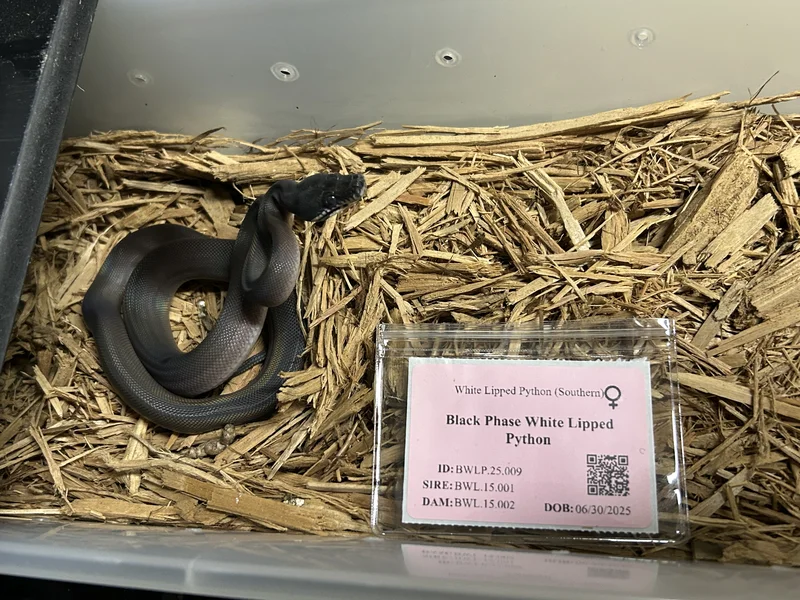
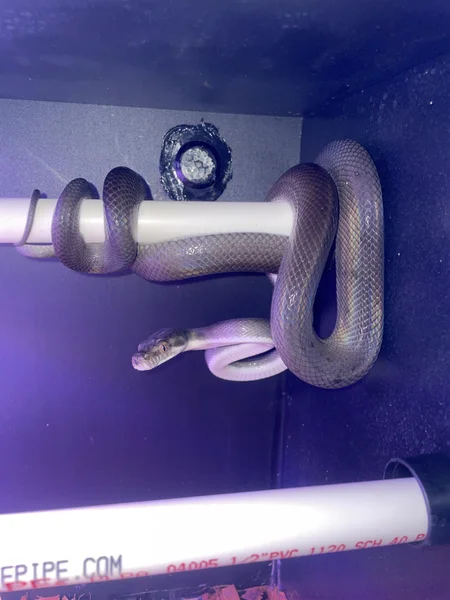
Black Phase White Lipped Python (tanah merah)
Python
Gateway City Reptiles
baby
$1500
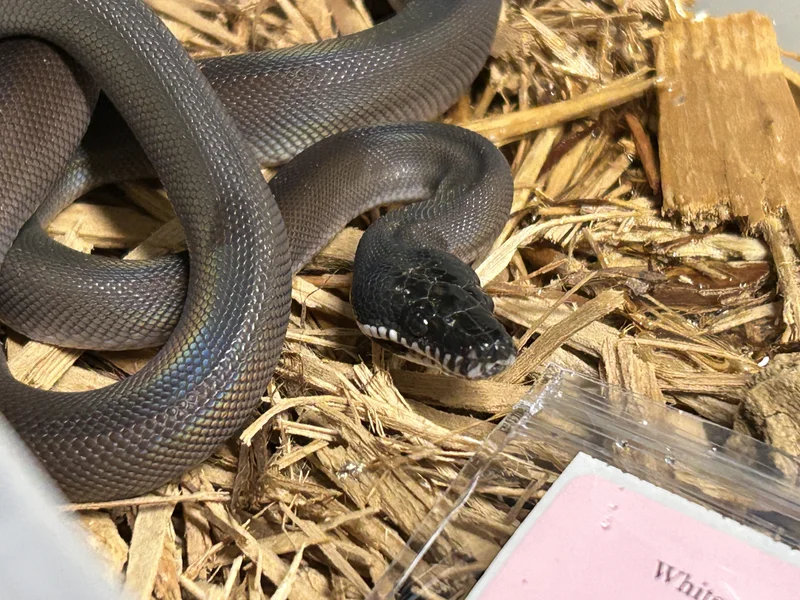
Black Phase White Lipped Python (tanah merah)
Python
Gateway City Reptiles
baby
$1500
Juvie Macklots Python
Python
Apex Herpetoculture
juvenile
$350
Axanthic Patternless Tanimbar
Python
Apex Herpetoculture
subadult
$675
1

Other Pythons: A Guide to Rare and Uncommon Python Species

Adult size
From about 2 feet to over 10 feet by species
Lifespan
Roughly 15–30 years
Diet
Whole prey, mainly rodents
Native range
Africa, Southeast Asia, New Guinea and Australia
Legal status
Varies by species; check local rules

The python family is far larger than the handful of species most keepers know by name. Beyond ball, Burmese, carpet, green tree, reticulated and short-tailed pythons lies a wide range of snakes from Africa, Asia, New Guinea and Australia. This guide introduces some of the species you may find here and how to approach buying one.

What kinds of pythons are in this category?

Pythons belong to the family Pythonidae and are found across sub-Saharan Africa, southern Asia, New Guinea and Australia. Australian species are well represented in captivity, including Children's, spotted and anthill pythons from the genus Antaresia, as well as the woma and black-headed python. From New Guinea, the white-lipped python is a familiar name, and from Africa, the Angolan python and the much larger African rock python both appear in collections.

Many of these are produced by a relatively small number of dedicated breeders, which is part of their appeal for keepers who want something different.

How big do pythons get across different species?

Size is the biggest variable in this group. The smallest Antaresia species typically mature at a few feet, woma and black-headed pythons are mid-sized, and large African and Asian species can exceed 10 feet, with the biggest pythons reaching far beyond that. Lifespans are generally long, often somewhere between 15 and 30 years.

Always confirm the expected adult size of the exact species before you buy so the enclosure you plan today still works in several years.

What do these pythons need in captivity?

Every python needs a secure enclosure, a temperature gradient and whole prey of a suitable size, but the details differ. Arid-country species such as womas prefer drier conditions and a burrowing substrate, while rainforest species such as white-lipped pythons need higher humidity. Some pythons are largely terrestrial and others climb, so shelf space or branches may matter.

With less common species, good records are especially valuable. Husbandry.Pro makes it easy to log feedings, sheds and weights, and to keep breeding notes if you plan to work with a pair. The ReptileAds care guides are a good starting point for species-specific setups.

Which uncommon pythons fit a smaller home setup?

Keepers with limited room often gravitate toward the Antaresia group. Children's, spotted and Stimson's pythons stay compact, are usually confident feeders and fit comfortably into a modest enclosure for life. Womas and black-headed pythons need more floor space but remain far more manageable than the giant species.

Some of these smaller pythons are also bred in selected forms. Keepers commonly look for things like high-contrast spotted pythons, albino Children's pythons and distinct regional womas, so ask the seller how an animal was produced if appearance matters to you.

Finding the right uncommon python for you

Begin by narrowing down size and climate needs, then read listings carefully for species and locality. Message sellers through built-in chat to confirm identification, captive-bred status and feeding history, and look at seller profiles and reviews. Check your local rules, since some pythons are regulated more closely than others. If the species you want is not available right now, a Hit List alert will notify you when one is listed.

AI-assisted guide reviewed by the ReptileAds team. General information about these animals — not care, veterinary or legal advice, and not a description of any individual listing above.

Uncommon Pythons in One Category

This is where ReptileAds lists python species without a dedicated category. You may come across Australian pythons such as Children's, spotted, woma and black-headed pythons, New Guinea species like the white-lipped python, and African species including Angolan and rock pythons.

Because the category is broad, read each listing closely for the exact species or locality, and use built-in chat to confirm identification, origin and feeding history. Seller profiles and reviews help you get a sense of who you are dealing with.

Looking for ball, Burmese, carpet, green tree, reticulated or short-tailed pythons? Each has its own category. For something rarer, a Hit List alert will tell you when a match is posted.

Why Buy Other Pythons on ReptileAds?
Python Care at a Glance
What to Ask the Seller

Specialist python species are often produced in small numbers, and ReptileAds helps you find the keepers who work with them.

Specialist Breeders

Many sellers of uncommon pythons have years of experience with one group. Their profiles and reviews help you choose with confidence.

Ask Before You Buy

Built-in chat lets you confirm species, locality and captive-bred status directly with the seller.

Never Miss a Rare Listing

Set a Hit List alert for the species you want and get notified the moment a matching python appears.

Care varies a great deal across this group, from small desert pythons to large tropical species. The common threads are:

  • Enclosure: a secure, escape-proof enclosure sized to the adult species, with hides on both ends.
  • Heat: a warm area and a cooler area so the snake can choose its temperature.
  • Humidity: matched to origin, lower for arid Australian species and higher for rainforest pythons.
  • Diet: whole prey, usually rodents, sized to the snake.
  • Handling: short, calm sessions that build trust, with extra care for large species.

Check the ReptileAds care guide for your specific species before buying.

With a catch-all category, identification comes first. Ask:
  • What is the exact species, and locality if known?
  • Was it captive bred, and can you share details of the parents?
  • How large is the species expected to grow?
  • What is it eating, and how often?
  • Are there any permits or paperwork associated with this species?

Frequently Asked Questions

Species without their own category, such as Children's, spotted, woma, black-headed, white-lipped, Angolan and African rock pythons, among others.
The anthill python and other Antaresia species such as Children's and spotted pythons are among the smallest, with many adults staying around 2 to 4 feet.
Many python species live roughly 15 to 30 years in captivity, depending on species and care, so plan for a long-term commitment.
It depends on where you live and the species. Some areas regulate or ban certain pythons, so check your local and state rules before you buy.
Not necessarily. Many small Australian pythons have straightforward care; the key is matching heat, humidity and enclosure size to the species.
Image

ReptileAds.com is from Purple Turtle Technologies LLC with a strategic partnership with Husbandry.Pro and Redline Shipping. Decades of experience brought together to create the future of reptile classifieds.

  • Husbandry.Pro
  • Redline Shipping

Copyright 2025 Purple Turtle Technologies LLC. All Rights Reserved.

Marketplace
  • All Animals
  • Ball Pythons
  • Buy Turtles
  • Buy Frogs
  • Buy Toads
Resource
  • Resources
  • Care Guides
  • About Us
  • Contact
  • News
  • FAQs
  • Privacy Policy
  • Terms and Conditions
My account
  • Profile
  • Sign Up
  • Login
  • Redline Shipping
  • Sitemap
Subscribe to our newsletter

Signup for our newsletter to get the latest news in your inbox.