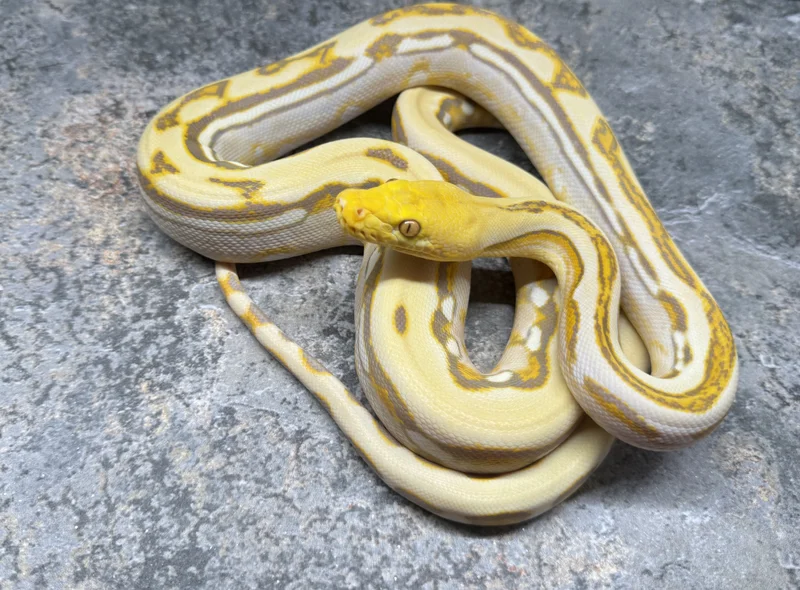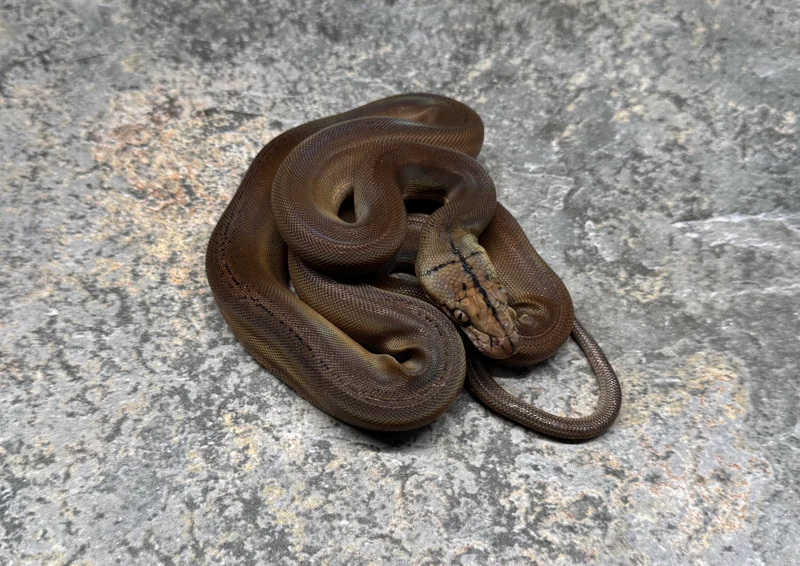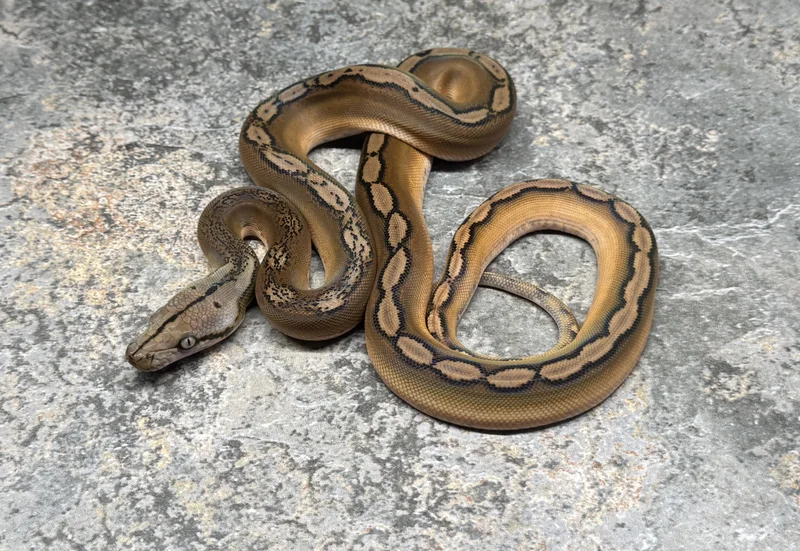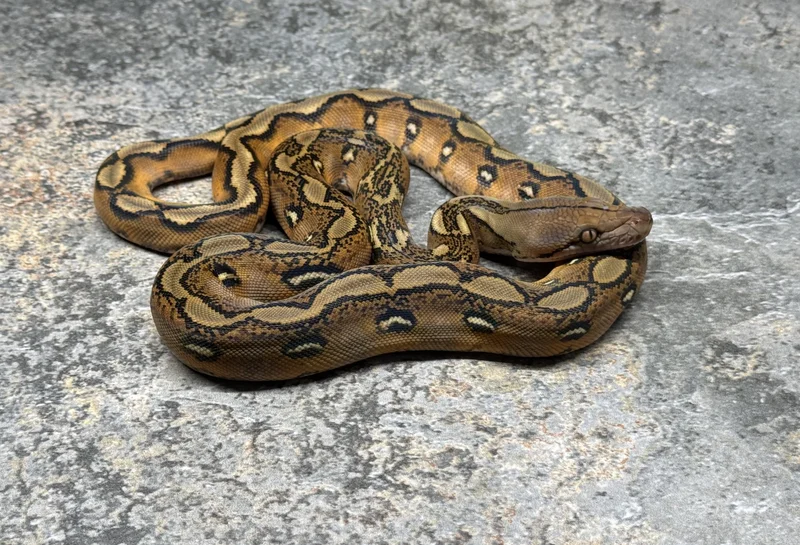
Browse reticulated pythons for sale from breeders and keepers, from mainland animals to dwarf and super dwarf localities, and message sellers directly to plan for a long-lived giant snake.
Showing 1 to 4 of 4 animals
Showing 1 to 4 of 4 animals

Buy one and get 50% off either of the other animals (equal or lesser value). Mention this ad.
The reticulated python is the longest snake species on Earth and one of the most intelligent and responsive large constrictors in captivity. Keepers are drawn to their intricate net-like pattern, their alert personalities and the huge range of localities and morphs now produced. This guide covers size, lifespan, care and what to look for when choosing one.
Malayopython reticulatus is native to Southeast Asia, including Indonesia, Malaysia, the Philippines, Thailand, Myanmar and parts of India. Across that range the species lives on the mainland and on countless islands, and those island populations have become important to keepers.
The reticulated pattern that gives the species its name is a chain of dark, diamond-like shapes edged in gold, cream and gray. That natural variation, combined with decades of captive breeding, has produced lines that differ noticeably in size, color and build.
Mainland retics typically mature between 10 and 23 feet, and exceptional individuals have been recorded far beyond that. Females usually grow larger and heavier than males. Growth is fast in the first few years when a snake is fed well.
Island localities change the picture. Dwarf and super dwarf retics, drawn from several Indonesian island populations, generally mature at a fraction of mainland size, and many keepers choose them precisely because they fit more comfortably into a home. Size within any line still varies from animal to animal, so treat adult length as a range rather than a promise.
Care follows the same basic pattern as other tropical pythons, only on a bigger scale. A secure enclosure with a warm side and a cooler side, moderate to fairly high humidity and a water bowl large enough to soak in form the foundation. Enclosures are upgraded as the snake grows, and adult mainland animals need very large custom housing.
Retics are strong feeders. Juveniles take rodents, and adults move on to rabbits or other appropriately sized prey. Many keepers use a consistent feeding routine and tong-feed to keep mealtime distinct from handling. Regular, calm interaction helps most young retics settle, and large adults are handled with a second person nearby.
Keeping a feeding, shed and weight log is a simple way to spot changes early, and Husbandry.Pro lets you record those details alongside breeding notes if you plan to pair animals later.
Well-established genes include albino, which appears in lavender, purple and white forms, as well as tiger, sunfire, motley and platinum. Many of these are combined to create multi-gene animals with bold contrast or unusual pattern reduction.
Locality animals are prized in their own right. Keepers often seek dwarf and super dwarf lines for their smaller adult size, and many pay close attention to documented lineage so they know exactly what they are working with.
Start with space and local rules. Confirm what your area allows for large constrictors, then decide whether a mainland or dwarf line fits the housing you can provide over the next two decades or more.
Next, compare listings on ReptileAds and look for clear photos, feeding records and honest descriptions of temperament. Message sellers through built-in chat to ask about parentage, current meal size and how the snake responds to handling. Reviewing seller profiles and reviews rounds out the picture. If the animal you want is not listed today, a Hit List alert will let you know when one appears, and the ReptileAds care guide is there to help you prepare the enclosure before it arrives.
AI-assisted guide reviewed by the ReptileAds team. General information about these animals — not care, veterinary or legal advice, and not a description of any individual listing above.
This category brings together reticulated pythons offered by breeders and experienced keepers, including mainland lines, island dwarf and super dwarf localities, and color and pattern morphs such as albino, tiger and sunfire. Listings typically show age, feeding history and the lineage the seller is working with.
Because retics grow into powerful, long-lived snakes, it pays to shop carefully. Compare a few listings, read seller profiles and reviews, and use built-in chat to ask about parentage, current meal size and how the animal handles routine interaction. Confirm your local rules for keeping large constrictors before you commit.
If you are waiting on a specific locality or gene, set a Hit List alert and ReptileAds will notify you when a matching animal is listed.
ReptileAds connects you with people who breed and raise retics, so you can compare lines and ask questions before you buy.
Use built-in chat to ask about feeding response, parents and handling history. Detailed answers help you judge whether a young retic suits your setup.
Compare mainland, dwarf and super dwarf animals alongside popular genes. Seeing them side by side makes the size and look differences easier to weigh.
Save a search for the locality or morph you want. You will be notified as soon as a matching retic is posted.
Retics are active, intelligent snakes whose needs scale up quickly as they grow. In general terms, keepers plan for:
Read the full ReptileAds reticulated python care guide before bringing one home.
Start with the adult size you can realistically house, then narrow down by locality and genetics. Useful questions for the seller include: