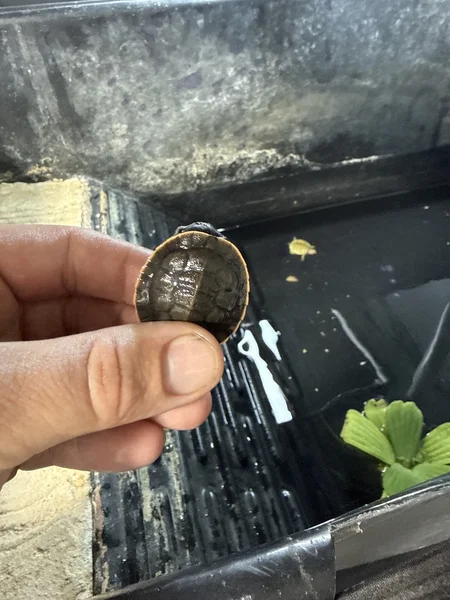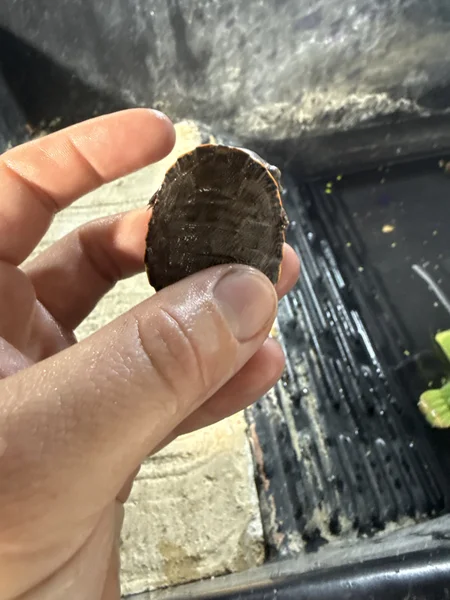
Explore other aquatic turtles for sale on ReptileAds, from cooters and spotted turtles to musk and mud turtles. Compare listings and message breeders and keepers directly.
Showing 1 to 2 of 2 animals
Showing 1 to 2 of 2 animals

Buy one and get 50% off either of the other animals (equal or lesser value). Mention this ad.
Red-eared sliders, painted turtles and map turtles are the best known pet water turtles, but plenty of other species are kept and bred by hobbyists. Some stay small enough for a modest aquarium, while others grow into sizable pond turtles. This guide introduces the range and helps you decide which one suits your space.
Species keepers commonly look for include river and Florida red-bellied cooters, yellow-bellied sliders, spotted turtles and Reeve's turtles, along with the compact musk and mud turtles that spend much of their time walking along the bottom. Many of these belong to the pond turtle family Emydidae and are native to North America, with some relatives extending into Central America and the Caribbean, while Reeve's turtle comes from East Asia.
The variety is the appeal, but it also means no single care sheet fits every animal in this category.
Most species land somewhere between about 4 and 12 inches of shell length. Musk turtles, mud turtles and spotted turtles sit at the smaller end, while cooters and yellow-bellied sliders can reach the upper end. Lifespans commonly run 20 to 40 years depending on species.
Nearly every aquatic turtle needs clean, well-filtered water, a basking area with a heat lamp and UVB lighting, and room that matches its adult size. Beyond that, species differ. Musk and mud turtles are modest swimmers that like shallower water and plenty of cover, while cooters are strong swimmers that appreciate open space and a leafy, plant-heavy diet.
When you care for several turtles, logging feedings, water changes and weights in Husbandry.Pro keeps each animal's history easy to find. Check a full care guide for the exact species before you build or buy an enclosure.
Confirm the species first, then ask about age, current size, diet and the setup the turtle lives in now. Clear eyes, a firm shell and steady swimming are encouraging in photos or video, though no listing can promise health, sex or final size. Regulations vary by state and locality, and some places restrict the sale of certain turtles, so check before you commit.
Compare listings, read seller profiles and reviews, and use built-in chat to settle the details. A Hit List alert helps when you are waiting for a particular species to appear.
AI-assisted guide reviewed by the ReptileAds team. General information about these animals — not care, veterinary or legal advice, and not a description of any individual listing above.
This category gathers the aquatic turtles that do not have their own section, so it covers a broad mix of pond and river species. You may see cooters, yellow-bellied sliders, spotted turtles, Reeve's turtles, musk turtles and mud turtles, each with quite different adult sizes and habits.
Since the species vary so much, start with the name in the listing title and confirm it with the seller. Ask about age, size, diet and current tank setup through built-in chat, and review the seller's profile and feedback before arranging anything. A Hit List alert is the easiest way to hear about uncommon species when they are listed.
Red-Eared Sliders, Painted Turtles and Map Turtles each have a dedicated category nearby.
ReptileAds is a straightforward way to find less common water turtles and talk with the people who keep them.
From tiny musk turtles to big cooters, this category brings many aquatic species together in one place.
Ask sellers about the exact species, diet and setup using the built-in chat.
Read profiles and reviews from past buyers to help you choose who to buy from.
Requirements differ by species, but most aquatic turtles share these basics.
Look up the exact species in a full ReptileAds care guide before you set up.
These questions help narrow down a mixed-species listing.