
Introduction
Ball Python Care Guide
Written and compiled by Zac Parpart of Parpart's Pristine Pythons. This guide was developed using years of hands-on experience keeping and breeding ball pythons, along with commonly recommended husbandry practices shared throughout the ball python community. Information from experienced breeders, keepers, and pet owners helped inform this guide, but all content was personally organized, written, and prepared by Zac Parpart as a practical reference for ball python owners.
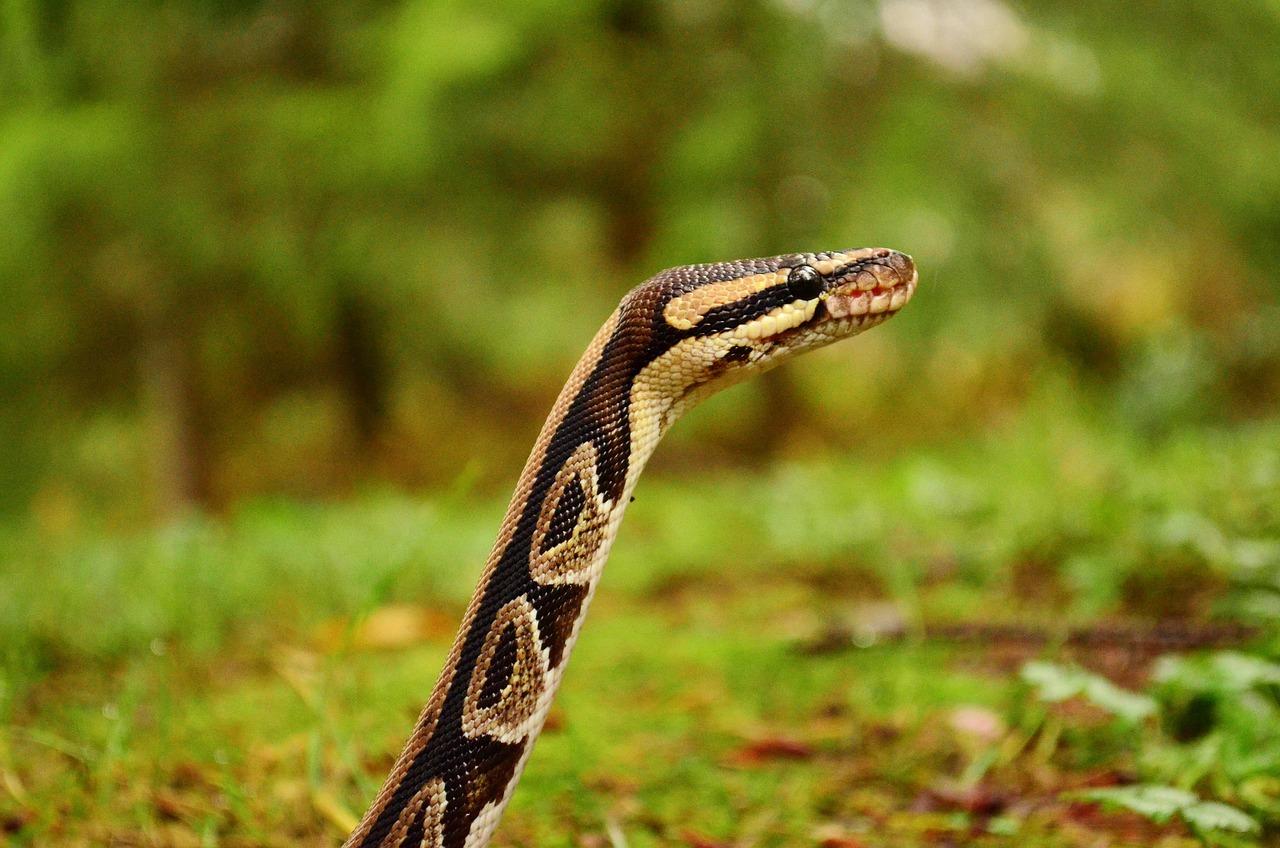
Ball pythons are one of the most popular pet snakes for a reason. This guide is written primarily for pet ball python care, not specialized breeding programs. Husbandry for breeding animals can differ in areas like feeding frequency, seasonal cycling, and body condition targets. Pet owners should not attempt to follow breeder-specific practices unless they fully understand those differences. They are generally manageable in size, usually have calm temperaments, and do well in captivity when their basic needs are met consistently. Good ball python care is less about overcomplicating things and more about getting the fundamentals right: secure housing, steady temperatures, proper humidity, appropriate prey size, and low stress.
This guide is designed to work both as a detailed online reference and as a printable care sheet you can hand to a new owner.
Ball Python Basics
Scientific name: Python regius
Common names: Ball python, royal python
Native range: Sub-Saharan West Africa
Natural habitat: Savannah, grassland, scrubland, and lightly forested areas, where they spend much of their time in burrows and other sheltered spaces
Lifestyle: Terrestrial and secretive by nature; ball pythons are not an arboreal species
Average adult size:
- Females: Usually 4 to 5 feet, with larger individuals occasionally documented
- Males: Usually 3 to 4 feet, with some exceptional animals growing larger
Lifespan: Commonly 20 to 30 years in captivity with proper care; some individuals have lived even longer
Before You Bring One Home
Do your homework first
Before buying a ball python, spend time learning about:
- Ball python care and husbandry
- Morphs and genetics
- Common health issues
- Feeding habits and normal behavior
- Reputable breeders and sellers
Different morphs can vary in appearance, price, and genetics. Some morph combinations also come with known issues, so it is worth researching before making a purchase.
Set up the enclosure before the snake arrives
Do not wait until the snake is home to build the enclosure. Have everything ready in advance so the environment is already stable.
Before your snake arrives, make sure:
- Warm side and cool side temperatures are dialed in
- Humidity is sitting in a safe range
- Hides, water bowl, and substrate are in place
- Heating equipment is attached to the proper thermostat or dimmer
- Digital thermometers and hygrometers are installed and reading accurately
Think of this as making sure the enclosure is already working before the animal ever goes into it.
Choosing and Buying a Ball Python
A healthy ball python should come from a reputable breeder, trusted pet store, or established online marketplace. Always look into the seller’s reputation before purchasing.
A few things worth checking:
- Seller reviews and feedback
- Photos of the exact animal when possible
- Feeding history
- Current weight
- Whether the snake is established on frozen/thawed, pre-killed, or live prey
- Whether there have been any recent issues with mites, respiratory symptoms, or bad sheds
If you already keep reptiles, always plan for quarantine before bringing a new snake into the same room or collection.
Bringing Your New Snake Home
Acclimation period
When your ball python first arrives:
- Place it directly into its enclosure
- Leave it alone to settle in
- Do not handle it for the first week
- Do not offer food during that initial adjustment period unless there is a specific reason to do so
- Open the enclosure only when needed for water changes or quick husbandry checks
Stress is one of the biggest reasons new ball pythons refuse food or act defensively. Giving them quiet time up front helps a lot.
Quarantine
If you own other reptiles, quarantine the new snake for 30 to 60 days minimum. Keep it in a separate enclosure and ideally in a separate room. This helps reduce the risk of spreading mites, parasites, or illness.
Ball Python Enclosures
Ball pythons can be kept successfully in several enclosure styles. The best choice depends on your home, your climate, your budget, and whether your priority is ease of care, display value, or efficiency.
Important rule: no cohabitation
Ball pythons should not be housed together except in controlled breeding situations. Cohabitation causes unnecessary stress and can lead to feeding issues, injury, or one animal outcompeting the other.
Best Enclosure Types for Ball Pythons
Glass tank or terrarium
Glass tanks are easy to find and look nice as display enclosures, but they are usually the hardest option for beginners to keep stable. In many homes, they lose heat and humidity too easily.
Pros:
- Readily available
- Attractive for display
- Easy to observe the animal
Cons:
- Harder to maintain humidity
- Harder to hold steady temperatures
- More exposed, which can stress shy snakes if not set up carefully
PVC enclosure
PVC enclosures are widely considered one of the best long-term options for ball python care.
Pros:
- Excellent heat retention
- Excellent humidity retention
- Durable and easy to clean
- Works especially well for adult ball pythons
Cons:
- Higher up-front cost
- Usually purchased from specialty reptile enclosure makers
Tub setup
Tubs are lightweight, simple, and very practical.
Pros:
- Affordable
- Easy to clean
- Good humidity retention
- Often helps shy snakes feel secure
Cons:
- Limited visibility
- Less attractive for display
- May need additional heating support in cooler homes
Rack system
Rack systems are essentially organized tub setups used in a shelving system with built-in heat.
Pros:
- Space efficient
- Stable and practical for multiple animals
- Easy to clean and maintain
Cons:
- Not very display-friendly
- Usually more appealing to breeders or keepers with several snakes
Bioactive or planted vivarium
A properly built bioactive setup can be attractive and functional, but it is usually not the easiest route for new keepers.
Pros:
- Naturalistic appearance
- Great visual presentation
- Can work well when designed correctly
Cons:
- More complicated to set up and maintain
- Requires more planning around drainage, lighting, and humidity
- Heavy-bodied ball pythons may crush or uproot plants
Ball Python Enclosure Size Guide
There are different opinions on enclosure sizing, but these guidelines reflect common minimums and widely used setups.
Tank sizes
- Hatchlings (up to 200g): 10-gallon tank
- Juveniles (200g to 800g): 10-gallon tank
- Subadults (800g to 1500g): 20-gallon tank
- Adults (1500g and up): 30- to 40-gallon tank
Common PVC size equivalents
- Hatchlings (up to 200g): Around 24" x 12" x 12"
- Juveniles (200g to 800g): Around 24" x 12" x 12"
- Subadults (800g to 1500g): Around 36" x 18" x 16"
- Adults (1500g and up): Around 48" x 24" x 16" to 18"
Tub sizes
- Hatchlings (up to 200g): 6-quart tub
- Juveniles (200g to 800g): 15-quart tub
- Subadults (800g to 1500g): 28- to 32-quart tub
- Adults (1500g and up): 32- to 41-quart tub
Ball Python Temperature and Humidity
Proper ball python husbandry starts here. Poor temperatures and poor humidity cause a huge percentage of the problems people run into.
Temperature range
For most setups, provide a gradient:
- Warm side: 88 to 90°F
- Cool side: 78 to 82°F
If using an ambient-style setup, keep overall enclosure temperatures in an appropriate range while still giving the snake access to warmer and cooler zones.
Humidity range
- Target humidity: 55% to 75%
- During shedding: Aim for at least 65%, and more if needed for the individual animal
The biggest mistake is not always “too low humidity” by itself. It is often constant swings in humidity and temperature. Stability matters.
Monitoring conditions
Use reliable digital thermometers and hygrometers. Analog dials are often inaccurate.
Heating and Lighting
Ball pythons do not require special lighting or UVB to survive, though some keepers choose to use additional lighting on display setups. At minimum, they need a normal day/night rhythm and properly regulated heat.
Thermostats, Dimmers, and Heat Control (Important Safety Section)
Every heat source used for a ball python enclosure must be regulated. Unregulated heat sources are one of the most common causes of burns, enclosure fires, and animal loss.
There are two main control methods used in reptile keeping:
Thermostats — Automatically regulate temperature and are required for direct-contact heat sources.
Dimmers or dimming thermostats — Reduce power output gradually and are often used for overhead heating devices.
General rule:
- Belly heat, heat tape, and under-tank heaters must always be controlled by a thermostat.
- Ceramic heat emitters (CHE) and radiant heat panels are commonly safe to run on a dimmer or dimming thermostat when used properly.
Never run belly heat on a dimmer alone.
For tanks
Ceramic heat emitters are commonly used for maintaining temperature:
- 75W for many 10-gallon setups
- 100W for many 20-gallon setups
- 150W for many 30- to 40-gallon setups
Always fine-tune according to your room temperature, enclosure design, and thermostat settings.
For PVC enclosures
Overhead radiant heat panels are often preferred and should always be controlled by a thermostat or dimmer designed for the heating device being used.
Some PVC enclosures include belly heat, but it is usually only appropriate when room temperatures stay around 75°F or above. Belly heat should be regulated by a thermostat only.
For tubs and racks
Under-tank heat, heat tape, or similar systems are commonly used, but they must be regulated with a thermostat. These methods do not magically heat cold rooms. If the room itself is too cold, extra ambient heat will still be needed.
Avoid red night bulbs
Red bulbs marketed for nighttime reptile use are not recommended. They are unnecessary and can interfere with the snake’s normal day/night cycle.
Ball Python Substrate
Good substrate choices
- Cypress mulch
- Coconut chip
- Paper towels
- Newspaper
- Aspen bedding in drier tub or rack setups when appropriate
Substrates to avoid
- Pine
- Cedar
- Very fine coconut fiber in situations where it becomes dusty or easily inhaled
Pine and cedar are unsafe. Fine, dusty substrate can also be irritating and may cling to prey or the snake’s face.
Humid hide material
Sphagnum moss or damp paper towels can be used inside a humid hide during sheds or when an individual snake needs a little extra help.
Enclosure Setup Essentials
A good ball python enclosure should include:
- At least two secure hides, one on the warm side and one on the cool side
- A water bowl large enough for drinking and, if the animal chooses, soaking
- Appropriate substrate
- Stable heating
- Accurate digital gauges
- Enough cover that the snake feels secure
A ball python that feels exposed often eats worse and stays stressed longer.
Making glass tanks more secure and functional
If you are using a glass tank:
- Cover much of the screen top with metal HVAC tape to help retain heat and humidity
- Leave safe openings for heating equipment as needed
- Cover the back and sides with black poster board, foam board, or similar material
This helps with insulation and makes the enclosure feel less open.
PVC Enclosure Setup Notes
PVC enclosures work much like tanks in terms of layout, but they hold heat and humidity better due to their insulated solid panels.
Keep in mind:
- Make sure ventilation is adequate
- Monitor both warm side and cool side temperatures
- Use the same basic hide and substrate setup described above
- Do not assume PVC magically fixes poor husbandry; always verify your readings with digital gauges
Tub Setup Notes
Tubs are popular because they are simple and effective.
For tub setups:
- Use a thermostat-regulated under-tank heat source or another safe heating system
- Add ventilation holes carefully and only as needed
- Do not overdo ventilation, since you cannot put the plastic back once it is removed
- Check temperatures and humidity regularly, especially after making any adjustment
Paper towels, newspaper, and some dry bedding options work especially well in tubs because they are easy to clean and less likely to stay overly wet.
Rack System Notes
Rack systems are basically a more organized version of tub keeping.
A few reminders:
- Open-sided racks generally work better in warmer rooms
- Closed-sided racks hold heat more efficiently in cooler spaces
- Heat tape should be controlled by a proportional thermostat
- Room temperature still matters, especially with open-sided systems
- Inspect heating elements and wiring regularly for safety
Cleaning and Maintenance
Routine cleanliness goes a long way in preventing common husbandry-related issues.
Spot cleaning
Remove waste and soiled substrate whenever needed.
Full cleaning
A full clean is usually done every 1 to 3 months, depending on the setup, the substrate, and how messy the individual snake is.
A good process looks like this:
- Remove the snake and place it in a secure temporary container.
- Remove all substrate and enclosure accessories.
- Wash the enclosure and decor with warm water and a mild cleaner such as unscented dish soap.
- Rinse thoroughly so no residue remains.
- After the enclosure is physically clean, disinfect surfaces with an animal-safe disinfectant such as diluted chlorhexidine or another reptile-safe product.
- Let everything dry completely.
- Add fresh substrate and return the snake.
Cleaning and disinfecting are not the same thing. First remove dirt and waste, then disinfect.
Feeding Ball Pythons
Ball pythons are usually fed rats in captivity, and rats are generally preferred over mice for long-term feeding.
Prey options
- Frozen/thawed
- Pre-killed
- Live
Many keepers prefer frozen/thawed for safety and convenience.
Prey size
A common guideline is to feed prey around 10% to 15% of the snake’s body weight until the snake is established on medium rats.
Feeding frequency by size
- Under about 350g: Every 5 to 7 days
- 350g to 1000g: Every 7 to 10 days
- 1000g to 1500g: Every 10 to 14 days
- 1500g and up: Every 14 to 21 days
These are guidelines, not hard rules. Body condition matters more than blindly following a schedule.
Ball python feeding chart
| Snake weight | Prey type | Feeding frequency | | ----- | ----- | ----- | | Under 150g | Rat fuzzy | Every 5 to 7 days | | 150g to 350g | Rat pup or crawler | About every 7 days | | 350g to 500g | Weaned rat | Every 7 to 10 days | | 500g to 1000g | Small rat | Every 10 to 14 days | | 1000g and up | Medium rat | Every 14 to 21 days |
Feeding tips
- Warm prey to around 100°F before offering
- Avoid handling for 48 hours after feeding
- Track snake weight with a digital scale
- Track prey size too if you want to stay consistent
Body Condition and Weight Management
A healthy ball python should look solid and well-muscled, not pinched and not overstuffed.
Healthy body condition
- Slightly rounded body shape when viewed from above
- A soft, rounded top line rather than a sharply peaked one
- Smooth taper from body to tail
- Good muscle tone along the spine
Young hatchlings can still look a little peaked before they start putting on better body mass, especially under roughly 150g.
Signs of an underweight ball python
- Spine looks too prominent
- Body looks triangular or sunken
- Noticeable loss of muscle tone
- Loose or wrinkled skin
In cases like this, feeding toward the shorter end of the recommended interval may be appropriate.
Signs of an overweight ball python
- Very round body with poor definition
- Folds or rolls when coiled tightly
- Skin showing between scales
- Soft or squishy feel
- Tail area looks abruptly narrow compared to the body
If the snake is getting too heavy, increase time between meals and reassess gradually.
Keeping a ball python a little leaner is generally better than allowing it to become obese.
Ball Python Shedding
Shedding is a normal part of growth and skin maintenance.
Typical shedding cycle
- Blue stage: Eyes turn cloudy or blue for a few days
- Clearing stage: Eyes clear again for a few days
- Shed: Skin comes off, often within about a week of the blue phase, though some animals take longer
Shedding problems
If your ball python is having rough sheds, look at husbandry first.
Common causes include:
- Humidity that is too low
- Humidity swings
- Enclosure that dries out too much between misting attempts
- Not providing a humid hide when needed
What to do for stuck shed
- Use a properly made humid hide
- Increase and stabilize humidity
- Review overall husbandry
Avoid unnecessary bathing. It is often recommended casually online, but it is usually not the first thing that should be reached for.
How to Make a Humid Hide
A humid hide is one of the most useful tools in ball python care.
To make one:
- Use a small plastic container with a secure lid.
- Cut a smooth entry hole large enough for the snake to move through comfortably.
- Add damp sphagnum moss or damp paper towels.
- Keep the material damp, not soaking wet.
- Place the hide on the warm side of the enclosure.
Check it regularly and refresh the moisture as needed.
Handling Ball Pythons
Ball pythons are often calm, but they still do best when handling is respectful and not excessive.
Avoid handling
- For 48 hours after feeding
- During shedding if the snake seems uncomfortable or defensive
- During the initial settling-in period after bringing the snake home
Good handling habits
- Start with short sessions
- Lift the body gently and confidently
- Avoid fast movements near the head
- Handle low to the ground or over a safe surface in case the snake slips
A snake that is always being bothered is usually a snake that stays stressed.
Common Ball Python Health Concerns
This section is meant as a basic troubleshooting overview, not a substitute for veterinary diagnosis.
Respiratory infection
Possible signs include:
- Wheezing
- Mucus or bubbles from the nose or mouth
- Open-mouth breathing
- Lethargy
A suspected respiratory infection is one of the situations where veterinary care should be sought promptly.
Mites
Snake mites may appear as tiny moving black dots on the snake, around the eyes, in scale folds, or in the water bowl.
Quarantine and buying from reputable sources reduce the chances of bringing mites home.
Scale rot
Scale rot is usually associated with dirty or overly wet conditions. Early signs can include irritated, discolored, or damaged belly scales.
Correcting husbandry and improving enclosure cleanliness often resolves mild cases, but worsening cases may require veterinary attention.
When to See a Reptile Vet
Healthy ball pythons do not need vaccines, and they typically do not require frequent routine veterinary visits when husbandry is correct.
However, you should have a qualified reptile veterinarian in mind before an emergency happens.
Seek veterinary help for:
- Respiratory symptoms
- Serious injury
- Burns
- Persistent refusal to eat combined with weight loss
- Severe dehydration
- Worsening scale damage
- Prolapse
- Neurological symptoms
- Any condition that is not improving after husbandry corrections
When possible, choose a veterinarian experienced with reptiles rather than a general small-animal vet unfamiliar with snakes.
Common Ball Python Mistakes and Warnings to Know
Some of the most common mistakes new keepers make include:
These are worth slowing down and reading carefully, because most husbandry problems trace back to one of these.
- Handling too soon after bringing the snake home
- Feeding prey that is too large or too often
- Using heat sources without a thermostat
- Letting temperatures swing too much
- Letting humidity crash and then overcorrecting constantly
- Keeping the enclosure too open and insecure
- Housing two ball pythons together
- Ignoring quarantine when adding a new snake
If the basics stay steady, most ball python care becomes much easier.
Feeding Refusals and Hunger Strikes
One of the most common concerns new ball python owners experience is a snake that suddenly stops eating. In many cases, this behavior is normal and temporary.
Common reasons a ball python may refuse food
- Recent move or new environment
- Excessive handling
- Incorrect temperatures or humidity
- Shedding cycle
- Seasonal behavior (especially in males)
- Prey size that is too large
- Enclosure that feels too open or insecure
When it is usually not an emergency
A healthy adult ball python can safely go weeks or even months without eating, provided:
- Body condition remains stable
- Weight is not dropping significantly
- The snake is alert and otherwise behaving normally
When to investigate more closely
- Noticeable weight loss
- Lethargy or weakness
- Visible dehydration
- Persistent refusal combined with other health symptoms
Before assuming something is wrong, double-check husbandry first. Most feeding problems are environmental, not medical.
Quick Troubleshooting Guide
Snake won't eat
- Verify temperatures with a reliable digital thermometer
- Check humidity levels
- Ensure the enclosure has adequate cover and secure hides
- Reduce handling
Bad shed or stuck shed
- Increase humidity gradually
- Add or refresh a humid hide
- Stabilize environmental conditions
Humidity won't stay up
- Cover more of the enclosure top
- Use better moisture-retaining substrate
- Increase the amount and depth of substrate, which can significantly improve humidity retention
- Reduce excessive ventilation
Snake always hides
- This is normal behavior for ball pythons
- Focus on proper husbandry rather than forcing activity
Snake seems defensive
- Allow more time to settle
- Reduce handling frequency
- Check for environmental stressors
Ball Python Supply Checklist
A useful basic shopping list includes:
- Secure enclosure
- Thermostat
- Heating device appropriate to the enclosure type
- Digital thermometer and hygrometer
- Two snug hides
- Water bowl
- Appropriate substrate
- Feeding tongs
- Digital kitchen scale
- Backup temporary container for cleaning or transport
Recommended Resources
Morph and pairing information
Genetic Calculator
Genetic calculators are extremely useful tools for predicting morph outcomes and understanding inheritance patterns in ball python breeding projects. One of the most widely used tools in the industry is:
- GeneticCalculator.com — A widely trusted morph and pairing outcome calculator used by breeders around the world. It is a reliable free resource for researching genetics, planning pairings, and learning how different morphs interact.
General supplies and trusted businesses
The following businesses are commonly used within the reptile community and have established reputations for providing reliable reptile supplies and equipment:
- LLL Reptile
- C Serpents
- Amazon
These companies are widely used by both hobbyists and professional keepers. As with any purchase, always verify product quality, read reviews, and select equipment appropriate for your specific setup.
When shopping for gear, prioritize reliable thermostats, secure enclosures, and accurate digital gauges over gimmicky extras.
Frequently Asked Questions (FAQ)
Do ball pythons need UVB?
Ball pythons do not require UVB to survive, though some keepers choose to provide low-level lighting for natural behavior or display setups.
What humidity should a ball python have?
Most ball pythons do well between 55% and 75% humidity, with higher levels often needed during shedding.
How often should a ball python eat?
Feeding frequency depends on size, body condition, and metabolism. Most babies and juveniles typically eat every 7 to 10 days, while most adults eat every 14 to 21 days.
It is also important to understand that a healthy ball python with good body condition can safely go for extended periods without eating. Missing an occasional meal is normal, and some healthy adults may go several months without food before it becomes a medical concern. That said, keepers should always monitor body condition and weight rather than intentionally withholding food.
Can ball pythons live together?
No. Ball pythons should not be housed together except during controlled breeding situations.
How big do ball pythons get?
Adult females typically reach 4 to 5 feet, while males are usually smaller.
About the Author
This ball python care guide was written and compiled by Zac Parpart, owner of Parpart's Pristine Pythons and Reptile Ads.
The information in this guide is based on real-world experience keeping and breeding ball pythons, along with knowledge gathered from the wider reptile community over many years. While experienced keepers and breeders have contributed valuable insight and shared best practices, this guide represents the author's personal understanding of proper ball python husbandry and was independently written and prepared for use as an educational resource for pet owners.
Care practices may vary slightly between individual keepers, breeders, and regions. This guide reflects commonly accepted standards intended for responsible pet ownership and long-term animal welfare.
Final Thoughts
Ball python care does not need to be flashy to be effective. A simple, secure setup with correct temperatures, correct humidity, clean water, proper feeding, and low stress will outperform a fancy setup with unstable husbandry every time.
If you are new to ball pythons, focus on consistency. If you already keep them, keep refining the basics. Most long-term success with this species comes down to doing ordinary things well, over and over.
References and Revision History
Zac Parpart of Parpart's Pristine Pythons
April 14, 2026
Was this guide helpful?
Rate this guide
Questions & Answers
0 questions from the community
Comments
0 comments