
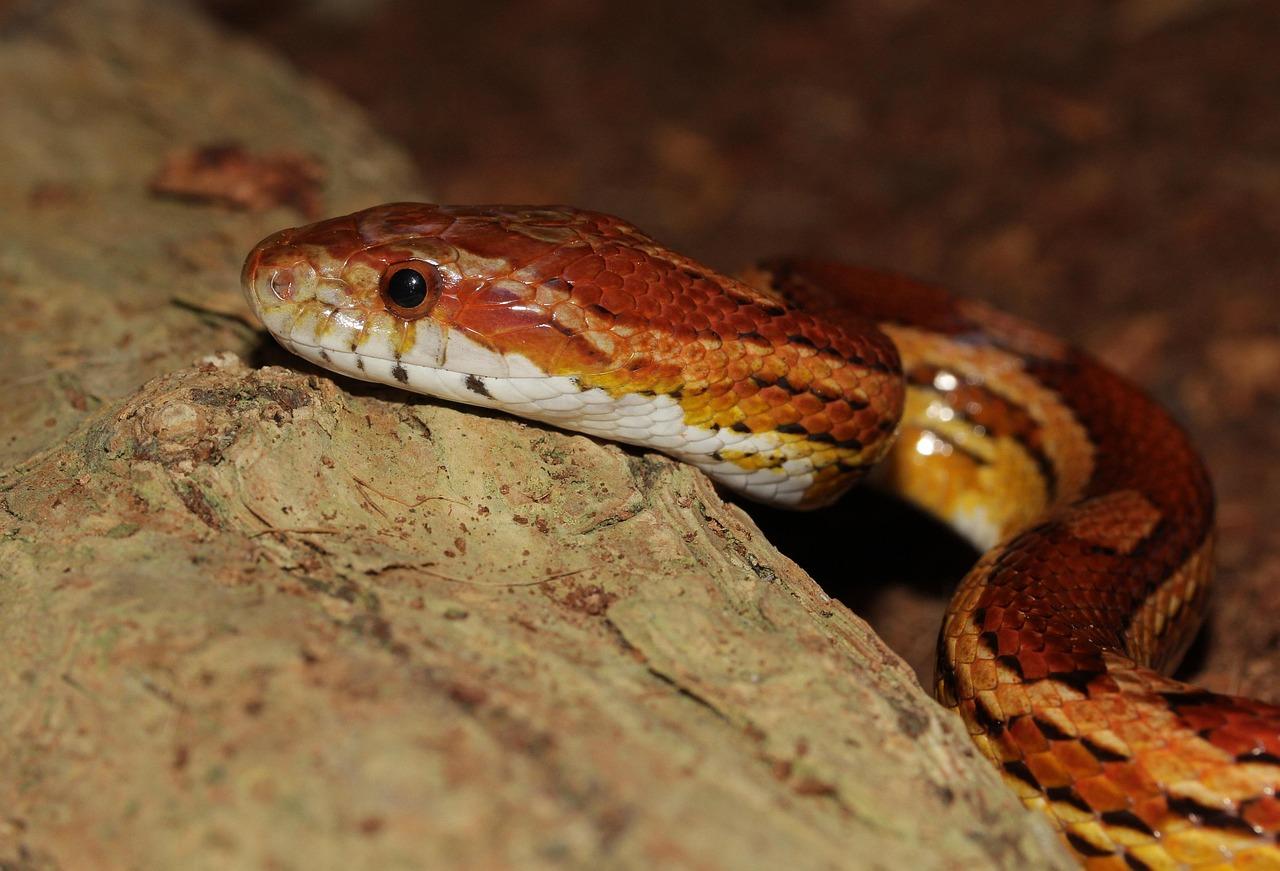
Introduction
Corn Snake Care Guide
This comprehensive guide is compiled from recommendations and experiences shared by members of the reptile community, including seasoned breeders and keepers. It was carefully compiled and prepared by Zac Parpart of Parpart's Pristine Pythons using years of hands-on experience and widely accepted husbandry practices. It is intended as a detailed reference for both new and experienced owners. Practices may vary slightly between keepers, but this guide reflects widely accepted care standards.
Corn snakes are one of the best pet snakes for practical, long-term keeping. This guide is written primarily for pet corn snake care, not specialized breeding programs. Breeding animals may be managed differently in areas like feeding frequency, body condition, seasonal cycling, and enclosure systems. Pet owners should focus on secure housing, steady temperatures, proper prey size, clean water, low stress, and consistency. Corn snake care does not need to be complicated to be effective.
Species Basics
Scientific Name: Pantherophis guttatus
Common names: Corn snake, red rat snake
Native range: Southeastern United States
Natural habitat: Fields, forests, brush piles, barns, and agricultural edges where they shelter under cover and hunt small rodents
Lifestyle: Primarily terrestrial, but active and willing to climb when given opportunities
Average adult size:
- Most adults reach 4 to 5.5 feet
- Larger individuals can approach 6 feet
Lifespan:
- Wild: Often 6 to 8 years
- Captivity: Commonly 10 to 20 years with proper care
Experience level:
- Excellent beginner species
Temperament:
- Curious, alert, and generally easy to work with
- Babies can be quick and wiggly
- Most adults become very steady with regular, calm handling
Before You Bring One Home
Before buying a corn snake, spend time learning about:
- Basic husbandry
- Feeding size and schedule
- Common health concerns
- Normal behavior
- Reputable breeders and sellers
- Proper enclosure security
Corn snakes are excellent escape artists, especially as babies.
Set up the enclosure before the snake arrives. Make sure:
- Warm Side: temperature is correct
- Cool side temperature is correct
- Humidity: is in range
- Hides, substrate, and water bowl are in place
- Heat sources are regulated properly
- Digital thermometers and a hygrometer are installed
Set up first. Bring the animal home second.
Choosing and Buying
Buy from a reputable breeder, trusted reptile shop, or established seller.
Things worth checking:
- Feeding history
- Current prey size
- Whether it is established on frozen/thawed prey
- Approximate age and size
- Shedding history
- General body condition
- Signs of mites, wheezing, swelling, or stuck shed
Healthy corn snakes should look alert, clean, and well-muscled.
If you already keep reptiles, have a quarantine plan before bringing a new corn snake home.
Bringing Your New Animal Home
When your corn snake first arrives:
- Place it directly into the enclosure
- Leave it alone to settle in
- Do only basic water changes and husbandry checks
- Do not handle during the first week unless necessary
- Let it feed successfully before regular handling begins
A calm start prevents a lot of feeding problems.
If you own other reptiles, quarantine the new corn snake for 30 to 60 days minimum. Use a separate enclosure and ideally a separate room.
Enclosures
Corn snakes can be kept successfully in several enclosure styles. The best choice depends on your home, your budget, and whether you want a display enclosure or a more functional setup.
Pet corn snakes should be housed individually.
Breeders may use controlled pairings, but that is not standard pet care.
Glass Tank / Terrarium
Pros:
- Easy to find
- Good visibility
- Nice for display
Cons:
- Lose heat faster
- Babies can feel exposed if the setup is too open
PVC Enclosure
Pros:
- Holds heat better
- Durable
- Excellent long-term option
Cons:
- Higher initial cost
Tub Setup
Pros:
- Affordable
- Easy to clean
- Secure and practical
Cons:
- Less display-friendly
Rack System
Best suited to breeders or keepers with multiple snakes. Works well for corn snakes when heated properly.
Bioactive / Planted Vivarium
Can work, but it is more complicated and easier to keep too damp if done poorly. It is not necessary for success.
Enclosure Size Guide
You do not need four enclosure upgrades throughout the animal’s life. For most keepers, three size stages are enough.
Tank sizes:
- Hatchlings: 10 to 20 gallon enclosure
- Juveniles to subadults: 20 long to 30 gallon enclosure
- Adults: 40 gallon breeder or similar minimum
Common PVC size equivalents:
- Hatchlings: Around 24" x 12" x 12"
- Juveniles to subadults: Around 36" x 18" x 12"
- Adults: Around 48" x 24" x 16" or similar
Tub sizes:
- Hatchlings: 6 quart tub
- Juveniles to subadults: 15 to 28 quart tub
- Adults: 32 to 41 quart tub, depending on footprint and snake size
Most adults are ready for the larger adult enclosure somewhere around 2 to 3 years old, or once they are roughly 3 to 4 feet long and clearly outgrowing the intermediate setup.
Baby corn snakes usually do better in secure, smaller setups than in huge open enclosures.
Temperature and Heating
Provide a temperature gradient:
- Warm Side: 84 to 86°F
- Cool side: 76 to 80°F
- Night drops into the low to mid 70s are usually tolerated if a proper warm area is available
Corn snakes do not need extreme heat. They need stable heat.
Stable temperatures prevent most problems.
Heating Equipment and Safety
Corn snakes can do well with belly heat, overhead heat, or a combination depending on enclosure type and room temperature.
General heating rule:
- If the room is 70°F or warmer, belly heat can work well in many corn snake setups
- Extremely cold homes may require overhead heat or extra ambient support
- Most corn snakes do just fine with properly regulated belly heat in most homes
Safe heat options:
- Under-tank heat mat
- Heat tape
- Ceramic heat emitter
- Basking bulb
- Radiant heat panel
Belly heat and heat tape must always be controlled by a thermostat.
Never use unregulated heat sources.
Never use heat rocks.
Matching heat to enclosure type:
- Glass tanks: heat mat works well; overhead heat may help in colder rooms
- PVC enclosures: belly heat works well in many homes; overhead or radiant heat if needed
- Tubs: heat tape or heat mat
- Racks: heat tape regulated by a thermostat
Use digital thermometers, and ideally check both warm and cool sides.
Room temperature still affects enclosure heating, even with a lower-temperature species like the corn snake.
Lighting
Corn snakes do not require special lighting or UVB to do well in captivity. At minimum, they need a normal day/night rhythm.
Good lighting choices:
- LED lighting
- Standard daylight enclosure lighting
- Low-output UVB if desired
Avoid:
- Red night bulbs
- Colored nighttime bulbs
If using UVB, use a low-output linear setup with access to shaded areas and hides.
Humidity
Humidity: Aim for around 40% to 50%
Corn snakes do not need high humidity. Slight adjustments may help during shed, but the enclosure should not be kept swampy.
If humidity is too low:
- Use a slightly larger water dish
- Partially reduce excessive ventilation if safe
- Increase substrate depth modestly
If humidity is too high:
- Increase ventilation
- Use drier bedding
- Remove wet substrate quickly
Use a hygrometer. Do not guess.
Substrate
Good substrate options:
- Aspen bedding
- Aspen-based chips such as Sani-Chips
- Paper towels
- Newspaper
Aspen is a favorite because it stays relatively dry, allows burrowing, and is easy to spot clean.
Substrates to avoid:
- Sand
- Cedar
- Pine
Cedar and pine are unsafe for reptiles.
Water
Fresh water should always be available.
Use a water bowl that is:
- Stable
- Easy to clean
- Large enough for drinking
Avoid distilled water as a routine water source.
If needed, use spring water or properly conditioned water.
If you ever place a corn snake in water for husbandry support, the water must be shallow enough that the animal can stand comfortably with its head fully above water.
Never allow soaking water to cover the head.
Enclosure Setup Essentials
Every corn snake enclosure should include:
- Two secure hides
- Water bowl
- Appropriate substrate
- Safe heating
- Digital thermometer
- Hygrometer
- Secure lid or door system
- Enough cover that the snake does not feel exposed
At minimum, provide:
- One hide on the warm side
- One hide on the cool side
Useful decor includes:
- Branches
- Cork bark
- Artificial plants
- Tunnels
A cluttered enclosure is often a calmer enclosure.
Feeding
Corn snakes are generally very reliable feeders. Most babies start on pinky mice once per week. Frozen/thawed prey is the preferred method for most keepers.
Prey size and feeding frequency:
- Hatchlings: Pinky to large pinky, every 5 to 7 days
- Juveniles: Fuzzy to hopper, every 5 to 7 days
- Subadults: Hopper to weaned mouse, every 7 to 10 days
- Adults: Adult mouse to jumbo mouse if needed, every 7 to 14 days depending on body condition
A practical prey-size rule is to feed prey roughly equal to the thickest part of the snake’s body.
Prey options:
- Frozen/thawed
- Pre-killed
- Live
Frozen/thawed is usually preferred because it is safer and easier.
Preparing frozen rodents:
- Thaw in the refrigerator overnight, or in cool to warm water until fully defrosted
- Warm appropriately before offering if needed
Do not microwave rodents.
If feeding live, supervise the feeding. Live rodents can injure a snake.
Very young babies may occasionally delay starting on food. If a snake is losing weight and not eating, do not guess endlessly.
Never force feed your corn snake on your own unless directed by an experienced professional.
Body Condition and Weight Management
A healthy corn snake should look lean, smooth, and well-muscled.
Signs of an underweight corn snake:
- Spine too visible
- Body looks narrow or sunken
- Loose skin
Signs of an overweight corn snake:
- Overly round body
- Fat folds when tightly coiled
- Thick body with poor definition
Keeping a corn snake slightly lean is usually healthier than allowing obesity.
Shedding
Corn snakes shed regularly throughout life. Young snakes shed more often than adults.
Typical pre-shed signs:
- Duller scales
- Blue or cloudy eyes
- Reduced appetite
- Slightly more secretive behavior
A good shed should usually come off in one main piece or large connected sections.
If your corn snake has stuck shed:
- Review humidity and husbandry
- Slightly raise humidity if needed
- Make sure the snake has rough surfaces to rub against
Safe stuck shed support:
- Use shallow lukewarm water
- Make sure the water is shallow enough that the snake can sit with its head fully above water
- Let the snake sit for about 20 to 30 minutes
- Afterward, allow it to move through a damp towel or damp paper towels
- Gently remove only loosened shed if it comes away easily
Never peel off dry, tight shed by force.
If an eye cap remains stuck or retained shed looks constricting, seek help from an experienced reptile professional.
Handling
Corn snakes are generally excellent handling snakes.
Avoid handling:
- During the first settling-in period
- On feeding day
- For 24 to 48 hours after feeding
- During shed if the snake seems defensive
Good handling habits:
- Start with short sessions
- Lift the body gently and confidently
- Support as much of the body as possible
- Handle over a safe surface
Baby corn snakes are often quick and wriggly. That is normal.
Common Health Concerns
This section is a basic overview, not a substitute for veterinary diagnosis.
Respiratory infection:
- Wheezing, clicking, mucus, or open-mouth breathing
- Needs prompt veterinary attention
Mites:
- Tiny moving black dots or frequent soaking
- Quarantine helps prevent them
Scale rot:
- Usually linked to dirty or overly wet conditions
- Correct husbandry quickly and seek vet help if it worsens
Feeding refusals:
- Often linked to stress, recent relocation, shed, or incorrect temperatures
- Check husbandry first
When to See a Reptile Vet
Seek veterinary help for:
- Respiratory symptoms
- Burns
- Serious injury
- Persistent refusal to eat with weight loss
- Severe dehydration
- Severe shedding problems
- Worsening scale damage
- Parasites
- Mouth issues
- Prolapse
- Neurological symptoms
When in doubt, use a qualified reptile vet.
Cleaning and Maintenance
Spot cleaning:
- Remove feces, urates, shed skin, soiled substrate, and dirty water as needed
Full cleaning:
- Usually every 1 to 4 weeks depending on substrate
- Paper towel setup: often weekly
- Aspen or other solid substrate: often every 3 to 4 weeks
Practical cleaning process:
- Move the corn snake to a secure temporary container
- Remove all décor, hides, and substrate
- Wash the enclosure and accessories with warm water and mild unscented soap
- Rinse thoroughly
- Disinfect with a reptile-safe disinfectant
- Let everything dry fully
- Add fresh substrate and return the snake
Cleaning removes dirt. Disinfecting reduces germs. You need both.
Common Mistakes and Warnings to Know
Common mistakes include:
- Handling too soon after bringing the snake home
- Feeding prey that is too large
- Using heat sources without a thermostat
- Using heat rocks
- Keeping baby corn snakes in oversized, sparse enclosures
- Letting the enclosure stay too wet
- Housing pet corn snakes together
- Skipping quarantine
- Relying on inaccurate gauges
Simple done well is the goal.
Quick Troubleshooting Guide
Won’t eat:
- Check temperatures, cover, prey size, and recent handling
Bad shed:
- Check humidity, hydration, and enclosure surfaces
Enclosure too damp:
- Improve ventilation and remove wet substrate
Always hiding:
- Usually normal behavior
Defensive behavior:
- Check settling time, stress, and enclosure setup
Supply Checklist
- Secure enclosure
- Thermostat
- Heating device
- Digital thermometer
- Hygrometer
- Two snug hides
- Water bowl
- Appropriate substrate
- Feeding tongs
- Digital gram scale
- Temporary secure container
- Reptile-safe disinfectant
Buy good equipment the first time when possible.
Recommended Resources
Helpful resource categories:
- Reputable reptile supply companies
- Experienced corn snake breeders
- Reptile veterinarians
- Reptile education communities
Prioritize:
- Safe heating
- Accurate gauges
- Secure enclosures
Frequently Asked Questions (FAQ)
Do corn snakes need UVB?
- No. UVB is optional, not required.
What humidity should a corn snake have?
- Usually 40% to 50%
How often should a corn snake eat?
- Hatchlings and juveniles every 5 to 7 days
- Subadults every 7 to 10 days
- Adults every 7 to 14 days depending on body condition
Can corn snakes live together?
- No. Pet corn snakes should be housed individually.
How big do corn snakes get?
- Most adults reach 4 to 5.5 feet
Are corn snakes good for beginners?
- Yes. They are one of the best beginner snakes.
About the Author
This corn snake care guide was written and compiled by Zac Parpart, owner of Parpart's Pristine Pythons and Reptile Ads.
The information in this guide is based on real-world experience keeping and breeding corn snakes, along with knowledge gathered from the wider reptile community over many years. While experienced keepers and breeders have contributed valuable insight and shared best practices, this guide represents the author's personal understanding of proper corn snake husbandry and was independently written and prepared for use as an educational resource for pet owners.
Care practices may vary slightly between individual keepers, breeders, and regions. This guide reflects commonly accepted standards intended for responsible pet ownership and long-term animal welfare.
Final Thoughts
Corn snake care does not need to be complicated to be effective.
A secure enclosure, stable temperatures, proper prey size, clean water, dry substrate, and low stress will outperform a more complicated setup with inconsistent husbandry almost every time.
If you are new to corn snakes, focus on the basics.
Written and compiled by:
Zac Parpart Parpart's Pristine Pythons
References and Revision History
ReptileAds Care Team
April 14, 2026
Was this guide helpful?
Rate this guide
Questions & Answers
0 questions from the community
Comments
0 comments