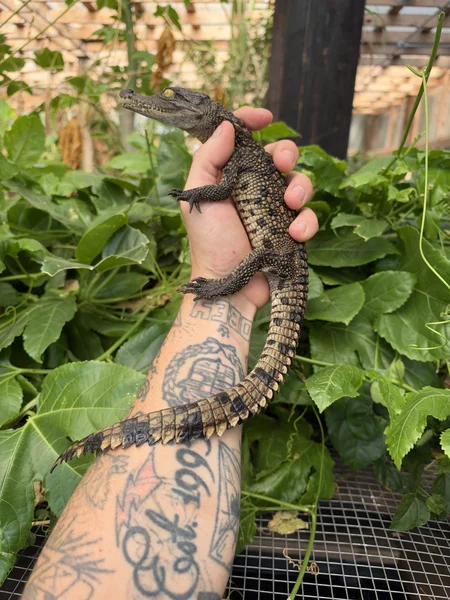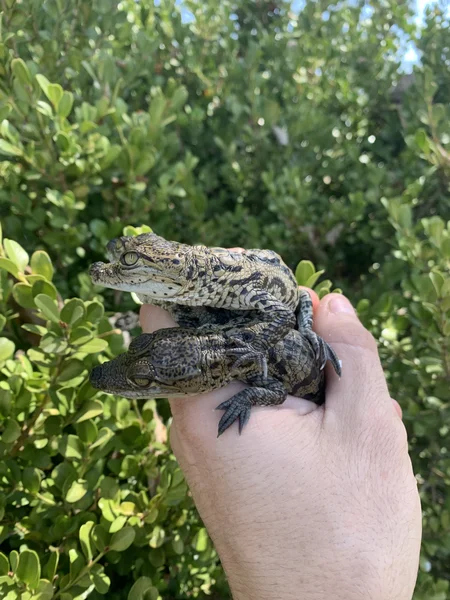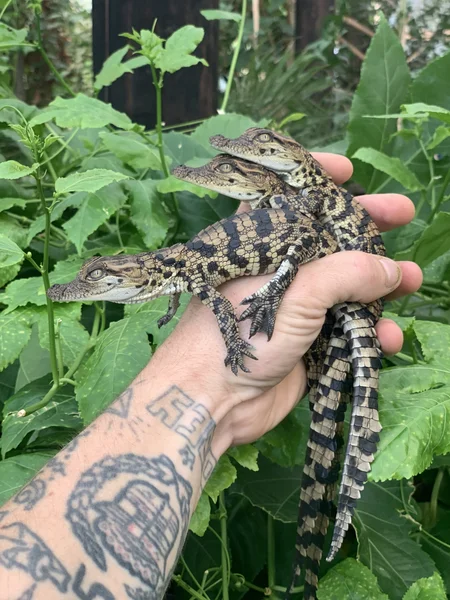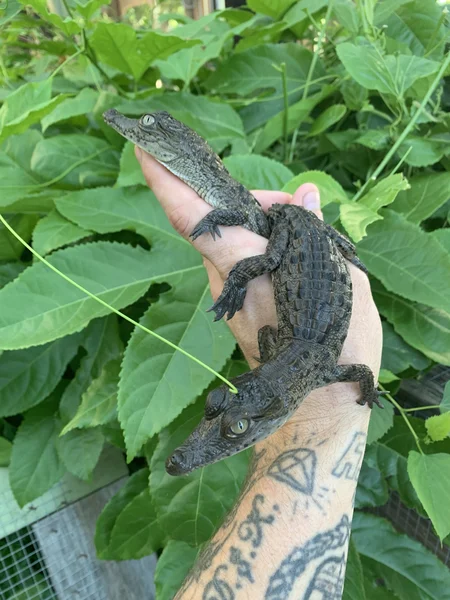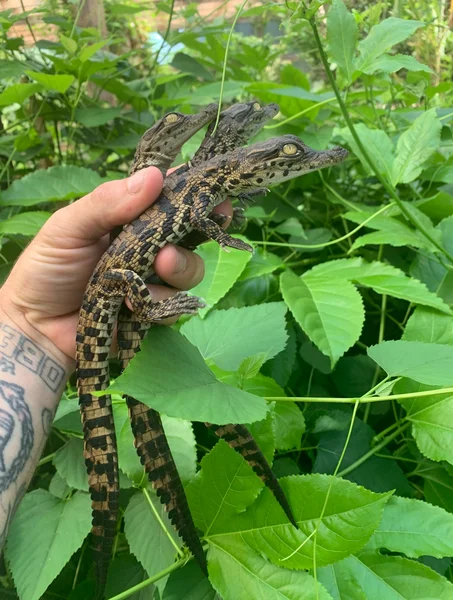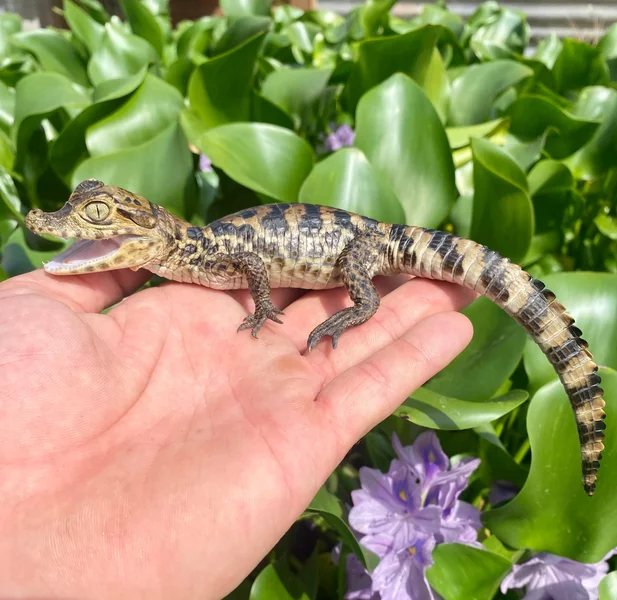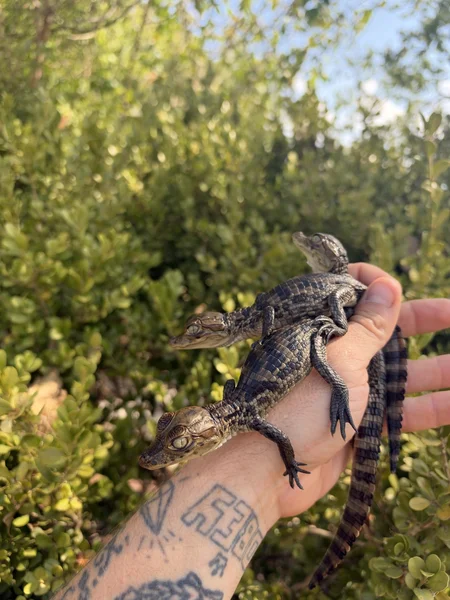
Explore a wide selection of crocodiles, alligators, caimans, and gharials for sale
Showing 1 to 19 of 19 animals
Showing 1 to 19 of 19 animals

Proudly Support Vets & 1st Responders
Few reptiles hold a room the way an alligator or a caiman does. These are the last surviving archosaurs, animals built around water, patience and a bite force that has barely needed updating in a hundred million years, and keeping one is a long-term structural commitment rather than a terrarium project. This category gathers the order Crocodylia on ReptileAds, from dwarf caimans at the small end through to species that outgrow most private facilities. What follows is an orientation to what the group covers, what these animals are like, and what to read closely before you contact a seller.
This section of the Reptiles marketplace covers true crocodiles, alligators, caimans and gharials, listed together under the order Crocodylia. It sits alongside the other reptile categories on ReptileAds — Lizards, Snakes, Turtles and Venomous — and listings here span hatchlings, juveniles and occasionally established adults being rehomed between facilities.
Because the group is so broad, the single most important field in any listing is the exact species. A Cuvier's dwarf caiman and an American alligator are both in this category and almost nothing about their adult housing, paperwork or long-term cost is comparable. Read the species name first, then everything else.
Adult size across the order runs from roughly four feet to around twenty-three feet, depending entirely on species. The dwarf caimans occupy the small end and are the only members of the group that a dedicated private keeper can realistically house for life in a purpose-built indoor enclosure; the larger alligators and true crocodiles move quickly into the territory of climate-controlled pools, barriers and multi-person handling protocols.
Lifespans typically run between twenty and seventy-five years, again varying by species, and well-kept captive animals frequently sit at the upper end of their range. That figure deserves to be taken literally: an animal acquired as a hatchling may still be in your care in four decades, and succession planning is a normal part of the conversation among experienced keepers.
All species are carnivorous, with natural prey shifting substantially as an animal grows — invertebrates, fish and amphibians give way to larger vertebrate prey in the bigger species. In the wild the order is distributed across the tropical and subtropical regions of Africa, Asia, Australia, North America and South America, and that heat-and-water baseline shapes everything about how they are kept.
Most are crepuscular and nocturnal by inclination, spending the bright part of the day basking or floating with only eyes and nostrils above the surface, then becoming far more alert around dusk. They are not handling animals in the way a colubrid or a bearded dragon is; interaction is built around target training, shift gates and feeding routine rather than contact, and keepers who work with them tend to talk about reading body language at a distance rather than taming.
What surprises newer keepers is the intelligence. These animals learn feeding schedules, recognise individual people, respond to station training and show clear preferences in where they bask and where they rest underwater. A well-designed enclosure with a deep pool, a dry haul-out and something to hide under produces an animal that behaves like itself, and that is genuinely absorbing to watch.
Think in terms of a room rather than a cage: a large, filterable body of water deep enough for the animal to submerge fully, a dry land area under strong overhead basking heat, warm ambient air and high humidity, and secure barriers sized for the adult animal rather than the one you collect. Water quality management is usually the biggest ongoing workload, since these are messy feeders in a closed system.
Feeding is infrequent compared with most reptiles and slows further with age, with whole prey and appropriate supplementation forming the core of the diet. Treat this as orientation only and work from a full species-specific care guide, ideally alongside a keeper or facility already working with the species you're interested in.
Every species in this order is listed under CITES Appendix I or II, and some listings are specific to particular populations rather than the species as a whole. In practice that means international movement and, in many places, domestic sale and transport involve documentation that travels with the animal.
Ownership, sale, transport and permitting rules vary widely by species and by location, and conservation status differs too — some species are Critically Endangered while others are assessed as Least Concern. Confirm the requirements that apply where you live, and where the animal is coming from, before making any arrangements. Sellers working with this group are generally well used to paperwork questions and expect them.
Start with species, hatch date and current size and weight, then ask about origin — captive bred, farm raised or otherwise — and what documentation accompanies the animal. A clear feeding history matters more here than in most groups: what the animal is taking, at what interval, whether it feeds readily in front of people and whether it has been target trained all tell you how settled it is.
It is also fair to ask how the animal has been housed, what water temperatures it has been kept at, and whether it has been handled, tubed or shift-trained. Experienced keepers will often ask about the buyer's setup in return, and that exchange is a good sign rather than an obstacle. Agree transport arrangements in writing, since crating a crocodilian is a specialised job and the logistics are rarely trivial.
With a lifespan measured in decades, memory is not a record system. Logging feeds, weights, sheds, water parameters, veterinary visits and behavioural notes gives you a growth curve you can actually read, lets you spot a change in feeding response against a real baseline, and makes it possible to hand over a meaningful history if the animal ever moves to another facility.
For breeders, the same applies to pairings, nest dates, incubation records and clutch outcomes, where year-on-year comparison is the only way to improve results. Husbandry.Pro, the husbandry management app from the ReptileAds team, is built for exactly this — collection records, feeding and weight tracking, and breeding history kept in one place rather than scattered across notebooks. However you do it, a documented animal is a better-understood animal, and in this group it is also a better-placed one when the time comes.
AI-assisted guide reviewed by the ReptileAds team. General information about these animals — not care, veterinary or legal advice, and not a description of any individual listing above.
Welcome to the ReptileAds crocodilian marketplace, where you can browse listings for crocodiles, alligators, caimans, and gharials. Explore available animals, review the information provided by each seller, and contact sellers directly with questions.
Crocodilian species differ widely in adult size, care requirements, conservation status, and legal requirements. Check each listing for the exact species and confirm that you can meet its needs before making arrangements.
ReptileAds brings crocodilian listings together so experienced keepers can review the animal and seller information in one place. Since care needs and legal requirements vary by species, verify the details before making arrangements.
Browse listings for crocodiles, alligators, caimans and gharials, and compare the species and details provided by each seller.
Use built-in chat to ask about the animal’s identity, origin, age, feeding history, current housing and available records.
Crocodilians may be subject to significant restrictions. Confirm the applicable laws, permits and transport requirements for the exact species and locations involved.
Crocodilians are powerful, long-lived animals that require specialized facilities and experienced care. Their needs differ by species and life stage, so research the exact animal and consult qualified experts before acquiring one.
Plan for a secure, purpose-built enclosure with appropriate land and water areas. Adult size and housing needs vary widely by species.
Crocodilians need carefully managed temperatures and clean water. Enclosure design, heating and filtration must suit the species and the animal’s size.
These animals are not suited to casual handling or typical household pet keeping. Responsible care requires experience, appropriate facilities and a plan for the animal’s full life.
Before pursuing a listing, identify the exact species and determine whether you can legally and practically provide for it throughout its life. Do not rely on a common name alone to confirm an animal’s identity or the rules that apply.
Ask the seller for the scientific name and any available documentation that supports the animal’s identity and origin.
Ask about the animal’s age, feeding history, health records, current housing and any permits or transfer documents that may apply.
Check federal, state and local requirements, along with rules for transport or transfer between locations. Confirm that your facilities and experience meet the animal’s needs before proceeding.