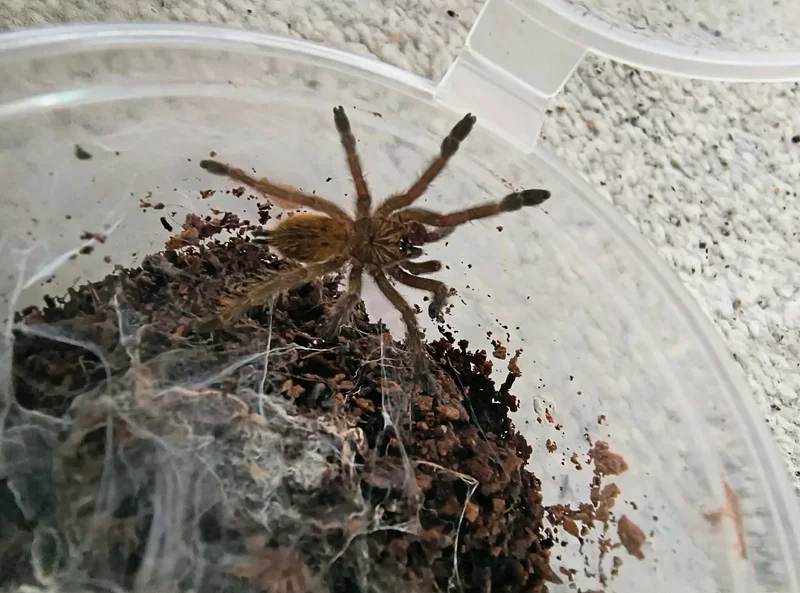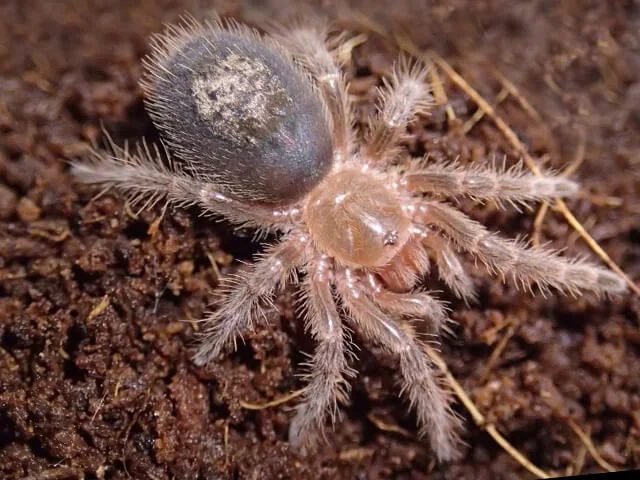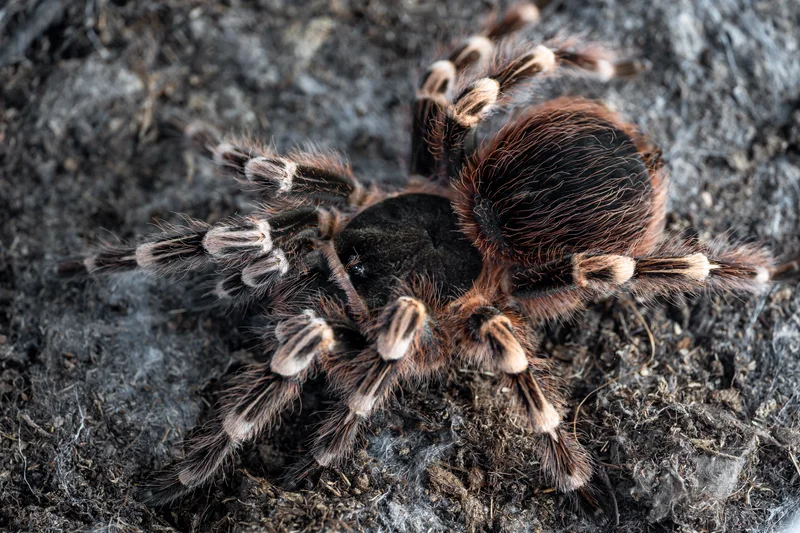
Browse New World tarantulas for sale, from curly hairs and Mexican red knees to pinktoes and green bottle blues, listed by breeders and keepers. Compare slings, juveniles and adults and message sellers directly.
Showing 1 to 13 of 13 animals
Showing 1 to 13 of 13 animals

Buy one and get 50% off either of the other animals (equal or lesser value). Mention this ad.
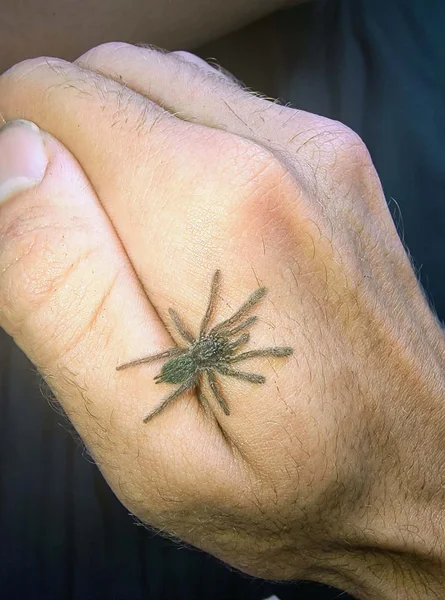
New World tarantulas are the tarantula species native to North, Central and South America, and they make up many of the most widely kept spiders in the hobby. They range from slow, heavy-bodied Mexican species to colorful tree dwellers from the Caribbean and South America. Most share a distinctive defense, a patch of urticating hairs on the abdomen, and many are known for calm, predictable behavior.
The term is a hobby grouping based on geography rather than a formal scientific division. All tarantulas belong to the family Theraphosidae, but keepers split them into New World species from the Americas and Old World species from Africa, Asia and the Middle East because the two groups tend to behave differently.
The biggest practical difference is defense. Most New World tarantulas carry urticating setae, fine barbed hairs they can flick from the abdomen or press against a threat. Many will retreat or kick hairs before they consider biting. That tendency to warn first is a large part of why New World species are so popular with people starting out.
If you want to explore the other side of the hobby, the Old World Tarantulas category covers species from Africa and Asia, and Jumping Spiders and Other Arachnids are close neighbors in the Arachnids section.
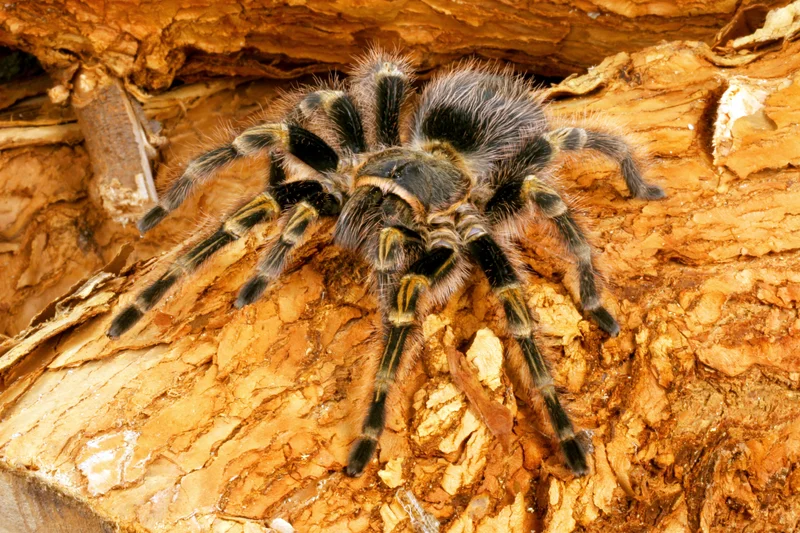
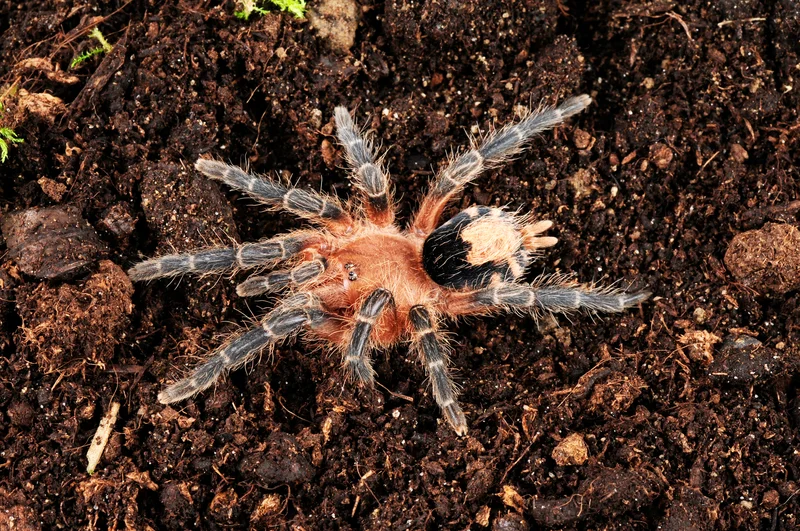
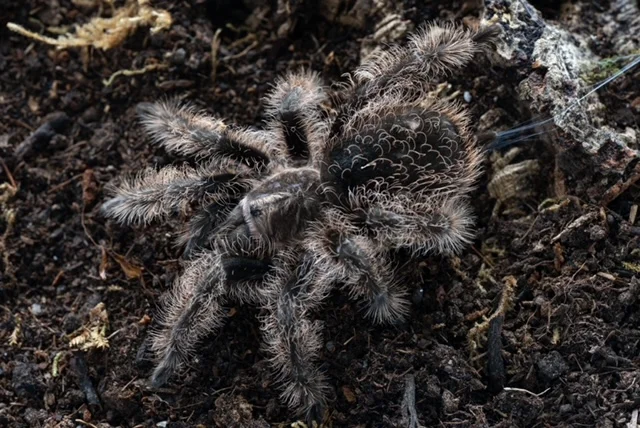
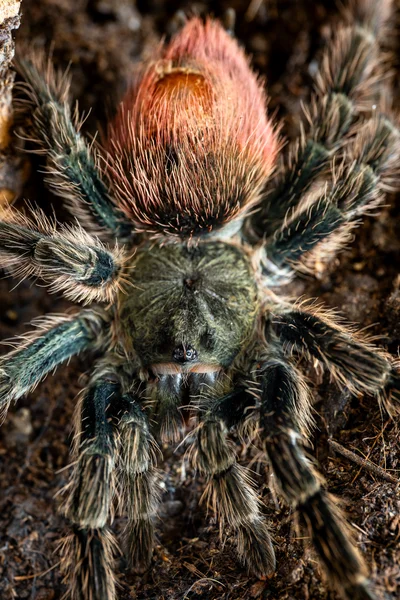
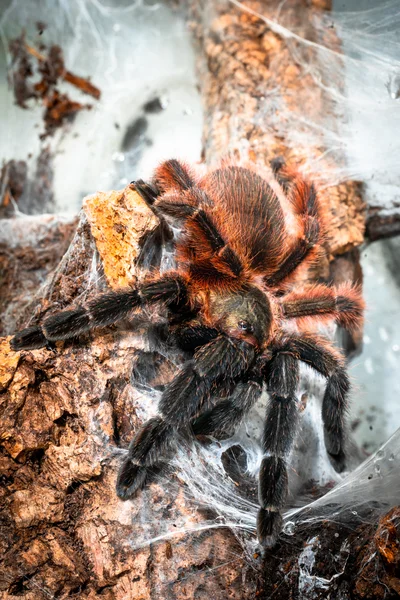
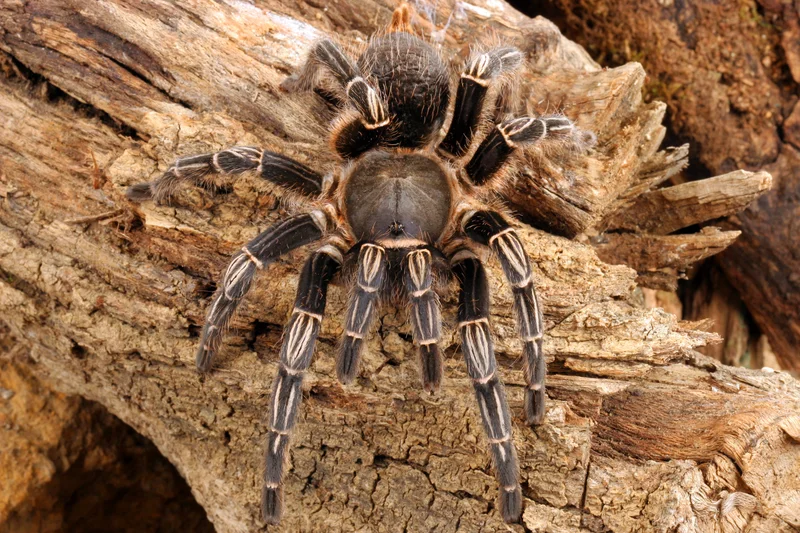
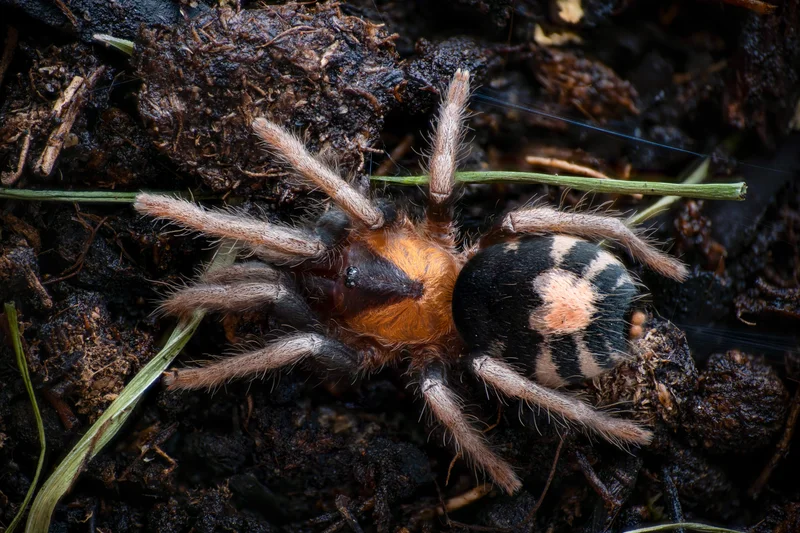
Terrestrial species are the backbone of the hobby. The curly hair (Tliltocatl albopilosus), the Mexican red knee (Brachypelma hamorii) and the Chilean rose group (Grammostola) are long-standing favorites for their manageable size and steady temperaments. The Brazilian black (Grammostola pulchra) is prized for its velvety dark coloring, and the desert blonde (Aphonopelma chalcodes) represents the tarantulas native to the southwestern United States.
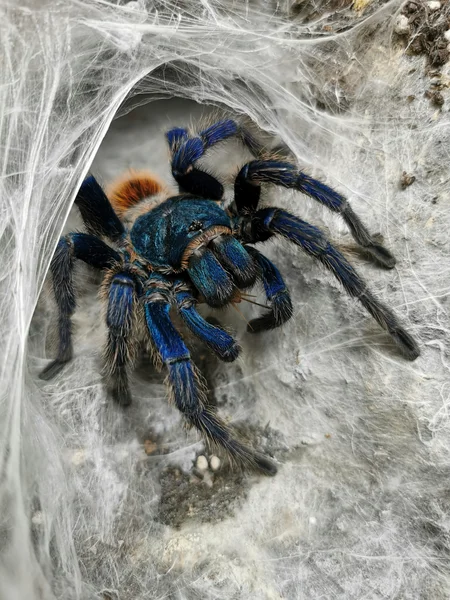
Arboreal New World species live in trees and build silk retreats off the ground. The Antilles pinktoe (Caribena versicolor), whose slings are bright blue and change color as they grow, and the Avicularia pinktoes are common choices. For bold color on a terrestrial species, many keepers look to the green bottle blue (Chromatopelma cyaneopubescens). At the large end, species such as Lasiodora parahybana and the Goliath birdeaters (Theraphosa) can reach impressive leg spans.
Adult leg spans usually fall somewhere between about 2 and 8 inches depending on species. Dwarf species stay small throughout their lives, while the largest Brazilian terrestrials can push past the top of that range.
Lifespan depends heavily on sex. Females of many species live 10 to 25 years, and some slow-growing Brachypelma and Grammostola females are famous for their longevity. Males mature faster and typically live much shorter lives once they reach adulthood. If you want a spider for the long haul, a confirmed female or an unsexed sling you raise yourself are both common approaches.
Match the enclosure to the lifestyle of the species. Terrestrial tarantulas do best with more floor space than height, a few inches of substrate, a hide and a shallow water dish, since a fall from height can injure a heavy-bodied spider. Burrowing species appreciate deeper substrate to dig into. Arboreal species need a taller enclosure, vertical cork bark and good cross-ventilation to avoid stale, damp air.
Most New World species are comfortable at typical indoor room temperatures, and many Mexican terrestrials prefer mostly dry substrate with a water dish, while rainforest species need a moister setup. Feed appropriately sized insects and remove uneaten prey, especially around a molt. Keeping a simple log of molts and feedings helps you spot patterns, and Husbandry.Pro is a handy way to track molt dates, meals and growth for each spider in your collection. The ReptileAds care guides go into species-level detail.
Spiderlings are the most affordable way into a species and let you watch the whole growth process, but they are tiny, grow at their own pace and are usually unsexed. Juveniles are sturdier and easier to observe. Adult and sub-adult females give you an impressive display animal right away and a long life ahead.
When comparing listings on ReptileAds, check the species name carefully, the stated leg span, the most recent molt and how the sex was determined. Read the seller's profile and reviews, and message them directly with any questions about packing and shipping. If you are hunting for a specific species, a Hit List alert will let you know the moment a matching tarantula is listed. Because rules on keeping and shipping invertebrates vary by location, check your local regulations before you buy.
AI-assisted guide reviewed by the ReptileAds team. General information about these animals — not care, veterinary or legal advice, and not a description of any individual listing above.
This section gathers New World tarantulas from the Americas, listed by hobby breeders, invertebrate specialists and experienced keepers. Expect a mix of spiderlings (slings), juveniles and sub-adult or adult females, with terrestrial, burrowing and arboreal species all represented over time.
Narrow your search by species and life stage, then compare listings by leg span, most recent molt and whether the sex is described as confirmed or unknown. Seller profiles and reviews give you a sense of how each seller packs and ships live invertebrates.
Message sellers through the built-in chat to ask about feeding response and molt history. Hunting for a particular genus such as Brachypelma or Avicularia? Set a Hit List alert and ReptileAds will notify you when one is listed.
ReptileAds puts tarantula breeders and keepers from across the hobby in one searchable marketplace.
Compare terrestrial, burrowing and arboreal New World species from different sellers without jumping between sites and groups.
Ask sellers about molt dates, sizing and shipping plans through built-in chat, and read their profiles and reviews first.
Set a Hit List alert for a species or genus and hear about new listings as soon as they go live.
New World tarantulas share some broad care themes, but terrestrial, burrowing and arboreal species are set up differently. Always research the exact species you are buying.
See the ReptileAds tarantula care guides for species-specific setups.
Clear answers up front help you pick a tarantula that suits your setup and experience.