ReptileAds.com
  • Market
  • Categories
  • Stores
  • Genetic Calculator
  • Pricing
Login
  • Dashboard
  • Market
  • Stores
  • Genetic Calculator
  • Pricing
  • Regions
    • All Regions
    • Canada
    • United States
    • Europe
    • Great Britain
    • Australia
    • South Africa
    • Other Regions
  • ConnectHusbandry.Pro
  • Login
  • Register
Image

ReptileAds.com is from Purple Turtle Technologies LLC with a strategic partnership with Husbandry.Pro and Redline Shipping. Decades of experience brought together to create the future of reptile classifieds.

  • Husbandry.Pro
  • Redline Shipping

Copyright 2025 Purple Turtle Technologies LLC. All Rights Reserved.

Marketplace
  • All Animals
  • Ball Pythons
  • Buy Turtles
  • Buy Frogs
  • Buy Toads
Resource
  • Resources
  • Care Guides
  • About Us
  • Contact
  • News
  • FAQs
  • Privacy Policy
  • Terms and Conditions
My account
  • Profile
  • Sign Up
  • Login
  • Redline Shipping
  • Sitemap
Subscribe to our newsletter

Signup for our newsletter to get the latest news in your inbox.

ReptileAds.com
  • Market
  • Categories
  • Stores
  • Genetic Calculator
  • Pricing
Login
  • Dashboard
  • Market
  • Stores
  • Genetic Calculator
  • Pricing
  • Regions
    • All Regions
    • Canada
    • United States
    • Europe
    • Great Britain
    • Australia
    • South Africa
    • Other Regions
  • ConnectHusbandry.Pro
  • Login
  • Register

Scorpions for Sale

Explore a selection of captive-bred scorpions for sale.

$
$

5 Animals Found

Showing 1 to 5 of 5 animals

5 Animals Found

Showing 1 to 5 of 5 animals

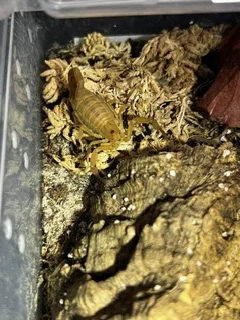
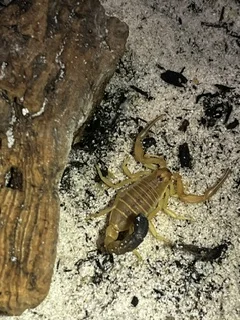
Centruroides gracilis scorpion 2.5" $30
Scorpion
Fangs Unlimited
juvenile
$30
#1 Podcast
Sponsored

#1 Podcast

Reptiles Guild

Watch Now!!!

AdvertisementWhy am I seeing this?
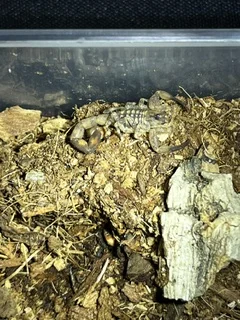
Androctonus australis 1.75" $30
Scorpion
Fangs Unlimited
juvenile
$35
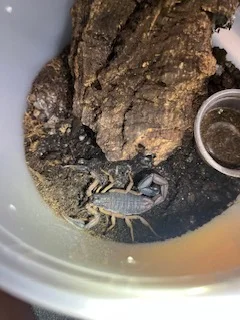
Centruroides sculpturatus 1.75" $20
Scorpion
Fangs Unlimited
juvenile
$20
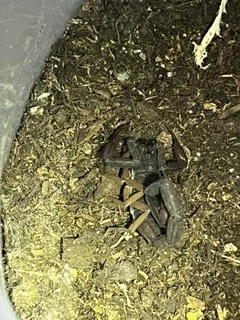
Tityus smithi 1" $30
Scorpion
Fangs Unlimited
juvenile
$30
Centruroides margaritatus 3" $47
Scorpion
Fangs Unlimited
subadult
$47
1

Keeping Scorpions: Species, Housing and Buying Advice

Adult size
About 1 to 8 inches, depending on species
Lifespan
Roughly 2 to 8 years, depending on species
Diet
Carnivorous: insects and small arthropods
Native range
Every continent except Antarctica
Care level
Intermediate to advanced, by species

Scorpions are ancient, armored arachnids found on every continent except Antarctica, with their greatest diversity in tropical and subtropical regions. Their calm, nocturnal habits and modest space requirements make them rewarding display animals. Choosing the right species comes down to the habitat you can recreate at home.

What scorpion species are popular in the hobby?

Asian forest scorpions, from the genus Heterometrus, are among the most commonly kept species. They are large, glossy black scorpions from humid Southeast Asian forests and are often recommended as a first scorpion. Flat rock scorpions from southern Africa are another favorite, known for their flattened bodies and habit of wedging into crevices.

Desert hairy scorpions are a popular North American desert species, and keepers also seek out a range of other desert and tropical genera. Because venom potency varies widely between species, it is especially important to confirm the scientific name of any scorpion you are considering.

How big do scorpions get and how long do they live?

Scorpions kept as pets usually measure between 1 and 8 inches, with forest scorpions at the larger end. Like other arachnids, they grow by molting, shedding their exoskeleton several times before reaching adulthood.

Most species live around 2 to 8 years, with some larger scorpions living longer under stable conditions. Buying a juvenile gives you the chance to watch that growth, while an adult lets you enjoy its full size right away.

Setting up a scorpion enclosure

Scorpions are ground dwellers, so a terrarium with more floor space than height works well. A secure, escape-proof lid is essential. Provide several hides, such as cork bark or flat stones, and enough substrate for burrowing species to dig.

Forest species need a damp, moisture-holding substrate and higher humidity, while desert species prefer a dry, sandy mix with a small water dish. Many scorpions appreciate gentle warmth on one side of the enclosure. The ReptileAds care guides cover typical ranges for the most common species.

Feeding scorpions and tracking molts

Scorpions are carnivores that eat live insects. Crickets, roaches and mealworms are common staples, and adults generally eat only every week or two. Juveniles eat more often and need smaller prey. Uneaten insects should be removed, especially around a molt, when scorpions are vulnerable.

Because scorpions go quiet before molting, a record of meals and molt dates is useful. Many keepers log feedings and molts in Husbandry.Pro so they can see growth over time and anticipate the next molt.

Tips for buying a scorpion online

Choose a species that matches the environment you can provide, and confirm its scientific name with the seller. Ask about size, the date of the last molt and what it is eating. Captive-bred scorpions are increasingly available and are often a smooth choice.

Some scorpion species are regulated in certain places, so check your local rules before committing. Review seller profiles and feedback, set up the enclosure ahead of time, and consider a Hit List alert if the species you want is not listed yet.

AI-assisted guide reviewed by the ReptileAds team. General information about these animals — not care, veterinary or legal advice, and not a description of any individual listing above.

Browse Scorpions for Sale from Trusted Sellers


Welcome to the Reptileads scorpion marketplace - your destination for finding healthy, captive-bred scorpions from experienced breeders and invertebrate enthusiasts. Scorpions are fascinating arachnids known for their unique defensive adaptations, nocturnal behavior, and striking appearance.

Whether you're starting your first invertebrate setup or expanding your collection, this category helps you explore available scorpion listings and connect directly with sellers.

Each listing typically includes:

  1. Species identification
  2. Size or age
  3. Feeding habits
  4. Photos
  5. Seller information
  6. Availability and shipping options

These details help buyers make informed decisions before purchasing.

About Pet Scorpions
Basic Scorpion Care Overview
Buy Scorpions with Confidence
Sell Scorpions on Reptileads

Scorpions are found in many parts of the world, from deserts to tropical environments. They are primarily nocturnal predators and spend much of their time hidden in burrows or under cover.

Common characteristics include:

  1. Nocturnal behavior
  2. Venomous stinger (varies by species)
  3. Low activity levels
  4. Strong defensive instincts
  5. Minimal handling suitability

Most scorpion species are best kept as display animals rather than handled pets.

Understanding proper husbandry is essential before purchasing a scorpion.

Temperature

  1. Typically 75–90°F depending on species

Humidity

  1. Low humidity for desert species
  2. Higher humidity for tropical species

Enclosure

  1. Secure container with hiding spots
  2. Substrate suitable for burrowing

Diet

  1. Live insects such as crickets or roaches

Providing the correct habitat ensures the health and well-being of the animal.

Reptileads provides a transparent marketplace where buyers can compare listings, communicate directly with sellers, and make informed decisions before purchasing.

If you breed or keep scorpions, you can list them on Reptileads and connect with buyers searching for unique invertebrates.
Frequently Asked Questions

Pet scorpions range from about 1 to 8 inches long. Asian forest scorpions are among the larger species kept, while many desert species stay smaller.
Most scorpions live around 2 to 8 years depending on species, with larger forest scorpions often reaching the upper end of that range.
Yes, for keepers happy with a hands-off display animal. Hardy species such as Asian forest scorpions have simple needs and eat readily.
Scorpions eat live insects such as crickets, roaches and mealworms. Adults usually need to eat only once every week or two, depending on size and species.
A substance in the scorpion's exoskeleton fluoresces under ultraviolet light, giving a blue-green glow. It is a fun way to spot them in a dark enclosure.
Image

ReptileAds.com is from Purple Turtle Technologies LLC with a strategic partnership with Husbandry.Pro and Redline Shipping. Decades of experience brought together to create the future of reptile classifieds.

  • Husbandry.Pro
  • Redline Shipping

Copyright 2025 Purple Turtle Technologies LLC. All Rights Reserved.

Marketplace
  • All Animals
  • Ball Pythons
  • Buy Turtles
  • Buy Frogs
  • Buy Toads
Resource
  • Resources
  • Care Guides
  • About Us
  • Contact
  • News
  • FAQs
  • Privacy Policy
  • Terms and Conditions
My account
  • Profile
  • Sign Up
  • Login
  • Redline Shipping
  • Sitemap
Subscribe to our newsletter

Signup for our newsletter to get the latest news in your inbox.