Shop from trusted breeders across the United States.
Showing 1 to 19 of 38 animals
Showing 1 to 19 of 38 animals
SAVE 10% OFF ONE ANIMAL! MUST MENTION THIS AD FOR DISCOUNT!
The African fat-tailed gecko (Hemitheconyx caudicinctus) is a nocturnal, ground-dwelling gecko from the savannas and dry woodlands of West Africa. It is known for its easygoing temperament, soft banded pattern and the plump tail that gives it its name. For keepers who want a long-lived, manageable lizard, it is one of the most rewarding geckos in the hobby.
Wild fat-tails range across West Africa, from Senegal and Gambia east through Guinea, Mali, Ivory Coast, Ghana, Togo, Benin and Nigeria into Cameroon. They spend the heat of the day sheltering in burrows, under rocks and in leaf litter, then emerge in the evening to hunt insects.
That background explains much of their care. They like a warm retreat, a slightly more humid microclimate than many desert geckos, and a quiet enclosure where they can stay hidden during the day. Captive-bred animals have been produced for many generations and adapt well to a thoughtfully arranged terrestrial setup.
Adults usually measure about 7 to 9 inches (18 to 23 cm) from snout to tail tip. Males tend to be a little bulkier through the head, and both sexes carry fat in the tail, which becomes thick and rounded in a well-fed gecko.
Lifespan is where fat-tails really stand out. With consistent care, 15 to 20 years is common, and some individuals live well beyond that. Buying one is a long commitment, so it pays to choose a healthy animal from a seller you trust and to set up the enclosure properly from day one.
Fat-tails are terrestrial, so floor space matters more than height. Most keepers provide a warm side, a cooler side, and at least three hides: one warm, one cool and one humid hide packed with damp moss or a similar material. A thermostat-controlled heat source keeps the warm end comfortable, and the humid hide is the key to clean, complete sheds.
They eat a varied insect diet. Crickets, dubia roaches, silkworms and black soldier fly larvae make good staples, with mealworms and superworms offered in moderation. Dust insects with calcium and a vitamin supplement on a regular schedule. Exact temperatures, humidity targets and supplement routines are covered in detail in the ReptileAds care guide.
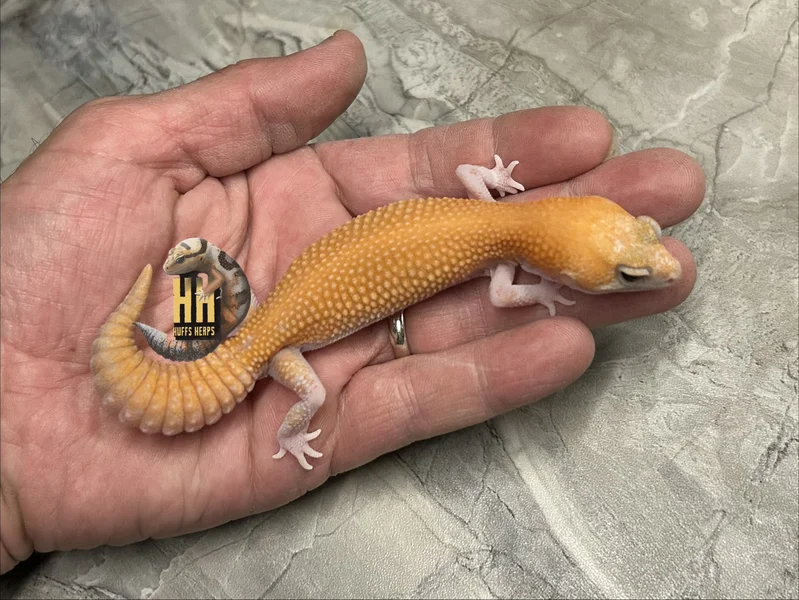
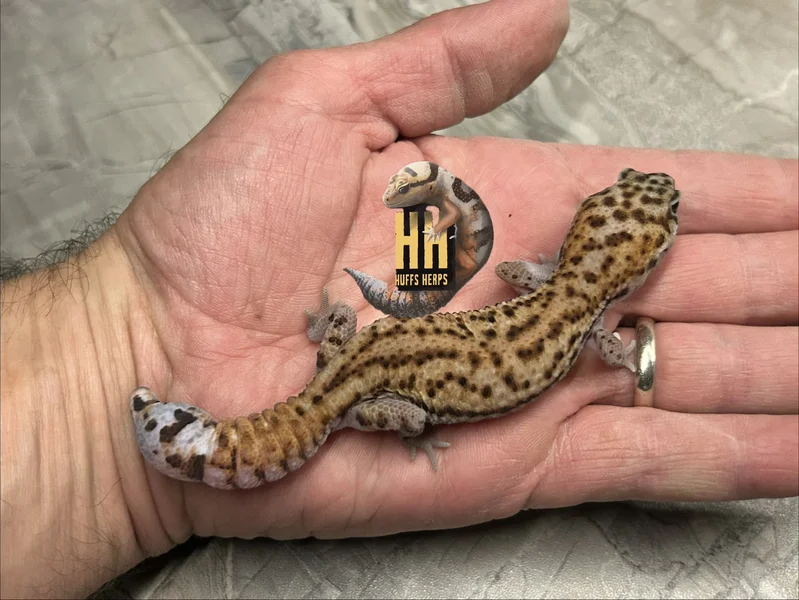
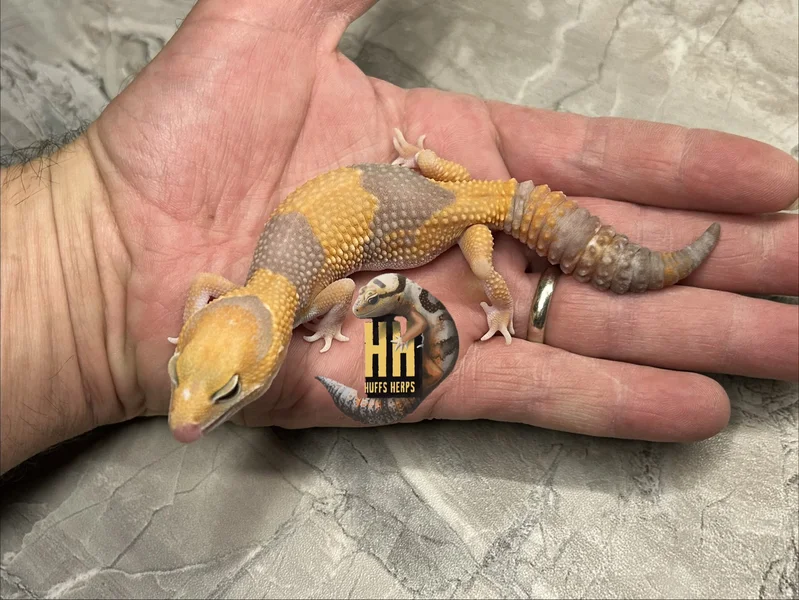
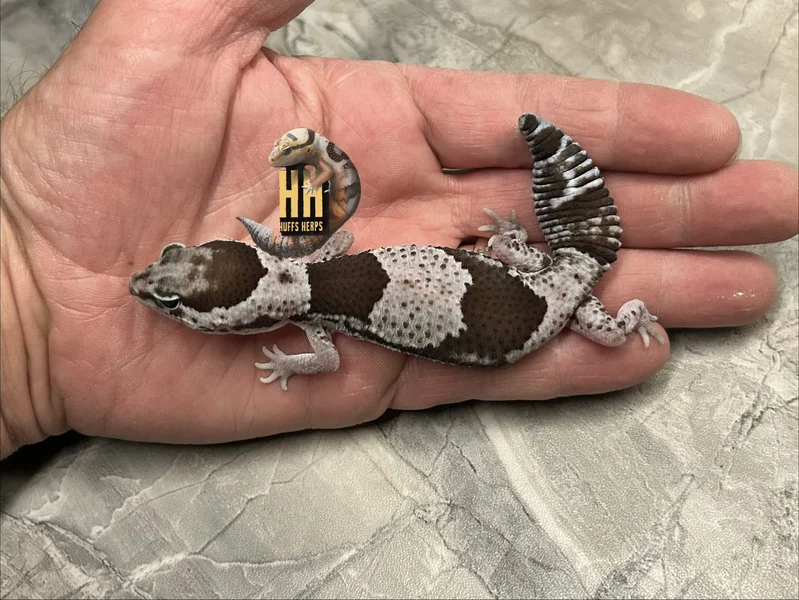
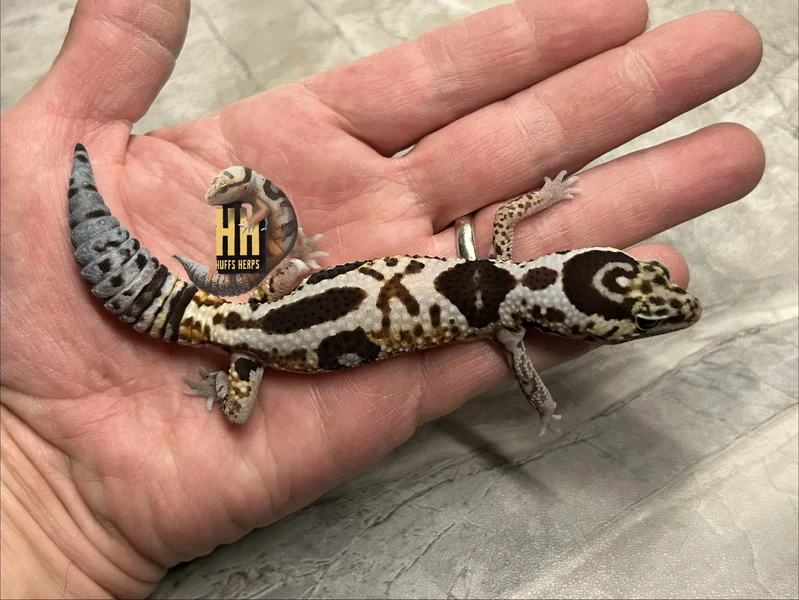
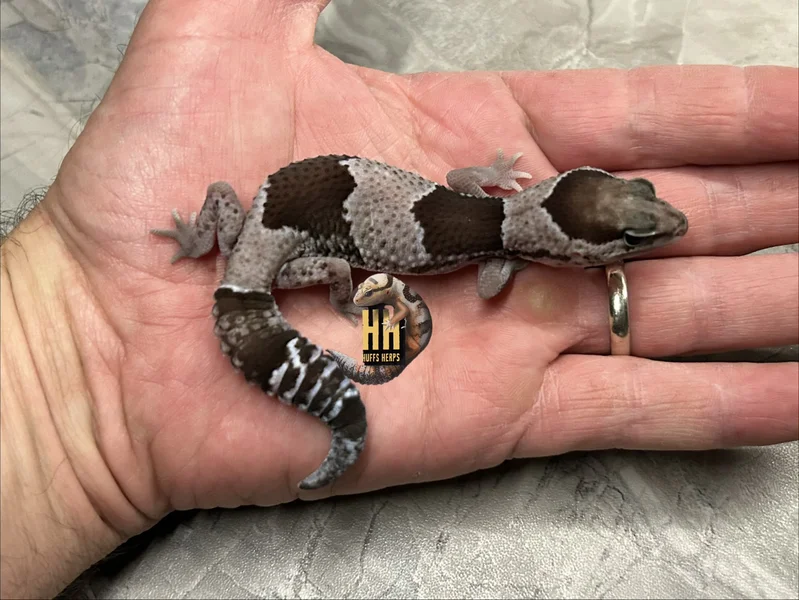
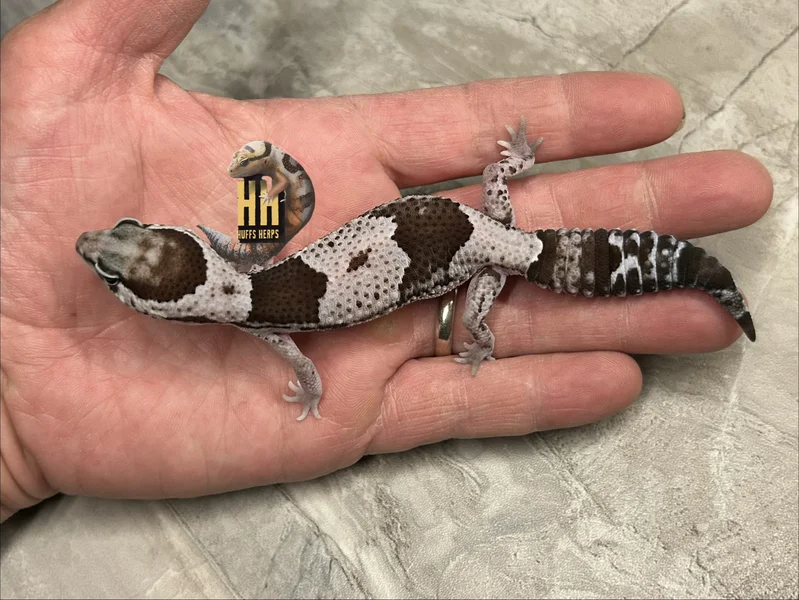
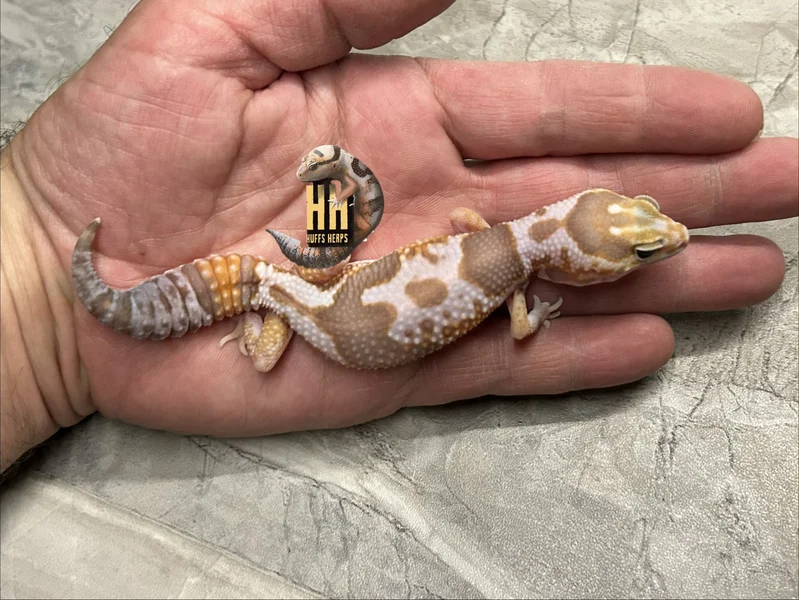
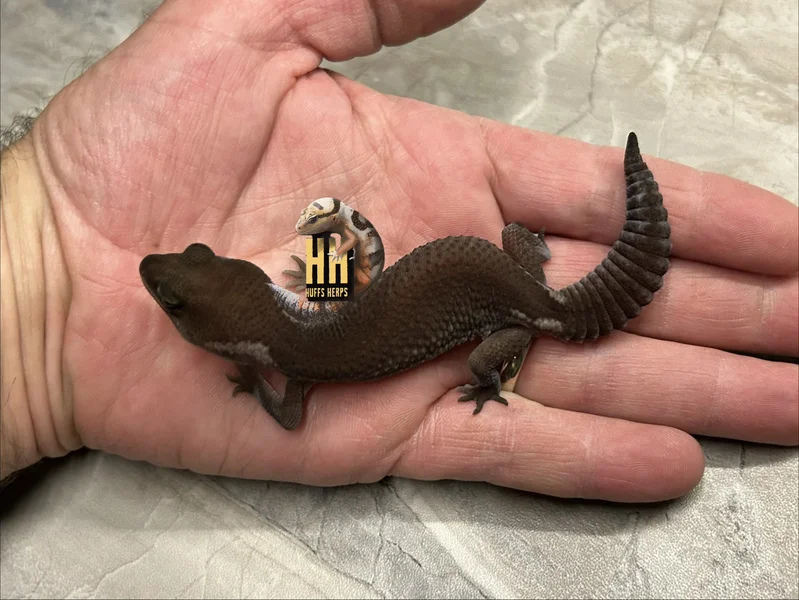
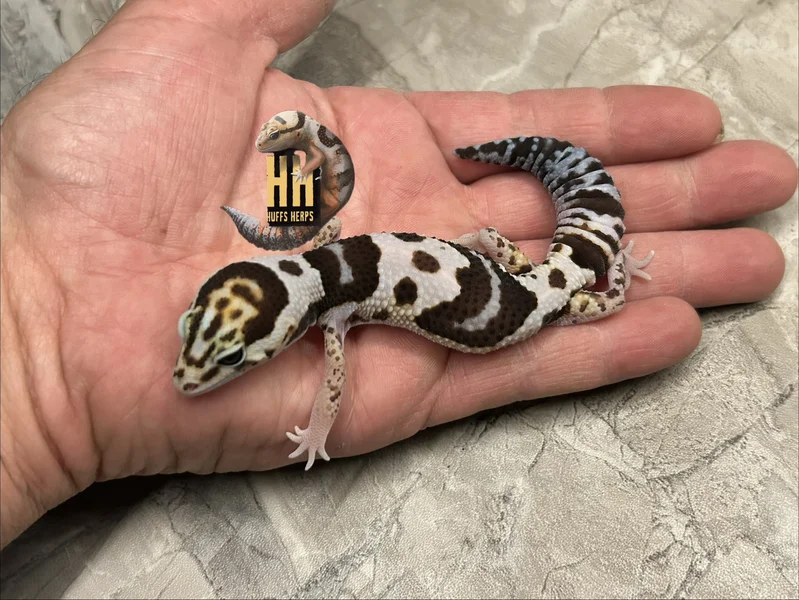
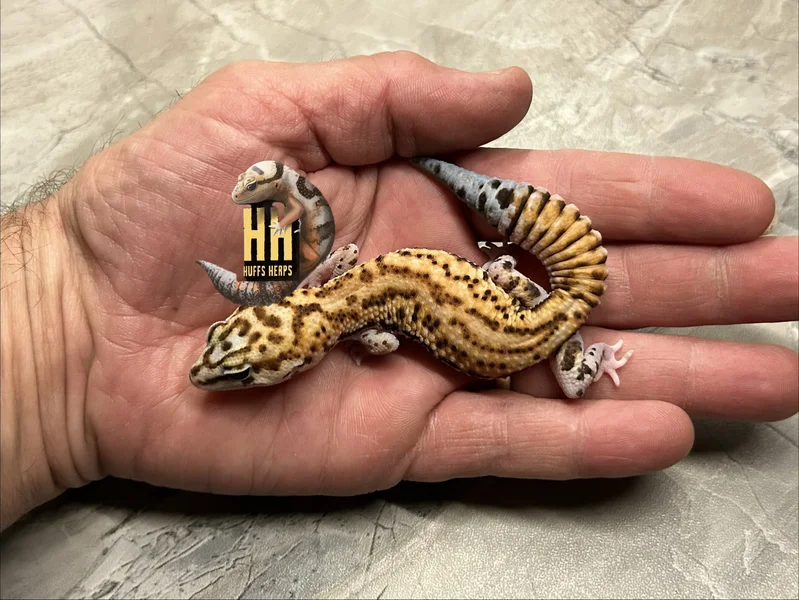
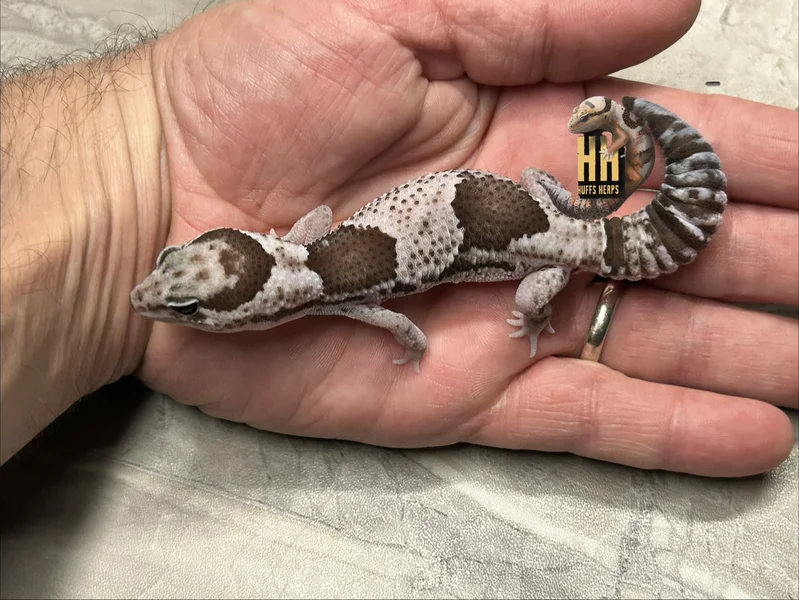
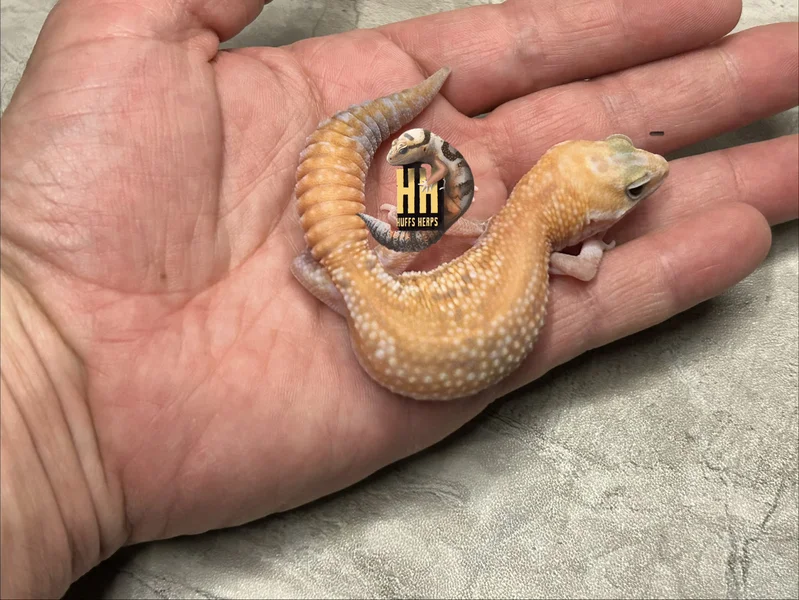
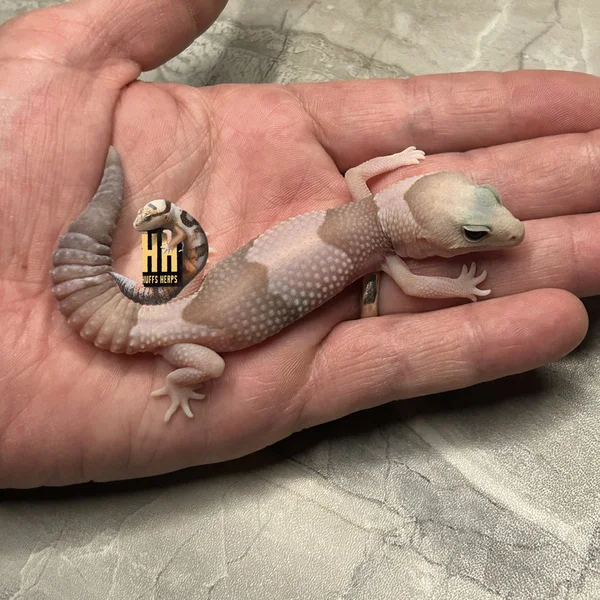
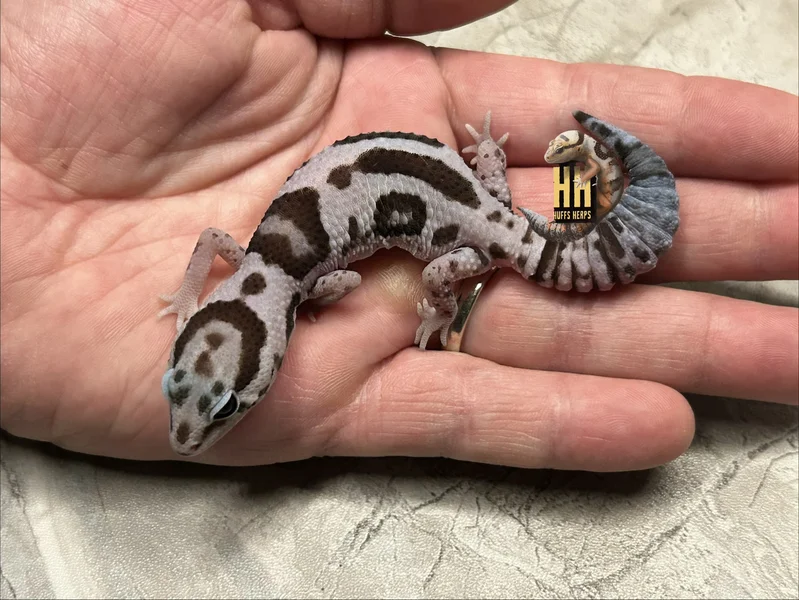
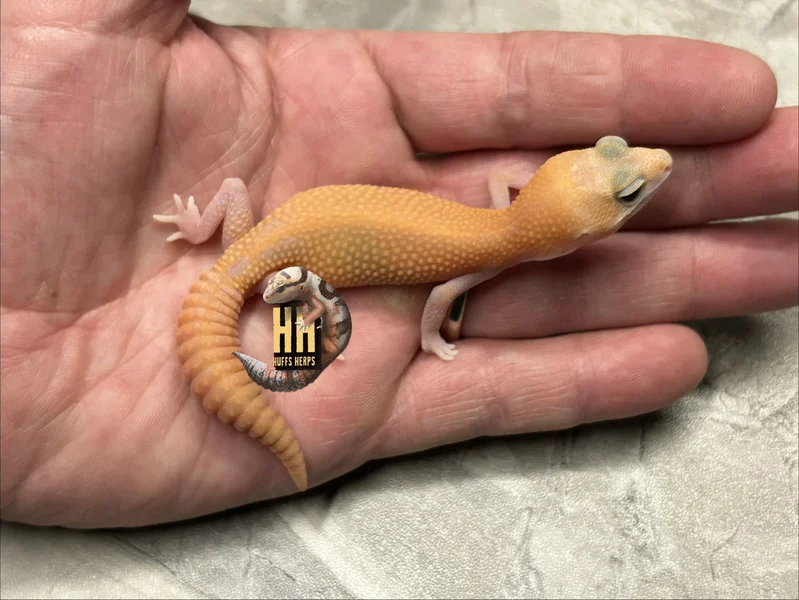
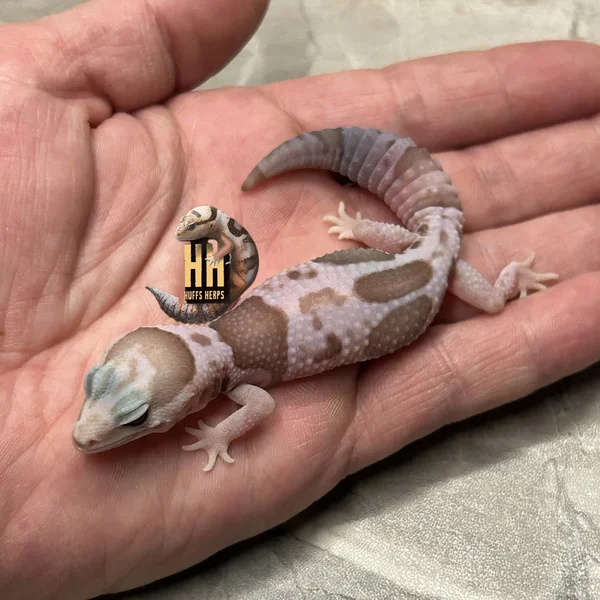
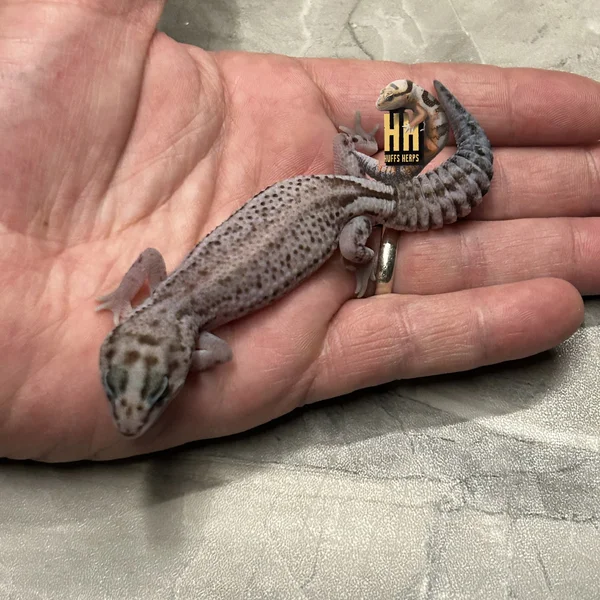
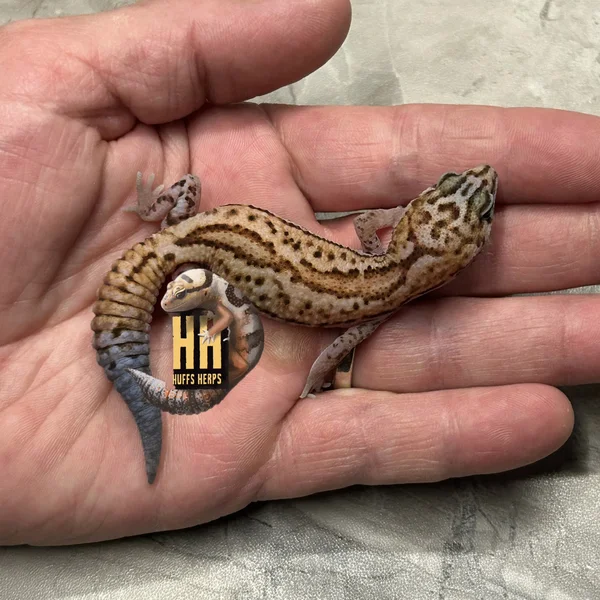
The wild-type or normal fat-tail has warm brown and tan bands, often with a thin white stripe running down the back in some animals. Selective breeding has produced a range of well-known traits that keepers commonly seek out, including albino (amelanistic) lines, striped animals, patternless geckos, whiteout and oreo.
When a listing mentions genetics, ask the seller how they know what the animal carries and whether any traits are listed as possible hets. Honest sellers are happy to explain their pairings, and keeping good records of your own animals makes future breeding plans much easier. Many keepers use Husbandry.Pro to log feedings, sheds, weights and pairings so each gecko's history is easy to share with a future buyer.
Look for a gecko with a full, rounded tail, clear eyes, clean vent area and no stuck shed on the toes or tail tip. A young animal that is alert, eating reliably and moving smoothly is a strong starting point. Ask for recent photos and a current weight rather than relying on older pictures.
On ReptileAds you can compare fat-tail listings from several breeders, read seller profiles and reviews, and message sellers directly with your questions. If the right gecko is not available yet, a Hit List alert will notify you as soon as one that matches your search is posted.
AI-assisted guide reviewed by the ReptileAds team. General information about these animals — not care, veterinary or legal advice, and not a description of any individual listing above.
𝗡𝗔𝗧𝗨𝗥𝗔𝗟 𝗛𝗜𝗦𝗧𝗢𝗥𝗬
African Fat-Tailed Geckos (Hemitheconyx caudicinctus) are native to the dry savannas, rocky outcrops, and lightly wooded regions of West Africa. Their thick tails store fat reserves, allowing them to withstand periods when food is scarce. While they share similarities with Leopard Geckos, African Fat-Tailed Geckos naturally experience slightly higher humidity and spend much of their time hidden beneath rocks, logs, and other secure shelters.
𝗧𝗘𝗠𝗣𝗘𝗥𝗔𝗠𝗘𝗡𝗧 & 𝗖𝗔𝗥𝗘
Known for their calm disposition and manageable size, African Fat-Tailed Geckos are an excellent choice for both first-time reptile keepers and experienced breeders. With proper husbandry, they are hardy, easy to care for, and commonly live 15–20 years or longer. Providing secure hides, appropriate temperatures, moderate humidity, and a varied insect diet helps these geckos thrive in captivity.
𝗠𝗢𝗥𝗣𝗛𝗦 & 𝗔𝗩𝗔𝗜𝗟𝗔𝗕𝗜𝗟𝗜𝗧𝗬
Captive breeding has produced an impressive selection of African Fat-Tailed Gecko morphs, including Whiteout, Oreo, Ghost, Zulu, Patternless, Amelanistic, and many exciting designer combinations. Whether you're searching for a beautiful pet or the next addition to a breeding project, you'll find African Fat-Tailed Geckos available in a wide range of colors, patterns, and price points.
Browse African Fat-Tailed Geckos for sale on ReptileAds to compare available morphs, connect with reputable breeders, and find the perfect gecko for your collection.
ReptileAds connects you with people who actually hatch and raise fat-tails, so you can compare animals and talk to sellers in one place.
Browse fat-tail listings from different breeders and keepers and compare photos, ages and lineage notes side by side.
Use built-in chat to ask about feeding records, shedding and genetics. Seller profiles and reviews help you decide who to buy from.
Looking for a specific morph such as an albino or a whiteout? Set a Hit List alert and get notified when a matching gecko is listed.
African fat-tailed geckos are calm, ground-dwelling and active after dark. Their needs will feel familiar to anyone who has kept a leopard gecko, with a bit more attention to humidity.
For full setup details, read the ReptileAds African fat-tailed gecko care guide before your gecko arrives.
A few good questions before you buy make the move to your home far smoother for both you and the gecko.