ReptileAds.com
  • Market
  • Categories
  • Stores
  • Genetic Calculator
  • Pricing
Login
  • Dashboard
  • Market
  • Stores
  • Genetic Calculator
  • Pricing
  • Regions
    • All Regions
    • Canada
    • United States
    • Europe
    • Great Britain
    • Australia
    • South Africa
    • Other Regions
  • ConnectHusbandry.Pro
  • Login
  • Register
Image

ReptileAds.com is from Purple Turtle Technologies LLC with a strategic partnership with Husbandry.Pro and Redline Shipping. Decades of experience brought together to create the future of reptile classifieds.

  • Husbandry.Pro
  • Redline Shipping

Copyright 2025 Purple Turtle Technologies LLC. All Rights Reserved.

Marketplace
  • All Animals
  • Ball Pythons
  • Buy Turtles
  • Buy Frogs
  • Buy Toads
Resource
  • Resources
  • Care Guides
  • About Us
  • Contact
  • News
  • FAQs
  • Privacy Policy
  • Terms and Conditions
My account
  • Profile
  • Sign Up
  • Login
  • Redline Shipping
  • Sitemap
Subscribe to our newsletter

Signup for our newsletter to get the latest news in your inbox.

ReptileAds.com
  • Market
  • Categories
  • Stores
  • Genetic Calculator
  • Pricing
Login
  • Dashboard
  • Market
  • Stores
  • Genetic Calculator
  • Pricing
  • Regions
    • All Regions
    • Canada
    • United States
    • Europe
    • Great Britain
    • Australia
    • South Africa
    • Other Regions
  • ConnectHusbandry.Pro
  • Login
  • Register

Other Boas for Sale: Rare & Uncommon Species

Explore other boas for sale, from Dumeril's and Madagascar tree boas to Pacific ground boas and Caribbean species, listed by breeders and keepers who work with less common boas.

$
$

4 Animals Found

Showing 1 to 4 of 4 animals

4 Animals Found

Showing 1 to 4 of 4 animals

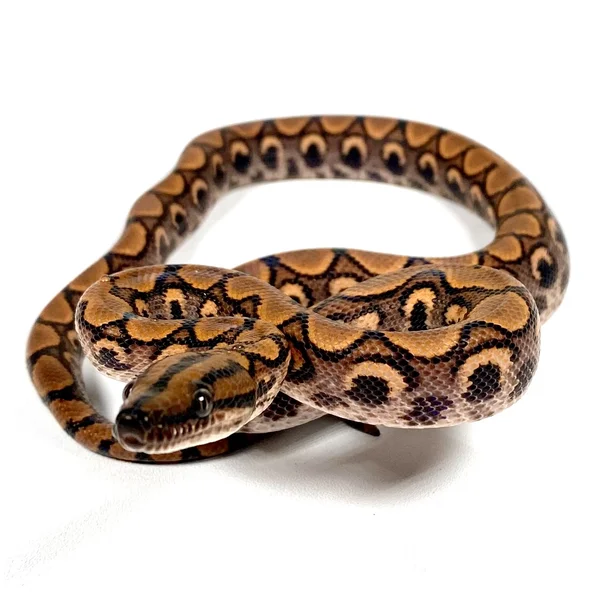
Brazilian Rainbow Boa
Boa
Trinity Herps
baby
$400
#1 Podcast
Sponsored

#1 Podcast

Reptiles Guild

Watch Now!!!

AdvertisementWhy am I seeing this?
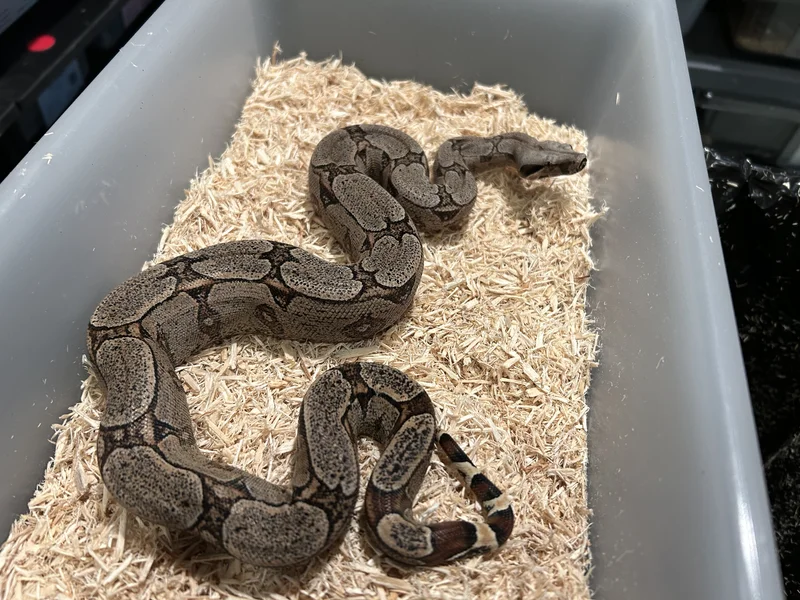
Silverback Bolivian Boa
Boa
Gateway City Reptiles
juvenile
$900
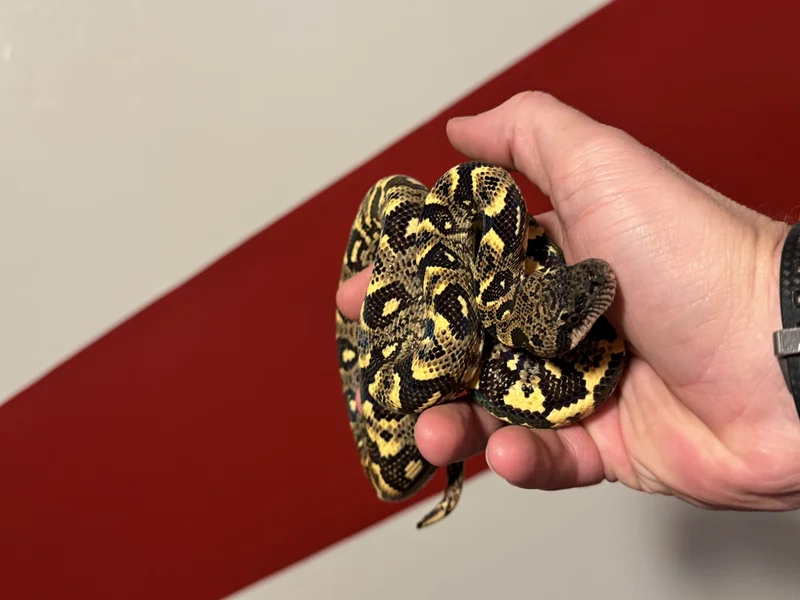
Madagascar Tree Boa
Madagascar Tree Boa
Boa
Python Suzy, LLC
juvenile
$1650
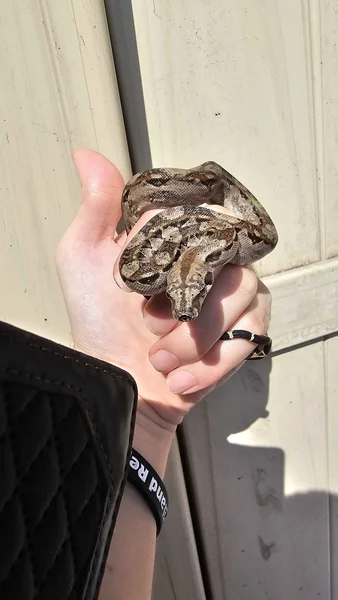
Tarahumara Dwarf Boa
Boa
Back To The Branch
juvenile
$400
1

Other Boas: Guide to Dumeril's, Madagascar and Pacific Boas

Adult size
From a few feet to over 6 feet, depending on species
Lifespan
Often 20-30 years in captivity
Diet
Mostly rodents in captivity
Native range
Americas, Caribbean, Madagascar, Pacific islands
Care level
Intermediate to advanced

Beyond the familiar boa constrictors, the boa family includes a wide variety of species kept by dedicated hobbyists. They range from heavy ground dwellers in Madagascar to slender arboreal boas from the Pacific and the Caribbean. This guide introduces the most commonly kept species in this group and how to shop for them.

What types of boas fall into the other category?

Boas are found across Central and South America, the Caribbean, Madagascar, parts of Africa and Asia, and the Pacific islands. The species kept most often outside the main categories include the Dumeril's boa, the Madagascar ground boa and the Madagascar tree boa, along with Pacific boas from the Candoia group, such as Solomon Island ground boas and viper boas.

Keepers also work with Caribbean boas, including Cuban and Hispaniolan boas, and with the Argentine boa. Sizes range from small Pacific species to large, heavy-bodied animals, so the right setup depends entirely on which boa you choose.

How big do uncommon boas get and how long do they live?

Adult sizes span a wide range, from a few feet for many Pacific boas to 6 feet and well beyond for larger species. Many boas commonly live 20 to 30 years in captivity, so any of them is a long-term commitment.

Record-keeping is especially useful with rarer species, where shared experience is limited. Logging feedings, sheds and weights in an app like Husbandry.Pro builds a history you can refer back to and share with other keepers of the same species.

What are Dumeril's boas and Madagascar tree boas like to keep?

The Dumeril's boa is a thick, slow-moving ground boa from southern Madagascar, admired for its earthy brown and pink patterning. Keepers often describe it as calm and deliberate, and its setup centers on floor space, sturdy hides and a warm area with a cooler side.

The Madagascar tree boa is a more slender, semi-arboreal snake that appreciates perches and higher humidity, and it comes in green, gray and orange-toned forms depending on origin. Pacific boas, by contrast, are generally smaller and some are known for a strong preference for particular prey when young, so feeding history is an important question when you shop.

Buying a rare boa: what to check first

Start by confirming the exact species and its care needs, then read the relevant ReptileAds care guide. Several boas in this group are covered by international trade rules or local restrictions, so check what applies where you live and ask the seller what documents come with the animal.

Use built-in chat to ask about origin, feeding and temperament, and read the seller's profile and reviews. For more common boas, the named sibling categories, including Common Boas (BCI), Red-Tailed Boas (BCC), Rosy Boas, Sand Boas, Emerald Tree Boas, Rainbow Boas and Amazon Tree Boas, are the place to look.

AI-assisted guide reviewed by the ReptileAds team. General information about these animals — not care, veterinary or legal advice, and not a description of any individual listing above.

Browsing Less Common Boas

This category is home to boas that do not have their own section on ReptileAds. You may come across Dumeril's boas, Madagascar ground and tree boas, Pacific boas from the Candoia group, Caribbean boas and Argentine boas, among others.

Because care, adult size and paperwork vary so much from one species to the next, start by confirming exactly which species a listing describes. Then ask the seller about the animal's origin, feeding history and any documents that come with it.

For more familiar boas, browse the dedicated categories for Common Boas (BCI), Red-Tailed Boas (BCC), Rosy Boas, Sand Boas and the tree boas. A Hit List alert can notify you when a species you are hunting for is posted.

Why Buy Other Boas on ReptileAds?
Boa Care at a Glance
What to Ask the Seller

ReptileAds helps you track down uncommon boas from breeders and keepers who specialize in them.

Find Specialists

Check seller profiles and reviews to find keepers with long experience in less common boas.

Ask the Right Questions

Use built-in chat to confirm species, origin and documents before you commit.

Wait for the Right Animal

Set a Hit List alert so you hear when a rare boa you are after is listed.

Care for less common boas depends heavily on species, but most setups share a few basics.

  • Enclosure: secure and sized for the adult, arboreal for tree boas and floor-focused for ground boas.
  • Heat: a warm area and a cooler area so the snake can regulate itself.
  • Humidity: varies from moderate for Madagascar ground boas to high for many island and rainforest species.
  • Diet: appropriately sized rodents for most species.
  • Handling: depends on the individual and species; ask the seller how the animal behaves.

Look up the species-specific ReptileAds care guide before you buy.

With uncommon species, details matter.
  • What is the exact species or subspecies, and how is it known?
  • Is the animal captive-bred, and where did the parents come from?
  • What is it eating, and how often?
  • What paperwork comes with the animal?
  • Are there permits or restrictions for this species where you live?

Frequently Asked Questions

Species without their own category, such as Dumeril's boas, Madagascar tree boas, Pacific Candoia boas, Caribbean boas and Argentine boas.
Dumeril's boas are heavy-bodied ground boas that commonly reach around 5 to 7 feet, with females usually larger than males.
Some do. Several boas are covered by international trade rules and local restrictions, so check the rules where you live and ask sellers for paperwork.
Most are fed rodents in captivity, but some Pacific boas and young animals may prefer other prey at first. Ask the seller what each snake is eating.
Many boas live 20 to 30 years in captivity, so plan for a long-term commitment whichever species you choose.
Image

ReptileAds.com is from Purple Turtle Technologies LLC with a strategic partnership with Husbandry.Pro and Redline Shipping. Decades of experience brought together to create the future of reptile classifieds.

  • Husbandry.Pro
  • Redline Shipping

Copyright 2025 Purple Turtle Technologies LLC. All Rights Reserved.

Marketplace
  • All Animals
  • Ball Pythons
  • Buy Turtles
  • Buy Frogs
  • Buy Toads
Resource
  • Resources
  • Care Guides
  • About Us
  • Contact
  • News
  • FAQs
  • Privacy Policy
  • Terms and Conditions
My account
  • Profile
  • Sign Up
  • Login
  • Redline Shipping
  • Sitemap
Subscribe to our newsletter

Signup for our newsletter to get the latest news in your inbox.