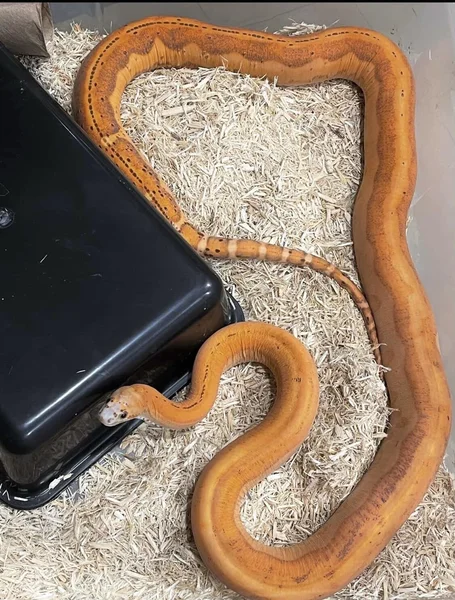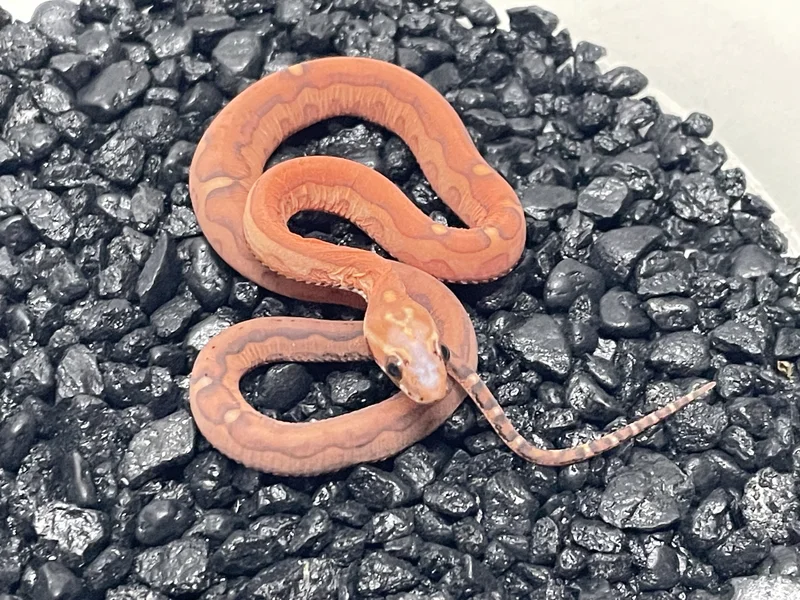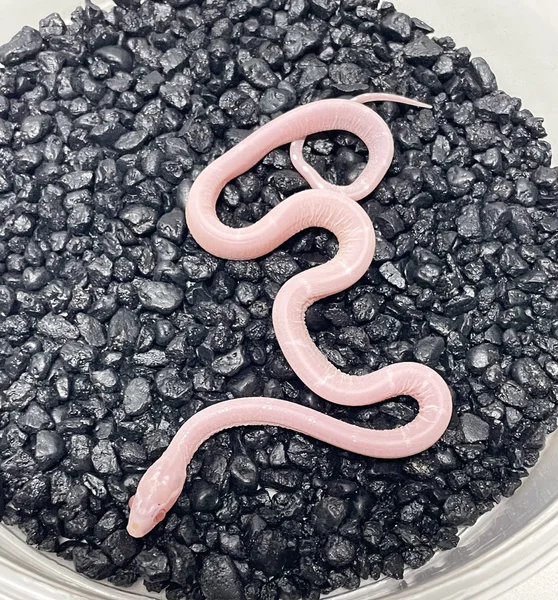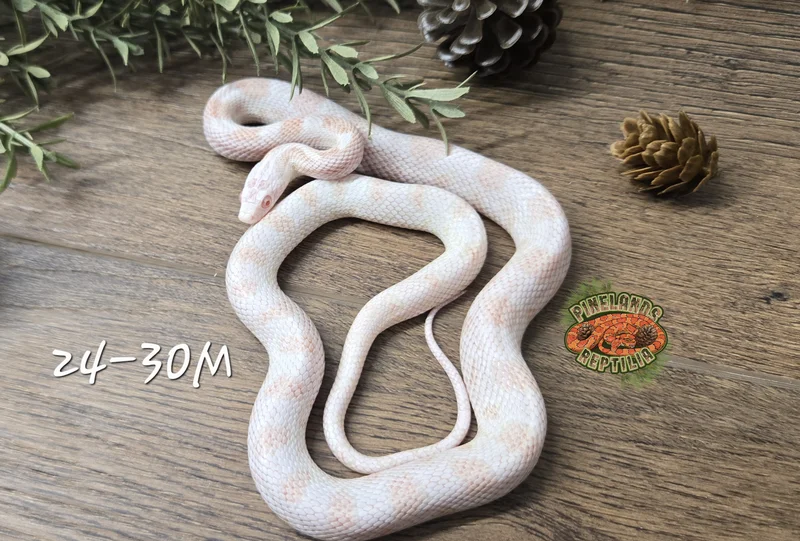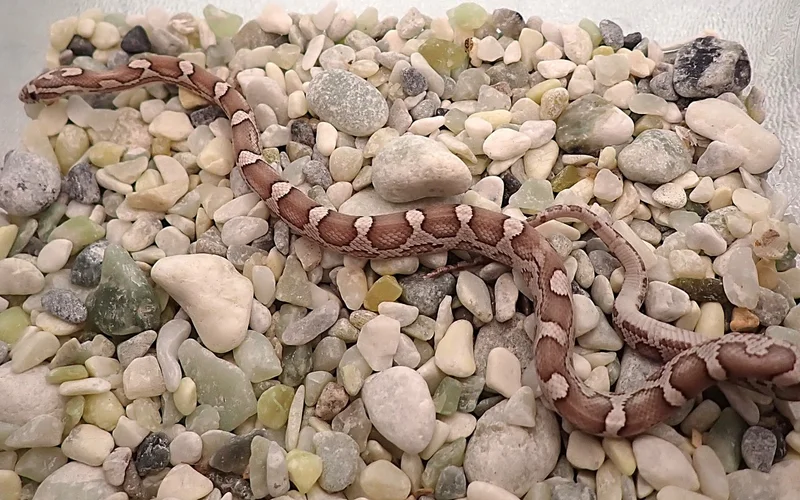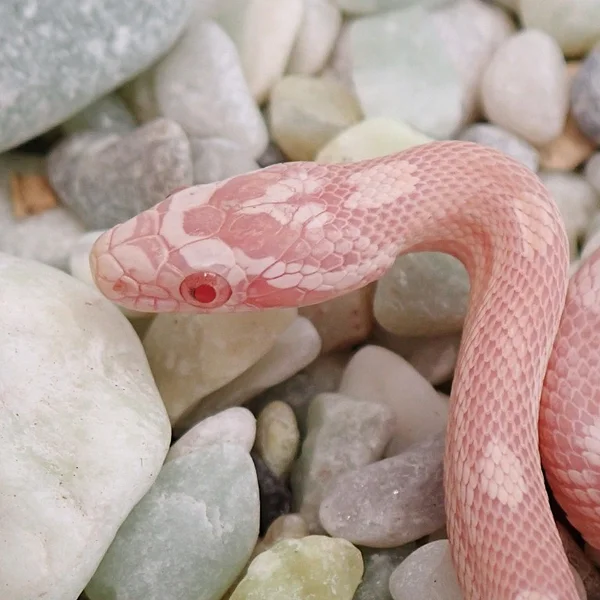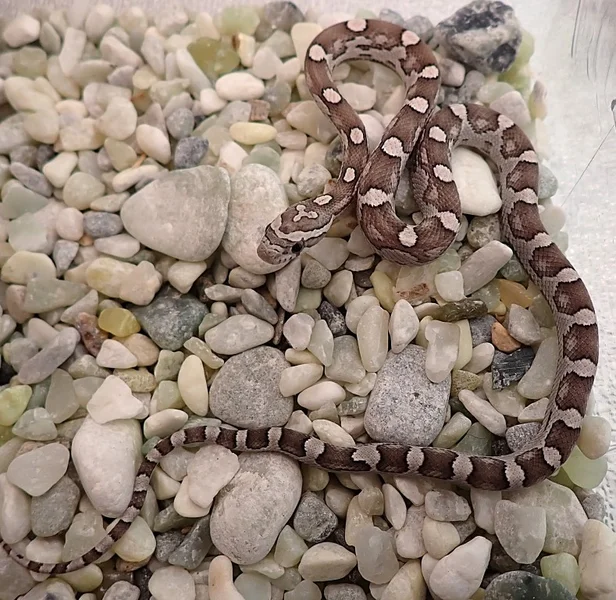
Shop corn snakes for sale from breeders and keepers, from classic normals and Okeetee-type animals to amelanistic, anerythristic, snow and tessera morphs, all in one place.
Showing 1 to 19 of 27 animals
Showing 1 to 19 of 27 animals

Buy one and get 50% off either of the other animals (equal or lesser value). Mention this ad.
Corn snakes are among the most widely kept snakes in the world, loved for their manageable size, gentle nature and seemingly endless color variety. Whether you want your first snake or a new morph for a breeding project, there is a corn to suit you. This guide covers what to expect and how to choose one.
Corn snakes, Pantherophis guttatus, are native to the southeastern United States, including Florida, Georgia, the Carolinas, Tennessee and Kentucky. They live in pine woods, fields, rocky hillsides and around farm buildings, where they hunt rodents and occasionally birds and lizards.
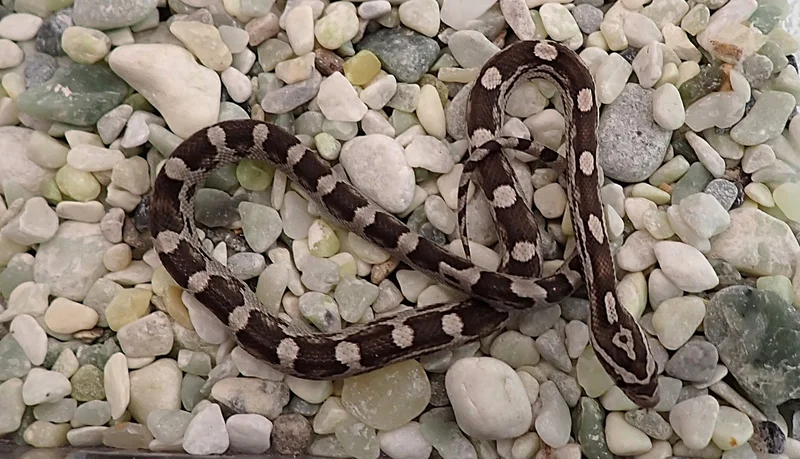
Wild corns show classic orange or reddish saddles bordered in black, with a black and white checkered belly. That belly pattern, which some say resembles kernels of maize, is one of the popular explanations for their name.
Adult corn snakes usually measure about 3 to 5 feet long, with a slender build that makes them easy to handle. Hatchlings are small, often around the length of a pencil, and grow steadily over their first two to three years.
Males and females overlap in size, and growth depends on feeding and individual genetics, so parent photos and sizes are a helpful guide rather than a guarantee.
Their moderate adult size is a big part of their appeal. A grown corn does not need a room-sized enclosure, yet it is large enough to handle comfortably and to show off its colors. Corns are also agile climbers and determined explorers, so a well-fitted lid matters at every age, and hatchlings in particular can slip through surprisingly small gaps.
With good care, corn snakes commonly live 15 to 20 years, and some reach even older ages. That makes a corn a long-term companion, often through several stages of a keeper's life.
Over that time, a simple record of feedings, sheds and weights helps you spot changes early. Many keepers use Husbandry.Pro to keep those logs, along with pairing and clutch records if they decide to breed.
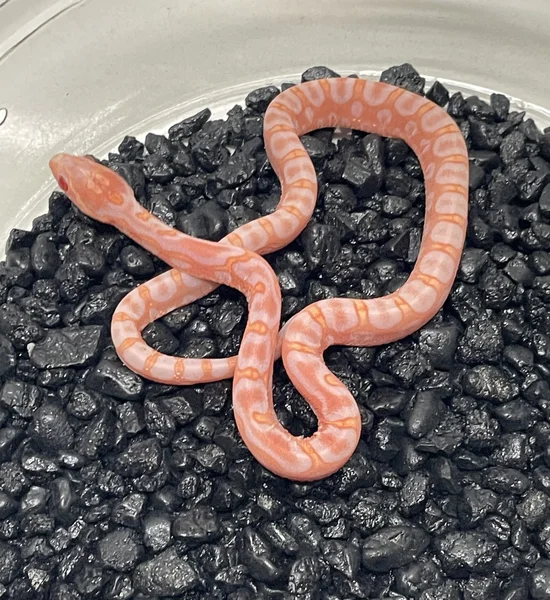
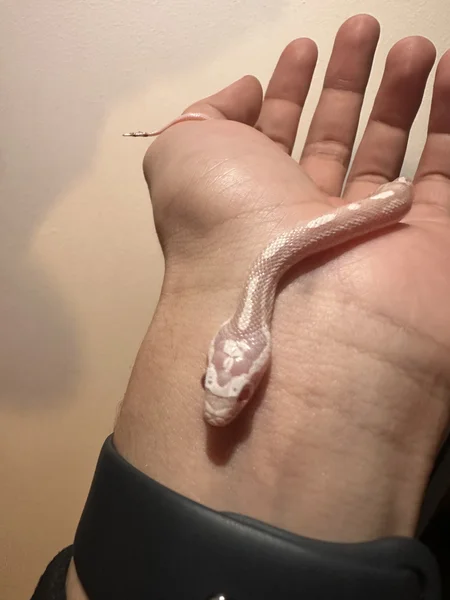
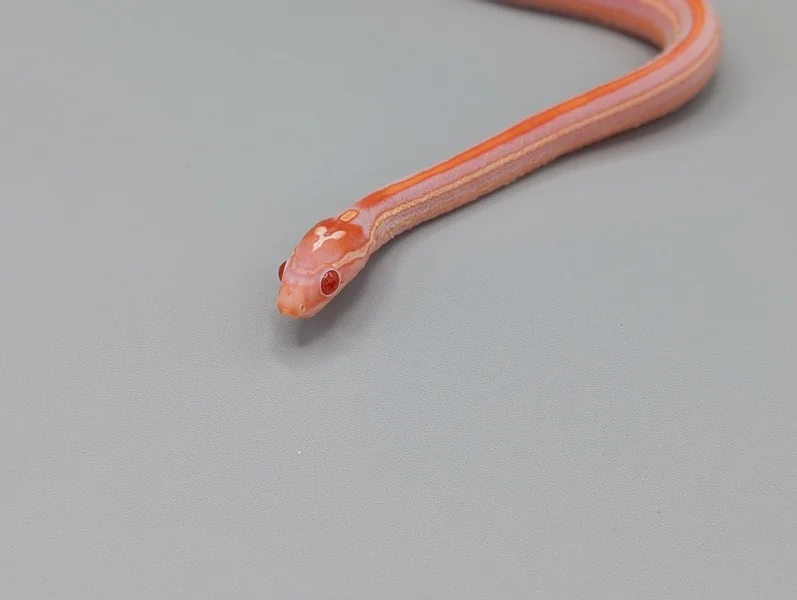
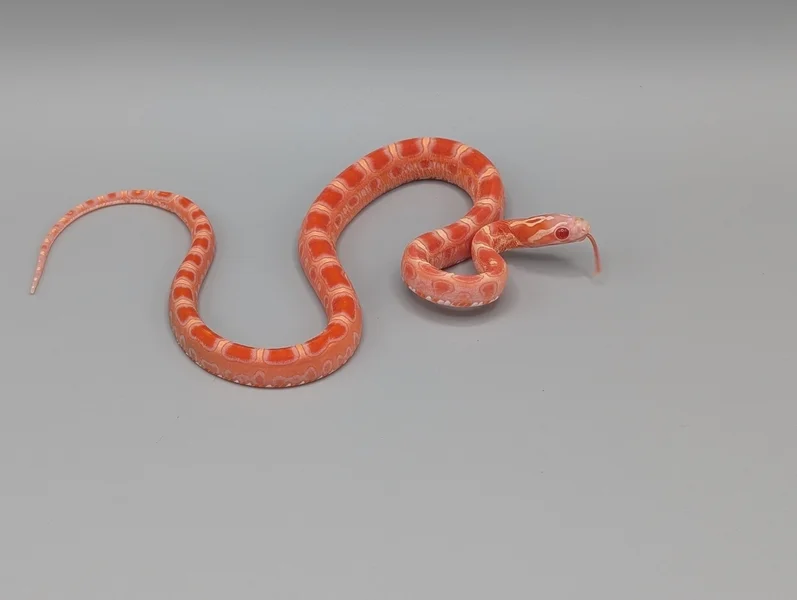
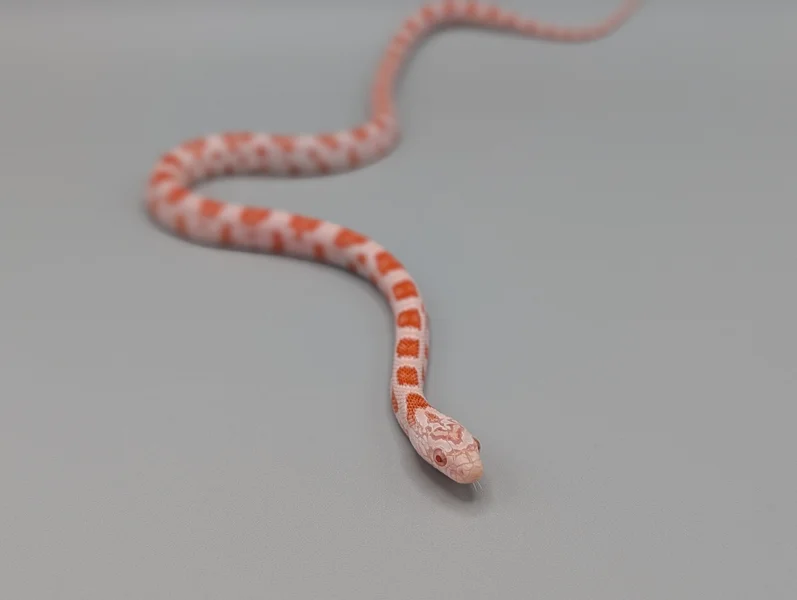
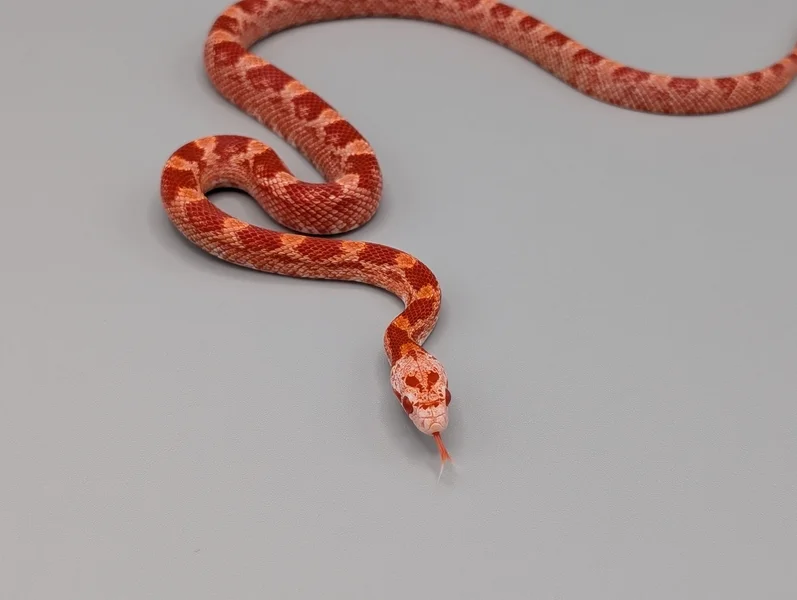
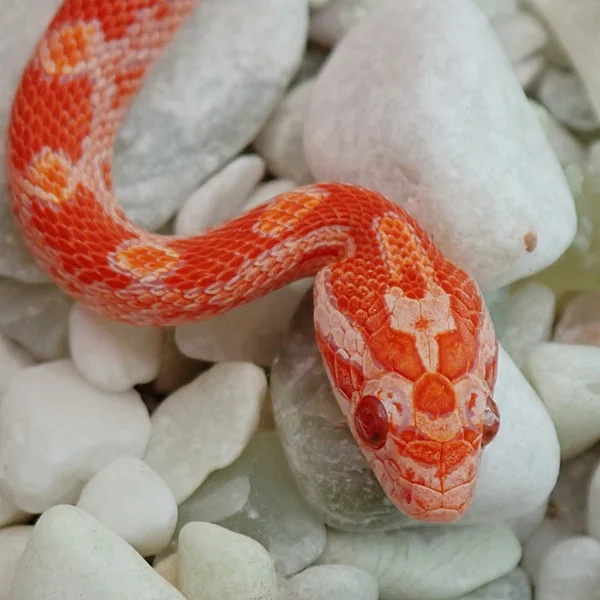
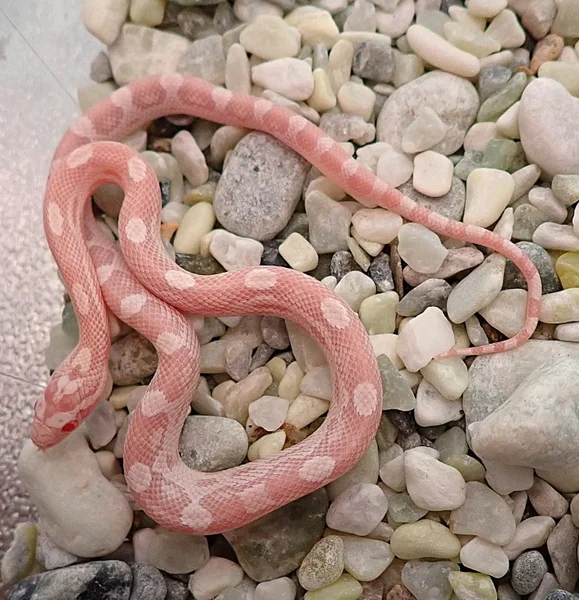
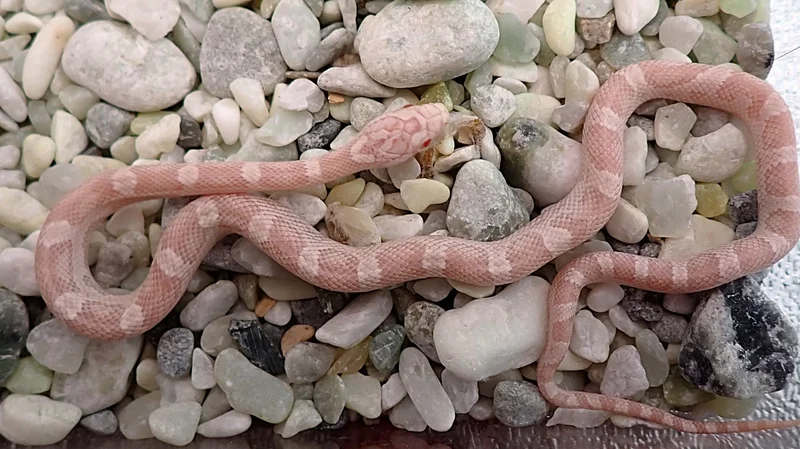
Corn snakes have one of the largest morph libraries of any snake. Amelanistic corns lack black pigment and show bright reds and oranges, while anerythristic corns lack red and appear in grays and blacks. Combine the two and you get the pale, pastel snow corn.
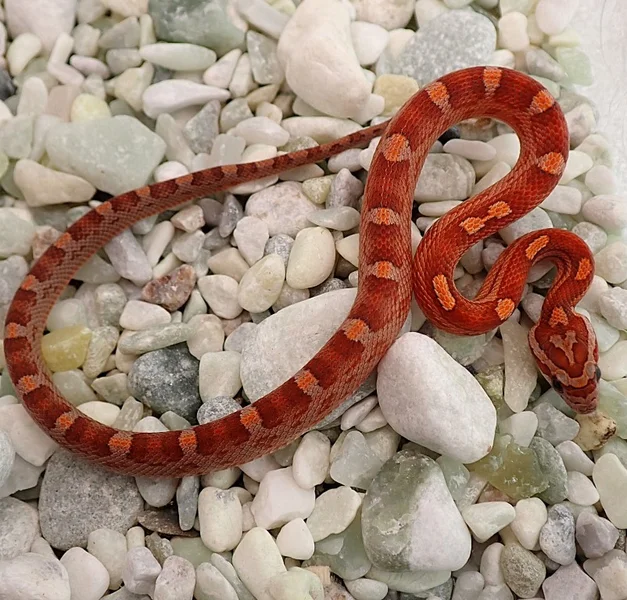
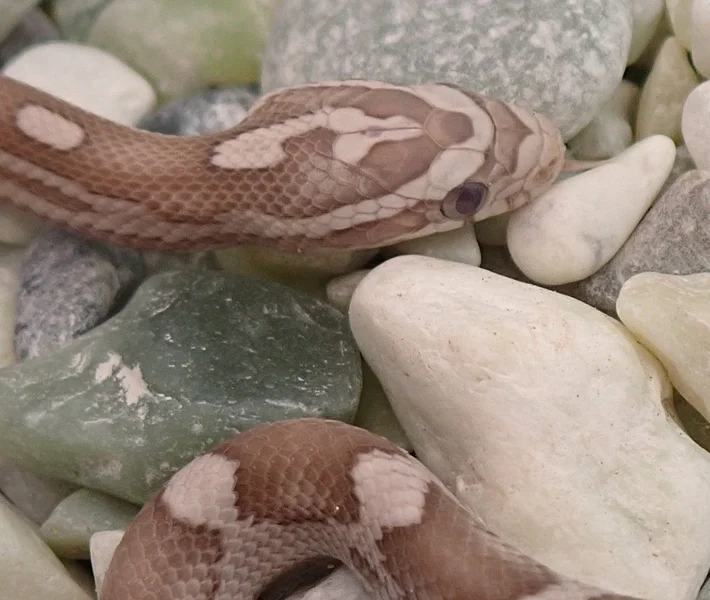
Other well-established morphs include charcoal, caramel, lavender, hypomelanistic, bloodred and the dominant tessera. Pattern morphs such as motley and stripe change the saddles into different shapes. Many keepers also value Okeetee-type corns, which have wide black borders around deep orange saddles in the style of animals from the Okeetee region of South Carolina.
Corn snakes are adaptable. A secure, escape-proof enclosure with hides on the warm and cool sides, some branches for climbing and a water bowl covers the basics. A warm side and a cooler side let the snake regulate its body temperature, and moderate humidity with a humid hide around shed time suits most animals.
They eat mice, with most keepers feeding frozen-thawed prey sized to the snake's girth. Many corns become relaxed and curious with regular handling. The ReptileAds corn snake care guide covers enclosure sizes, temperatures and feeding schedules step by step.
Start with the look that appeals to you, whether that is a classic normal, a bright amel or a pastel snow. Then compare several listings, looking for a hatch date, clear photos and a note on how many meals the snake has taken. A baby that is eating frozen-thawed mice reliably is a great start.
Use built-in chat to ask about the parents, which genes are proven and how shipping or pickup works. Read the seller's profile and reviews on ReptileAds before you agree to a sale. If you are after a specific morph, set a Hit List alert and you will be notified when one is listed.
AI-assisted guide reviewed by the ReptileAds team. General information about these animals — not care, veterinary or legal advice, and not a description of any individual listing above.
Corn snakes, Pantherophis guttatus, are one of the most popular pet snakes, and breeders have produced a huge range of colors and patterns. Here you will find normals alongside amelanistic, anerythristic, snow, charcoal, lavender, tessera, motley and stripe animals, plus many combinations.
Filter by the look you want, then compare hatch dates, photos and feeding notes. For morph projects, ask the seller which genes are visual, which are het and how those het claims were established.
If you enjoy corns, the Rat Snakes, Kingsnakes and Milk Snakes categories offer related colubrids. Save a Hit List alert and ReptileAds will notify you when a corn snake matching your wish list is posted.
ReptileAds gathers corn snake breeders and keepers so you can compare morphs, ages and sellers easily.
Browse listings from many breeders to compare morphs and combinations side by side.
Message sellers through built-in chat to ask about feeding, genetics and shipping.
Tell ReptileAds which morph you want and get notified when a matching corn is listed.
Corn snakes are adaptable and forgiving, which is one reason they are so widely kept.
Read the full ReptileAds corn snake care guide for step-by-step setup advice.
These questions help you pick a healthy, well-started corn.