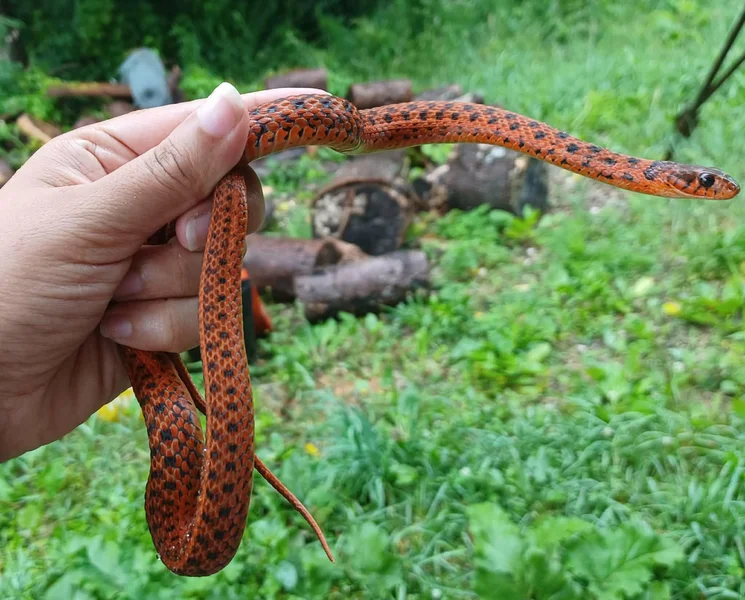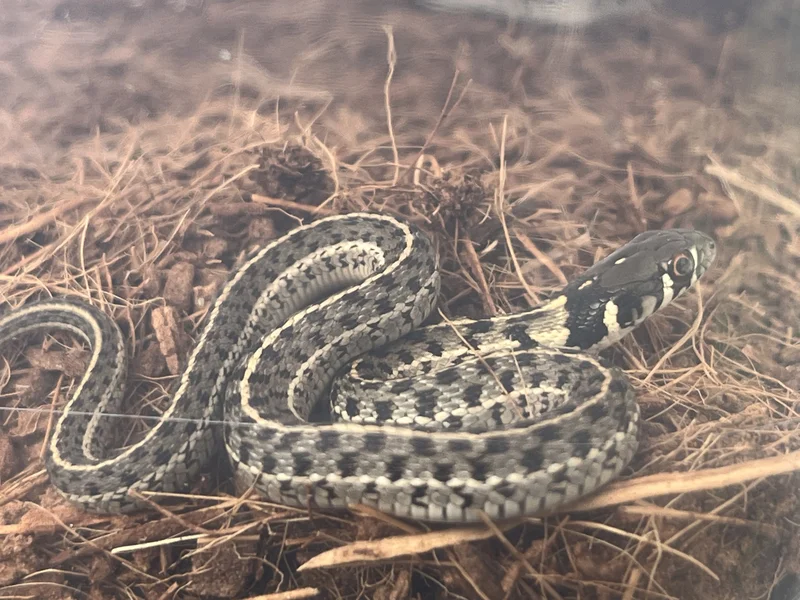
Browse garter snakes for sale from breeders and keepers, including checkered, eastern and red-sided garters. These active, daytime snakes are fun to watch and easy to house.
Showing 1 to 2 of 2 animals
Showing 1 to 2 of 2 animals

Watch Now!!!
Garter snakes are among the most familiar snakes in North America, and captive-bred garters make lively, curious pets. Unlike many snakes, they are active during the day, so you get to see them explore, bask and hunt. This guide covers the species commonly kept, what they eat and how to pick one.
Garter snakes belong to the genus Thamnophis and range from southern Canada to Costa Rica. The checkered garter snake is one of the most popular in the hobby, admired for its bold checkerboard pattern and adaptable appetite. Eastern garters and red-sided garters, with their vivid red flanks, are also widely kept.
Breeders have also established color morphs such as albino and anerythristic lines, particularly in checkered garters. Because several garter species and subspecies are protected in parts of their range, captive-bred animals from established lines are the usual choice, and checking your local rules is always wise.
Garter snakes vary in size depending on species, from about 18 inches up to roughly 54 inches for the largest. Many of the commonly kept kinds stay around 2 to 3 feet, with a slim build and a relatively small head.
Their modest size means an adult can live in a reasonably sized enclosure, though garters appreciate more room to roam than many snakes of similar length because they are so active.
In the wild, garters eat fish, frogs and other amphibians, earthworms, slugs and sometimes small rodents. In captivity, diets vary by keeper. Some feed appropriate fish and earthworms, while many breeders switch their snakes onto rodent-based meals, sometimes scented with fish at first.
Garters often eat more frequently than rodent-only snakes, and keeping a log helps you stay consistent. Many keepers use Husbandry.Pro to track meals, sheds and weights, which is handy with a species that eats a mix of foods. The ReptileAds care guide explains diet options in more detail.
Garter snakes commonly live 10 to 15 years in captivity. They do best in a secure enclosure with a warm basking area, a cooler side, several hides and a regular day-night light cycle that suits their daytime routine. A water dish is important, but the substrate should stay mostly dry.
Many garters are wriggly and quick when young, and some release a musky scent when first picked up. With short, regular handling, many become comfortable being held.
Look for listings that name the species, give a hatch or birth date and describe exactly what the snake is eating. Garters give birth to live young, often in sizable litters, so you may see several siblings from the same breeder.
Use built-in chat to ask about diet, parents and shipping or pickup, and read the seller's profile and reviews on ReptileAds. Check local rules for native species first, then set a Hit List alert if you are waiting for a particular morph or species.
AI-assisted guide reviewed by the ReptileAds team. General information about these animals — not care, veterinary or legal advice, and not a description of any individual listing above.
Garter snakes belong to the genus Thamnophis, a large group of North and Central American snakes known for their stripes and busy daytime habits. Listings here commonly include checkered garters, eastern garters and red-sided garters, along with color morphs such as albino and anerythristic animals.
Diet is the most important thing to ask about. Some garters eat fish or worms while others have been switched to rodent-based meals, so find out exactly what the snake is taking before you buy.
Native species can be regulated differently from state to state, so check your local rules. For other small colubrids, try the House Snakes and Hognose Snakes categories, or set a Hit List alert for new garter listings.
ReptileAds helps you find captive-bred garter snakes from breeders and keepers across the marketplace.
See checkered, eastern, red-sided and morph garters side by side in one category.
Use built-in chat to confirm what each snake is eating before you commit.
Read the ReptileAds garter snake care guide to plan your setup while you shop.
Garters are active by day and like to explore, so their setup is a little busier than many snakes'.
The ReptileAds garter snake care guide explains diet and setup in detail.
Asking these questions helps you pick a garter that settles in well.