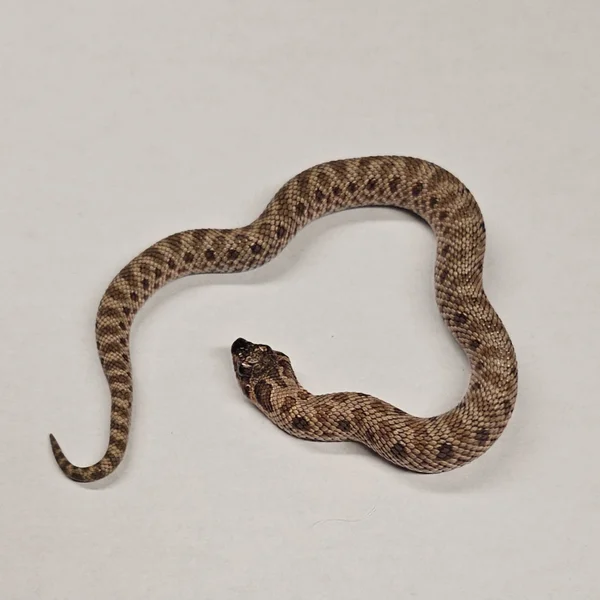
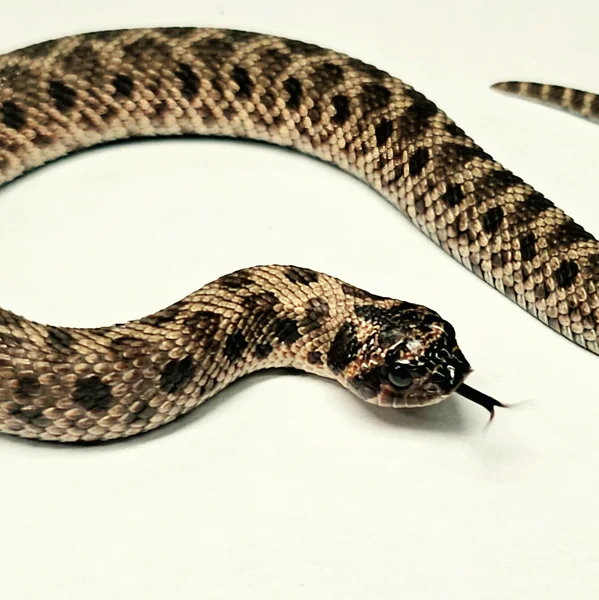
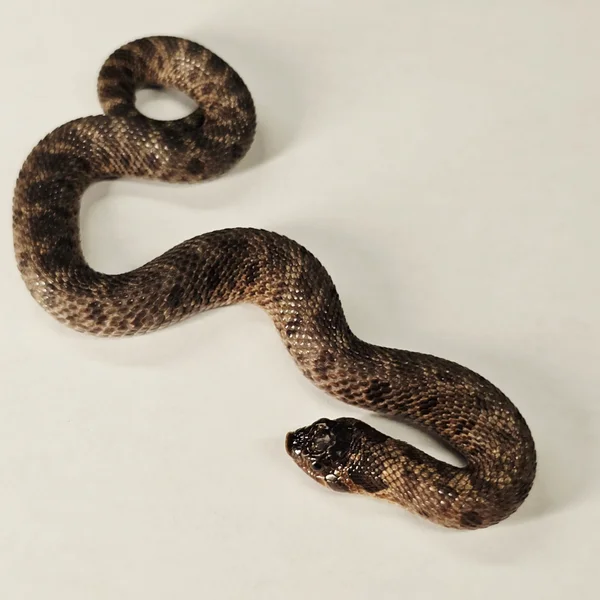
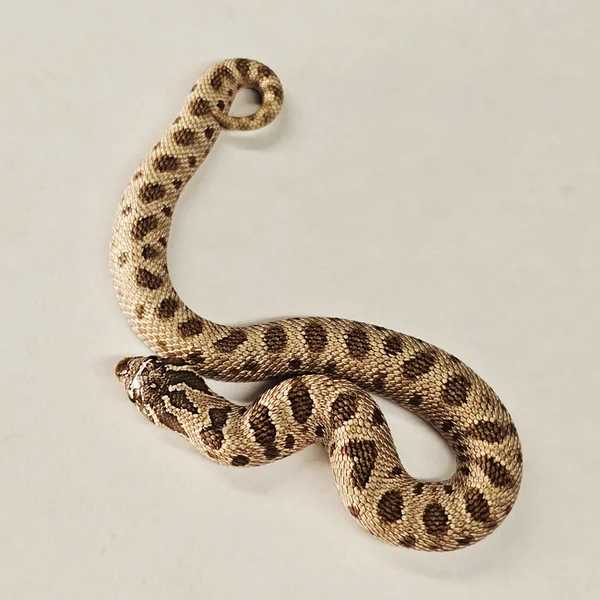
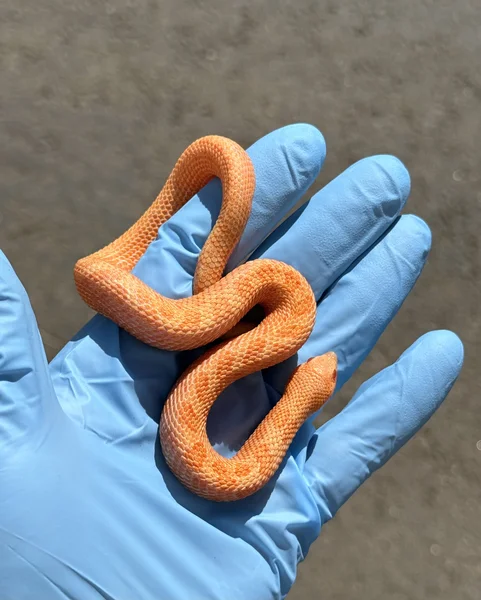
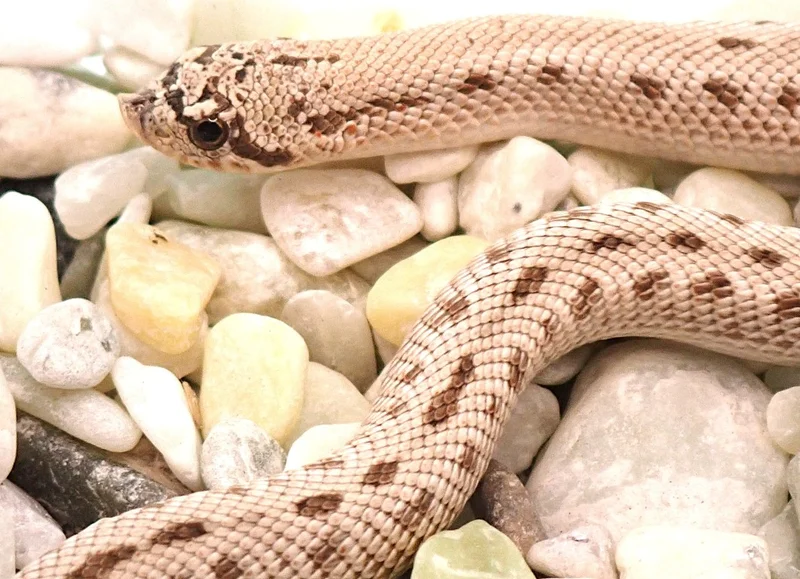
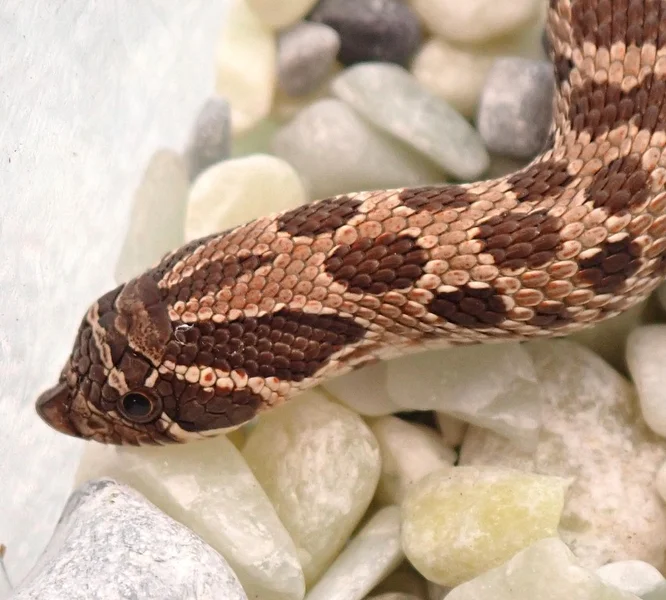
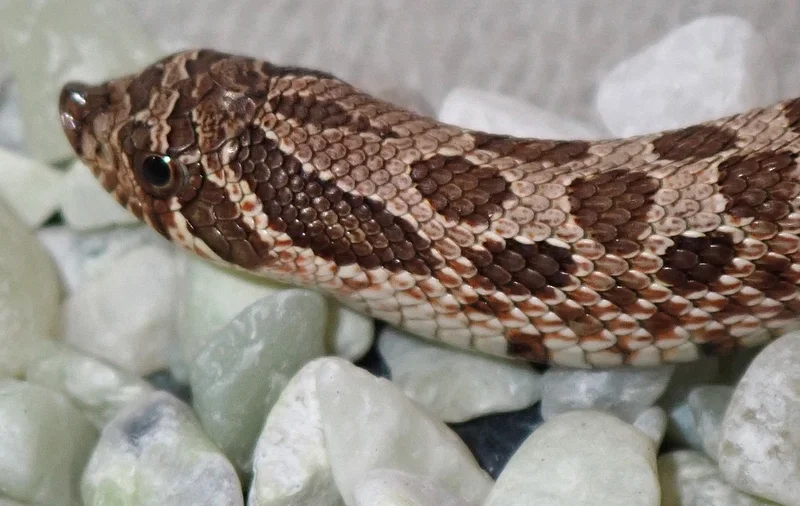
Shop western hognose snakes for sale from breeders and keepers across the country, from classic normals to albino, anaconda and arctic morphs, and message sellers directly before you buy.
Showing 1 to 19 of 226 animals
Showing 1 to 19 of 226 animals

Proudly Support Vets & 1st Responders
The western hognose (Heterodon nasicus) is a stout little snake from the plains of the central and western United States, known for its upturned snout and theatrical defensive routine. It stays small, fits in a modest enclosure and has become one of the most popular colubrids in the hobby. This guide covers size, lifespan, feeding and what to look for when you buy one.
Western hognoses are among the smaller pet snakes. Adults typically measure 2 to 3 feet in total length, but that range hides a big difference between the sexes. Females grow longer and much heavier, while many males finish growing somewhere under 2 feet and stay slender.
That dimorphism matters when you shop. A breeding female needs a larger enclosure and larger meals over her life, while a male can live comfortably in a smaller setup. Hatchlings of both sexes start out only a few inches long and grow steadily through their first two to three years.
A healthy western hognose commonly lives 10 to 15 years in captivity, and some keepers report snakes that go longer. That makes one a real commitment, though a manageable one, since their space and feeding needs stay modest for their whole life.
Consistent husbandry is what gets a hognose to old age: a stable temperature gradient, sensible meal sizes that avoid obesity, and a clean enclosure. Keeping notes is useful over a span that long, and Husbandry.Pro gives you a simple way to log feedings, sheds and weights so you can spot changes in appetite or growth early.
In the wild, western hognoses eat a varied menu of small rodents, lizards, amphibians and reptile eggs. In captivity most are fed mice, and the majority of captive-bred animals take frozen-thawed prey without fuss. Hatchlings usually start on pinky mice and move up in size as they grow, with each meal roughly as wide as the widest part of the snake's body.
Some young hognoses are hesitant at first, and breeders sometimes scent a mouse to get a hatchling started. That is why it helps to buy a snake that is already eating on its own. Hognoses have enlarged rear teeth and an enthusiastic feeding response, so offering food with tongs rather than fingers is a sensible habit.
Many keepers also notice that western hognoses slow down or skip meals in the cooler months. Adults are often brumated before breeding, and a seasonal dip in appetite is common. Your breeder can tell you what their animals typically do.
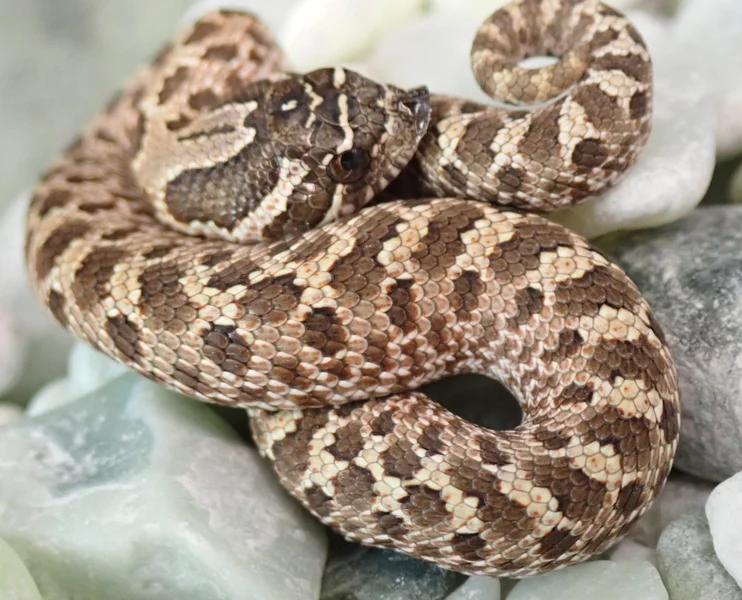
The western hognose is famous for bluffing. When startled it may flatten its neck into a hood, hiss loudly and make closed-mouth strikes. If that does not work, it may roll onto its back, open its mouth and lie still as if dead, sometimes flipping itself back over if you right it.
This behavior is mostly show, and it is strongest in young snakes. With gentle, regular handling most western hognoses become calm and curious. Scooping from below instead of grabbing from above helps them settle faster.
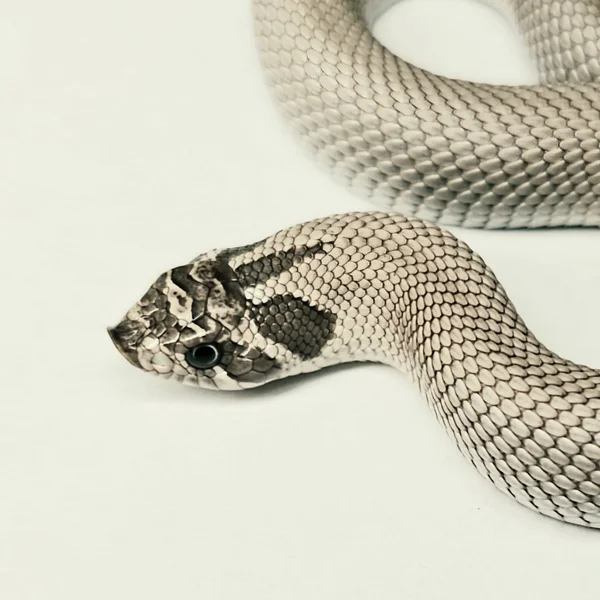
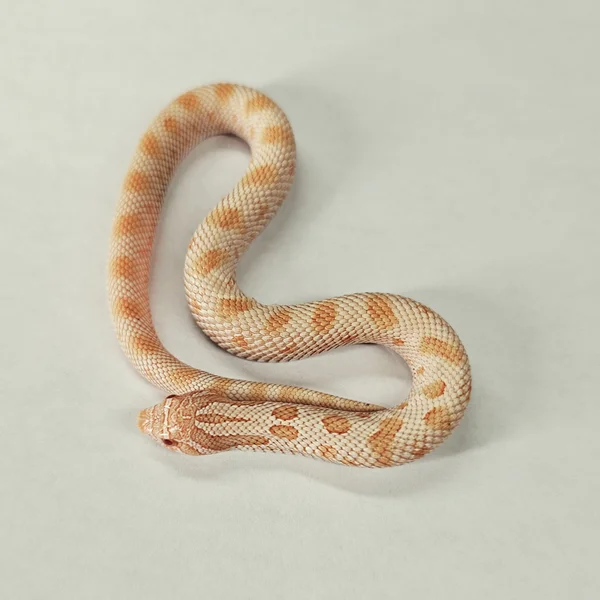
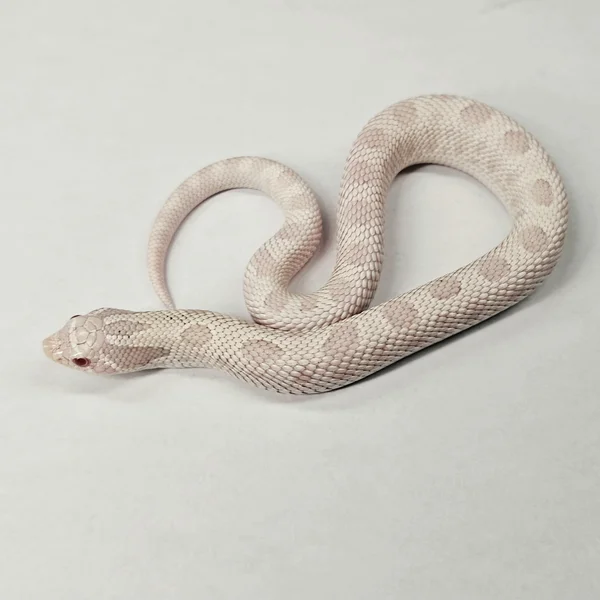
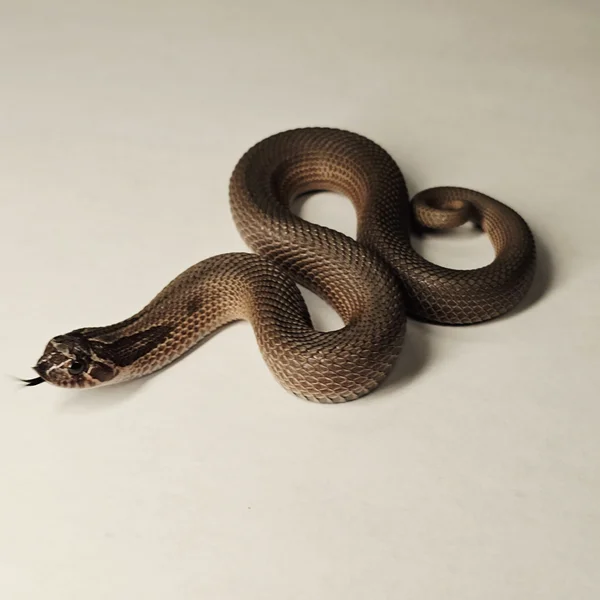
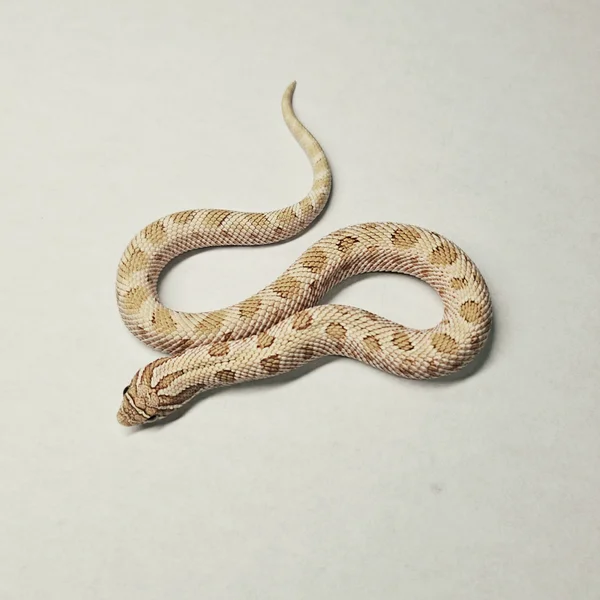
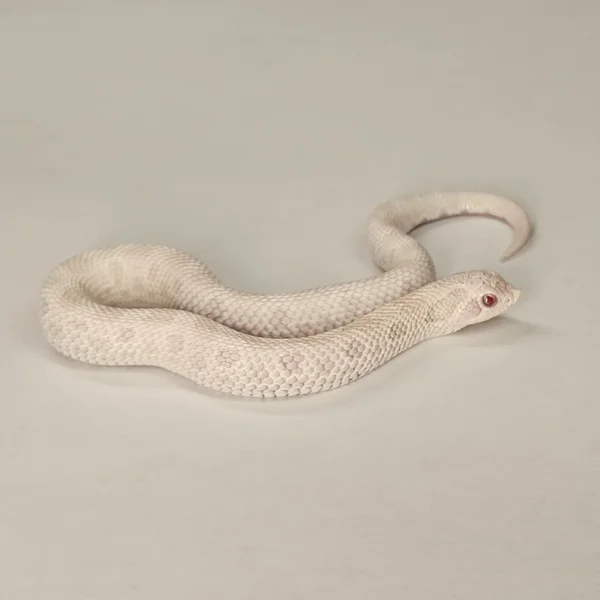
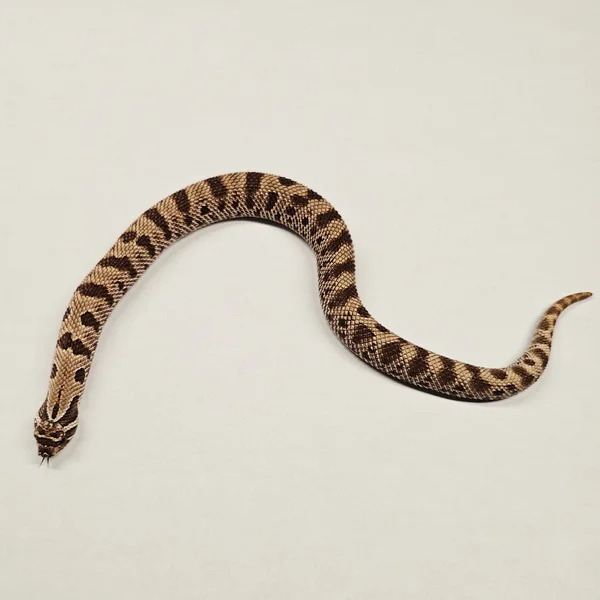
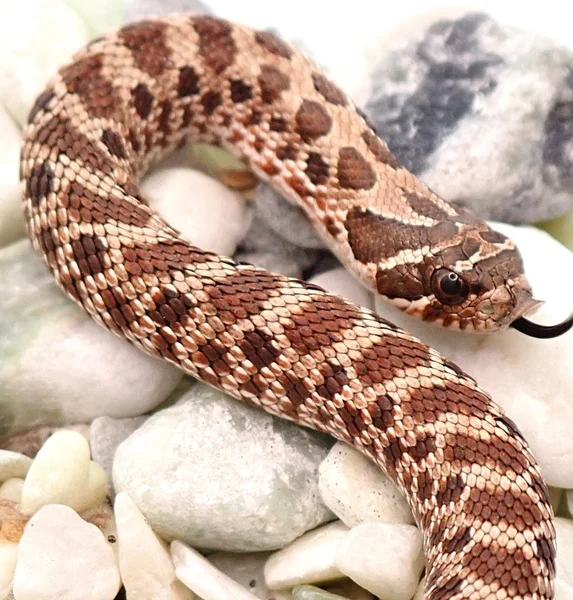
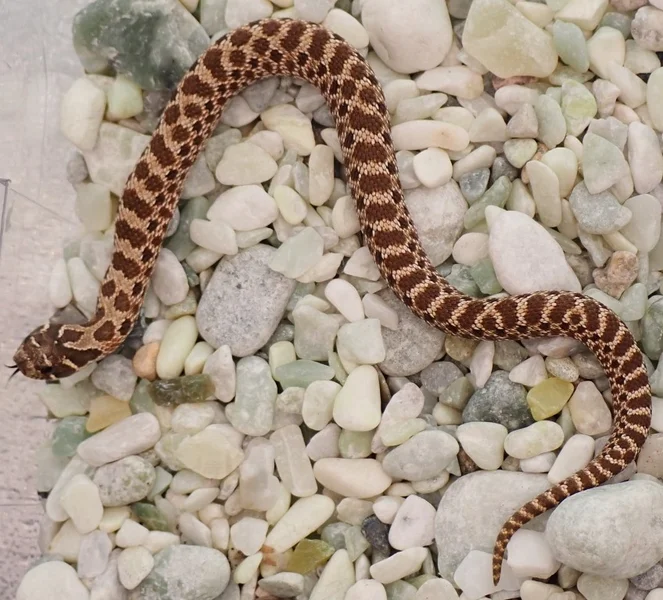
Selective breeding has produced a wide range of western hognose morphs. Among the best-established are albino, which removes black pigment; anaconda, an incomplete dominant gene that reduces pattern, with the two-copy superconda often patternless; arctic, which adds contrast and gray tones; and toffee, lavender and axanthic, each shifting color in its own way.
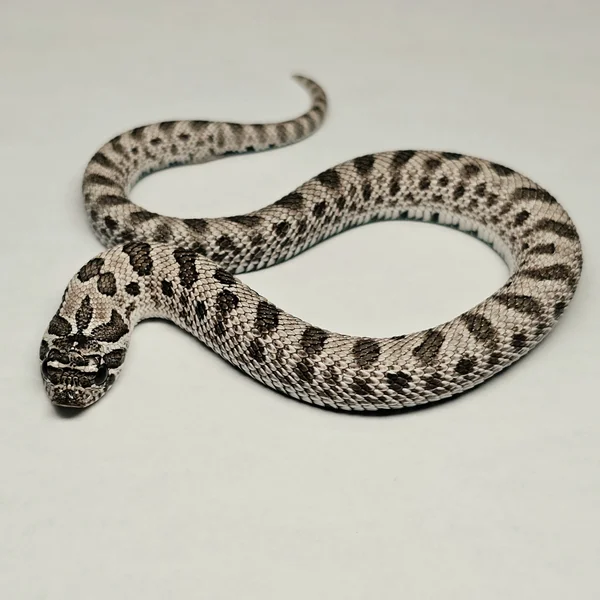
These genes are combined into many multi-gene animals, and naming can vary between breeders. Wild-type normals remain popular too, with their warm tan base and dark blotches. If genetics matter to you, ask the seller to spell out which genes are visual and which are possible hets.
Start by deciding what you want: a pet-quality normal, a specific morph for a project, or an adult female for breeding. Then browse the western hognose category and use the filters to narrow by sex, age and genetics. Compare several listings side by side before settling, paying attention to photos, hatch dates and the seller's notes on feeding.
Message sellers through built-in chat to ask how many meals the snake has taken, what it is eating, and how it will be shipped or handed off. Check each seller's profile and reviews, and save a Hit List alert if the animal you want is not listed yet. If you are new to the species, read the ReptileAds care guide first so your enclosure is ready before your hognose arrives.
AI-assisted guide reviewed by the ReptileAds team. General information about these animals — not care, veterinary or legal advice, and not a description of any individual listing above.
This category brings together western hognose snakes listed by hobby breeders and dedicated hognose projects. You will see hatchlings, juveniles and proven adults, in everything from wild-type normals to multi-gene combinations built on albino, anaconda, arctic, toffee and lavender.
Use the filters to narrow by sex, age and genetics, then open a listing to read the full description, the seller's notes on feeding and the photos. Because hognoses are sexually dimorphic, check whether a listing is a small male or a larger female before comparing.
Found a line you like? Message the seller through built-in chat to ask about feeding records and parentage, check their profile and reviews, and set a Hit List alert so you hear about new western hognoses that match your search.
ReptileAds gathers western hognose listings from breeders and keepers in one place, so you can compare lines, genetics and sellers side by side.
Compare normals, single-gene animals and multi-gene projects in one grid. Filter by genetics to focus on the combinations you are building toward.
Use built-in chat to ask about feeding history, hatch dates and parent animals before you commit. Good hognose breeders are happy to share their notes.
Looking for a specific morph or a female of a certain size? Save a Hit List alert and get notified when matching western hognoses are listed.
Western hognoses are compact, burrowing snakes whose needs are simple once the setup is right. Here is the general picture:
For full temperature ranges, brumation notes and feeding charts, read the ReptileAds western hognose care guide.
A few questions to ask the seller will tell you a lot about the snake you are considering:
Clear photos from the top and belly, plus a recent feeding log, make it much easier to compare listings fairly.