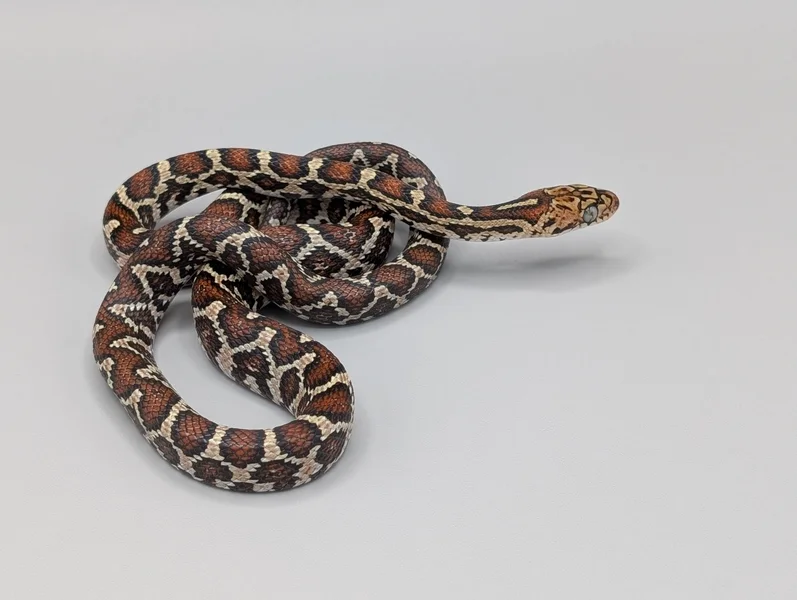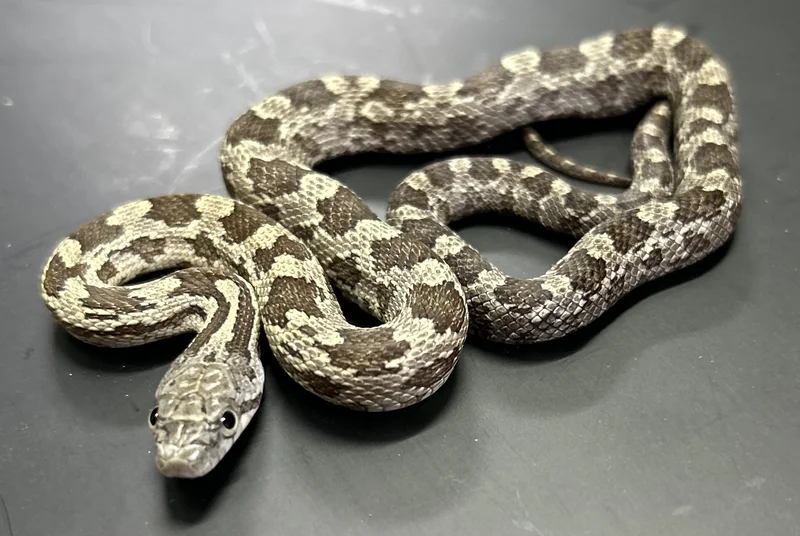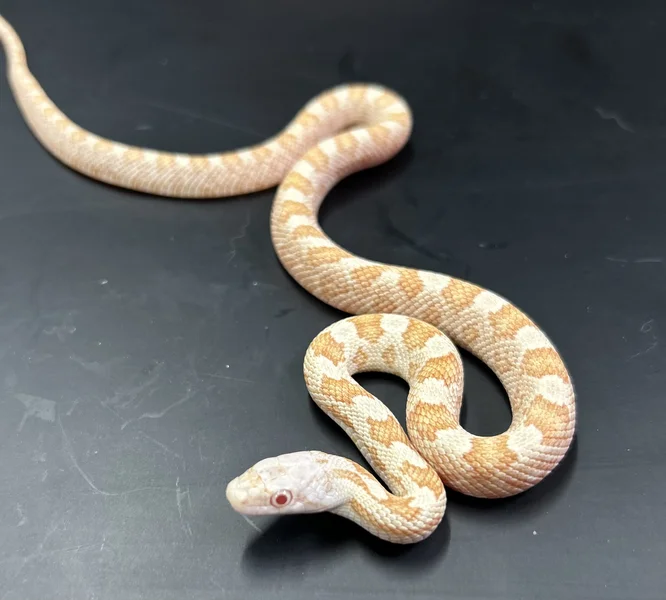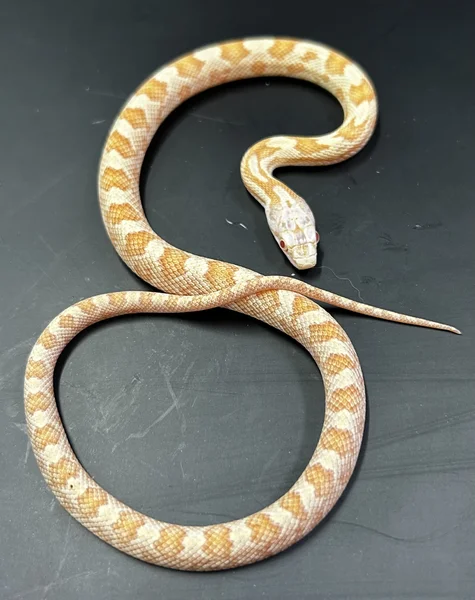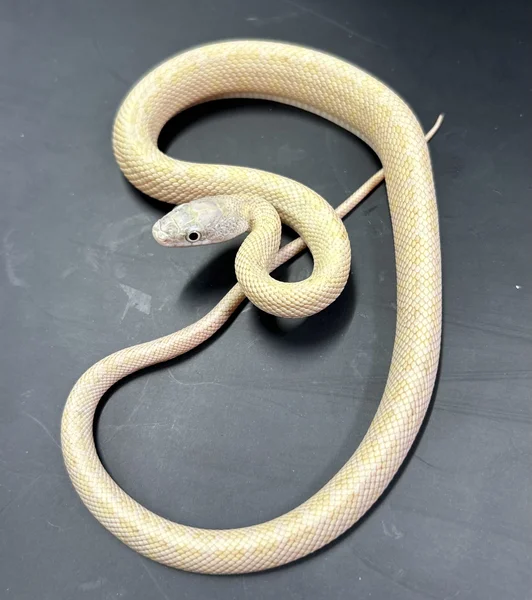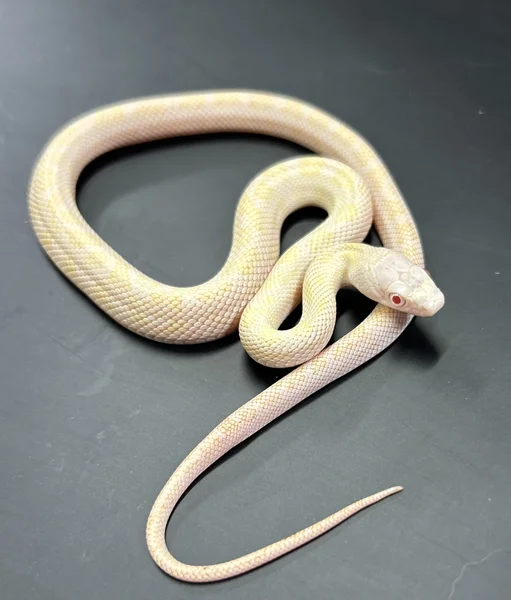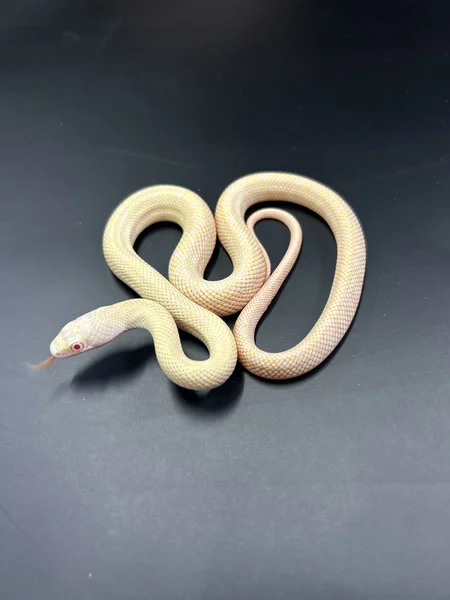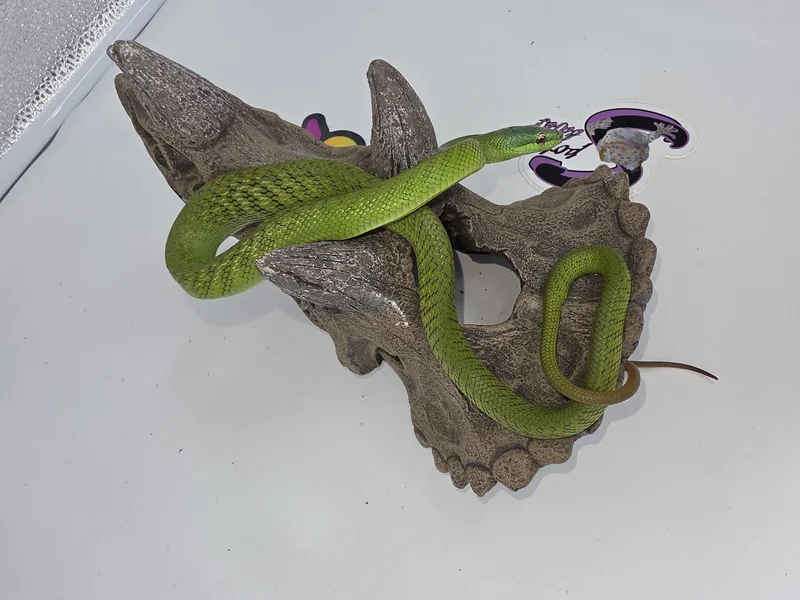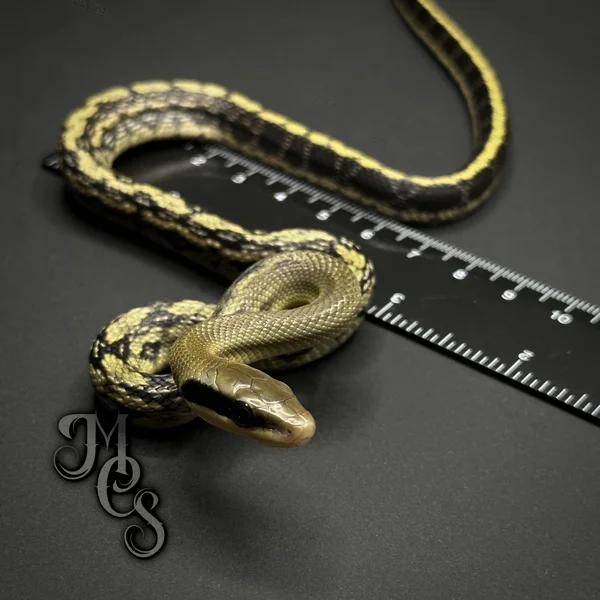
Browse rat snakes for sale from breeders and keepers, including Texas, black, yellow and gray rat snakes in natural and leucistic forms, and chat with sellers before you buy.
Showing 1 to 9 of 9 animals
Showing 1 to 9 of 9 animals

Watch Now!!!
Rat snakes are hardy, active North American colubrids that have been kept by hobbyists for generations. They climb well, eat readily and come in a range of species and color forms, from glossy black adults to the white leucistic Texas rat. This guide explains the main types, how big they get, how to house them and what to ask before you buy.
The North American rat snakes belong to the genus Pantherophis, which also includes the corn snake. Corn snakes have their own category on ReptileAds, so this category focuses on the larger rat snakes. The ones most often kept are the black rat snake, the Texas rat snake, the yellow rat snake, the gray rat snake and the Everglades rat snake, each with its own look and natural range.
The taxonomy of these snakes has been revised more than once, and you will see both older subspecies names and newer species names used in listings. The common names are usually the most reliable guide. Some keepers also use the term rat snake for Old World species such as beauty snakes, and those animals may turn up here as well.
If you are browsing colubrids more broadly, the sibling categories cover corn snakes, kingsnakes, milk snakes, hognose snakes, garter snakes, house snakes, and gopher and pine snakes.
Rat snakes are medium to large colubrids. Most adults measure 3 to 6 feet depending on the species, with black and Texas rat snakes typically at the upper end and gray and yellow rats somewhere in the middle. They are long and fairly slender rather than heavy-bodied, which makes even a large adult manageable to handle.
Hatchlings are small, often around a foot long, and grow quickly in their first few years with regular meals. Plan the adult enclosure early, because a rat snake will outgrow a starter tub faster than many buyers expect.
Rat snakes are long-lived, commonly reaching 10 to 20 years in captivity with good care. That lifespan is one reason they are valued as companion animals, but it also means planning for a snake that may be with you for two decades.
Over that kind of timeline it helps to track how your snake is doing. Husbandry.Pro lets you record feedings, sheds and weights in one place, which makes it easy to notice a skipped meal pattern or a slow shed and compare against earlier years.
Because rat snakes are natural climbers, most keepers give adults an enclosure with both floor space and height. Sturdy branches, cork rounds and shelves let the snake use the vertical space, and at least two hides, one on the warm side and one on the cool side, give it secure places to rest.
A thermal gradient with a warm basking area and a cooler end lets the snake regulate its temperature. Moderate humidity and a water bowl it can soak in support healthy sheds. Rat snakes are also strong and inquisitive, so a secure, lockable lid or door is essential. The ReptileAds care guide goes into specific temperatures and substrate options.
Wild rat snakes eat rodents, birds, eggs and other small animals. In captivity, frozen-thawed mice are the standard for juveniles, and adults move up to rats or larger mice. Most rat snakes have a strong feeding response and take prey readily, which is part of their reputation as easy keepers.
Young rat snakes can be jumpy and may musk or nip when first handled. With short, regular sessions most grow into calm, curious adults that explore your hands and arms. Handling a snake from below and letting it move through your hands usually works better than holding it tightly.
Decide first which species appeals to you, since adult size and color vary between them. Then browse the category, filter by sex, age and genetics, and compare several listings. Look for clear photos and, where possible, pictures of the parents, because many rat snakes change color and pattern considerably as they grow.
Use built-in chat to ask the seller what the snake is eating, how often, and whether it has taken frozen-thawed prey consistently. Check seller profiles and reviews, and save a Hit List alert if you are waiting for a specific form such as a leucistic Texas rat. Having the enclosure set up and running before the snake arrives gives it the best possible start.
AI-assisted guide reviewed by the ReptileAds team. General information about these animals — not care, veterinary or legal advice, and not a description of any individual listing above.
The rat snake category collects Pantherophis rat snakes and related species listed by breeders and keepers. Expect to see Texas, black, yellow, gray and Everglades rat snakes, from wild-type animals to well-known forms such as leucistic Texas rats and albino black rats.
Filter by sex, age and genetics to narrow the grid, then open listings to compare photos, hatch dates and feeding notes. Since some rat snakes change color considerably as they mature, ask for photos of the parents when adult appearance matters to you.
Use built-in chat to ask sellers about feeding and temperament, check their profiles and reviews, and set a Hit List alert to be notified when a rat snake matching your search goes up.
ReptileAds puts rat snake listings from many breeders and keepers in one searchable marketplace.
Compare Texas, black, yellow and gray rat snakes and their color forms without jumping between sources.
Message sellers through built-in chat to ask about feeding, shedding and the snake's parents before you decide.
Check each seller's profile and reviews from other buyers so you can shop with more context.
Rat snakes are active, curious climbers that do well with a roomy, well-furnished enclosure. In general terms:
For detailed temperature ranges and feeding schedules, see the ReptileAds rat snake care guide.
Good questions up front make it easier to pick the right rat snake:
Photos of the parents are especially helpful with rat snakes, since juveniles often look quite different from adults.