
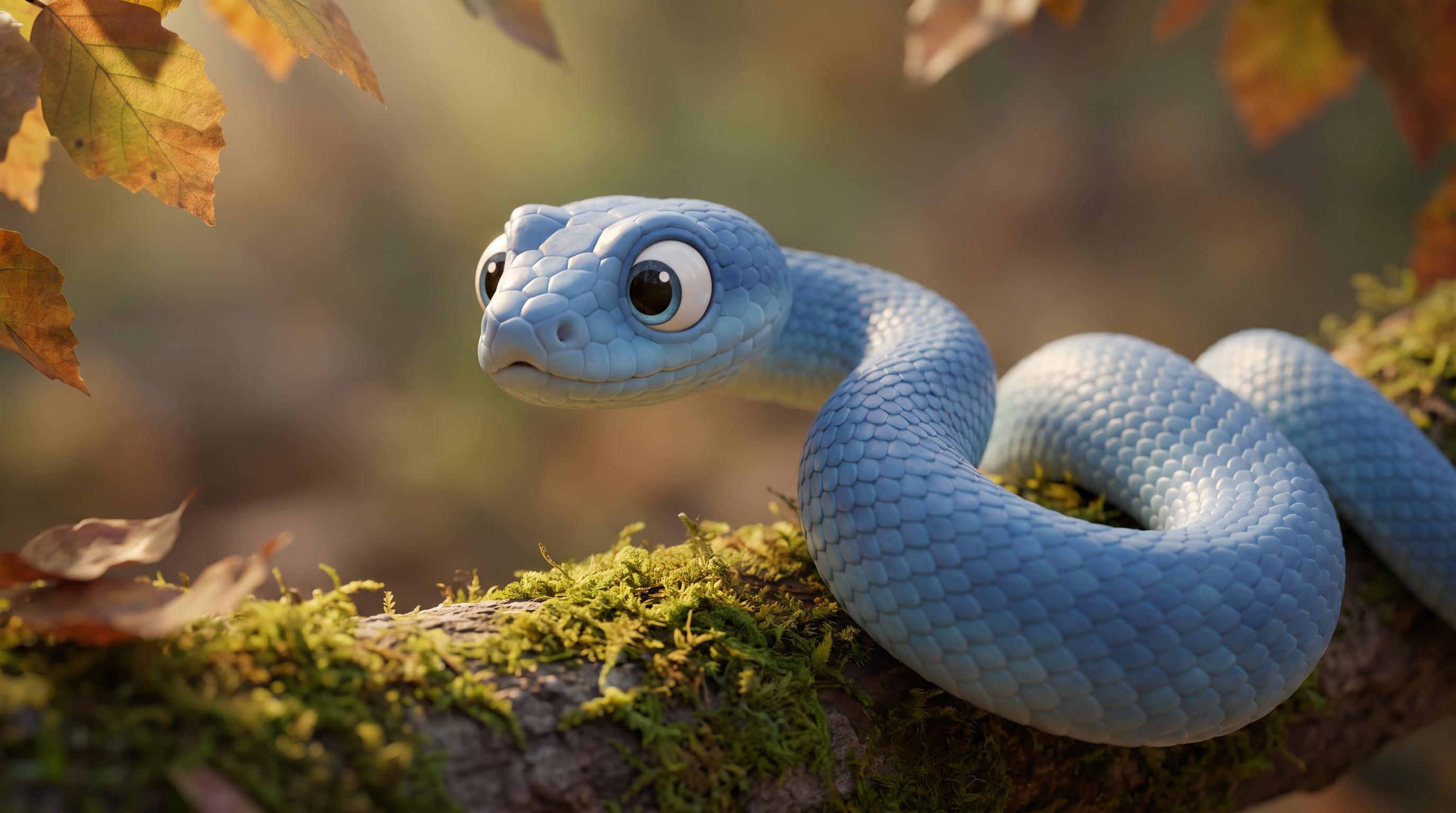
Plenty of keepers can trace their first reptile interest back to a scene on screen, but turning that fascination into an actual pet reptile inspired by movies means matching the fantasy to a species with sane care requirements, legal availability, and a temperament that survives contact with a real household. This guide maps the most-requested on-screen reptiles to species you can responsibly keep, and flags where the Hollywood version and the biological reality diverge sharply enough to matter.
What real snake is closest to Nagini from Harry Potter?
The closest legal, keepable answer to a pet snake like Harry Potter's Nagini is a ball python (Python regius), not a reticulated python, despite reticulated pythons being used in some film depictions of giant serpents. Ball pythons stay in the 3 to 5 foot range, feed readily on appropriately sized rodents every 1 to 2 weeks as adults, and tolerate handling well once established — none of which is true of the large constrictors sometimes imagined for this role. Reticulated pythons and Burmese pythons can exceed 12 feet and require secure, latched enclosures and, for safety, a second person present at feeding and cleaning; they are also regulated in some areas, so check the rules where you live before you shop. They are not a reasonable stand-in for a fictional companion snake regardless of how the visual comparison feels.
The practical setup for an adult ball python is a front-opening enclosure of at least 4 x 2 x 1 feet, a warm surface of 88 to 92°F under a thermostat-controlled heat source, a cool end around 78 to 80°F, and ambient humidity of roughly 55 to 65 percent, raised toward 70 percent when the animal goes opaque before a shed. Two snug hides, one at each end, matter more than floor space: a ball python with only one warm hide will often choose the correct temperature over the correct security and end up sitting in the open, which reads as "tame" and is actually stress.
If it is Nagini's dark, near-black look you are chasing rather than the character, that is a morph question. Cinnamon, black pastel and their combinations give you a genuinely dark-bodied snake, and pairings are worth modelling before you commit to a purchase — the morph genetics calculator will show you what a given pairing can and cannot produce.
Which lizard actually gives you the movie-dragon look?
For most people asking about dragons on screen, the answer is a bearded dragon (Pogona vitticeps): 18 to 24 inches of spiky, broad-headed lizard that basks in the open, watches the room, and is genuinely handleable. Adults need a minimum of 4 x 2 x 2 feet, a basking surface of 100 to 107°F measured with a probe or infrared thermometer on the surface itself rather than in mid-air, a cool end of 75 to 85°F, and a linear T5 high-output UVB tube spanning roughly two thirds of the enclosure length. Coil bulbs and "basking bulbs" sold as combination products do not do the same job, and the most common bearded dragon failure by a wide margin is a nominally healthy animal kept for a year under inadequate UVB.
If you want something closer to a miniature monitor — the "raptor" energy of dinosaur films — an Ackie monitor (Varanus acanthurus) is the realistic entry point at roughly 24 to 28 inches. They want a hotter basking surface than a beardie, in the 130 to 150°F range on rock or tile, a cool end in the low 80s, and 12 or more inches of holding substrate they can dig and tunnel in. That substrate depth is not decoration; shallow-substrate Ackies pace glass and stop displaying the digging and ambush behaviour that makes them worth keeping. Large monitors like water monitors or Nile monitors look like the film version and are a poor first choice — adult strength and feeding response make them a specialist animal.
Can you keep a chameleon like Rango?
Yes, and veiled chameleons (Chamaeleo calyptratus) are the species almost everyone ends up with, but the honest framing is that they are a display animal rather than a handling animal. A single adult male needs a tall screen enclosure of at least 24 x 24 x 48 inches, ambient temperatures of 72 to 80°F with a basking spot around 85°F, a meaningful night-time drop, and UVB from a linear tube positioned above the screen with the gradient in mind.
Hydration is where chameleons are lost. They generally do not drink from standing bowls, so water has to arrive as moving droplets from a dripper or a misting cycle, and the enclosure needs to dry out fully between sessions — permanently wet, poorly ventilated chameleon cages cause respiratory problems. Sunken eyes, orange-tinged urates or a chameleon sitting with its mouth open are signs to book an exotics vet rather than adjust the misting schedule and hope.
How do the movie-match species compare on care?
| Species | Adult size | Minimum adult enclosure | Warm end / basking | Experience level |
|---|---|---|---|---|
| Ball python | 3–5 ft | 4 x 2 x 1 ft | 88–92°F surface | Beginner |
| Corn snake | 3–5 ft | 4 x 2 x 1 ft | 85–88°F surface | Beginner |
| Bearded dragon | 18–24 in | 4 x 2 x 2 ft | 100–107°F basking surface | Beginner |
| Veiled chameleon | 14–24 in (males larger) | 24 x 24 x 48 in screen | 85°F basking, 72–80°F ambient | Intermediate |
| Ackie monitor | 24–28 in | 4 x 2 x 2 ft (larger preferred) | 130–150°F basking surface | Intermediate |
Corn snakes deserve a mention on their own account: if the on-screen snake you liked was a slim, patterned, fast-moving animal rather than a heavy constrictor, a corn snake is the better match and the easier feeder. Species-by-species numbers, including juvenile feeding schedules and supplement routines, are set out in the species care guides.
How do you tell a reputable reptile seller from a risky one?
The useful questions are specific and about records. Ask for the hatch date, the current weight in grams, the last three feeding dates and what prey type and size the animal took, and the most recent shed date. A breeder who tracks their collection answers all four without hesitating. Vague answers about age, "eating great" with no dates, or a refusal to feed the animal in front of you before pickup are the signals worth walking away from.
Ask what the animal has been housed on and at what temperatures, then match that on day one rather than changing everything at once. Ask whether siblings or cage mates have had any health issues, and quarantine any new arrival separately from an existing collection for at least 30 to 60 days, with separate tools and hand washing between enclosures. If a new animal shows open-mouth breathing, mucus, retained skin around the eyes, or refuses food while visibly losing weight, that is an exotics vet appointment, not a husbandry tweak.
Browsing reptiles currently listed for sale alongside breeder and shop profiles lets you compare price, morph, sex and age across several sellers before you contact anyone, and it gives you a track record to read rather than a single conversation to judge.
What goes wrong when people buy the movie instead of the animal?
Three patterns come up repeatedly. The first is size denial: a hatchling large constrictor is charming and cheap, and the rehoming problem arrives 18 months later when the animal is 8 feet long and the enclosure is not. The second is buying on impulse without the enclosure built, cycled and temperature-logged for a few days first — a snake dropped into an untested setup is the single most common cause of an early feeding refusal. The third is picking a species for its screen presence when what you actually want is interaction; chameleons and Ackies are wonderful to watch and poor to handle, while a bearded dragon or a settled ball python will tolerate the involvement most new keepers are hoping for.
Ball pythons in particular go off food seasonally, especially adult males in winter. A snake holding its weight and behaving normally through a few missed meals is doing something ordinary. A snake losing condition, regurgitating, or breathing audibly is not, and that is where an exotics vet earns their fee. If you want more background before you commit, the rest of the ReptileAds article library covers enclosure builds, feeding and morph genetics in more depth.
Frequently asked
Can you legally own a snake like Nagini from Harry Potter?
The giant constrictors used in film depictions of huge serpents are regulated differently from place to place, so check the rules where you live before shopping. A ball python is the practical alternative: it delivers a similar look and companion-snake role at 3 to 5 feet instead of 12 or more, and it is widely available and easy to house in a standard home.
What lizard looks like Rango or other movie chameleons?
Veiled chameleons (Chamaeleo calyptratus) are the most commonly kept species with that classic swiveling-eye, color-shifting look. They need a tall screen enclosure of at least 24 x 24 x 48 inches, a dripper or misting system rather than a water bowl, UVB lighting, and good ventilation so the cage dries between mistings. They are considerably more demanding than beginner lizards like bearded dragons, and are better watched than handled.
Where is the safest place to buy an exotic reptile pet?
Buy from a breeder or store with a visible track record who can give you the animal's hatch date, current weight, recent feeding dates and last shed without hesitating. Marketplaces that let you review seller history and browse verified stores reduce the risk compared with unverified classified listings, or with buying on impulse before the enclosure is built and holding temperature.
Are movie reptiles good starter pets for beginners?
Some are, some aren't. Ball pythons, corn snakes and bearded dragons are beginner-appropriate stand-ins for on-screen snakes and dragons. Large monitor lizards and giant constrictors are not: adult size, strength and feeding response make them specialist animals, and some are regulated locally, so check your area's rules and match the species to your actual experience rather than to the film.
How big does a ball python get and how often does it eat?
Adults typically reach 3 to 5 feet, with females larger than males, and eat an appropriately sized rodent every 1 to 2 weeks once mature. Seasonal food refusal is common, particularly in adult males during winter; a snake that holds its weight and behaves normally through a few missed meals is doing something ordinary, while weight loss, regurgitation or audible breathing warrants a visit to an exotics vet.