Anyone researching whether they can legally keep a hot herp quickly discovers that the answer is not a single yes or no. Whether it is legal to own a venomous snake depends on a layered patchwork of state, county, and municipal rules, and sometimes on the species itself. This article explains the categories of restrictions you are likely to encounter, where keepers commonly get tripped up, and why checking directly with the appropriate wildlife and local authorities before acquiring any venomous reptile is essential. It also explains how ReptileAds handles venomous reptile listings and why identity verification should never be confused with legal authorization.
Why venomous snake legality varies so much by location
Reptile regulation in the United States is primarily a state-level matter, and states have taken very different approaches. Some regulate venomous reptiles under broader exotic animal or wildlife permit systems. Others maintain dedicated venomous reptile licensing requirements with their own inspection and caging standards. Certain jurisdictions restrict ownership to specific purposes such as education or research, while others prohibit private possession of particular medically significant venomous species. On top of state law, counties and cities may impose additional ordinances. A snake that is legal under state law can still be prohibited by a local animal-control or zoning regulation. This is why a general internet search for "states that allow venomous snakes" is only a starting point rather than a final answer.
What types of permits and licenses actually exist
Venomous reptile permits generally fall into several recognizable structures, though the exact names, requirements, and scope differ by jurisdiction. A venomous snake permit or exotic venomous animal permit may require an application, a fee, documented experience, and an inspection of the proposed housing facility. Where inspections are required, officials may evaluate enclosure security, signage, containment procedures, and other applicable safety standards. Renewal periods, inspection frequency, and whether authorization applies to individual species or broader groups of animals also vary.
Some jurisdictions distinguish between permission to possess an animal and authorization to breed, sell, exhibit, import, or transport it. A possession permit does not necessarily authorize every activity involving that animal. Even when someone holds a valid permit, its conditions and limitations must still be followed. Buyers and sellers should independently determine which permissions apply to their specific activities rather than assuming one license covers everything.
What other restrictions might apply beyond permits
Permits are not always the only requirement. Enclosure standards, species restrictions, transportation regulations, and local ordinances can matter just as much. Depending on the jurisdiction, legal ownership may require specific locking mechanisms, secondary containment, warning signage, emergency procedures, or other facility safeguards. Some species may be prohibited even where ownership of other venomous reptiles is permitted.
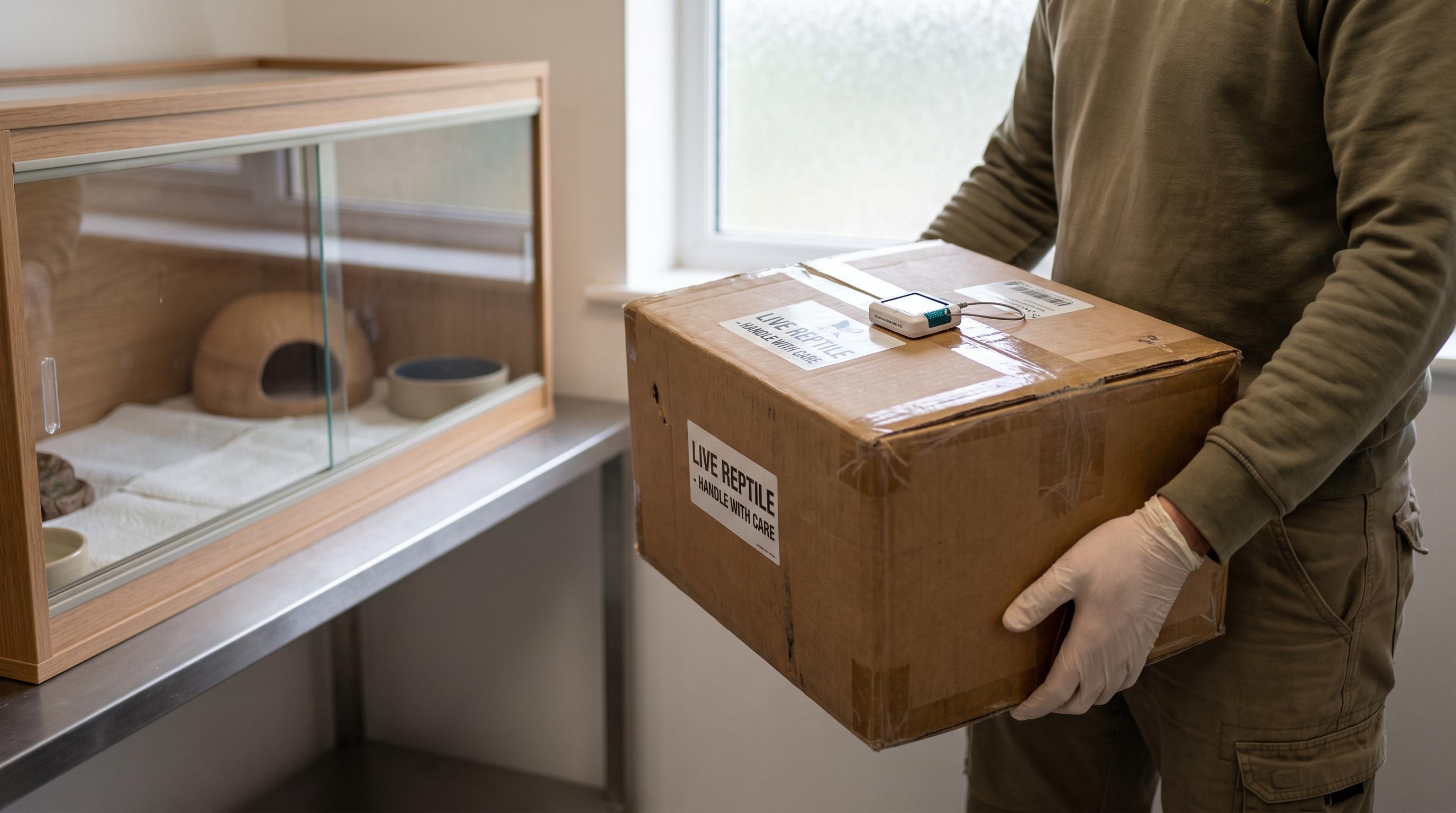
Moving venomous reptiles across state lines can introduce additional requirements under applicable state and federal wildlife laws. Buyers and sellers should not assume that an animal may legally be transported simply because possession is allowed at its destination. Requirements may depend on the species, origin, destination, transportation method, and purpose of the transaction.
These rules are not consistent enough to generalize safely. Laws and regulations can change, and mistakes can result in fines, confiscation, loss of permits, or other legal consequences. This article provides general educational information rather than a state-by-state legal determination.
Medically significant venomous species versus mildly venomous species
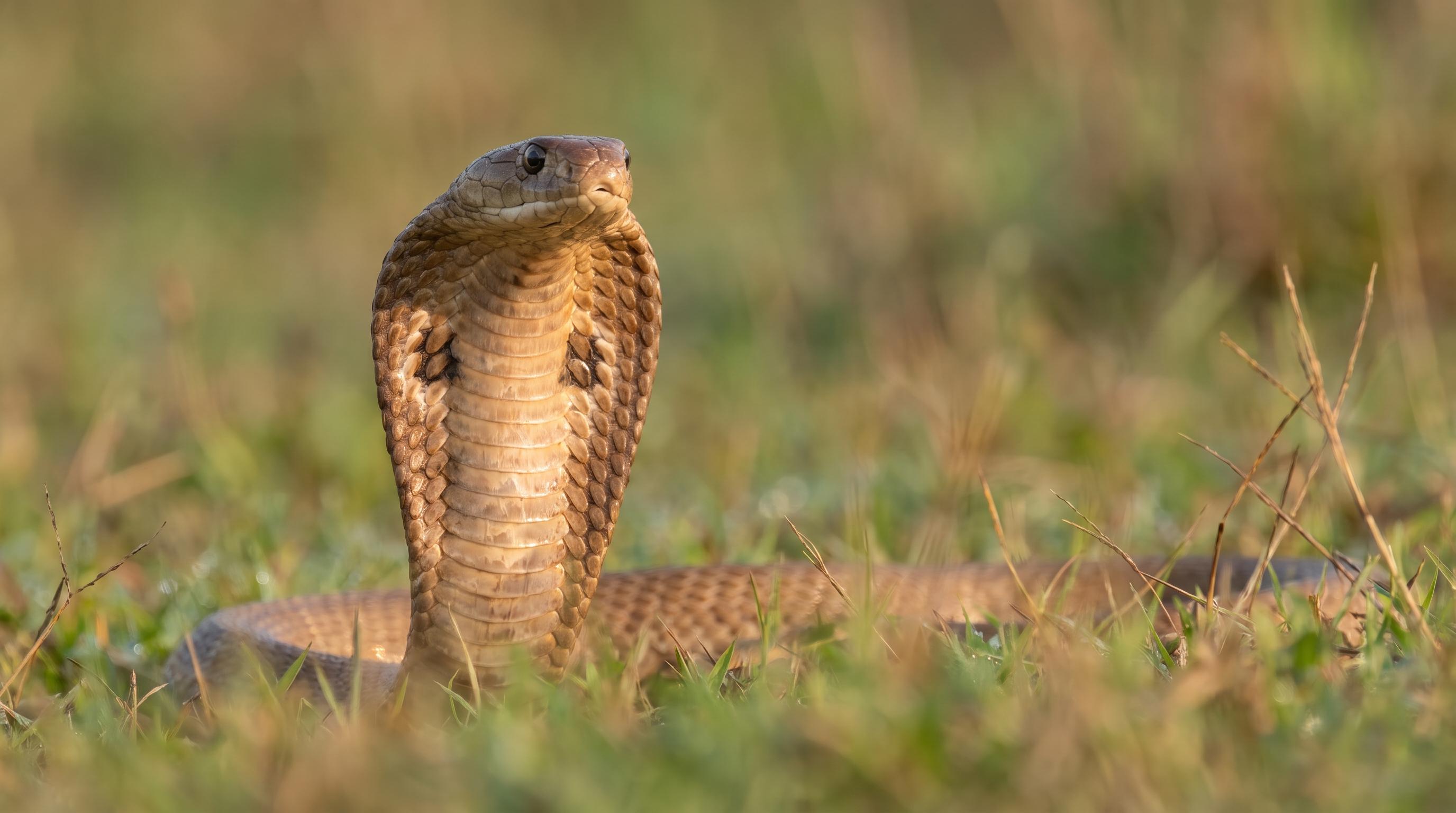
Not every venomous snake presents the same medical risk or receives the same legal treatment. Medically significant venomous species, including many rattlesnakes, cobras, and vipers, are commonly the focus of specialized venomous reptile regulations. Mildly venomous, rear-fanged species may be treated differently, although legal classifications depend on the wording of the applicable laws.
Hognose snakes are a familiar example within the reptile hobby. They produce venomous secretions associated with Duvernoy's glands and deliver those secretions through enlarged rear maxillary teeth rather than the hollow front fangs characteristic of vipers and elapids. Hognose envenomation is generally not considered medically significant for most people, but reactions can vary. Documented cases include substantial swelling, bruising, blistering, and symptoms extending beyond the immediate bite site. A prolonged bite should never be dismissed simply because the species is considered mildly venomous.
Because of these differences, ReptileAds places medically significant venomous reptiles in a dedicated Venomous Reptiles category, while mildly venomous species such as hognose snakes remain in their normal species listings. This marketplace distinction reflects practical safety considerations and buyer expectations. It is not a legal classification, and it does not determine how any government agency regulates a particular species.
The ReptileAds Venomous Reptiles category includes additional platform restrictions. Only identity-verified sellers may create venomous reptile listings, and only identity-verified users may contact sellers about those listings. Buyers and sellers are presented with legal and safety warnings. Buy Now, Make an Offer, and Payment Plans are disabled for venomous listings, as is the platform's shipping functionality. These restrictions are designed to introduce additional safeguards for a category involving potentially dangerous animals.
Important: ReptileAds identity verification confirms identity only. It does not establish whether a person holds the necessary permits or licenses, has adequate handling experience, meets legal ownership requirements, or is qualified to possess a particular species. ReptileAds does not independently verify legal eligibility to buy, sell, breed, possess, or transport venomous reptiles. A verified badge is not proof of legal authorization, and the ability to create a listing or contact a seller does not mean a proposed transaction is lawful.
Both buyers and sellers are independently responsible for understanding, verifying, and complying with all applicable federal, state, county, municipal, and other relevant laws and regulations. This responsibility includes determining whether the species, transaction, possession, and any proposed transportation are legally permitted. Platform identity verification does not replace permits, regulatory approvals, or independent legal due diligence.
What responsible ownership looks like beyond the paperwork
Legal permission to possess a venomous reptile does not automatically mean someone has the knowledge, experience, or facilities to keep it safely. Experienced keepers generally emphasize extensive preparation, appropriate mentorship, and demonstrated competence before working with medically significant venomous species. Experience with nonvenomous reptiles can provide a foundation, but it does not by itself establish readiness to handle dangerous venomous animals.
Responsible preparation includes secure, appropriately designed enclosures, redundant containment where appropriate, a written emergency response plan, and advance communication with qualified medical professionals about local emergency resources. Antivenom availability can vary substantially by species, region, and medical facility. Keepers should consult appropriate medical and poison-control professionals about emergency planning rather than assuming that a nearby hospital stocks the necessary antivenom or that treatment access can be guaranteed.
Detailed records of feeding, shedding, enclosure maintenance, health observations, and safety incidents can also support responsible husbandry. Where a regulatory authority requires specific documentation, keepers must follow those requirements directly. A platform like Husbandry.Pro can help organize feeding histories, maintenance records, and husbandry observations in one place. However, recordkeeping software does not replace professional training, legally required documentation, emergency preparedness, or compliance with applicable regulations.
How to actually find out what applies to you
Start by contacting the wildlife or regulatory agency responsible for venomous reptile possession in your state. Ask about the specific species you intend to keep, whether private possession is permitted, and which licenses, permits, inspections, or other conditions apply. Review the applicable statutes and regulations, and confirm whether additional county or municipal restrictions exist through the relevant local authorities.
If you intend to buy or sell a venomous reptile across state lines, investigate the requirements applicable to both parties and the proposed transportation. Buyers should independently confirm that they may lawfully acquire and possess the animal. Sellers should independently confirm that they may lawfully offer, transfer, and, where applicable, transport it. Do not rely solely on a seller's assurances, a buyer's statements, or a marketplace verification badge as evidence of legal compliance.
ReptileAds provides a marketplace where users can discover animals and communicate with sellers with established stores, but it does not determine whether a particular venomous reptile transaction complies with the law. The platform's identity verification and category restrictions are not substitutes for the legal responsibilities of either party.
Nothing in this article constitutes legal advice. It is intended to help readers understand the questions they need to ask, not to replace guidance from the authorities responsible for administering and enforcing applicable laws.
The single most important takeaway is that venomous snake legality depends on the animal, the jurisdiction, and the activity involved. Verify all applicable requirements before acquiring, listing, selling, or transporting a venomous reptile. Once you have independently confirmed your legal eligibility and understand the responsibilities involved, you can browse the Venomous Reptiles category on ReptileAds and contact eligible sellers through the platform's identity-verified messaging restrictions.
Frequently asked
Is it legal to own a venomous snake in the United States?
It depends entirely on where you live. Regulation happens primarily at the state level, with additional county and city ordinances layered on top, and requirements can even vary by species. Some states issue venomous reptile permits after an inspection, others prohibit private possession of medically significant species, and local rules can override state allowances. Always confirm directly with your state wildlife agency.
What is a hot herp license?
A hot herp license is hobby shorthand for the permit some states require to legally possess medically significant venomous reptiles. Requirements typically include an application, a fee, documented experience, and sometimes a facility inspection covering enclosure security. The specific name, scope, and renewal process vary by state, so check with your state wildlife agency for current terms.
Are hognose snakes considered venomous reptiles under the law?
Hognose snakes are mildly venomous, rear-fanged snakes generally not considered medically significant to humans, though individual reactions can vary. Most jurisdictions do not regulate them the way they regulate medically significant species like vipers or cobras, but this depends on how your specific state or local law defines a regulated venomous animal, so verify locally rather than assuming.
Do I need a special permit to buy a venomous snake from another state?
Possibly, depending on the rules of both the origin and destination states. Interstate transport of venomous reptiles can involve separate state and federal wildlife rules, and both the buyer's and seller's state requirements may apply. Ask the seller how they handle transport compliance and confirm your own state's import rules with its wildlife agency before arranging shipment or pickup.
What happens if I keep a venomous snake without the required permit?
Consequences vary by state but can include fines, animal confiscation, and in some cases criminal charges, particularly for medically significant species. Because enforcement and penalties differ widely by jurisdiction, this is not something to guess about. Contact your state wildlife agency and local animal control office directly to confirm what permit, if any, is required before acquiring the animal.
Does ReptileAds verify venomous snake permits or legal eligibility?
No. ReptileAds identity verification confirms a user's identity only. It does not verify permits, licenses, experience, qualifications, or legal eligibility to own, buy, sell, breed, or transport venomous reptiles. Buyers and sellers are individually responsible for confirming and complying with all applicable laws and regulations. A verified badge does not constitute legal authorization or approval from ReptileAds.