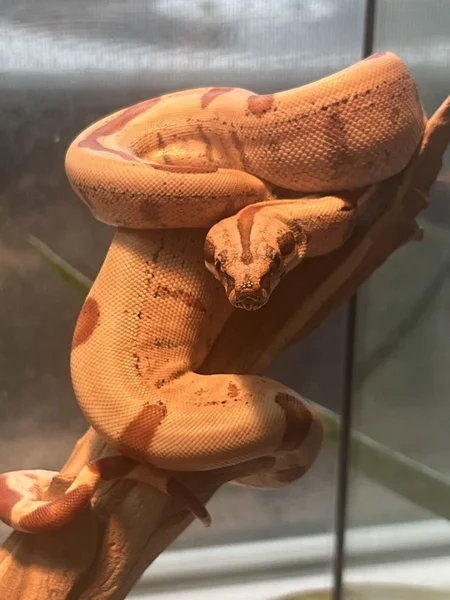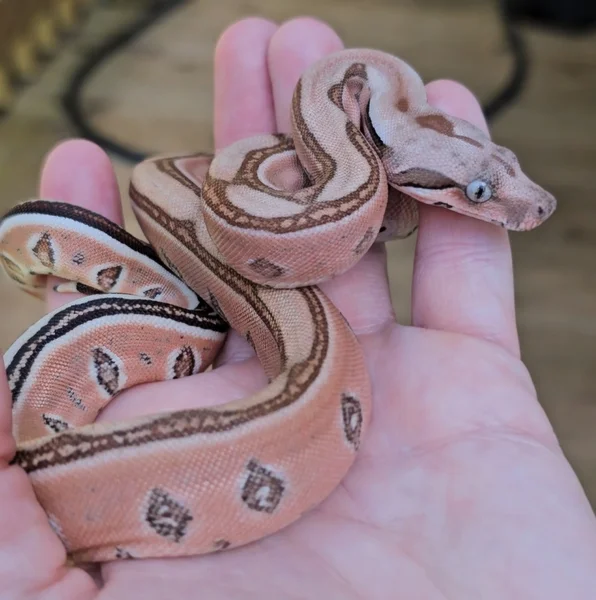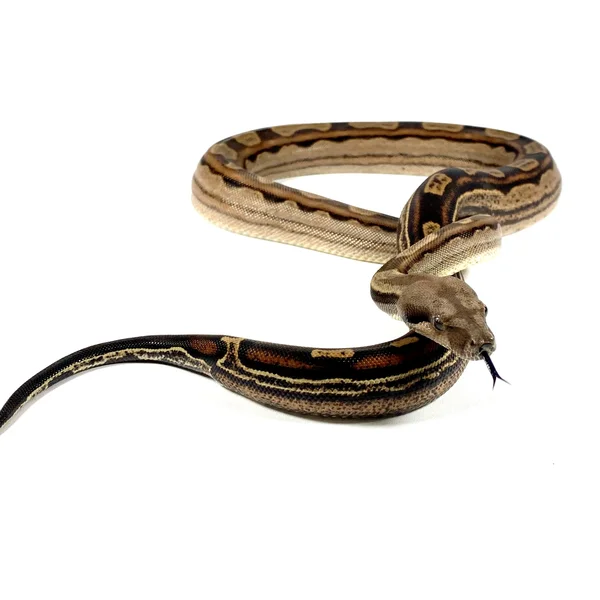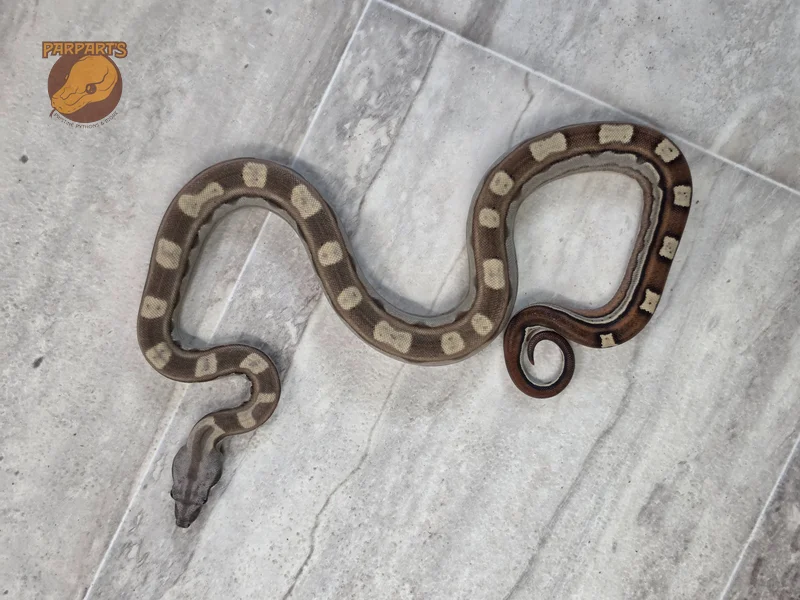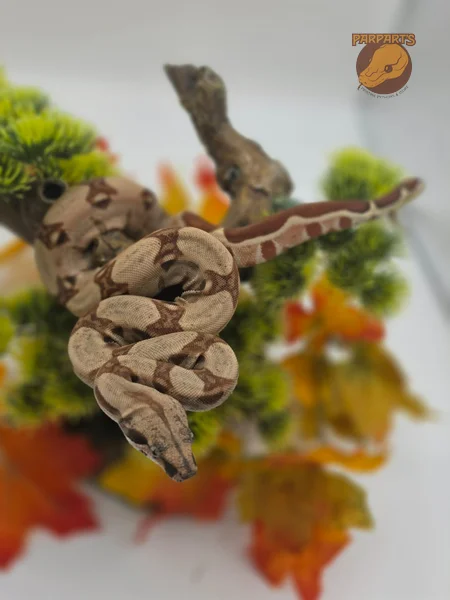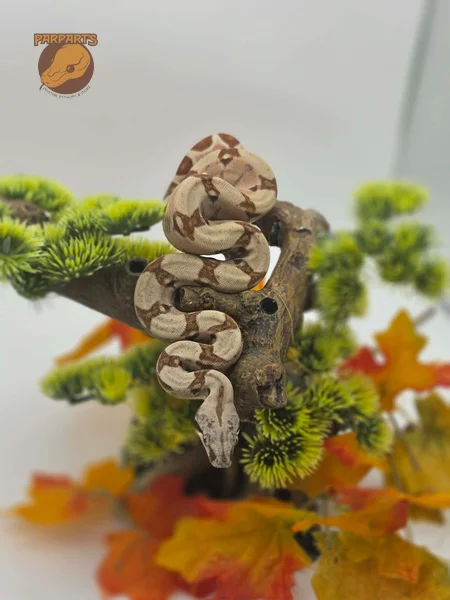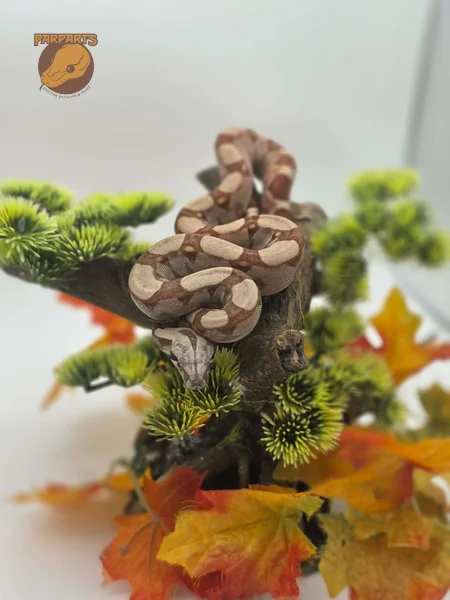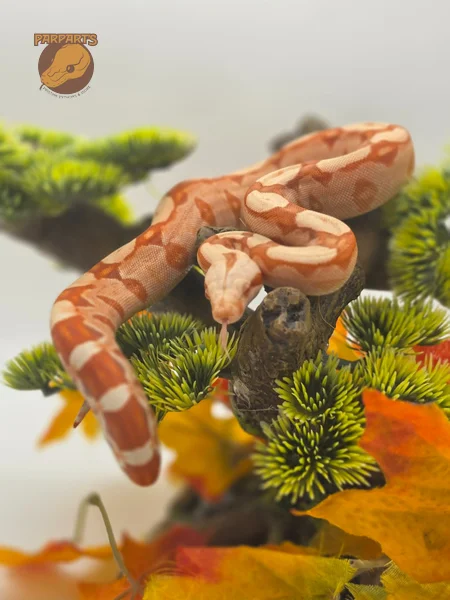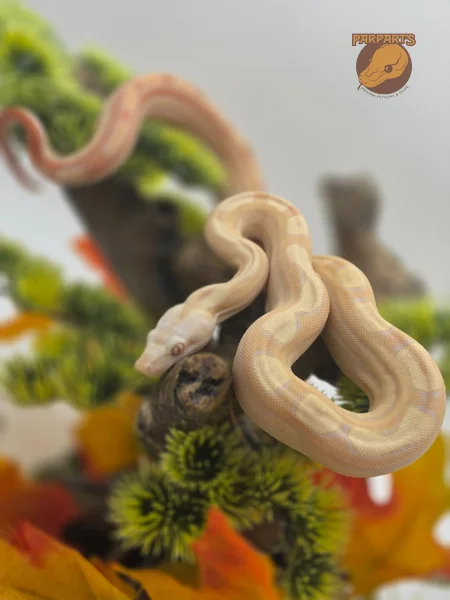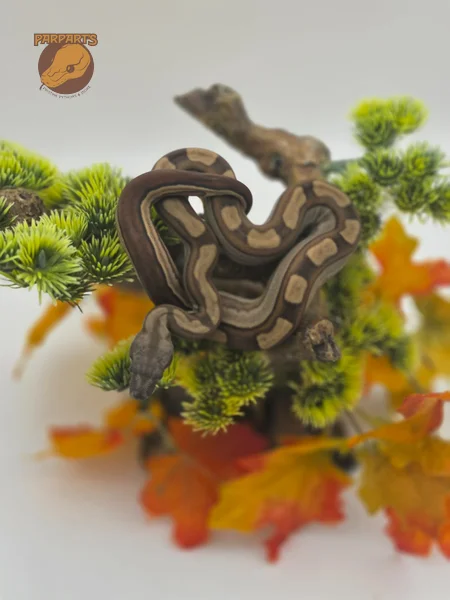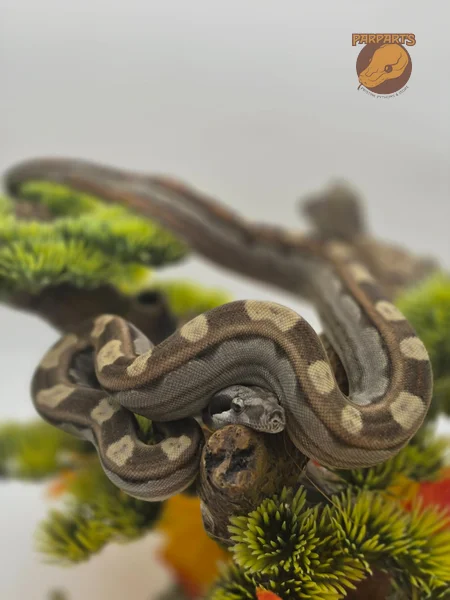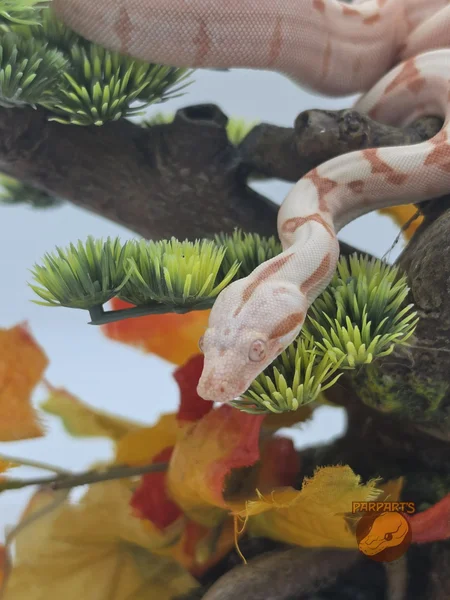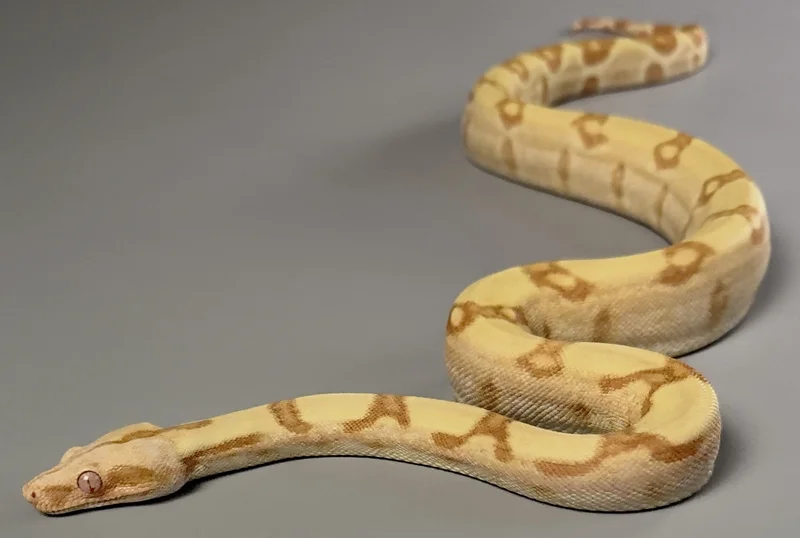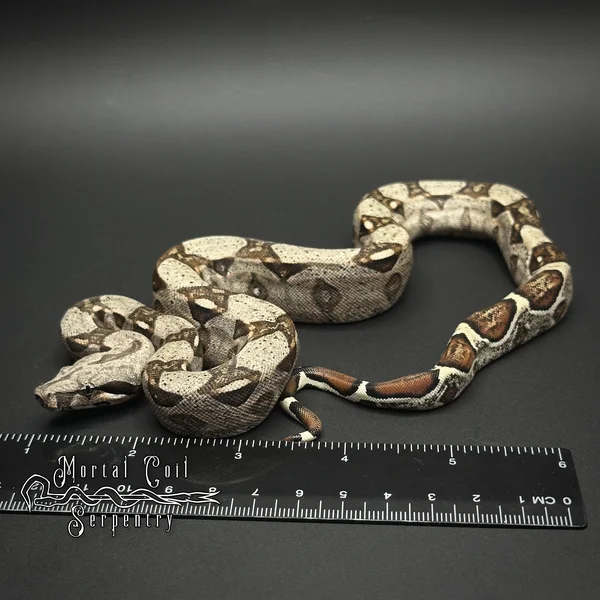
Shop common boas (BCI) for sale from breeders and keepers, including popular morphs, island localities and dwarf lines of Boa imperator, and message sellers directly before you buy.
Showing 1 to 19 of 26 animals
Showing 1 to 19 of 26 animals
Buy one and get 50% off either of the other animals (equal or lesser value). Mention this ad.
The common boa, or BCI, is one of the most widely kept large snakes in the hobby. It pairs a manageable temperament with an enormous range of morphs and localities, from classic normals to dwarf island lines. Here is what to expect from a common boa and how to pick the right one for your home.
Common boas are boa constrictors native to Central America and nearby regions, from Mexico south through the isthmus and onto a number of Caribbean and Pacific islands. The label BCI comes from the older name Boa constrictor imperator; most taxonomists now treat these snakes as their own species, Boa imperator, but the hobby shorthand has stuck.
The name matters when you shop. Boas from northern South America with bold red tail saddles are sold as true red-tailed boas, or BCC, and have their own category on ReptileAds. If a listing uses both terms, ask the seller which lineage the animal actually comes from.
Common boas typically reach about 6 to 8 feet. Females are longer and considerably heavier than males, and some approach 10 feet. In practice, captive BCI vary a great deal. Mainland lines from Colombia and Central America tend to be larger, while island and dwarf localities such as Hog Island, Corn Island, Crawl Cay and Tarahumara are well known for staying much smaller.
That range is why it pays to ask about the parents. Knowing the size of the sire and dam gives you a realistic idea of the enclosure you will need in a few years.
With good husbandry, common boas commonly live 20 to 30 years in captivity. That is a long commitment, and many keepers find their boa becomes a steady part of the household for decades.
A long life also means a long paper trail. Logging feedings, sheds and weights over the years helps you notice slow changes that are easy to miss, and an app like Husbandry.Pro keeps those records and any breeding notes in one place.
Few snakes offer as much variety as the common boa. Keepers commonly look for recessive genes such as albino, anerythristic and the combination often called snow, along with codominant genes like motley, jungle and arabesque. Hypomelanistic boas, often shortened to hypo, are a staple, and many projects stack several genes into a single animal.
Locality animals are popular too. Some keepers prefer clean, pure-line boas from a single known region, valuing smaller size or distinctive natural patterns over designer combinations. Both paths are valid; the important thing is that the seller can explain the lineage clearly.
BCI are adaptable, but they are still large, muscular snakes. Hatchlings can start in a modest enclosure, and adults need generous floor space, sturdy hides and a few thick branches for occasional climbing. A warm side with a basking spot and a cooler side lets the snake regulate its own temperature, and moderate humidity with a large water bowl suits most animals.
They eat rodents, moving from mice to rats and eventually larger prey as they grow. Overfeeding is a common issue with boas, so many keepers space meals out as the snake matures. The ReptileAds common boa care guide covers enclosure sizes, temperatures and feeding schedules in detail.
Start by deciding what matters most to you: a particular morph, a locality, a smaller adult size, or simply a calm, well-started baby. Then compare several listings, paying attention to hatch dates, photos in natural light and notes on what the snake is eating.
Use the built-in chat to ask which genes are proven versus possible, whether you can see the parents, and how shipping or pickup will work. Read the seller's profile and reviews, and check your local rules first, since some states and countries regulate large constrictors. A Hit List alert is a good way to wait for exactly the boa you want.
AI-assisted guide reviewed by the ReptileAds team. General information about these animals — not care, veterinary or legal advice, and not a description of any individual listing above.
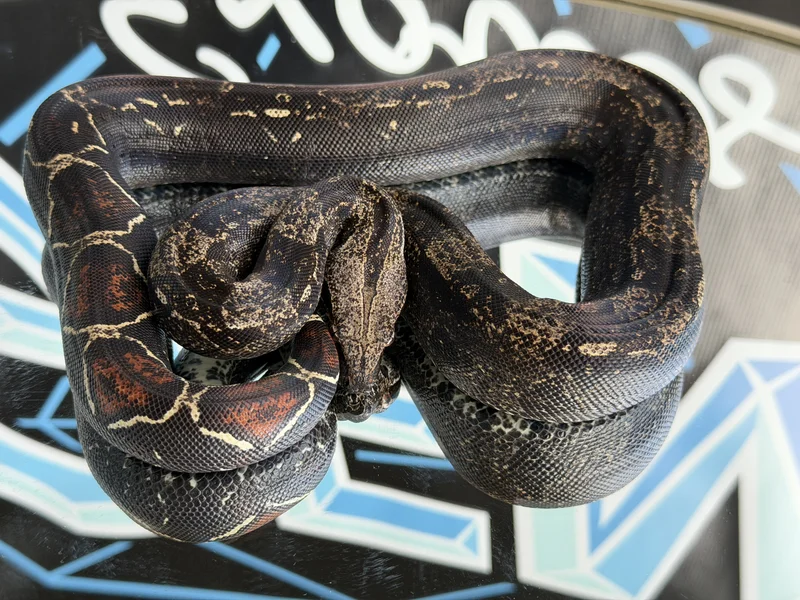
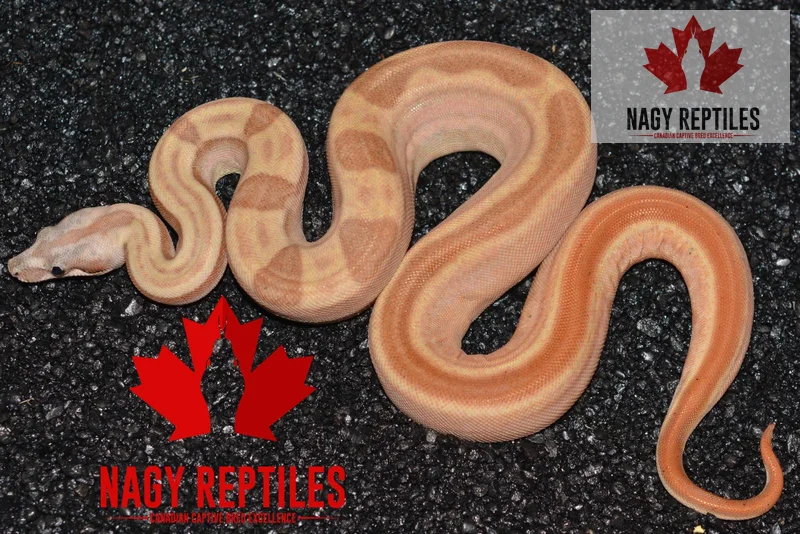
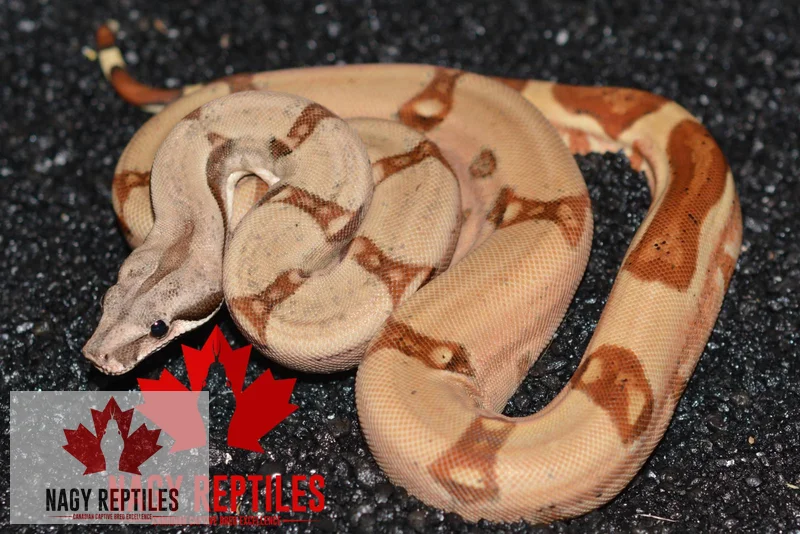
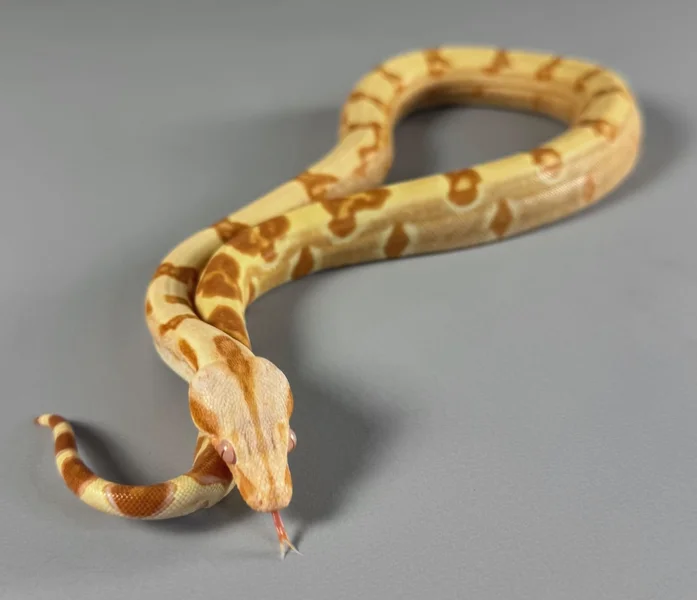
This category covers Boa imperator, the Central American boa most keepers call a BCI. You will find normals alongside morph projects such as hypo, anery, albino, motley and jungle animals, plus locality and dwarf lines that stay noticeably smaller than mainland boas.
Filter listings by the traits you care about, then compare hatch dates, photos and feeding notes. Genetics can be layered, so ask the seller which genes are proven and which are only possible, and request photos of the parents if they are available.
If you are looking for true red-tailed boas from South America, browse the Red-Tailed Boas (BCC) category instead. A Hit List alert will tell you when a common boa matching your wish list is posted.
ReptileAds brings together BCI breeders and keepers so you can compare morphs, localities and lines in one place.
Look at morph combinations and het claims across many listings before you narrow down your choice.
Use built-in chat to ask about parents, feeding and shipping without leaving the listing.
Tell ReptileAds which morph or locality you want and get notified when a matching boa is listed.
BCI are sturdy, adaptable snakes, and a well-planned setup keeps them thriving for decades.
Read the full ReptileAds common boa care guide for detailed setup advice.
A few questions up front make choosing a BCI much easier.