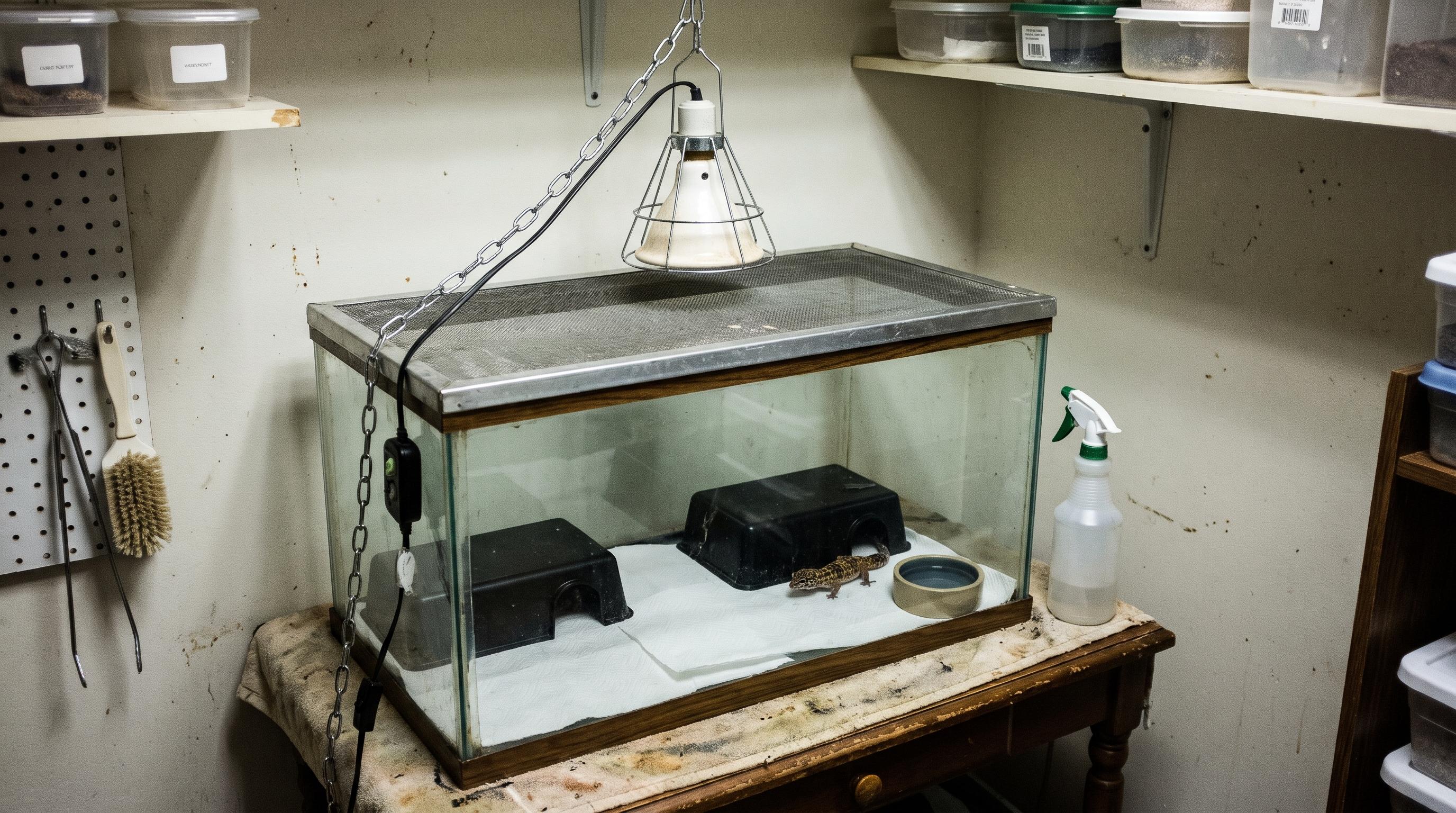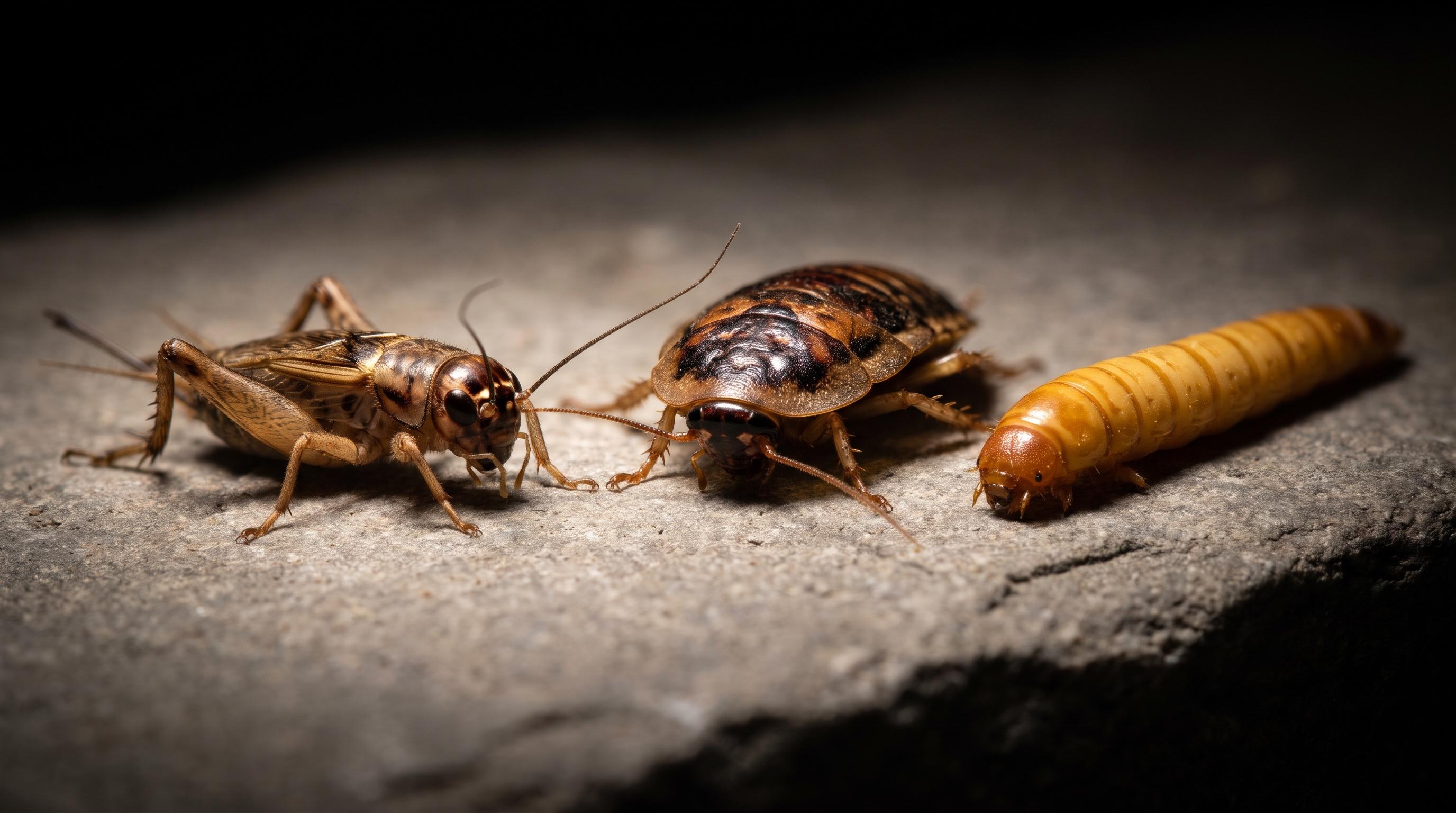
Choosing the best feeder insects for reptiles isn't as simple as picking the insect with the highest protein content. Crickets, Dubia roaches, and mealworms each offer different nutritional benefits, feeding behaviors, and practical advantages. The right choice depends on your reptile's species, age, body condition, and dietary needs.
Whether you're feeding a bearded dragon, leopard gecko, or another insect-eating reptile, understanding these differences can help you build a healthier, more balanced feeding routine. Let's compare three of the most popular feeder insects in the reptile hobby.
Crickets vs Dubia Roaches vs Mealworms: What's the Difference?
All three feeders provide protein and other nutrients, but they differ in moisture, fat content, calcium balance, behavior, and maintenance requirements. Nutritional composition also varies depending on the insect's age, diet, and how laboratory measurements are reported.
| Feature | Crickets | Dubia Roaches | Mealworms |
|---|---|---|---|
| Protein | Good source | Good source | Good source |
| Fat | Varies by age and diet | Varies by age and diet | Often relatively higher |
| Calcium balance | Generally unfavorable | Generally unfavorable | Generally unfavorable |
| Movement | Active, jumping | Crawling, generally slower | Slow, crawling |
| Noise | Adult males chirp | Quiet | Quiet |
| Odor | Can become noticeable | Usually manageable with proper care | Usually minimal with proper care |
| Storage | Requires regular maintenance | Suitable for maintained colonies | Relatively easy to maintain |
No single insect is nutritionally perfect. Even feeders considered excellent staples generally require appropriate gut-loading, supplementation, and dietary variety to support long-term reptile health.
Crickets: An Active and Widely Available Feeder
Crickets remain one of the most recognizable feeder insects in reptile keeping. Their active movement can stimulate natural hunting behavior, making them especially useful for reptiles that respond strongly to moving prey.
Crickets are widely available in different sizes, allowing keepers to select appropriately sized feeders for juvenile and adult animals. They can also be gut-loaded before feeding to improve their nutritional contribution.
However, crickets require consistent maintenance. Their enclosures need adequate ventilation, food, moisture, and regular cleaning. Adult males can be noisy, and poorly maintained colonies may develop unpleasant odors. Escaped crickets can also become a nuisance.
Another consideration is that uneaten crickets should not be left unattended in reptile enclosures, where they may bite or stress the animal.
Best suited for: Many insect-eating lizards, including bearded dragons, leopard geckos, and other species that naturally pursue moving prey.
Dubia Roaches: A Popular Alternative to Crickets
Dubia roaches have become increasingly popular among reptile keepers because they are quiet, generally easy to contain, and practical to maintain in established colonies.
Unlike crickets, Dubia roaches do not chirp or jump. They are also less likely to escape smooth-sided containers when properly housed, although suitable ventilation and secure containment remain important.
From a nutritional perspective, Dubia roaches provide valuable protein and other nutrients. However, claims that Dubia are universally lower in fat or significantly higher in protein than crickets are oversimplifications. Nutritional comparisons depend on insect life stage, feeding conditions, and whether measurements use fresh weight or dry matter.
Dubia roaches can be maintained on appropriate diets and gut-loaded before feeding. Their slower movement also makes them convenient for controlled feeding sessions.
One limitation is availability. Certain jurisdictions restrict possession or importation of some feeder roach species, so buyers should confirm applicable requirements before ordering.
Best suited for: Bearded dragons, leopard geckos, and many other appropriately sized insect-eating reptiles.
Mealworms: Convenient, Affordable, and Easy to Store
Mealworms are the larval stage of the darkling beetle, Tenebrio molitor. They are widely sold, relatively inexpensive, and easy to maintain compared with many other feeder insects.
Their slow movement makes them particularly convenient for feeding dishes, allowing keepers to monitor consumption and remove uneaten insects more easily.
Mealworms are often relatively energy-dense, making portion control important, especially for reptiles prone to excess weight gain. They also have an unfavorable calcium-to-phosphorus ratio without appropriate dietary preparation and supplementation.
A persistent reptile-keeping myth claims that mealworms automatically cause impaction because of their chitin-containing exoskeletons. That claim is too simplistic. Digestive problems can involve several factors, including husbandry conditions, hydration, prey size, and the animal's health.
Mealworms can be useful components of an appropriately planned diet, but they should not automatically be considered the ideal exclusive feeder for every insect-eating reptile.
Best suited for: Leopard geckos and other species that can safely consume appropriately sized mealworms as part of a balanced feeding program.
Which Feeder Insects Are Best for Different Reptiles?
Bearded Dragons
Bearded dragons can benefit from appropriately sized crickets and Dubia roaches as part of a varied diet. Juveniles generally require a greater proportion of animal-based foods than adults, while mature bearded dragons typically consume a larger proportion of suitable vegetables and greens.
Mealworms may be offered when appropriate, but feeding quantities should account for the animal's age, activity level, and body condition.
Leopard Geckos
Leopard geckos are insectivores and may accept all three feeder types. Crickets encourage active hunting, while Dubia roaches and mealworms are convenient options for monitored feeding.
Rotating suitable feeder insects can provide dietary variety. Feeding frequency, portion sizes, and supplementation should be adjusted to the gecko's age and condition.
Crested Geckos
Crested geckos have different dietary requirements from strictly insectivorous reptiles. A properly formulated complete crested gecko diet generally forms the foundation of captive feeding programs, with suitable insects offered as supplemental foods when appropriate.
Crickets and appropriately sized Dubia roaches may be used, but feeder insects should not replace a nutritionally complete diet formulated for the species.
Why Gut-Loading and Calcium Supplementation Matter
One of the most important considerations when selecting feeder insects is what those insects have been eating before they reach your reptile.
Gut-loading involves feeding insects a nutritionally appropriate diet before offering them to reptiles. Commercial gut-loading products and suitable fresh foods can help improve the nutritional value of feeders.
Crickets, Dubia roaches, and mealworms generally have unfavorable calcium-to-phosphorus ratios. Appropriate calcium supplementation is therefore an important consideration for many insect-eating reptiles.
However, supplementation is not one-size-fits-all. Requirements vary by species, age, reproductive condition, overall diet, and UVB exposure. Excessive supplementation can also create health problems, so keepers should follow reliable species-specific husbandry guidance.
How to Choose Healthy Feeder Insects
Feeder quality matters just as much as feeder species. Healthy insects raised under appropriate conditions are preferable to feeders maintained in overcrowded, unsanitary, or nutritionally inadequate environments.
When purchasing feeders, consider the seller's husbandry practices, feeder sizes, shipping methods, and the condition of the insects upon arrival.
Reptile keepers can explore the ReptileAds Feeders marketplace to find feeder insects and other reptile food sources from participating sellers. The category also includes live and frozen feeder rodents for appropriate reptile species, helping keepers locate different feeding supplies in one marketplace.
Tracking Feeding Habits for Better Reptile Husbandry
Choosing the right feeder is only part of maintaining a successful feeding program. Tracking what your reptiles eat, how often they eat, and how they respond to dietary changes can provide valuable information over time.
For keepers managing individual animals or larger collections, Husbandry.Pro offers husbandry recordkeeping tools for documenting feeding schedules, feeder types, feeding responses, supplementation, and animal growth. Keeping organized records can make it easier to recognize changes in appetite, monitor body condition, and evaluate adjustments to feeding routines.
Consistent recordkeeping is especially useful when different animals require different feeder sizes, supplementation schedules, or feeding frequencies.
So, Which Feeder Insect Is Best?
Crickets, Dubia roaches, and mealworms all have legitimate places in reptile husbandry. Crickets offer active movement and broad availability. Dubia roaches provide a quiet, manageable alternative that many keepers find convenient. Mealworms offer easy storage, affordability, and controlled feeding options.
Rather than searching for one universally superior insect, focus on the nutritional needs of the species you're keeping, appropriate feeder sizes, proper gut-loading, supplementation, and dietary variety.
Whether you're maintaining a single leopard gecko or feeding an entire reptile collection, selecting healthy feeders from dependable suppliers is an important part of responsible animal care.
Looking for feeder insects or rodents for your reptiles? Explore the Feeders category on ReptileAds to discover available feeders from marketplace sellers.
Frequently asked
What are the best feeder insects for reptiles?
Are Dubia roaches healthier than crickets?
Can leopard geckos eat mealworms every day?
Do feeder insects need calcium supplements?
Where can I buy feeder insects and feeder rodents for reptiles?
You can find feeder insects, including crickets, Dubia roaches, mealworms, and other reptile food sources, through the ReptileAds Feeders marketplace. The category also includes live and frozen feeder rodents for snakes and other reptiles. Browse available listings, compare sellers, and choose feeders appropriate for your reptile's species, size, and nutritional needs.