Sending a deposit to someone you have only talked to over chat is nerve-wracking, and I get messages all the time from buyers who wish they had asked more before the animal showed up. Knowing which questions to ask a reptile breeder before you buy is the difference between a healthy animal with a clear history and a stressful surprise in a shipping box. Here is the checklist I actually use, built from years of buying and a few purchases I would do differently now.
How long has this breeder been keeping and selling this species?
Ask directly, and ask for specifics rather than a vague answer like "a long time." A breeder who has been working with ball pythons or leopard geckos for several seasons should be able to tell you roughly how many clutches or litters they have produced, not just a number of years. New breeders are not automatically untrustworthy, plenty of careful, well-researched keepers produce their first clutch and do everything right, but if someone is new I want them to be upfront about it rather than exaggerating their experience. Cross-check what they tell you against their store history if they have one, since a seller with a consistent presence over time on a platform like a reptile seller's storefront gives you something to look at beyond their word.
Can I see current photos and video of the exact animal, not stock images?
Yes, and if a breeder hesitates or keeps sending you the same one or two pictures, that is worth noticing. I ask for a photo taken that week, ideally with a timestamp or something identifying in the background, plus a short video of the animal moving so I can check body condition and alertness. For morphs, I also ask for a clear top-down and side shot in good light, because color and pattern can look very different under a phone flash versus daylight. This matters even more for anything sold on genetics or a specific morph combo, since photos are your only way to verify the animal matches the description before it arrives.

What has this animal actually been eating, and when did it last eat?
Get the real feeding history: prey type, size, frequency, and the date of the last confirmed meal, not just "it eats fine." I want to know if it is on live or frozen-thawed, whether it has ever refused food, and if so what fixed it. A breeder who tracks this closely will usually be able to give you specific information rather than a vague answer. Feeding history can make a significant difference in how smoothly an animal transitions into a new home, so inconsistent, unclear, or constantly changing answers are worth asking more questions about before you buy.
What health guarantee do you offer, and what voids it?
Ask for this in writing before you pay, including exactly what is covered, for how long, and what you need to do on arrival to keep the guarantee valid. Most guarantees I have seen cover live arrival and sometimes a short window against illness, but almost none cover injury or issues caused by improper husbandry once the animal is in your care. Read the fine print on things like required unboxing videos, because missing that step is one of the most common reasons a guarantee claim gets denied. If a seller cannot describe their guarantee clearly and specifically, treat that as a real gap, not a technicality.
What are the lineage and genetics behind this animal?
This matters most for morphs and any project where you plan to breed forward, so ask for the parent animals' visual traits and, if relevant, proven het status or genetic testing. A breeder should be able to tell you which pairing produced the clutch and roughly what the expected outcomes were. If you are unsure how a given pairing should have worked out, running the parents through a morph and genetics calculator before you buy is a fast way to check whether the offered animal's traits actually line up with what the pairing should produce. Disagreements happen in this hobby over naming conventions for some morphs, so if something looks off, ask rather than assume you misunderstood.
How will the animal be shipped, and who is responsible if something goes wrong in transit?
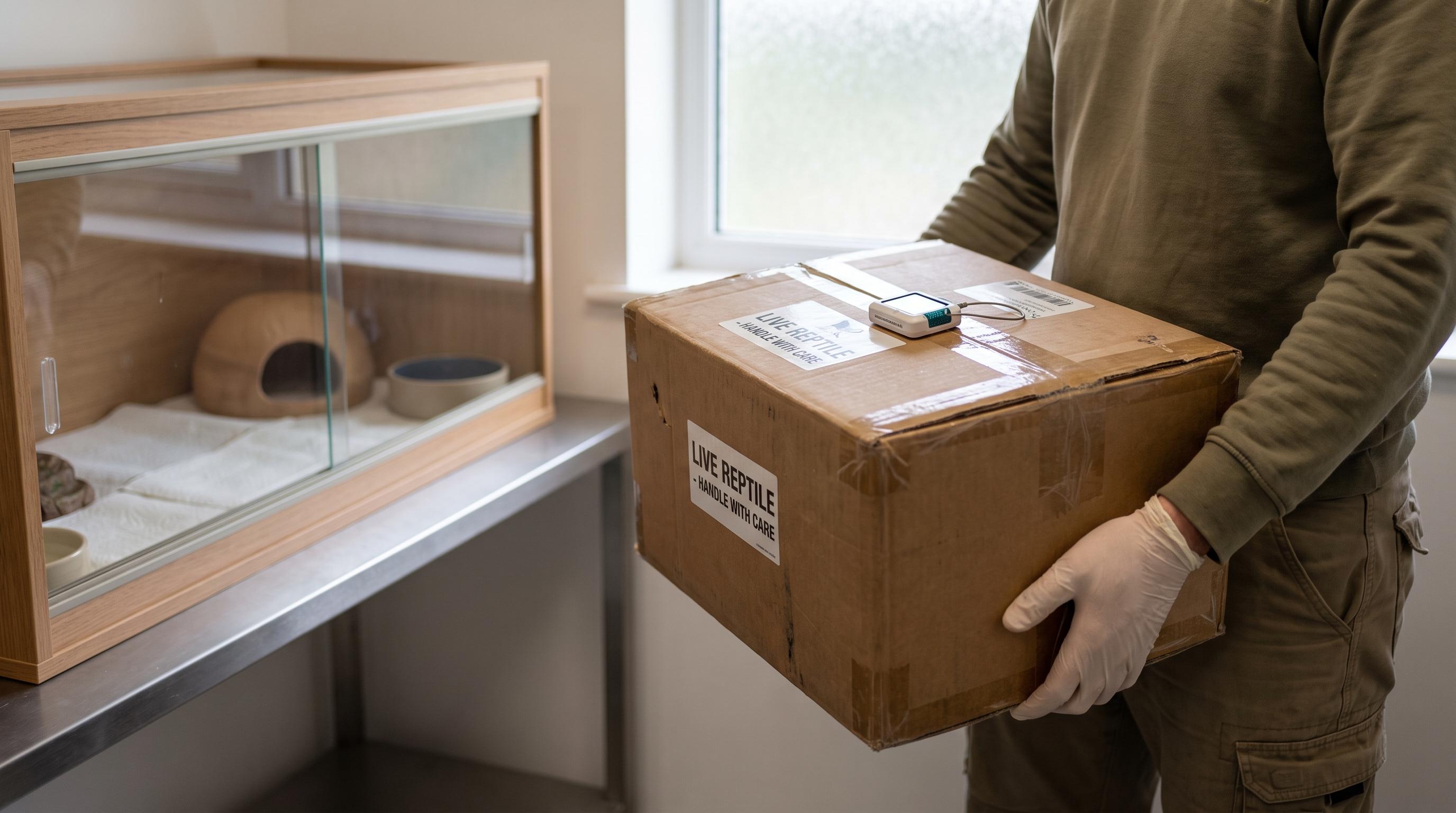
Get specifics on the carrier, packing method, destination, weather considerations, and the conditions under which the breeder will postpone a shipment. Safe shipping decisions depend on the species, temperatures at both ends of the trip, conditions along the route, packaging, delivery method, and other factors, so there is not one temperature range that makes sense for every animal or every shipment. Ask whether the breeder uses heat or cold packs when appropriate, whether they prefer or require hub pickup under certain conditions, and what happens if weather changes after a shipment is scheduled. You should also know who is responsible if the shipment is delayed or the animal arrives in poor condition. A breeder who ships regularly should be able to explain their process and their live-arrival terms clearly before you send payment.
Will you answer questions after the sale?
Test this before you buy by asking a legitimate species-specific question about feeding, husbandry, behavior, or how the breeder has been keeping that particular animal, and pay attention to how they respond. A seller who is generous with useful information now is usually the one who will still answer your email in six months when you have a feeding question. This is honestly one of the best predictors I have found, better than reviews or years in the hobby, because it tells you whether you are buying from someone who sees this as an ongoing relationship or a one-time transaction.
Getting started with your own checklist
You do not need every answer to be perfect, you need the seller to be clear, specific, and willing to engage when you ask these questions. The honest answer is that most red flags show up in how someone communicates long before anything shows up in a box. Start by browsing animals currently listed for sale and practice this checklist on a smaller, lower-stakes purchase before you commit to something expensive or hard to source, and check the species-specific expectations in the care guides so you know what questions to ask in the first place.
Frequently asked
What questions should I ask before buying a snake from a breeder?
Ask about feeding history and last meal date, current unedited photos or video, health guarantee terms in writing, lineage or het status if it is a morph, and shipping specifics including packing method and temperature cutoffs. Also test how quickly and clearly they answer, since responsiveness before the sale usually predicts support after it.
How do I know if a reptile breeder is legitimate?
Look for consistent, specific answers rather than vague reassurance, a visible sales or store history, current photos of the actual animal, and a written health guarantee with clear terms. No single sign proves legitimacy on its own, but a breeder who is open and detailed across several of these areas is generally safer to buy from.
What should a reptile health guarantee cover?
Most guarantees cover live arrival and sometimes a short illness window, but rarely cover injury or problems caused by husbandry after you receive the animal. Get the terms in writing before paying, including any required steps like an unboxing video, since missing a required step is a common reason claims get denied.
Is it normal for a breeder to ask questions about my setup before selling to me?
Yes, and it is generally a good sign. A breeder who asks about your enclosure size, temperatures, and experience with the species is invested in the animal doing well after the sale, not just closing a transaction. Be ready to answer honestly, since misrepresenting your setup can void a health guarantee later.