Explore a wide selection of captive-bred invertebrates for sale.
Showing 1 to 19 of 43 animals
Showing 1 to 19 of 43 animals

Watch Now!!!
Invertebrates are some of the most space-efficient animals you can keep, and they offer endless variety in shape, color and behavior. From a slow tarantula in a small display to a busy colony of isopods, there is something for every level of interest. This guide covers the main groups and how to shop them.
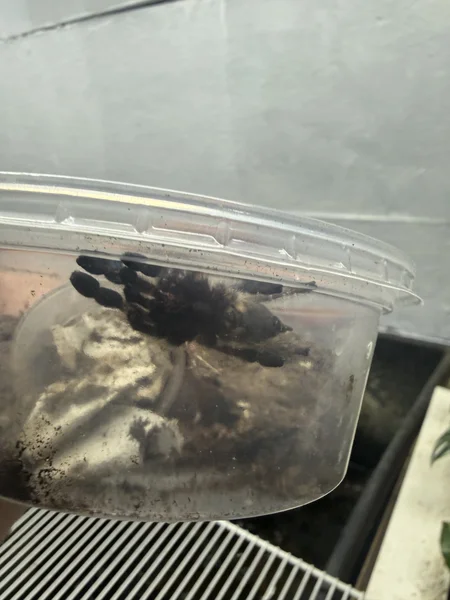
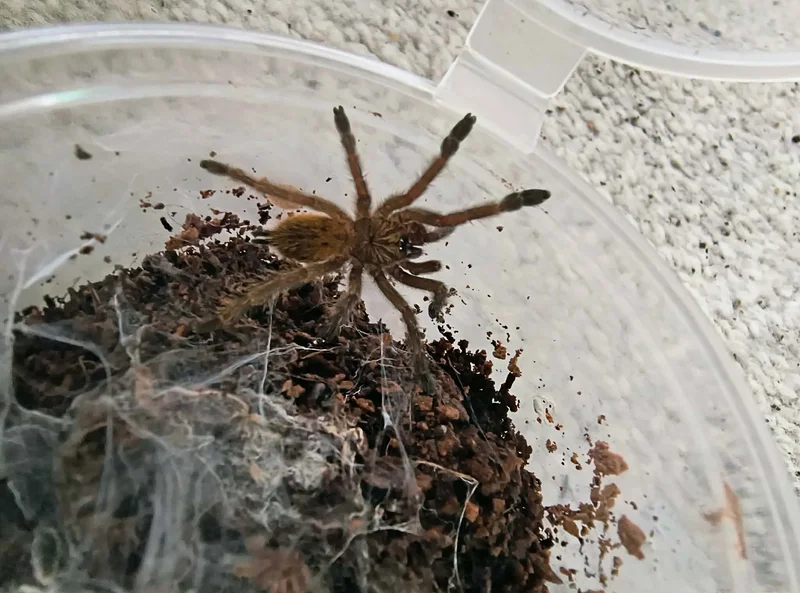
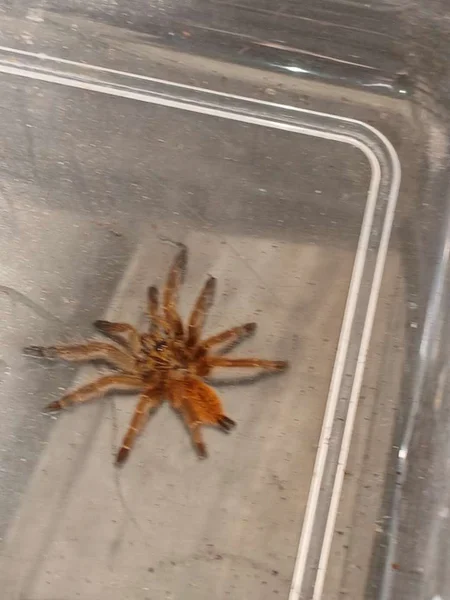
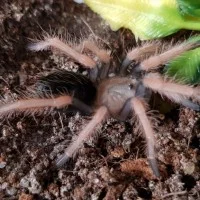
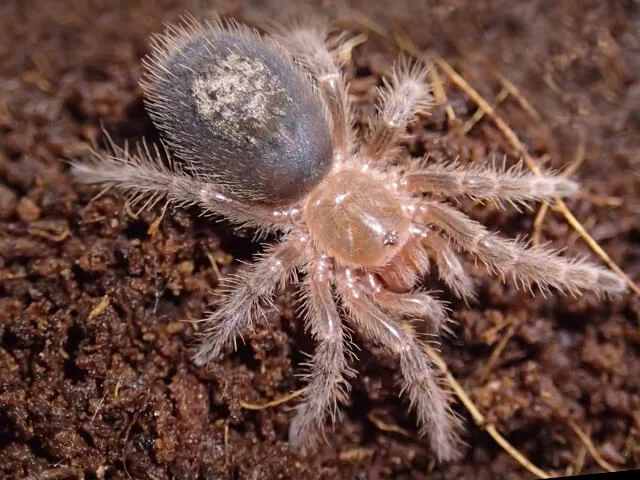
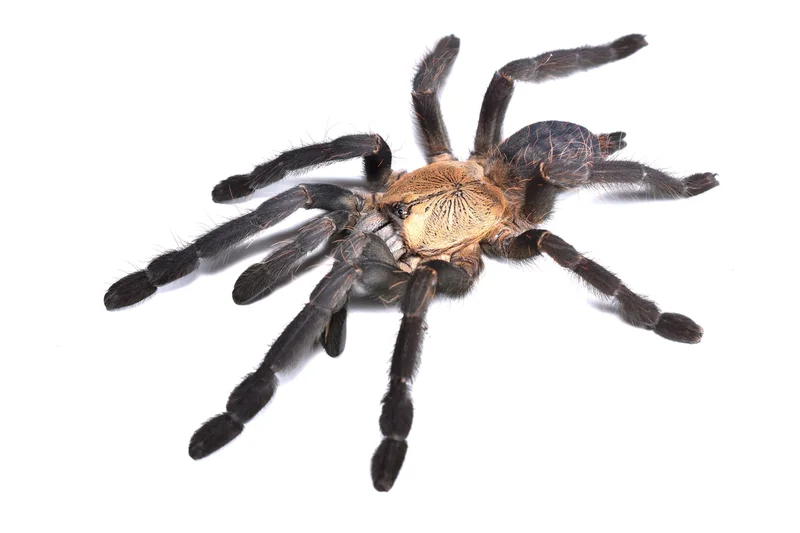
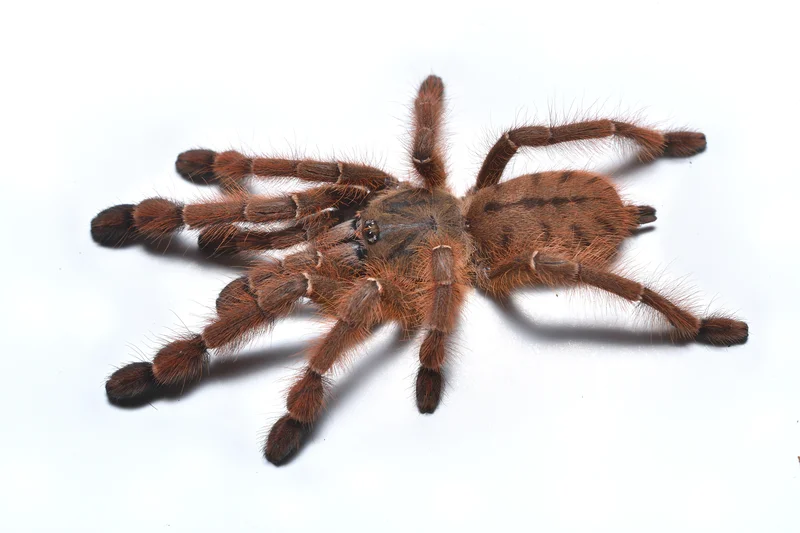
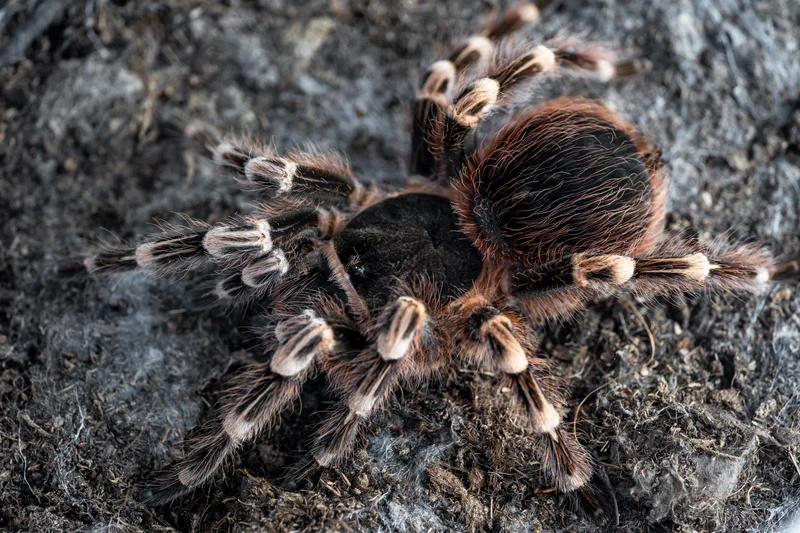
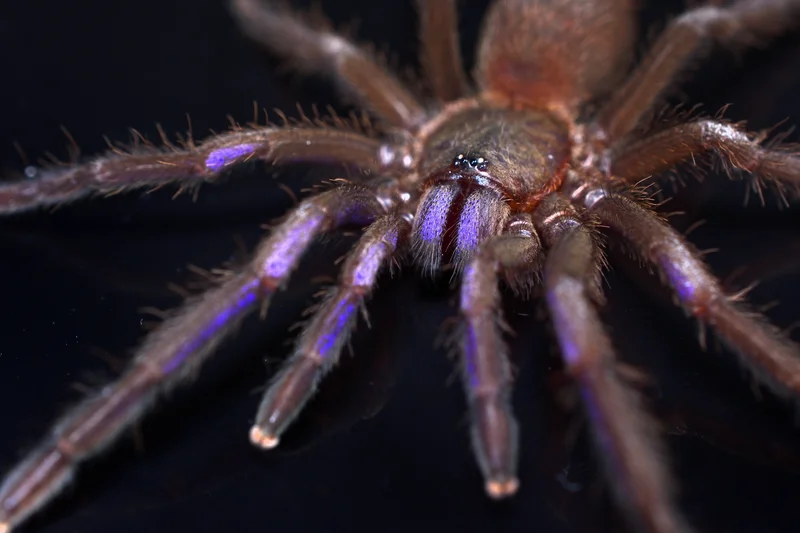
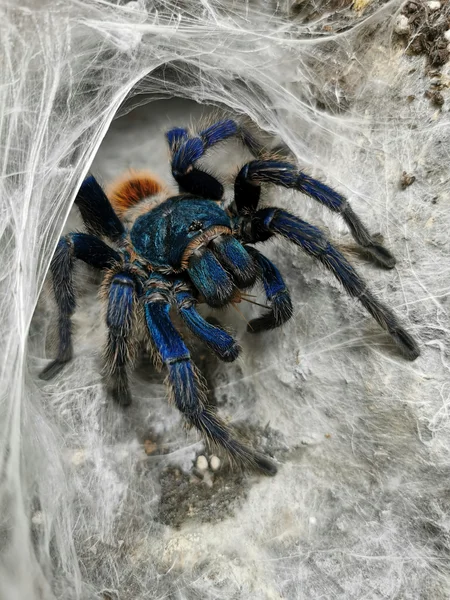
The most popular group is the arachnids, led by tarantulas and followed by jumping spiders and other species. Scorpions and centipedes are fast predators kept for display. Millipedes are gentle detritivores that many keepers enjoy watching roam leaf litter.
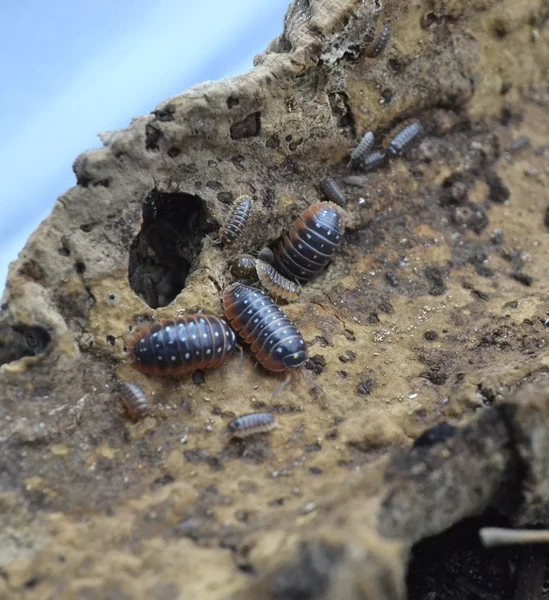
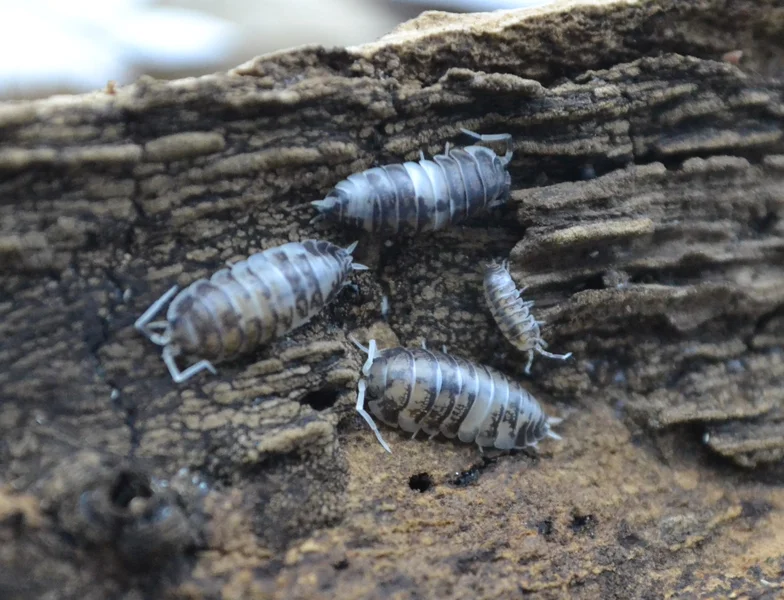
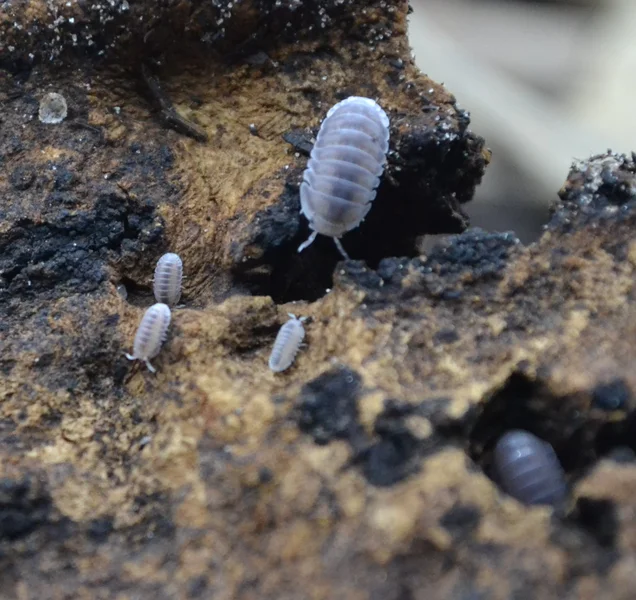
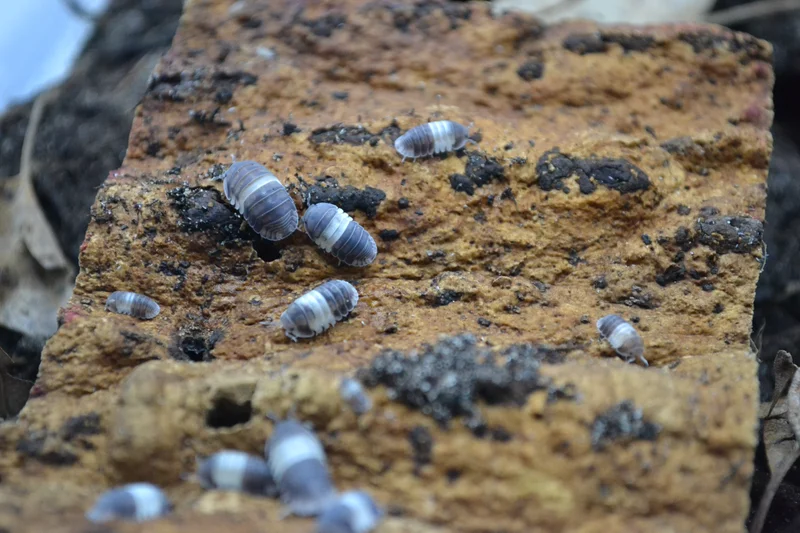
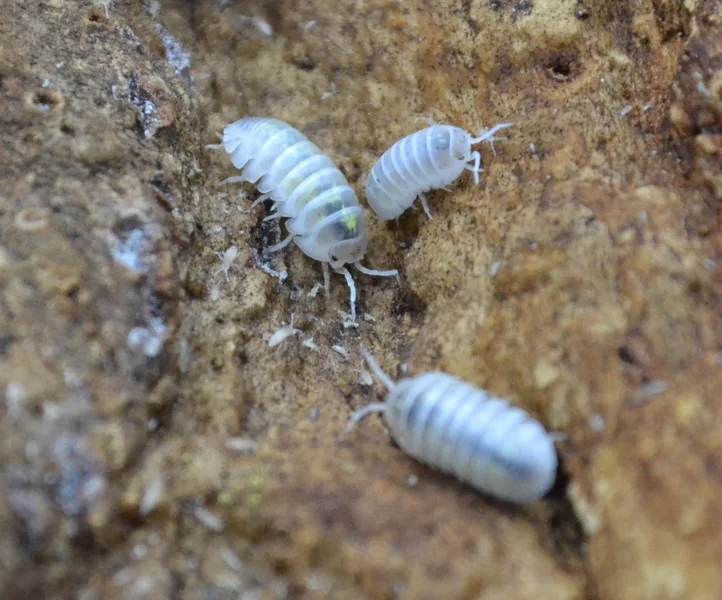
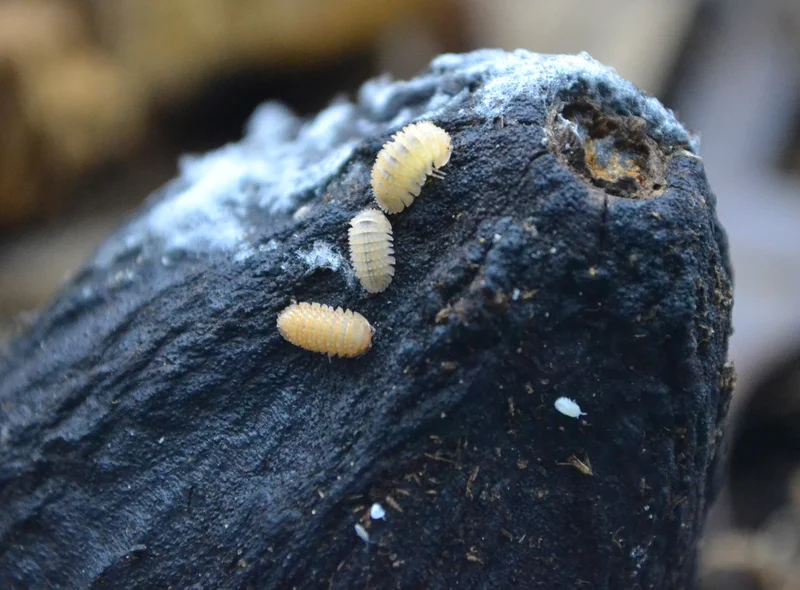
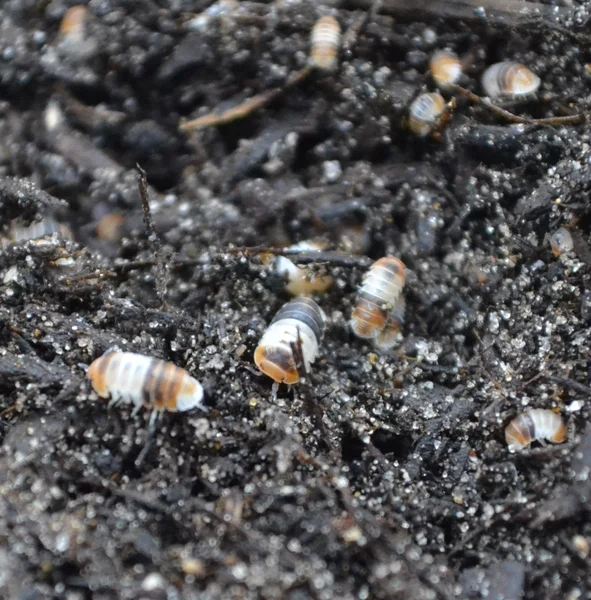
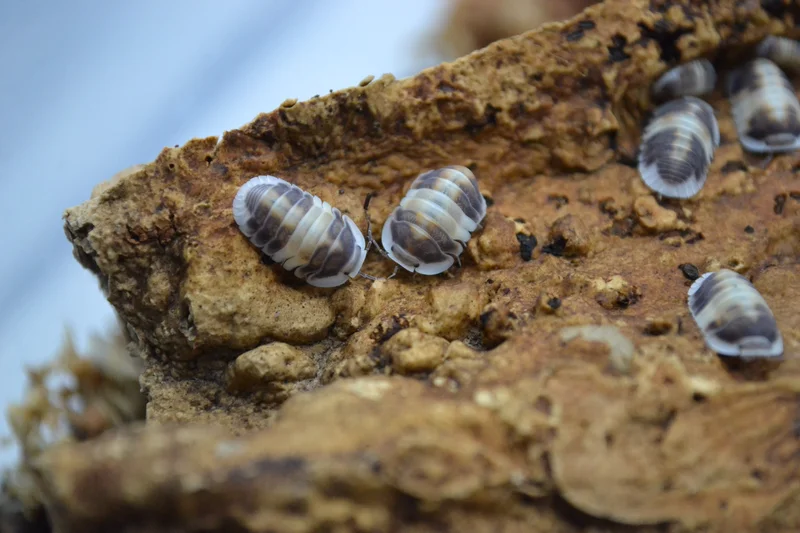
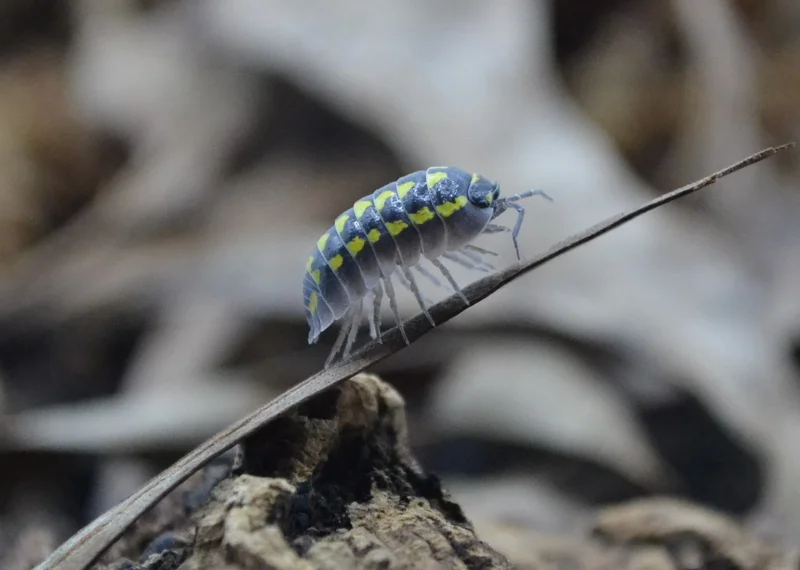
Isopods and springtails are kept both for their own sake and as cleanup crews in bioactive enclosures. On ReptileAds you will find Arachnids, Scorpions, Centipedes, Millipedes, Isopods, Springtails and Other Invertebrates as separate subcategories.
Far less than most reptiles. Many tarantulas, scorpions and millipedes live comfortably in small, ventilated enclosures with the right substrate, a hide and a water dish. Terrestrial species need more floor space and depth, while arboreal species benefit from height and something to anchor webbing.
Most thrive at ordinary room temperatures, so heating is often unnecessary. Humidity is the variable to watch: desert species like it dry, while tropical species and detritivores need moist substrate.
Isopods and springtails process waste, shed skin and mold, which helps keep a planted enclosure balanced. Springtails are tiny and multiply quickly, while isopods come in many colors and sizes. Starting with a small culture and letting it establish before adding the main animal usually gives the best results.
Keeping notes on when you added a culture and how it is growing can help you plan future builds. Husbandry.Pro, the ReptileAds team's husbandry-tracking app, can log that alongside feeding and molt records, if you like having everything in one place.
Check the listing for size, stated sex and recent molt information, and ask the seller how the animal has been kept. With slings and juveniles, patience is part of the hobby, since growth happens molt by molt. For cultures, confirm the approximate count and what substrate comes with them.
Read reviews on the seller's profile, ask about packing, and have the enclosure ready before arrival. The ReptileAds care guide for each group is a good place to confirm details.
AI-assisted guide reviewed by the ReptileAds team. General information about these animals — not care, veterinary or legal advice, and not a description of any individual listing above.
Welcome to the Reptileads invertebrate marketplace - your hub for finding healthy, captive-bred invertebrates from knowledgeable breeders and hobbyists. Whether you're searching for a beginner-friendly pet or an advanced species, our platform helps you compare listings and connect directly with sellers.
You can explore a variety of invertebrates, including:
Each listing includes photos, species details, feeding information, and seller ratings so you can confidently choose the right invertebrate.
ReptileAds connects buyers with experienced keepers who share clear, accurate information about their animals. Check seller profiles and reviews, and look for the Verified badge on sellers who have completed identity verification.
From colorful jumping spiders to rare tarantulas and scorpions, Reptileads offers one of the most diverse selections of invertebrates in a single marketplace.
Buyers and sellers can mutually agree on the safest shipping method for live animals. Many use specialized live-animal couriers, but the final arrangement is always determined between both parties.
Reptileads provides a transparent marketplace where buyers can compare listings, communicate directly with sellers, and find the right invertebrate for their collection.
Use filters to narrow your search by:
Are you a breeder or hobbyist with invertebrates available? Create a seller profile, list your animals, and connect with buyers searching for exotic species.