If you have ever scrolled through gecko listings and wondered whether you are looking at a Tremper or a Mack Snow, you are not alone. Leopard gecko morph identification trips up almost every new keeper, because sellers do not always label things consistently, and some morphs genuinely look similar at certain ages. Let us walk through visual cues for common morphs, and where appearance alone is not enough to confirm an identification.
A quick note before we start: this guide is about what you can see, not the genetics behind it. Two geckos can look nearly identical but carry different genes, and a gecko's appearance can change with age. If you want to understand the breeding side once you are comfortable spotting visible traits, the genetic calculator is a good next stop.
What does a Normal leopard gecko actually look like?
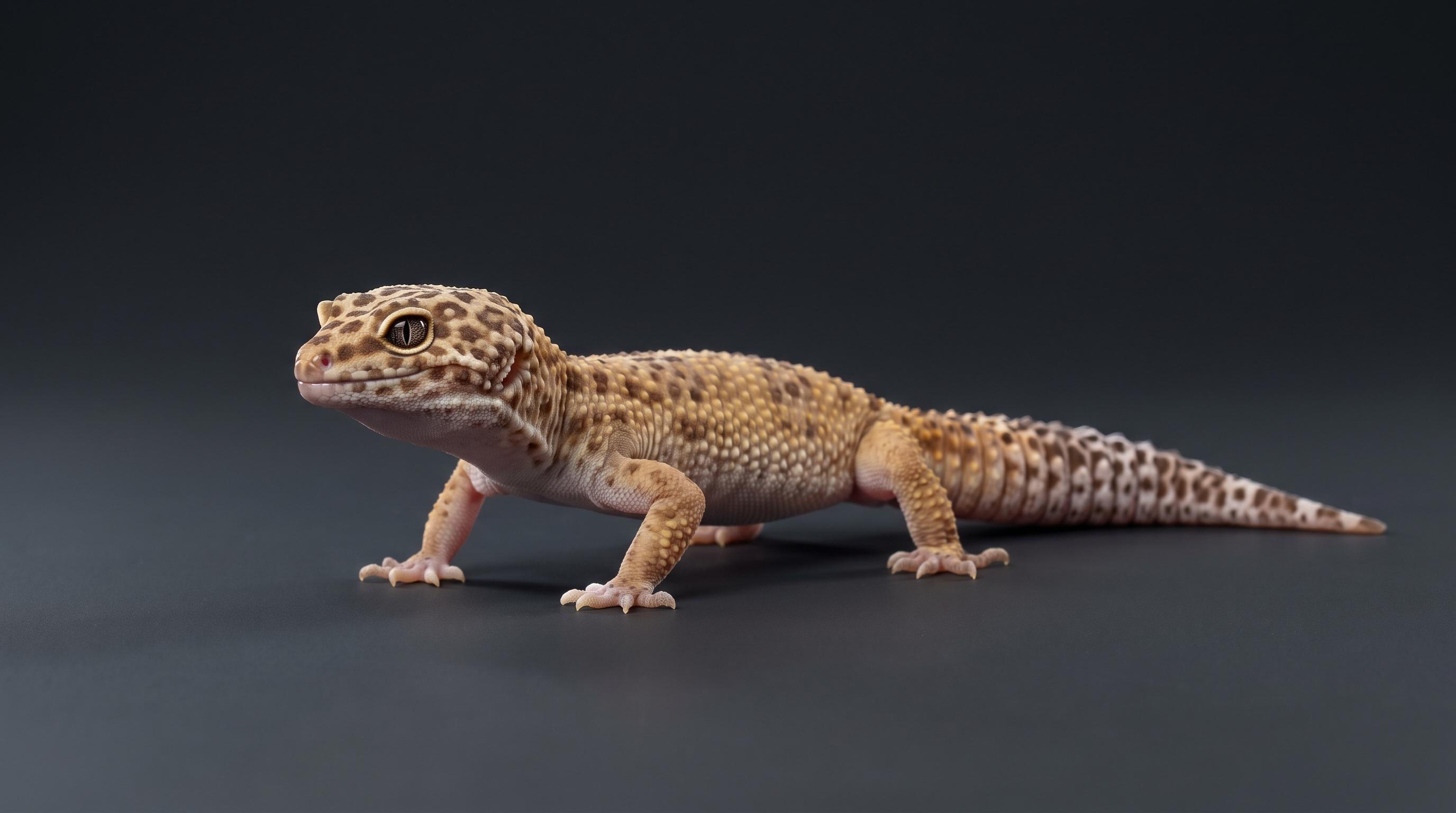
A Normal has a yellow to golden-tan base color covered in irregular black or dark brown spots, usually with two or three dark bands across the body as a juvenile that break up into spots as it matures. This is the wild-type look, meaning it is the baseline pattern other morphs are compared against. If you are not sure what you are looking at, picture this first: bold yellow and black contrast, with no especially washed-out or pastel tones. If the gecko in front of you has that strong yellow-and-black look without obvious color or pattern traits, it may be a Normal.
How do you tell a Tremper Albino from other albino types?
You cannot reliably tell Tremper, Bell, and Rainwater Albinos apart by looking at the gecko. Their appearance can vary and overlap, so eye color, body color, or pattern is not a dependable way to identify the strain. If the specific strain matters to you, ask the seller for documented lineage. Without that information, the honest answer is that the albino strain is unknown.
Tremper vs Mack Snow: what is actually different?
Tremper Albino and Mack Snow refer to different morph traits, but a photo is not a substitute for asking the seller what they can document about the animal. A gecko with a paler, cooler appearance may be described as Mack Snow, but appearance can change with age and can overlap with other traits. If the exact morph identification matters to you, ask the seller how they identified it and what lineage records are available. For albinos, remember that you cannot reliably identify the strain by appearance.
| Morph | Base color | Eye color | Pattern style |
|---|---|---|---|
| Normal | Golden yellow | Usually dark | Bold dark spots and bands |
| Tremper, Bell, or Rainwater Albino | Varies; strains can overlap visually | Not a reliable way to identify the strain | Not a reliable way to identify the strain |
| Mack Snow | Often cool grey to white as a juvenile; may gain yellow with age | Usually dark | May show defined grey-black bands |
| Giant | Varies; not a color trait | Varies | Varies; ask about documented lineage |
| Jungle | Yellow to orange or combined with other traits | Varies | Irregular pattern; definitions can vary by breeder |
How do you recognize a Bell Albino?
You cannot reliably identify a Bell Albino by eye color, body color, or pattern alone. Bell, Tremper, and Rainwater are separate albino strains, but their appearance can vary and overlap. If a seller identifies a gecko specifically as Bell, ask for documented lineage supporting that label. If the lineage is unknown, “albino, strain unknown” is more accurate than guessing from appearance.
What makes a Giant leopard gecko different to spot?
A Giant is a size-related trait, not a color trait, so size alone is not enough to confirm that a gecko comes from a Giant line. Age, sex, body condition, and individual growth all affect a gecko's size. Ask the seller for the animal's age, current length and weight, and documented lineage. Adult size can provide context, but the seller's records are what support a Giant-line identification.
How do you spot a Jungle pattern morph?
A Jungle is commonly described as having a broken, irregular pattern where the normal body and tail bands break up into blotchy markings rather than neat crossbands. The base color can vary or be combined with other traits. Because breeders may use pattern labels differently, treat “Jungle” as a description of the animal's appearance and ask the seller how they use the term and what lineage information they have.
What should you do if you still cannot tell the morph from a photo?
Ask the seller directly and request a few photos in natural daylight, since indoor lighting can distort eye color and body tone. Reputable sellers listing on the marketplace or running a shop through ReptileAds stores are generally happy to confirm a morph and share the parent lineage if they know it. If the identification really matters to you, for example because you are planning a specific pairing later, ask what records support the identification and review the care guides before you commit, since morph should never outweigh getting husbandry right first.
Getting comfortable describing common visible traits takes practice. You do not need to identify every morph perfectly on day one; focus on asking the right questions before you bring a gecko home, especially when a seller is making a specific genetic claim.
Frequently asked
What is the easiest leopard gecko morph for a beginner to identify?
A Normal is often the easiest to recognize by its yellow body and dark spots. That gives you a useful visual reference, but appearance alone cannot confirm every morph or genetic trait.
How can you tell a Tremper Albino from a Bell Albino?
You cannot reliably tell Tremper, Bell, and Rainwater Albinos apart by appearance. Eye color, body color, and pattern vary and overlap. Ask the seller for documented lineage; without it, the albino strain is unknown.
Can you identify a Giant leopard gecko just from a photo?
Not reliably. Size can provide context, but age, sex, and body condition affect growth. Ask the seller for the animal's age, current length and weight, and documented lineage to support a Giant-line identification.
Why do leopard gecko morphs look different as babies versus adults?
Learn the visual clues breeders use for common leopard gecko morphs, including Normal, albino, Mack Snow, Giant, and Jungle. See why lineage is needed to identify an albino strain.