How to Use a Ball Python Genetic Calculator the Right Way
Learn how to use a ball python genetic calculator, enter confirmed and possible hets accurately, and read per-egg outcomes as probabilities rather than guaranteed clutch counts.
Morph identification, inheritance, het maths and breeding project planning — how reptile genetics actually work.
8 resources in Genetics & Morphs
Learn how to use a ball python genetic calculator, enter confirmed and possible hets accurately, and read per-egg outcomes as probabilities rather than guaranteed clutch counts.
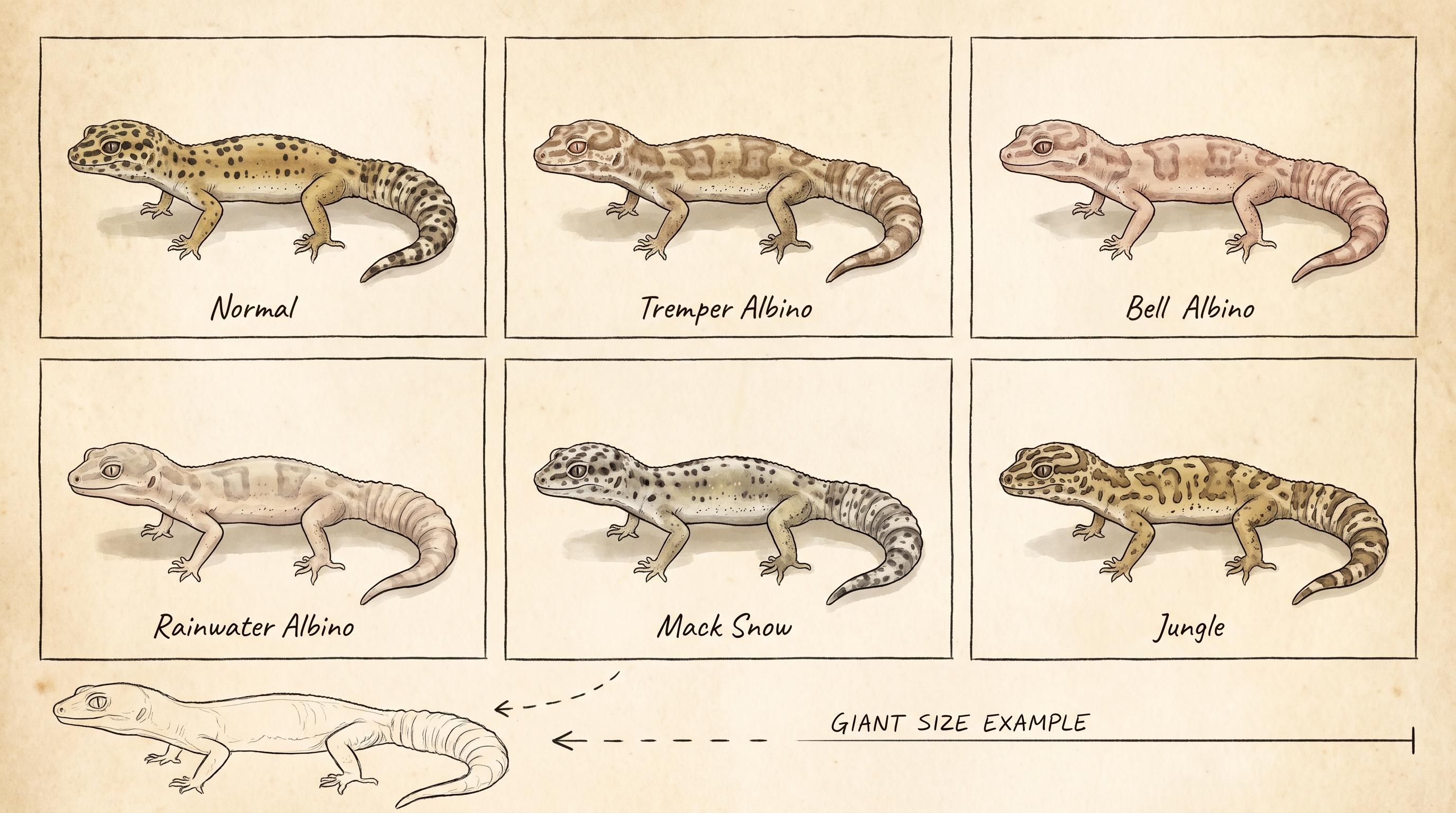
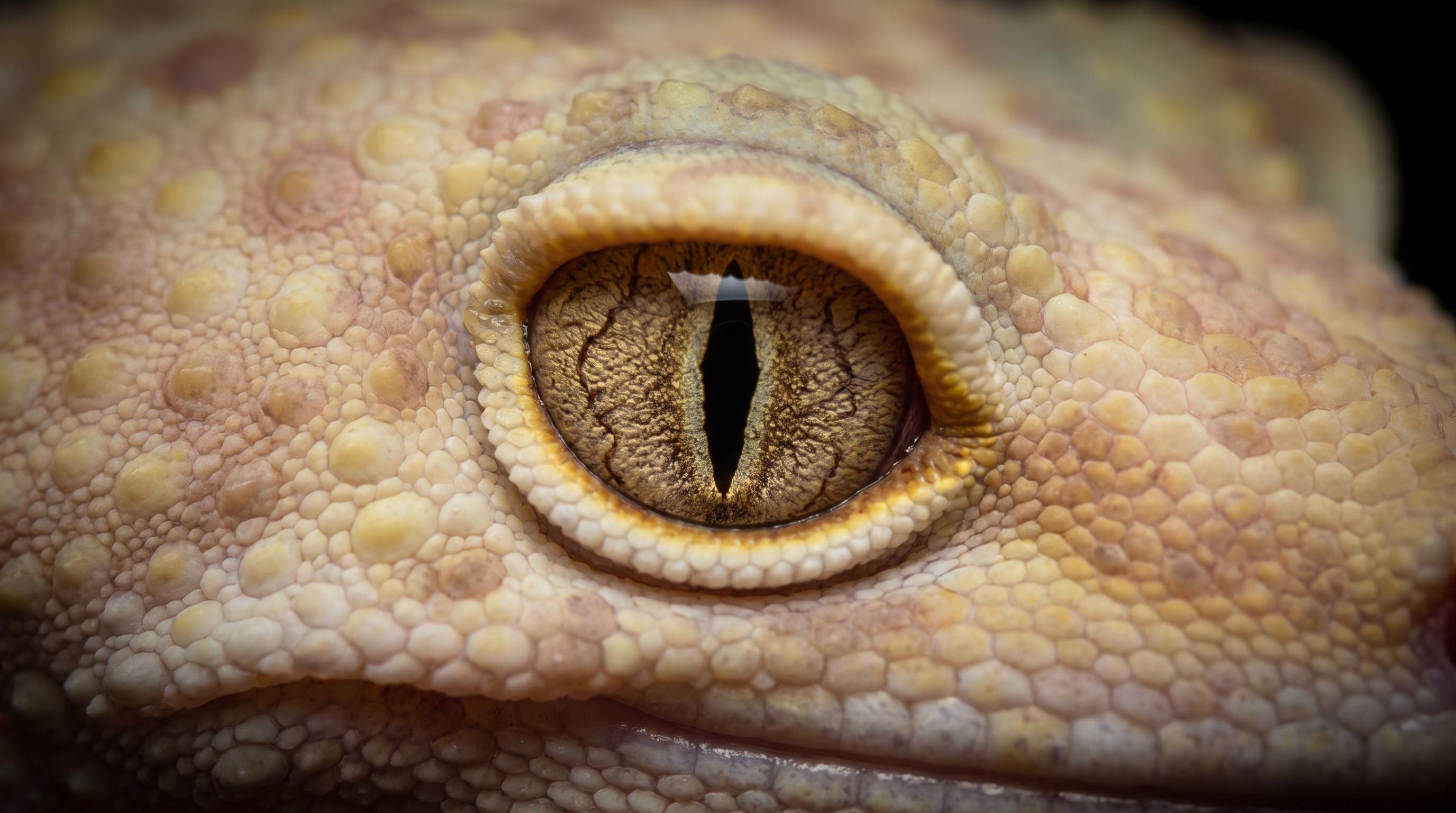
Learn the visual clues breeders use to describe common leopard gecko morphs, including Normal, Tremper and Bell Albino, Mack Snow, Giant, and Jungle. Find out when appearance can suggest a morph—and when lineage is needed to confirm it.
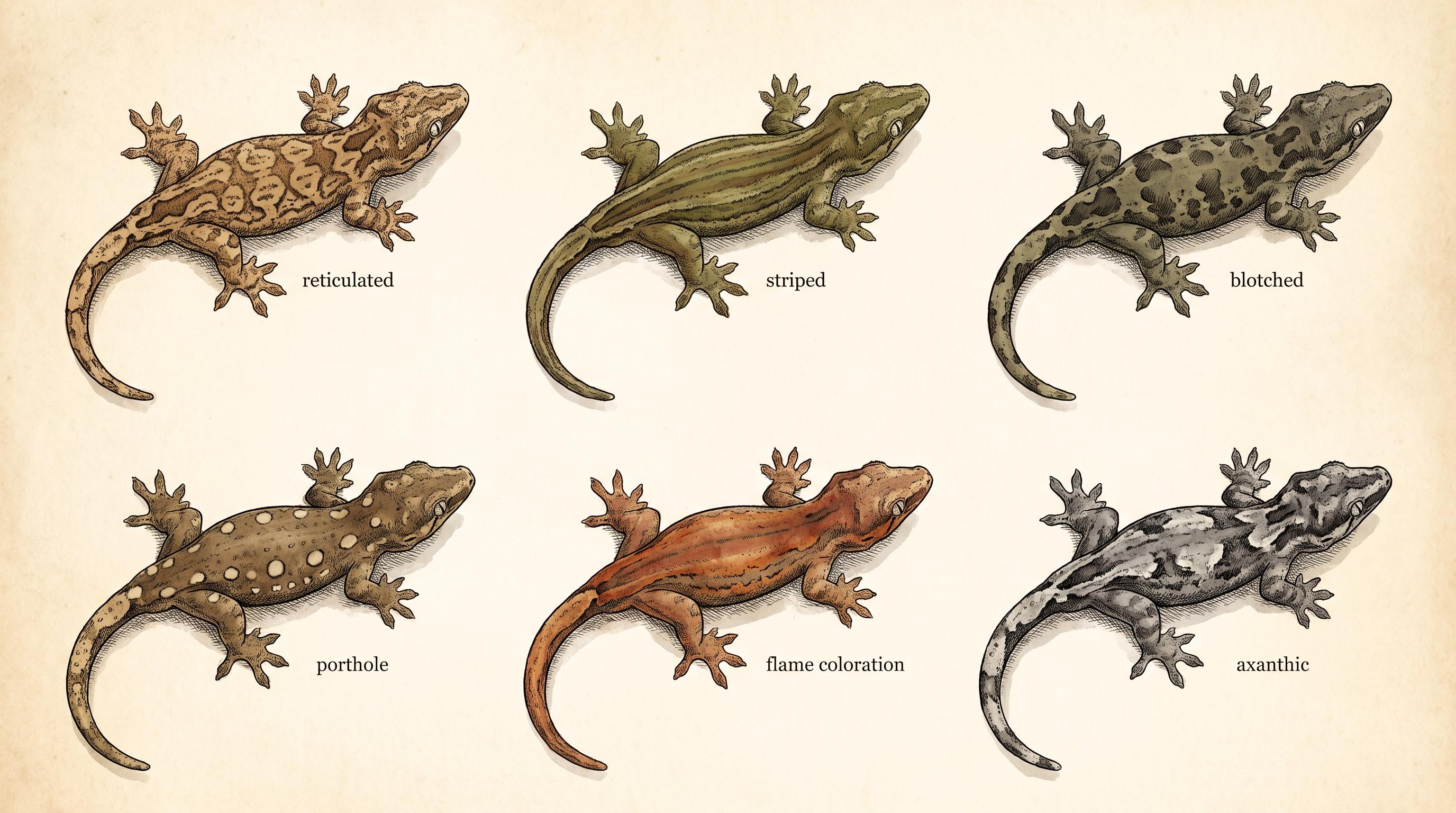
Gargoyle gecko pattern names such as striped, reticulated, blotched, porthole, flame, and axanthic can be confusing because breeders use some terms descriptively and inconsistently. This guide explains the visible traits behind common listing labels, how color and appearance may vary, and what buyers should ask breeders before paying a premium.
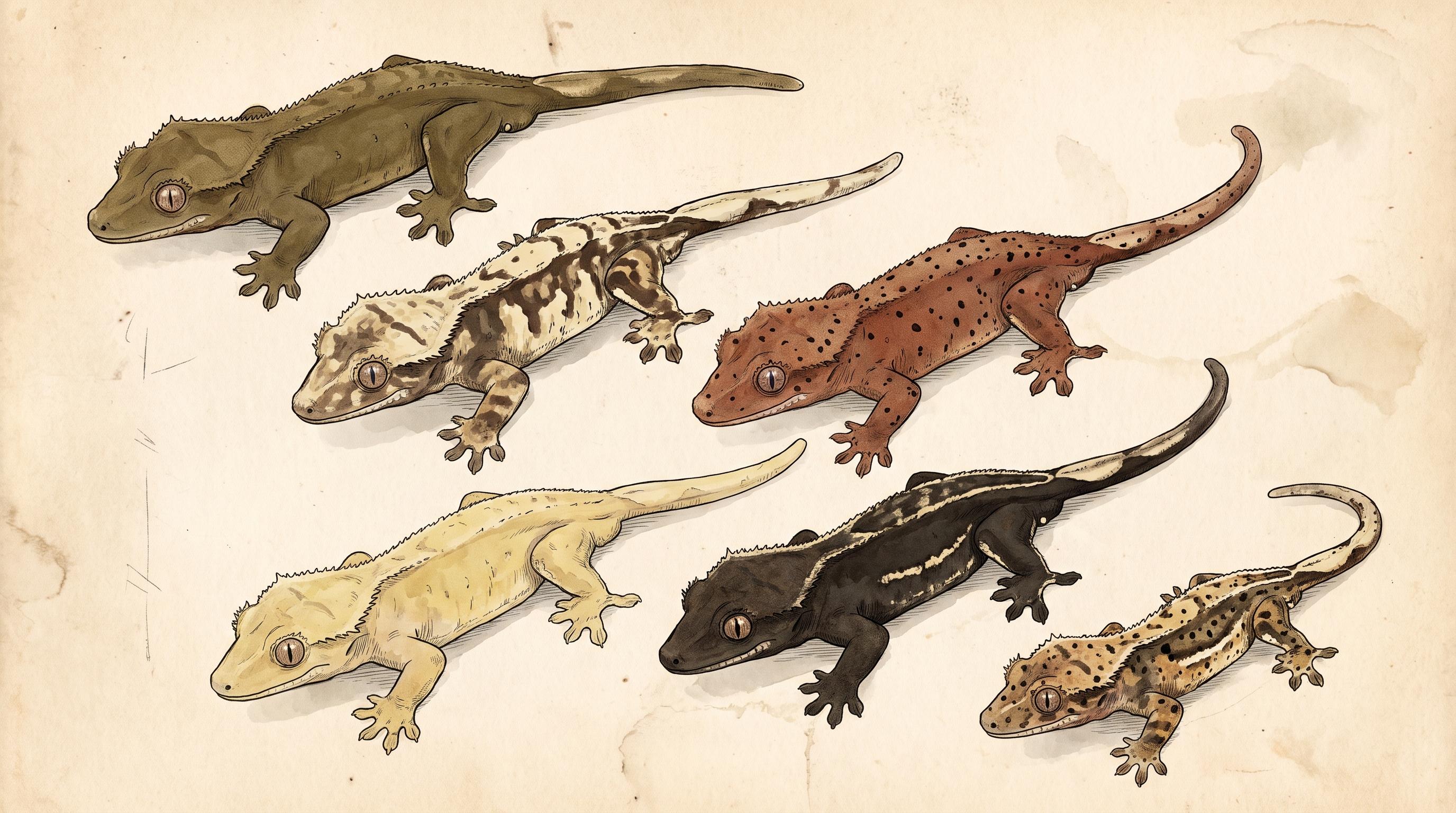
Confused by dalmatian, harlequin, and pinstripe listings? Let's break down what crested gecko morph terms actually mean so you can shop with confidence.
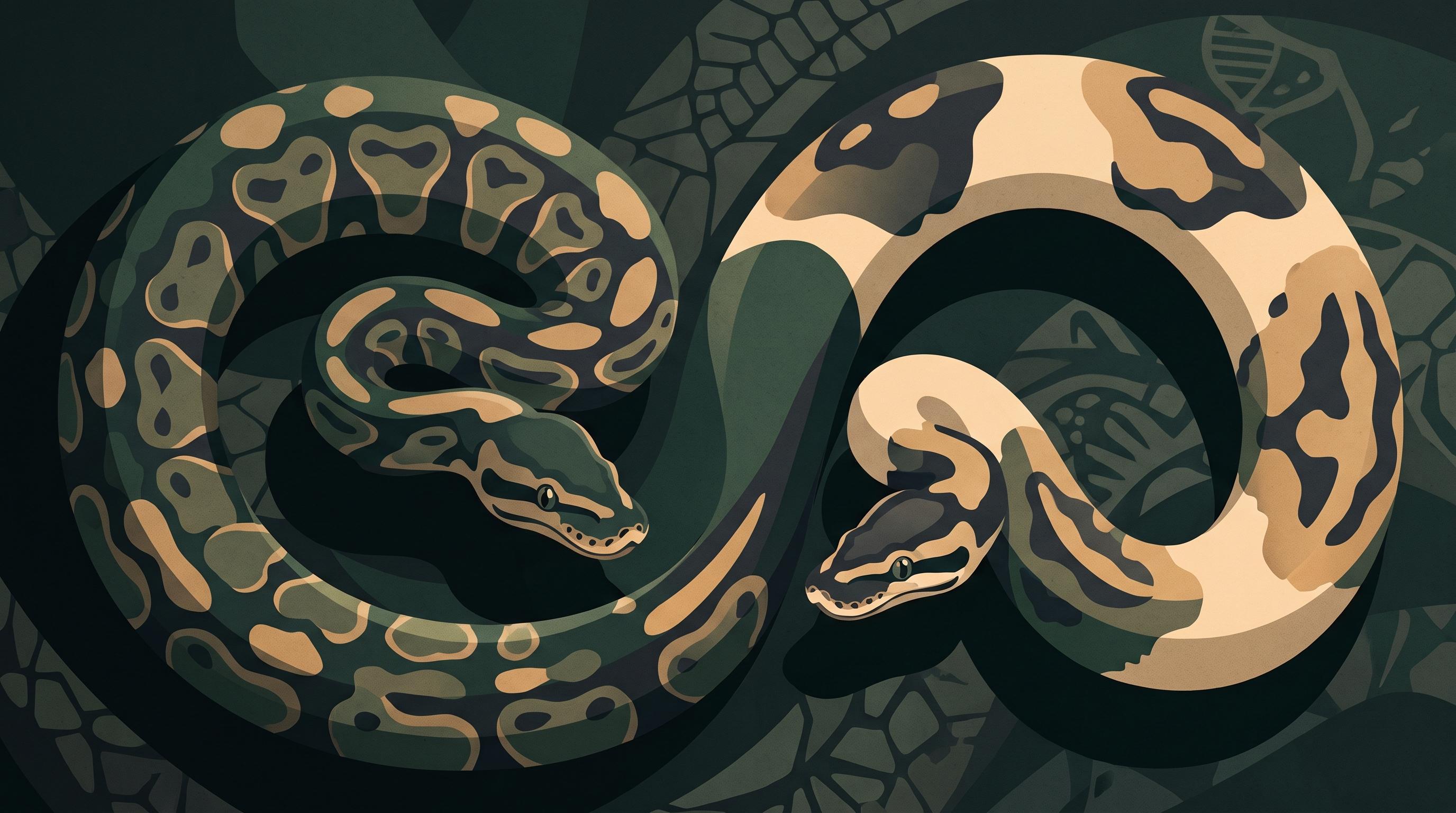
Confused by het, 66% possible het, and 50% possible het on morph listings? Let's break down ball python genetics terms with simple examples so you can shop with confidence.
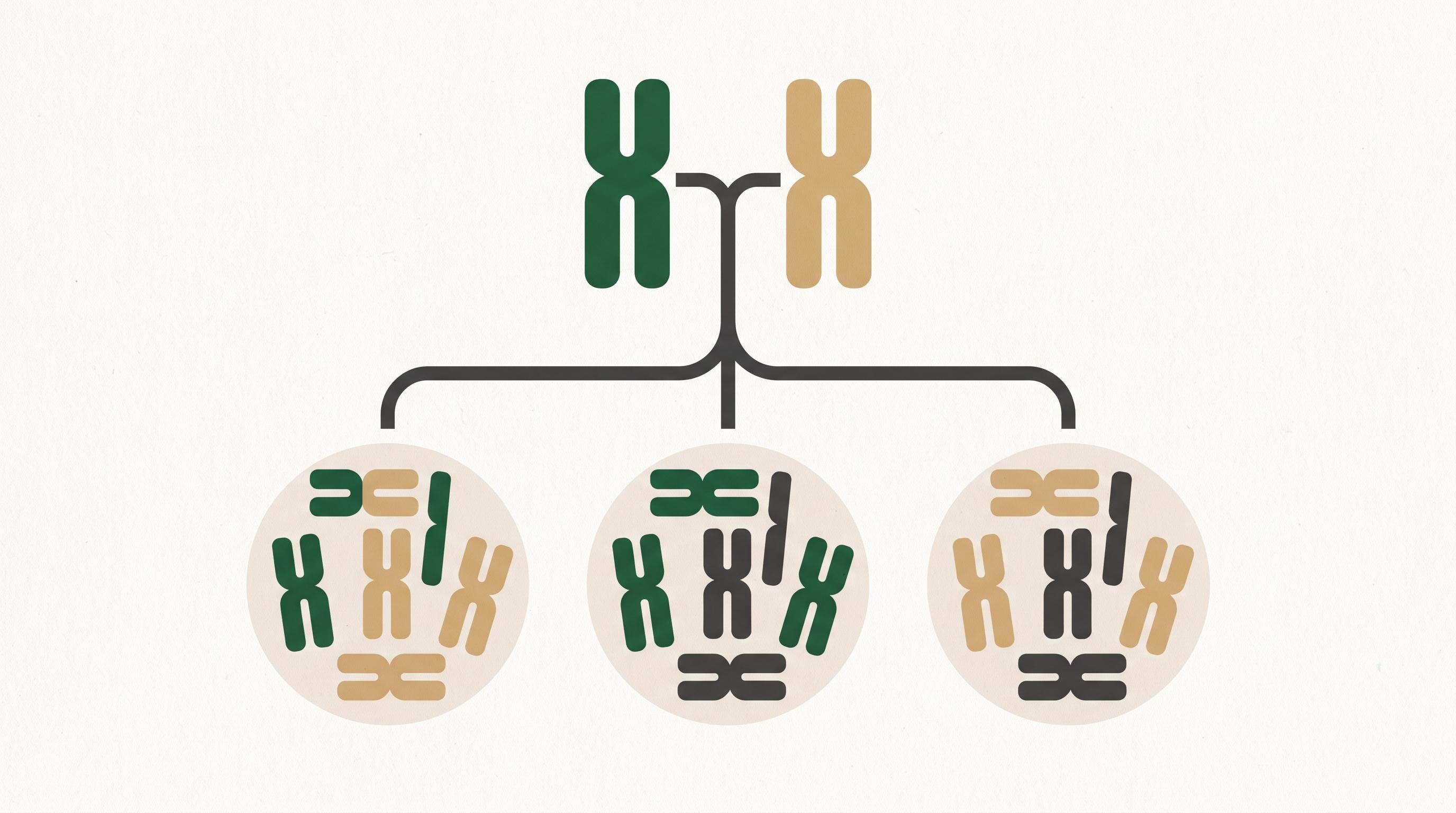
Confused about which leopard gecko pairings will actually produce the morphs you want? Here's how recessive, dominant and co-dominant traits really work, with real examples and math you can check yourself.
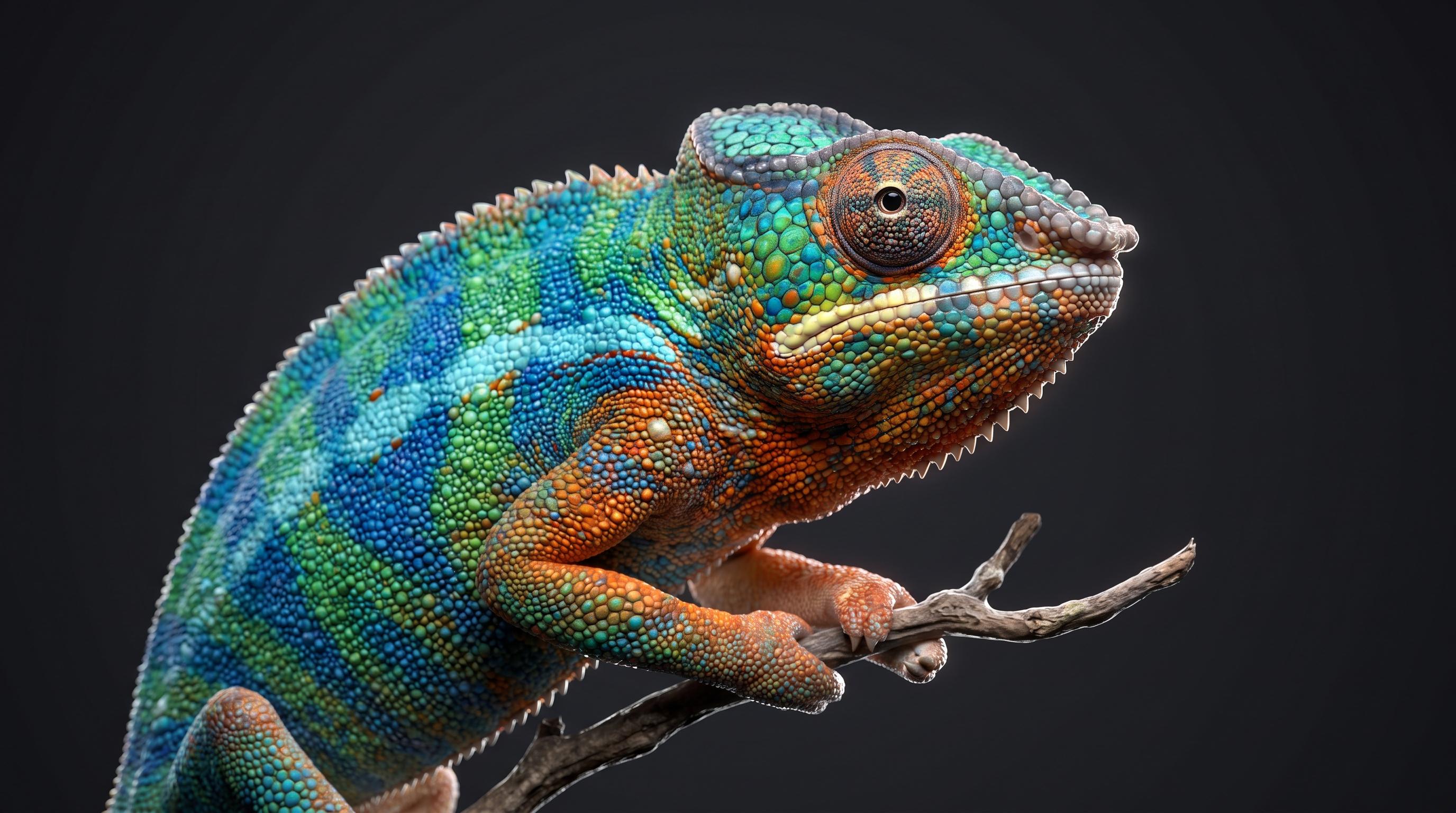
Camouflage is not the main reason chameleons shift colour. Here's the real biology of chromatophores, light physics and hormones that drives the change.
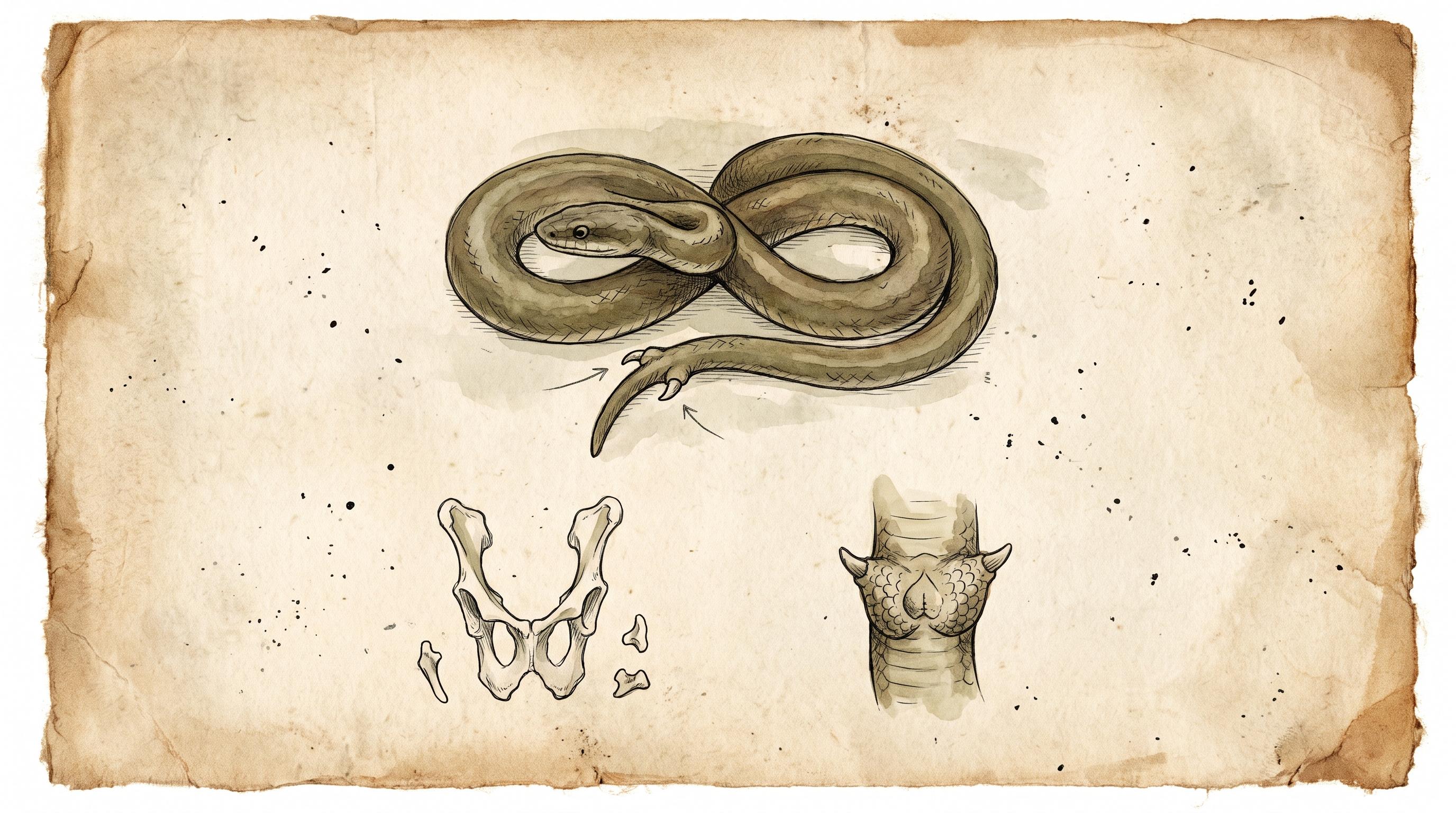
Yes, ball pythons and boas carry vestigial hind limbs — and the spurs they leave behind are a free, useful clue for sexing and identifying your snake, as long as you know their limits.