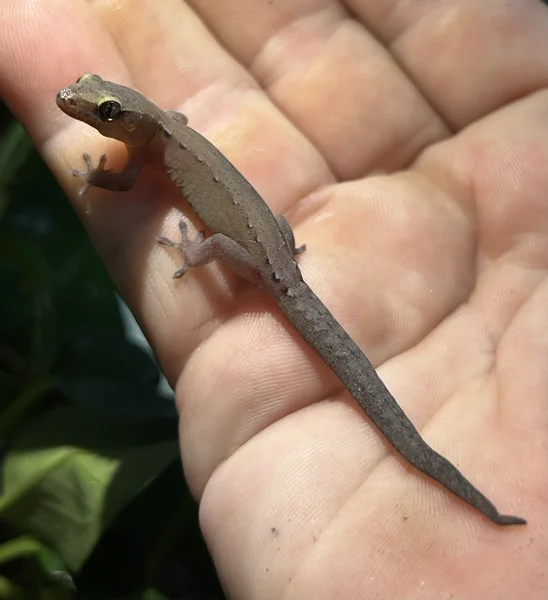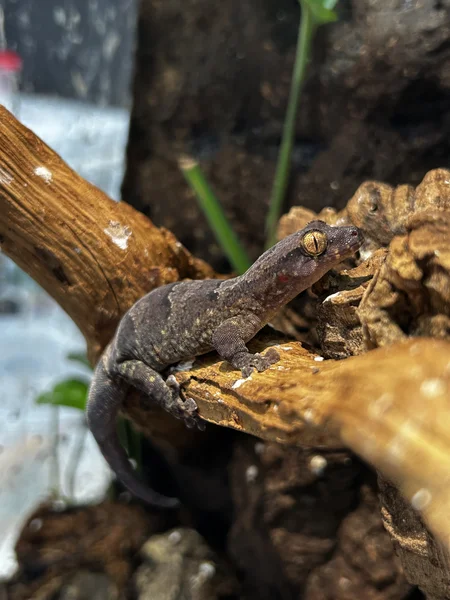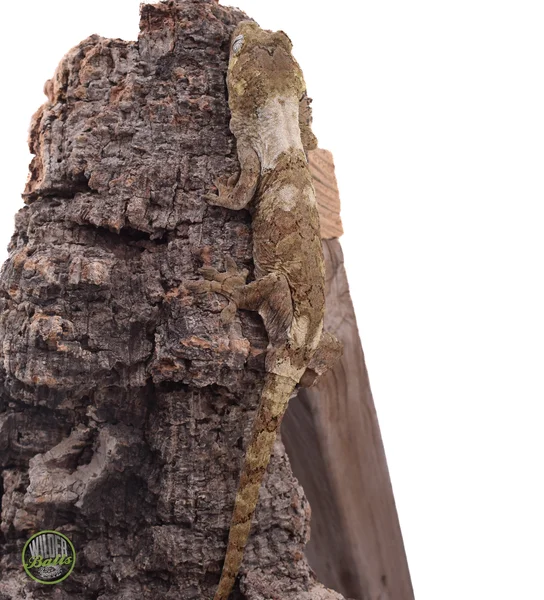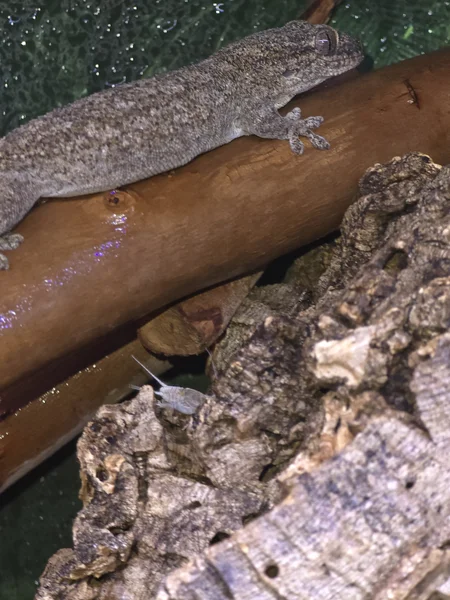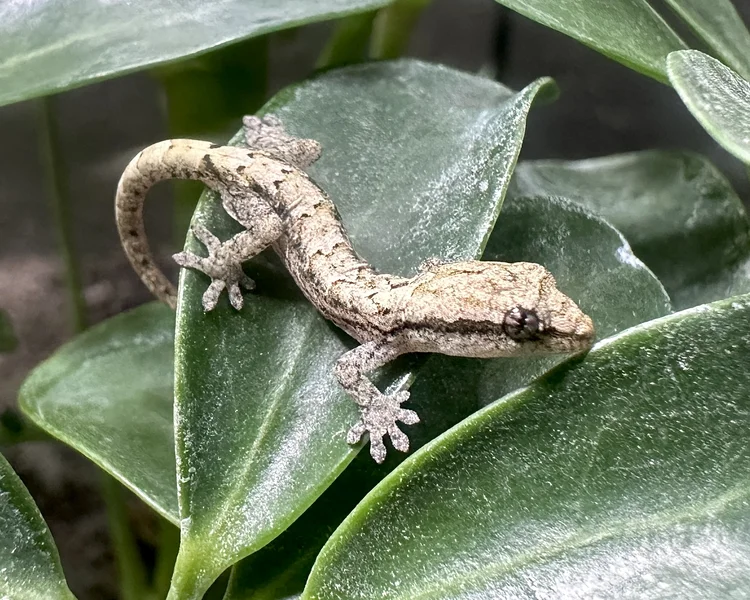
Browse other geckos for sale, from day geckos and tokays to leaf-tailed, frog-eyed and pictus geckos, listed by breeders and keepers who specialize in less common species.
Showing 1 to 10 of 10 animals
Showing 1 to 10 of 10 animals

SAVE 10% OFF ONE ANIMAL! MUST MENTION THIS AD FOR DISCOUNT!
Geckos are one of the most diverse lizard groups in the world, and only a handful have their own ReptileAds category. Everything else lands here, from bright green day geckos to bark-patterned leaf-tails. This guide explains what you are likely to find and how to choose one that fits your experience and setup.
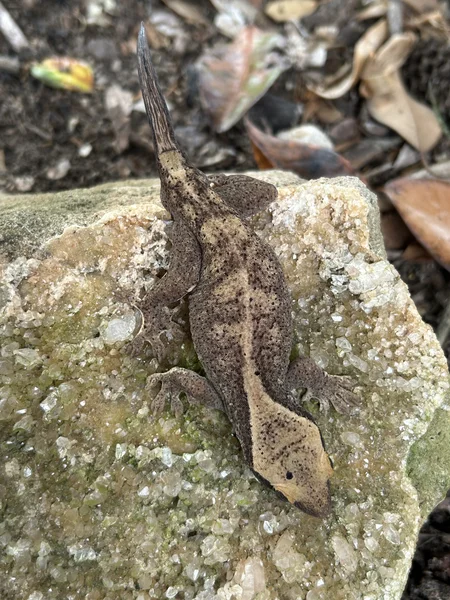
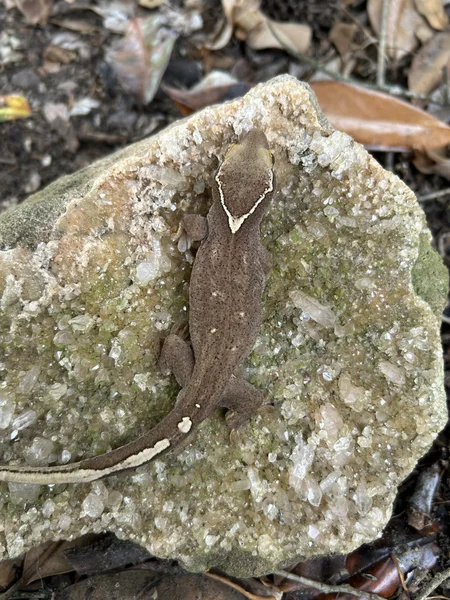
Beyond the familiar leopard, crested, gargoyle, leachianus and African fat-tailed geckos, keepers work with a wide range of species. Day geckos (Phelsuma) are active, colorful and diurnal. Tokay geckos are large, vocal and bold. Pictus geckos from Madagascar are small, sturdy ground dwellers, while frog-eyed geckos come from sandy Central Asian habitats.
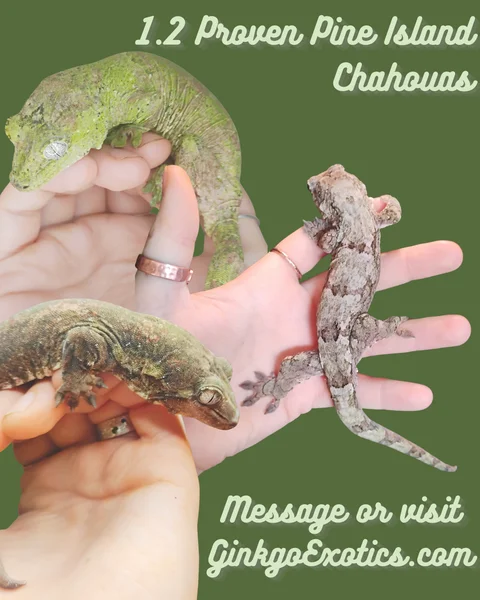
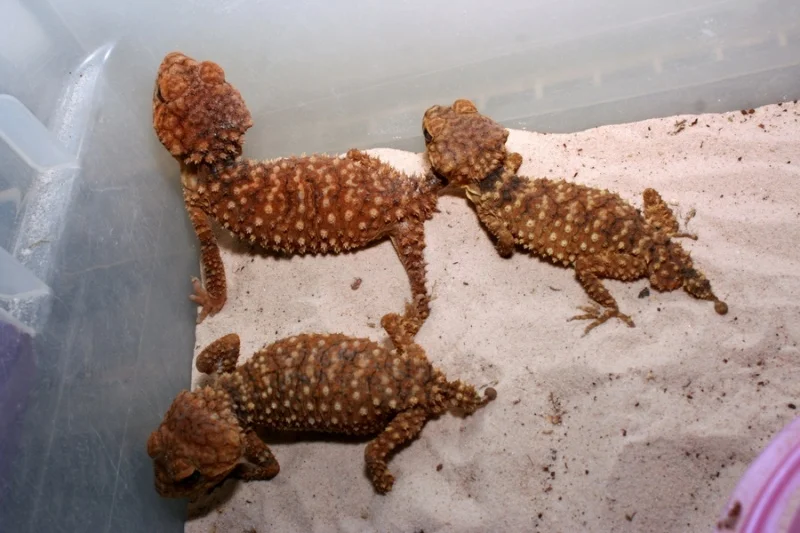
More specialized choices include leaf-tailed geckos (Uroplatus), knob-tailed geckos (Nephrurus), Kuhl's flying geckos and mossy prehensile-tailed geckos. Each has its own habits, so the species name in a listing matters far more than the category label.
Adult size varies widely, from roughly 2 inches for the smallest species to around 12 inches for the largest commonly kept geckos. Lifespan also depends on the species, with most living somewhere between 5 and 15 years in captivity when their needs are met.
Because the spread is so large, check the typical adult size of the exact species before you plan an enclosure. A tokay and a pictus gecko need very different spaces even though they share this category.
Geckos come from tropical and subtropical regions across Africa, Asia, the Americas and Oceania, so their setups range from dry, sandy terrariums to humid planted vivariums. Arboreal species want vertical space with branches and foliage; terrestrial species want floor area, hides and a substrate suited to their habitat.
Most are insectivores that thrive on a variety of gut-loaded feeders such as crickets, roaches and mealworms, dusted with calcium and vitamins. Day geckos and several other species also lap fruit-based diets. A full species care guide is the best place to confirm temperature, humidity and lighting.
Most commonly kept geckos have few restrictions, but some exotic species may require permits or paperwork, particularly those that are protected in their native range or moved across borders. Rules differ from place to place, so check the regulations where you live before you buy, and ask the seller about any documentation that comes with the animal.
Start by narrowing down a species that suits the space, climate control and time you can offer. Then compare listings, looking at clear photos, hatch dates and whether animals are captive bred. Message sellers through built-in chat to ask what the gecko is eating, how it has been housed and how it will be shipped.
Once your gecko arrives, a simple log of feedings, sheds and weights makes it easier to notice changes early, and Husbandry.Pro gives you a tidy place to keep those records if you prefer an app. If a species you want is rarely offered, a Hit List alert will let you know when one appears.
AI-assisted guide reviewed by the ReptileAds team. General information about these animals — not care, veterinary or legal advice, and not a description of any individual listing above.
This category collects the geckos that fall outside our dedicated gecko sections. Expect a varied mix: day geckos, tokays, pictus geckos, frog-eyed geckos, leaf-tailed geckos, knob-tailed geckos and other species that small-scale breeders work with.
Because care varies so much from one gecko to the next, check the species name in each listing first, then message the seller through built-in chat to ask about origin, hatch date and what the animal is currently eating. Seller profiles and reviews help you compare offers side by side.
Looking for something specific and rarely offered? Set a Hit List alert and ReptileAds will notify you when a matching gecko is listed.
Uncommon geckos are often produced in small numbers, so it helps to shop where specialist breeders and hobbyists list side by side.
Browse listings from keepers who focus on less common gecko genera and compare several sellers in one place.
Message sellers directly through built-in chat to confirm the exact species, feeding response and shipping plans.
Rare species can appear without warning. Save a Hit List alert to be notified as soon as a matching gecko is listed.
Care in this category depends entirely on the species, so treat these as general starting points rather than rules.
Read the ReptileAds care guide for your chosen species before your gecko arrives.
With so many species under one heading, a few direct questions go a long way.